


81st Anniversary of Vietnam’s National Day (Sept 2, 1945 – Sept 2, 2026): Preserving Independence – Building a Better Future
Some values take on deeper meaning with the passage of time. Independence is one of them.. Independence is one of them. Eighty-one years after the autumn of 1945, the country has entered a new stage of development. Safeguarding independence today means not only protecting what earlier generations fought to achieve, but also making the country strong enough to confidently choose its own future. That is the responsibility of every generation and a task facing every locality along its development journey.
From National Independence to a New Era of Development
Each National Day, the red flag with the yellow star once again fills streets, neighborhoods and villages across the country. Amid today’s celebrations is the memory of an autumn 81 years ago, when the Vietnamese people rose to take control of their own destiny.
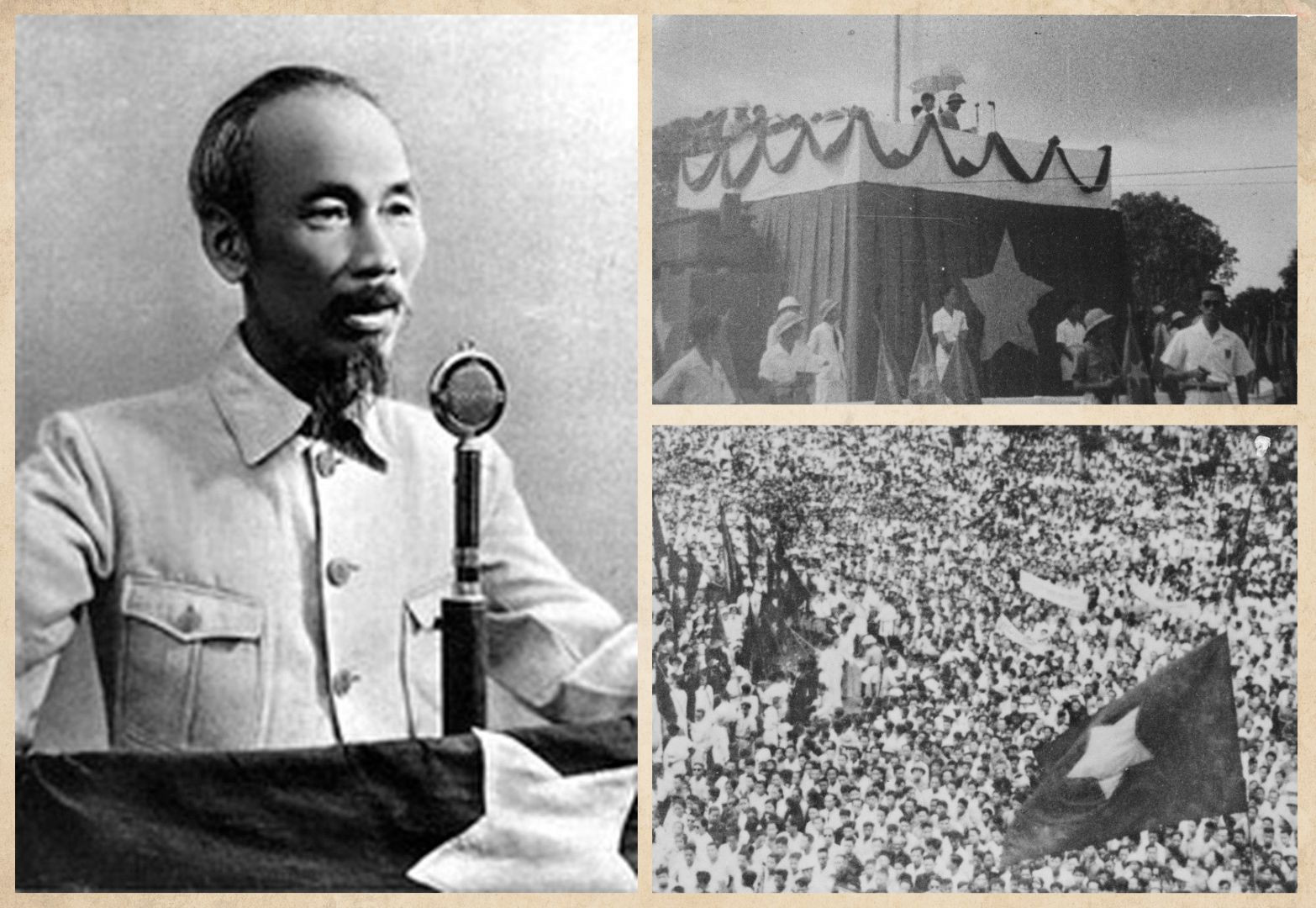
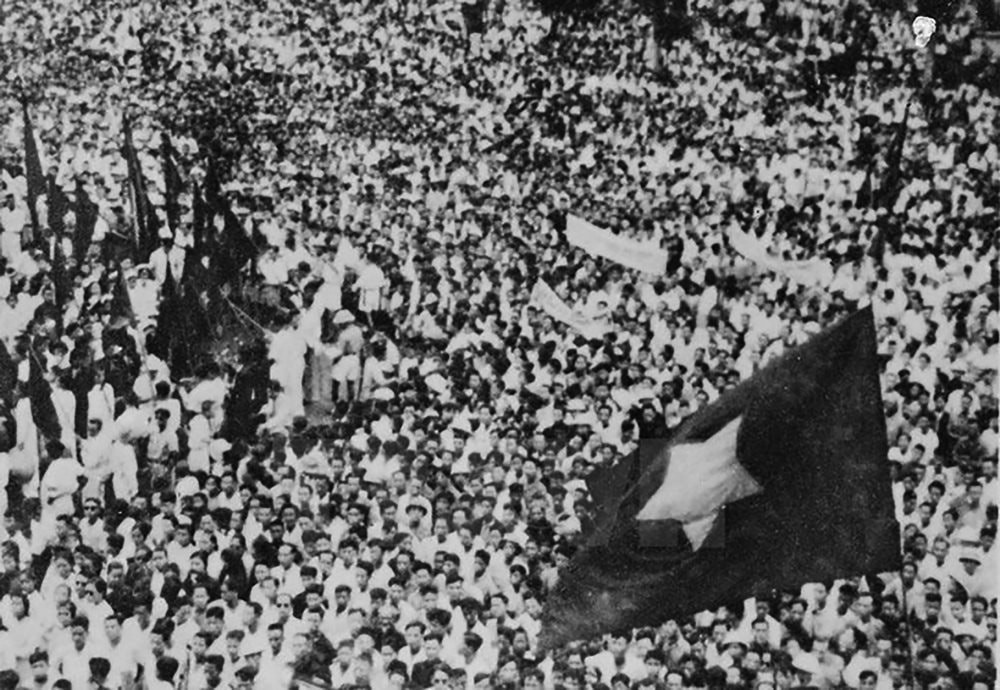
On September 2, 1945, at Ba Dinh Square, President Ho Chi Minh read the Declaration of Independence, proclaiming to the Vietnamese people and the world the birth of the Democratic Republic of Vietnam. It was a historic moment, but not the result of a single event. Behind independence lay a long and persistent process of preparation: choosing the right path, building forces, mobilizing the people and, above all, having the vision and resolve to recognize and seize the right opportunity. When that opportunity came, the strength of the entire nation converged into a powerful political force capable of creating a historic turning point. The Vietnamese people’s centuries-old aspiration for independence had finally become a reality.
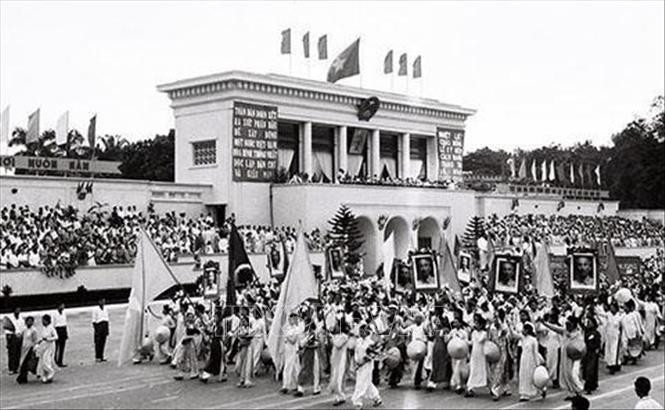
The Declaration of Independence, therefore, did more than proclaim the birth of a state. In concise yet powerful words, President Ho Chi Minh affirmed the Vietnamese nation’s right to freedom and independence on the basis of universal human values, while declaring a fundamental truth: the Vietnamese people have the right to live, the right to freedom and the right to determine their own future. It is a truth borne out by history. Yet history also reminds us that winning independence was only the beginning.
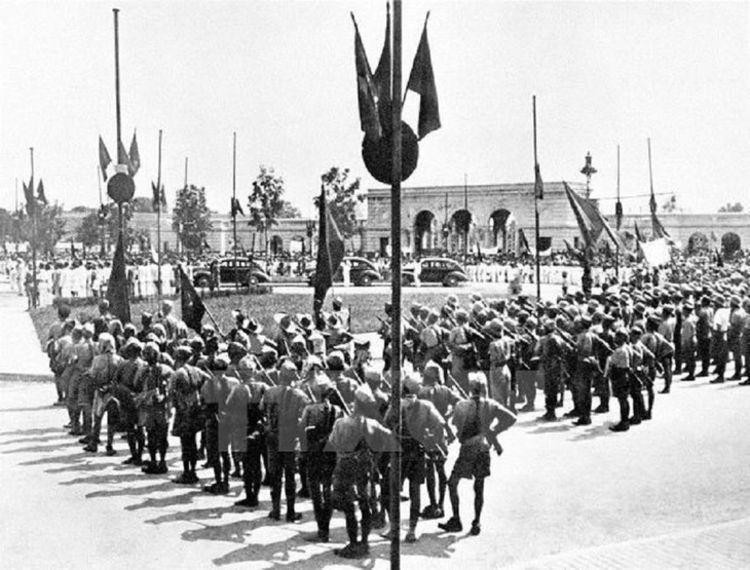
After September 2, 1945 came years of profound challenges: defending the young revolutionary government, fighting hunger and illiteracy, and protecting the newly won independence, followed by prolonged resistance wars marked by immense sacrifice and loss. When peace was restored, the country continued to face the tasks of safeguarding sovereignty and national unity, rebuilding the nation, and gradually moving a poor and underdeveloped economy onto a path of development.
Building Internal Strength to Safeguard Independence
Each generation has its own way of safeguarding independence. One generation took up arms to defend the nation. Another built roads, schools and factories. Another advanced the reform process, helping Vietnam integrate more deeply into the world. Today’s generation also has its own role to play.
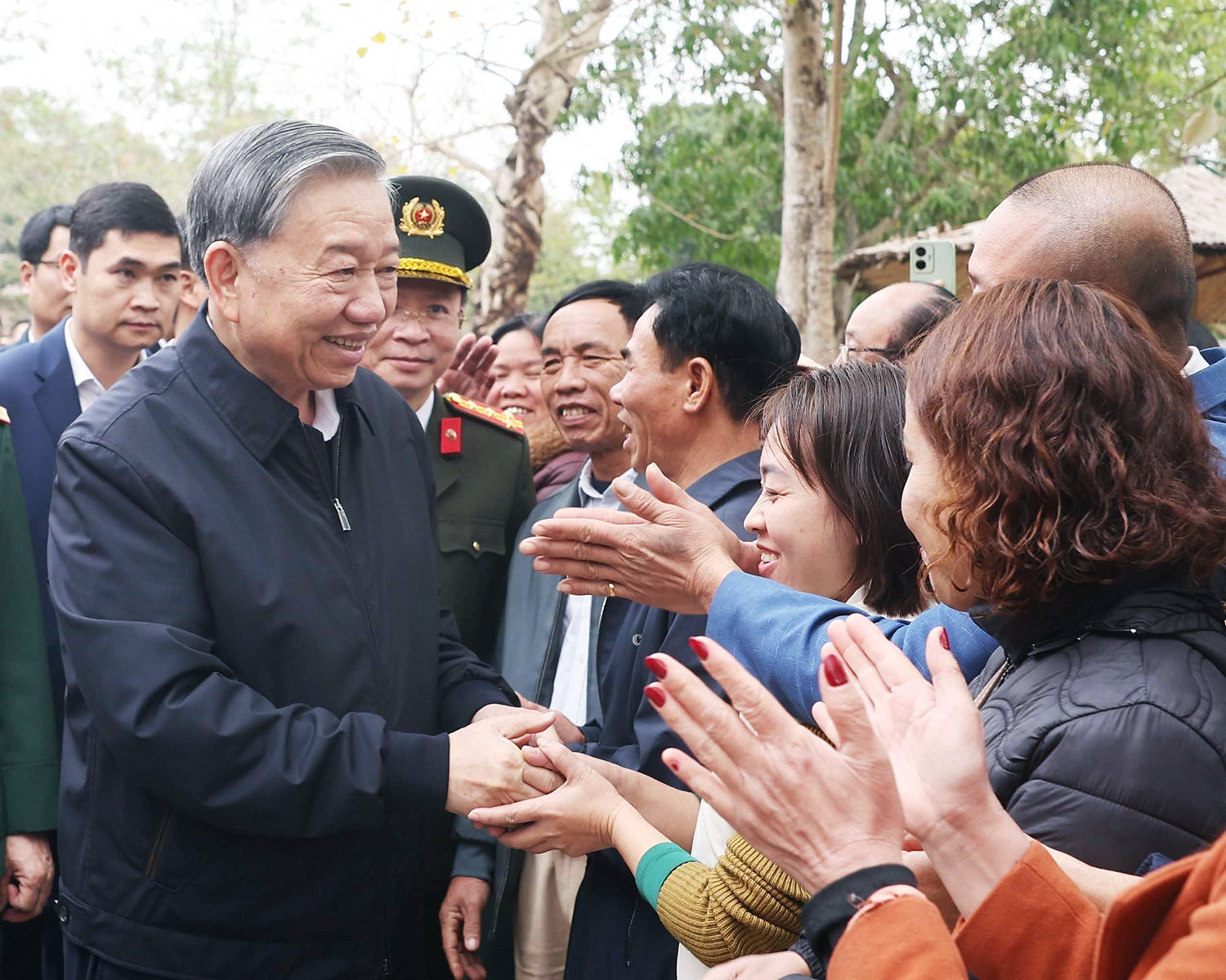
In a world of constant change, independence is safeguarded not only at national borders, at sea and in the skies. A nation seeking self-reliance must possess sufficient internal strength to withstand external shocks and the capacity to make its own decisions on matters vital to its future.
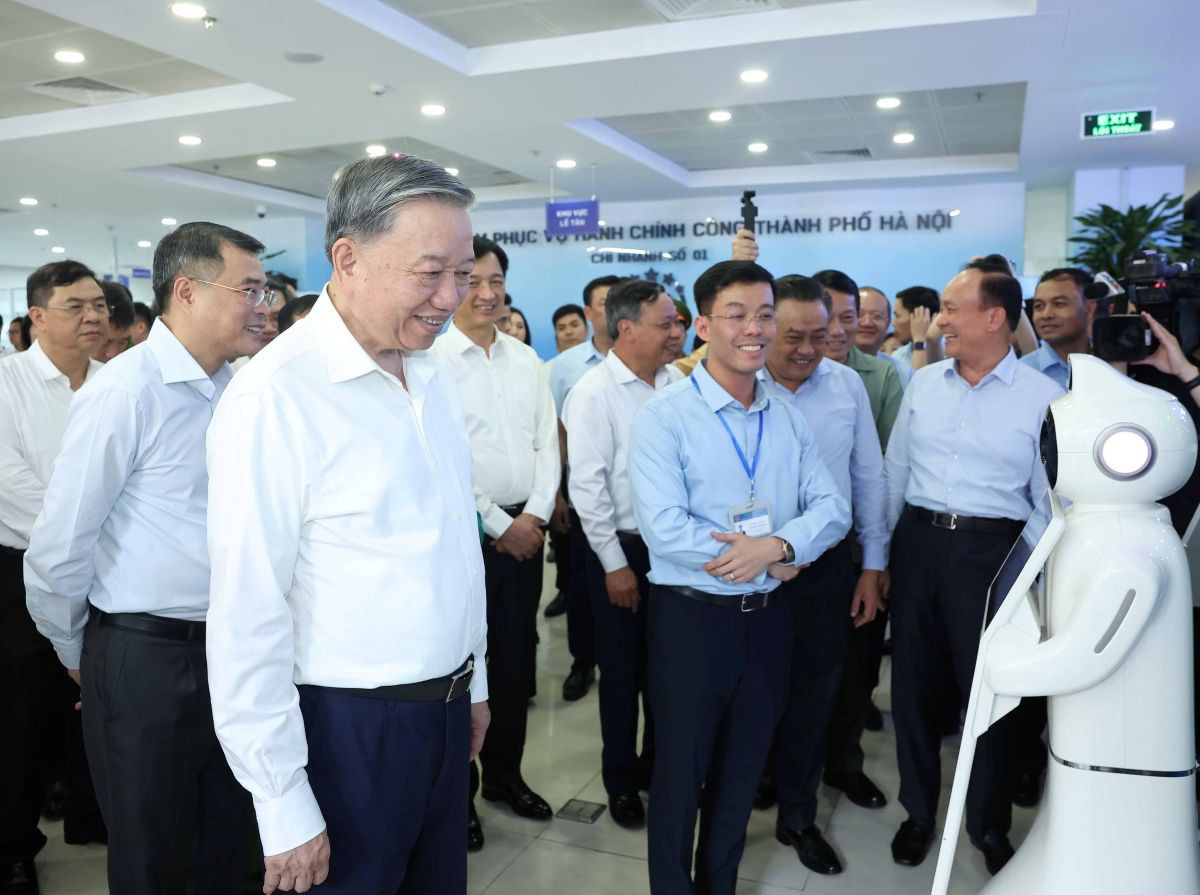
That internal strength begins with a resilient economy; strong scientific and technological capabilities; high-quality human resources; robust national defense and security; proactive diplomacy; and an effective, efficient political system and state apparatus. Development, therefore, is itself a means of safeguarding independence in the new era.
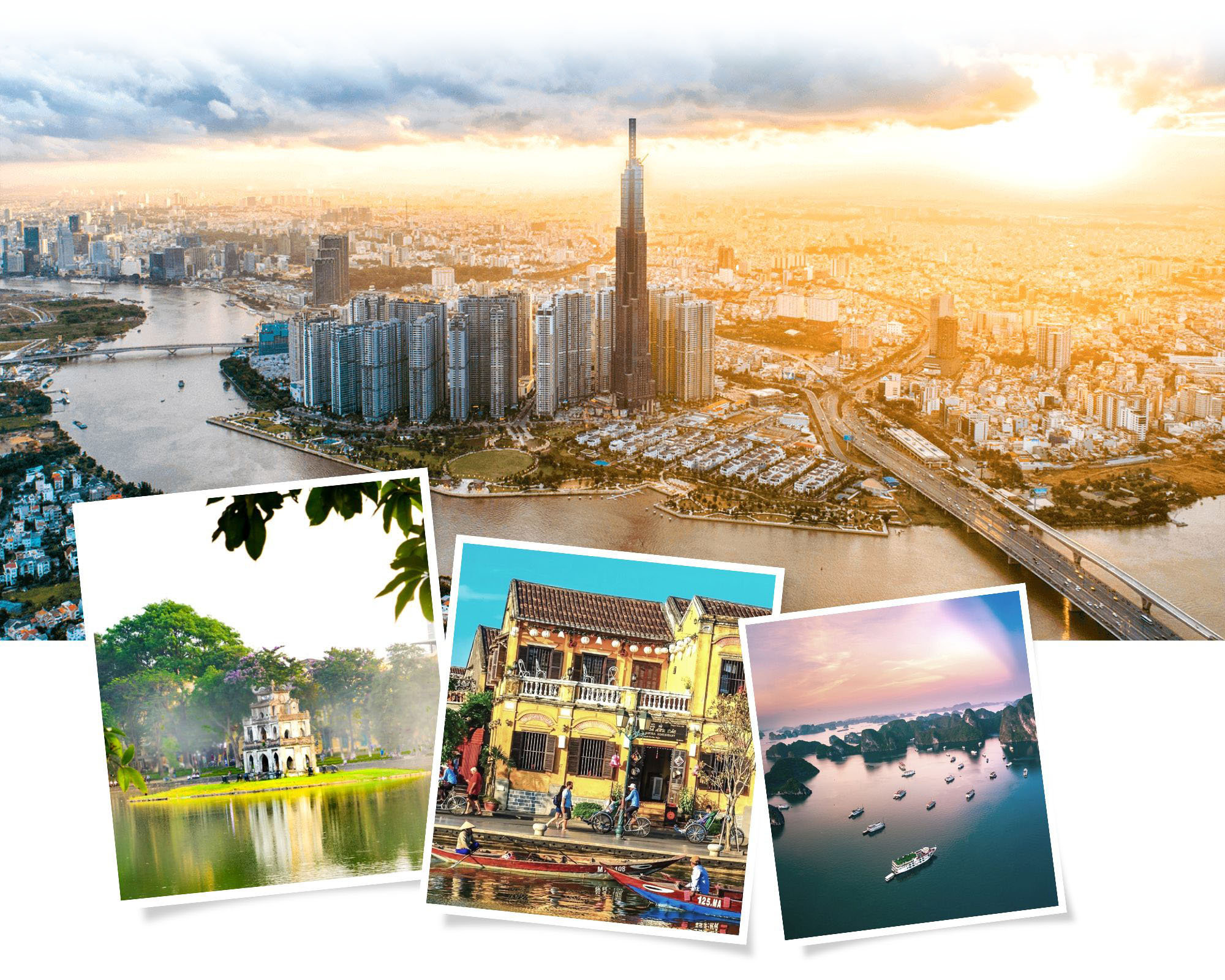
The stronger a country’s economy, the greater its technological mastery and the higher the quality of its human resources, the more choices it has. Self-reliance does not mean standing apart from the world, but engaging with it from a position of sufficient internal strength to avoid being caught off guard by global changes. That is also why international integration and independence are not contradictory.
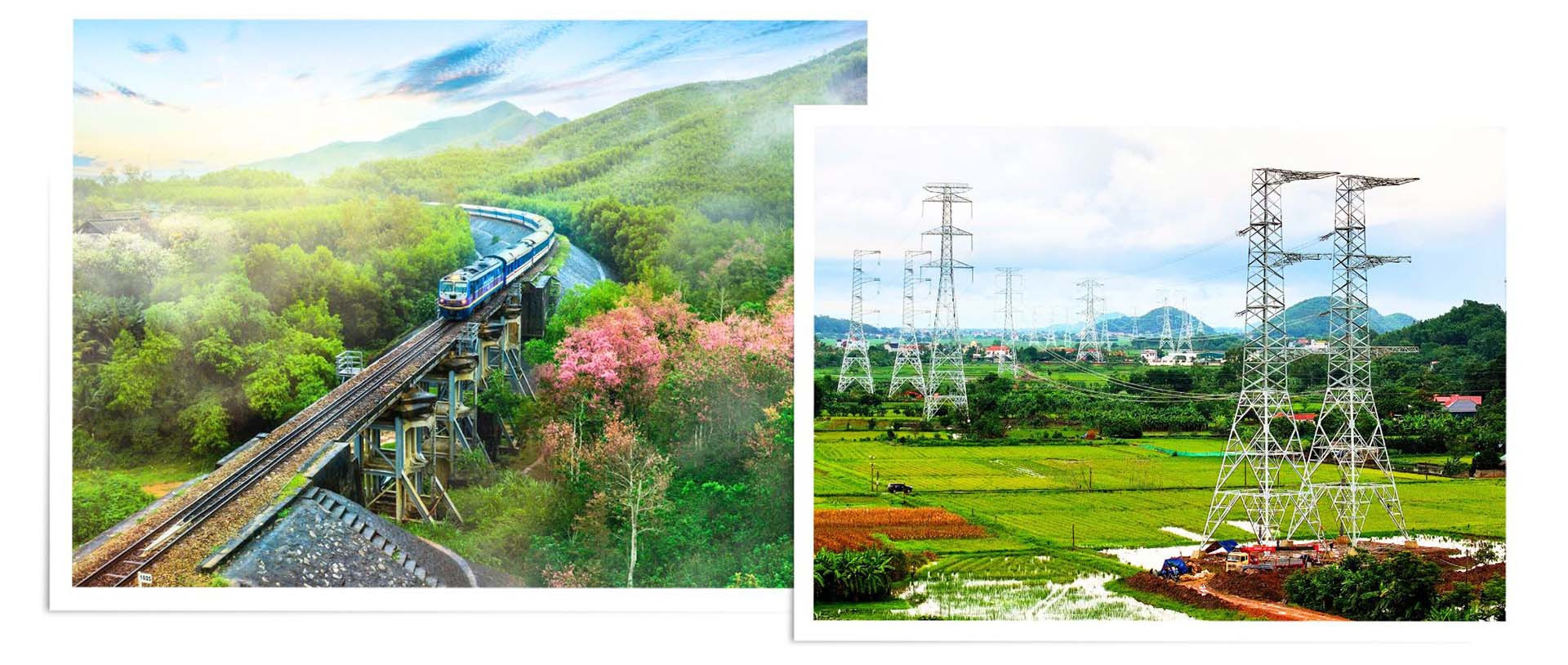
Vietnam needs to remain open, cooperate with other countries, and embrace global knowledge and technology. But international integration must go hand in hand with resilience, competitiveness and the ability to safeguard national interests.
.jpg)
Seen from this perspective, tasks such as building a clean and strong Party and political system; developing an effective and efficient rule-of-law state; exercising oversight of power; combating corruption, waste and other negative practices; removing bottlenecks to unlock resources; promoting science, technology and innovation; and improving the quality of human resources are not separate issues. They are all essential to strengthening the country from within.
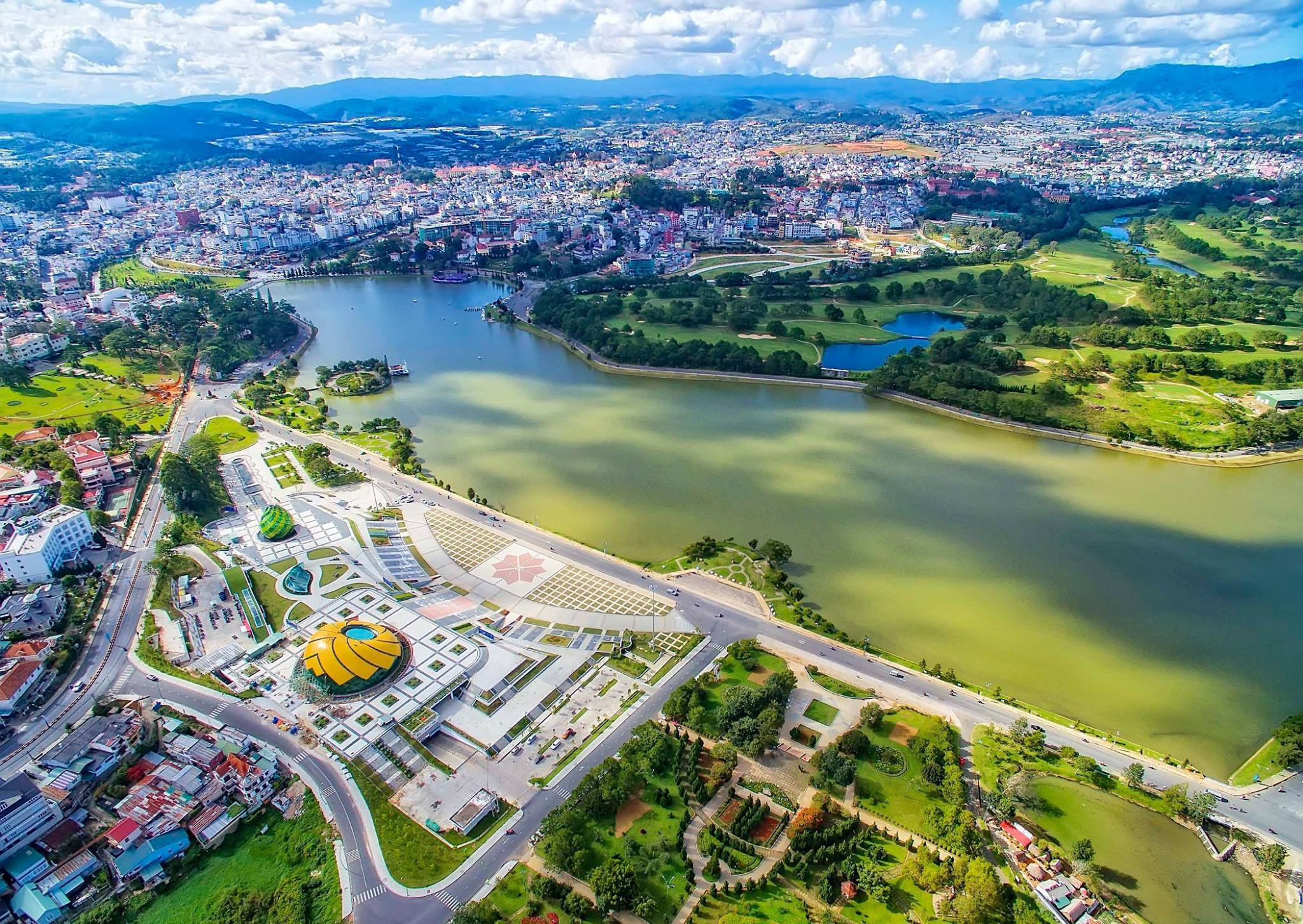
Lam Dong Unlocks Its Potential for Sustainable Growth
A strong country is measured not only by its rate of economic growth. Its strength also lies in the quality of life of its people, its ability to create jobs and opportunities for advancement, the quality of its education, healthcare and infrastructure, and the people’s confidence in the future. Ultimately, the meaning of independence must be reflected in the lives of every citizen.
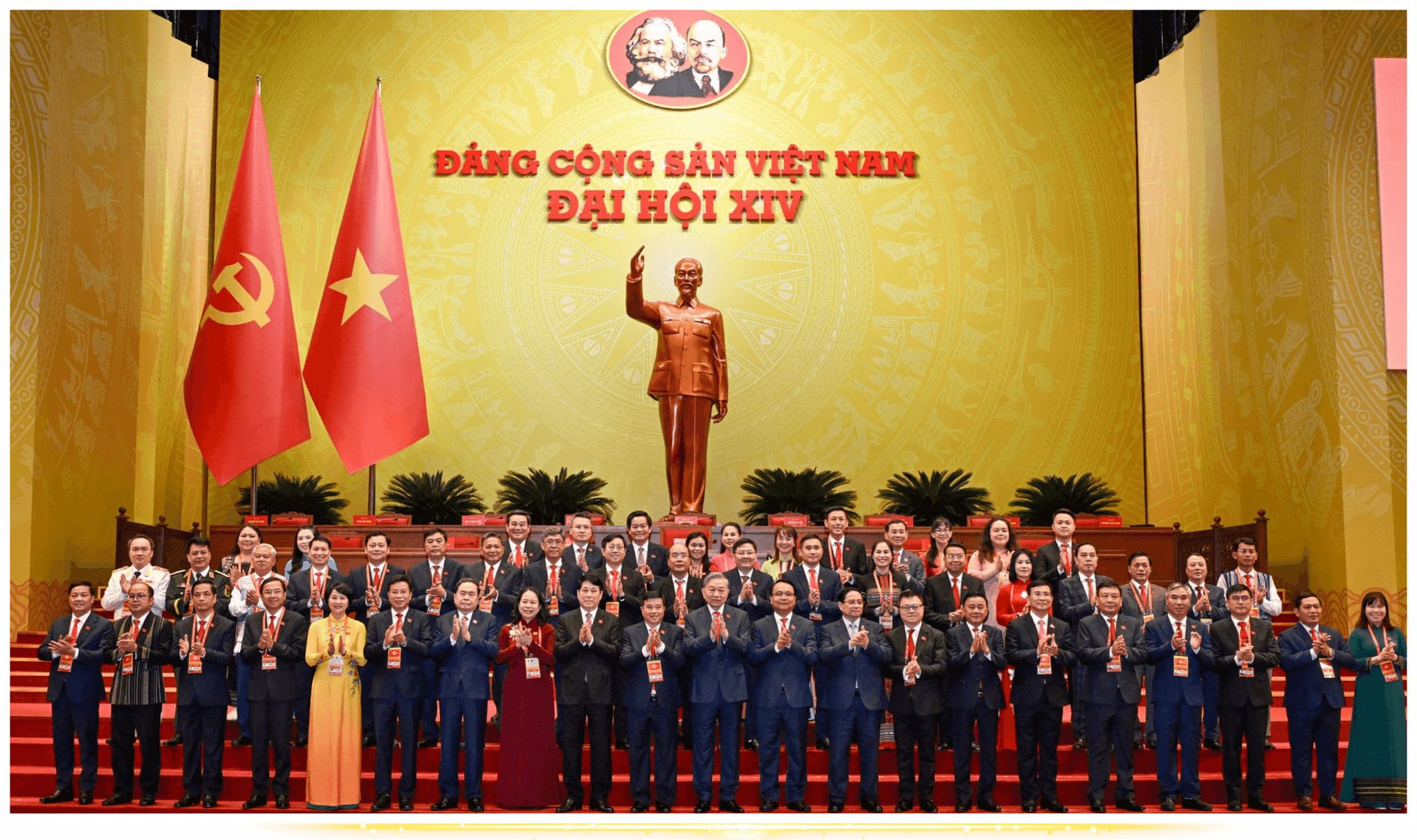
Against the backdrop of the country’s broader development, Lam Dong is entering a new phase with significant opportunities. The Resolution of the first Lam Dong Provincial Party Congress for the 2025–2030 term sets the goal of making Lam Dong a relatively developed province by 2030 and one of the region’s dynamic growth poles in the nation’s new era of development.
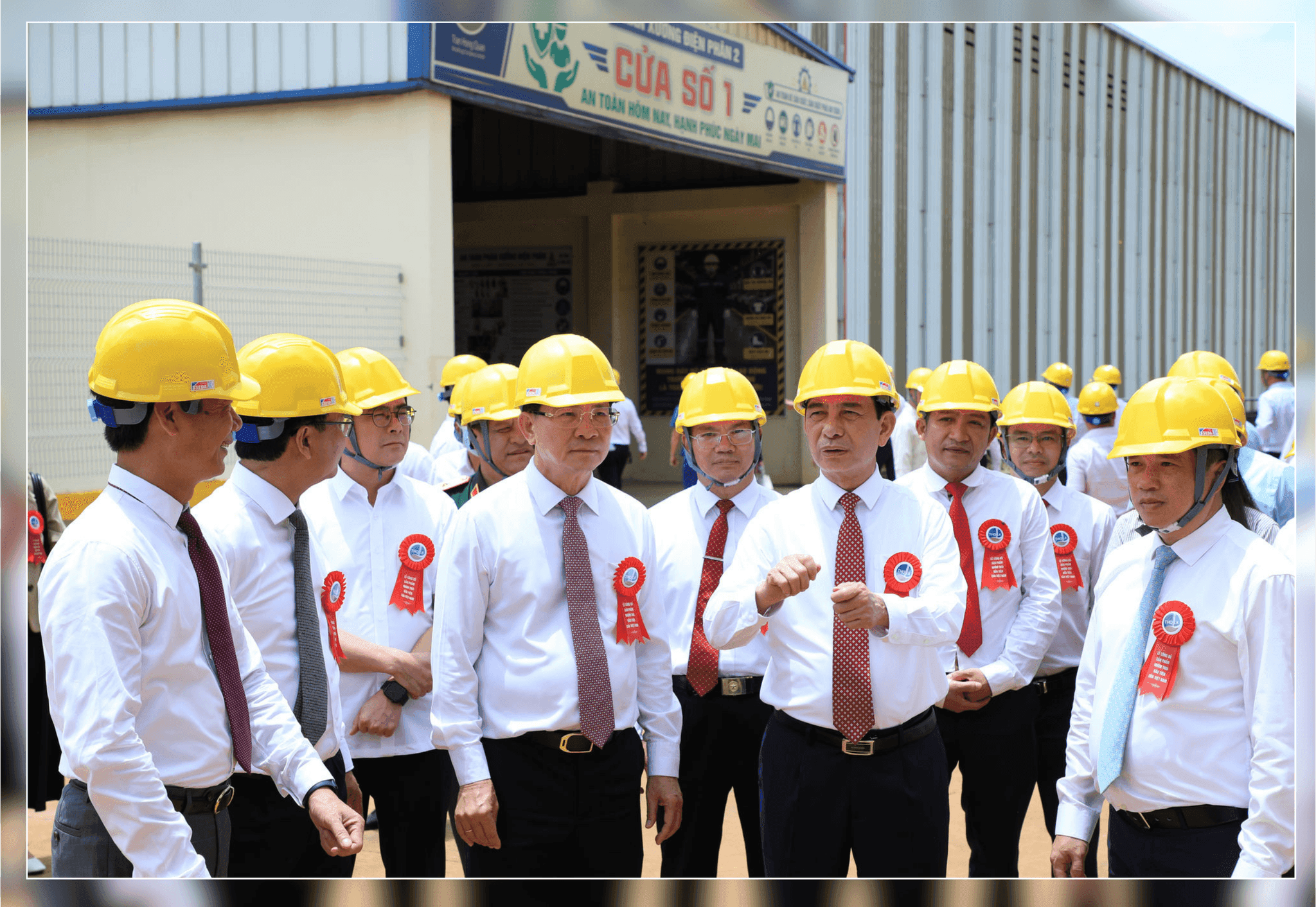
That goal requires a new perspective on the province’s own strengths. Agriculture must go beyond production to focus on value, branding, technology and supply chains. Tourism must move beyond reliance on natural landscapes to develop competitive products and experiences. Industry should focus on deep processing, technology and the efficient use of resources. Infrastructure needs coordinated investment to expand development space and strengthen links among economic regions. At the same time, digital transformation, science and technology, and innovation must become key drivers of higher productivity and competitiveness.
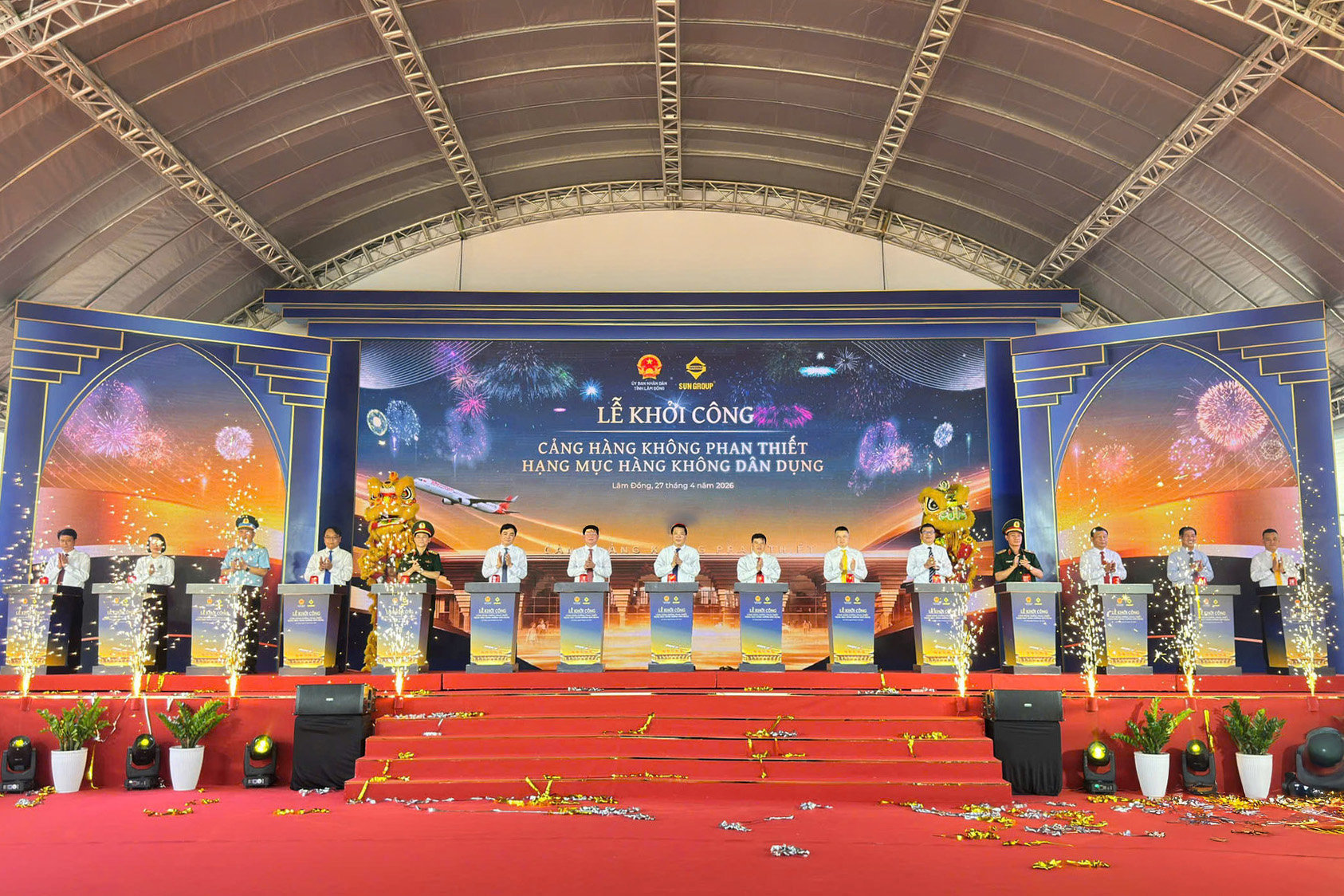
For these advantages to truly become drivers of development, Lam Dong needs to continue removing bottlenecks, unlocking resources and creating a more favorable environment for people and businesses. With smoother administrative procedures, better infrastructure and more opportunities for capable people to contribute, the province’s potential will have greater scope to be transformed into tangible value.
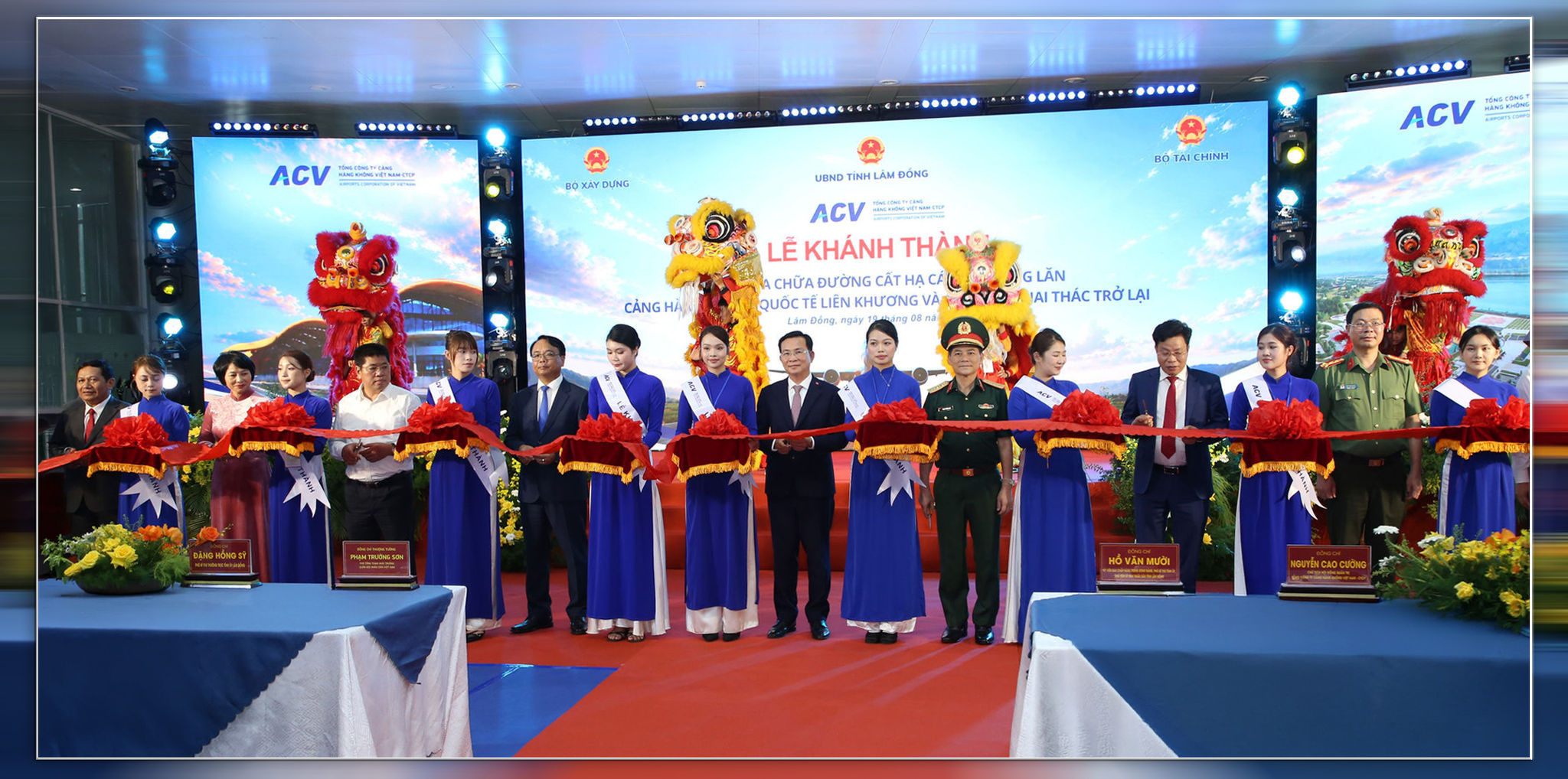
Behind all these resources are people: dedicated and responsible officials; ambitious businesses; farmers who proactively adopt technology; young people bold enough to start their own ventures; and scientists who put knowledge into practice.
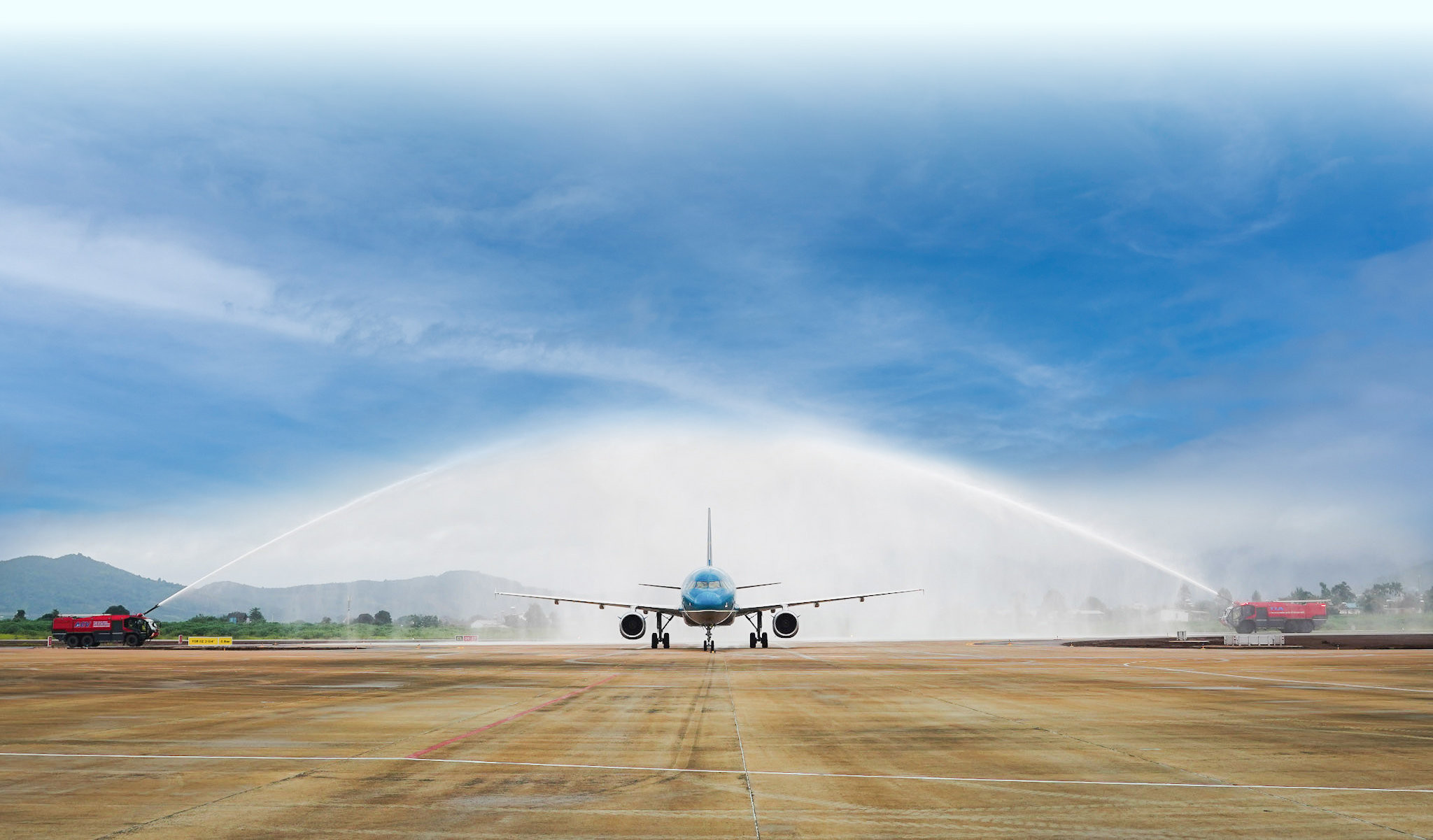
When its advantages are fully tapped, resources unlocked and people given opportunities, Lam Dong will have a stronger foundation to embark on a new stage of development. Every step forward by the province will also contribute to the country’s overall strength.
On September 2, 1945, the Vietnamese nation took control of its own destiny. Eighty-one years later, our responsibility is to make the country stronger, improve the lives of the people, and build the future through our own strength. Safeguarding independence today, ultimately, means continuously making the country stronger.