


A Community Tourism Village Takes Shape Along the Da Nhim River
Along the peaceful Da Nhim River, Quang Lap is a tranquil rural area known for traditional homes, fertile fields, and the rich cultural heritage of the Churu people. Building on these unique strengths, local residents are turning their long-held dream of developing a community-based tourism village into reality.
Preserving Cultural Heritage as a Foundation for Tourism
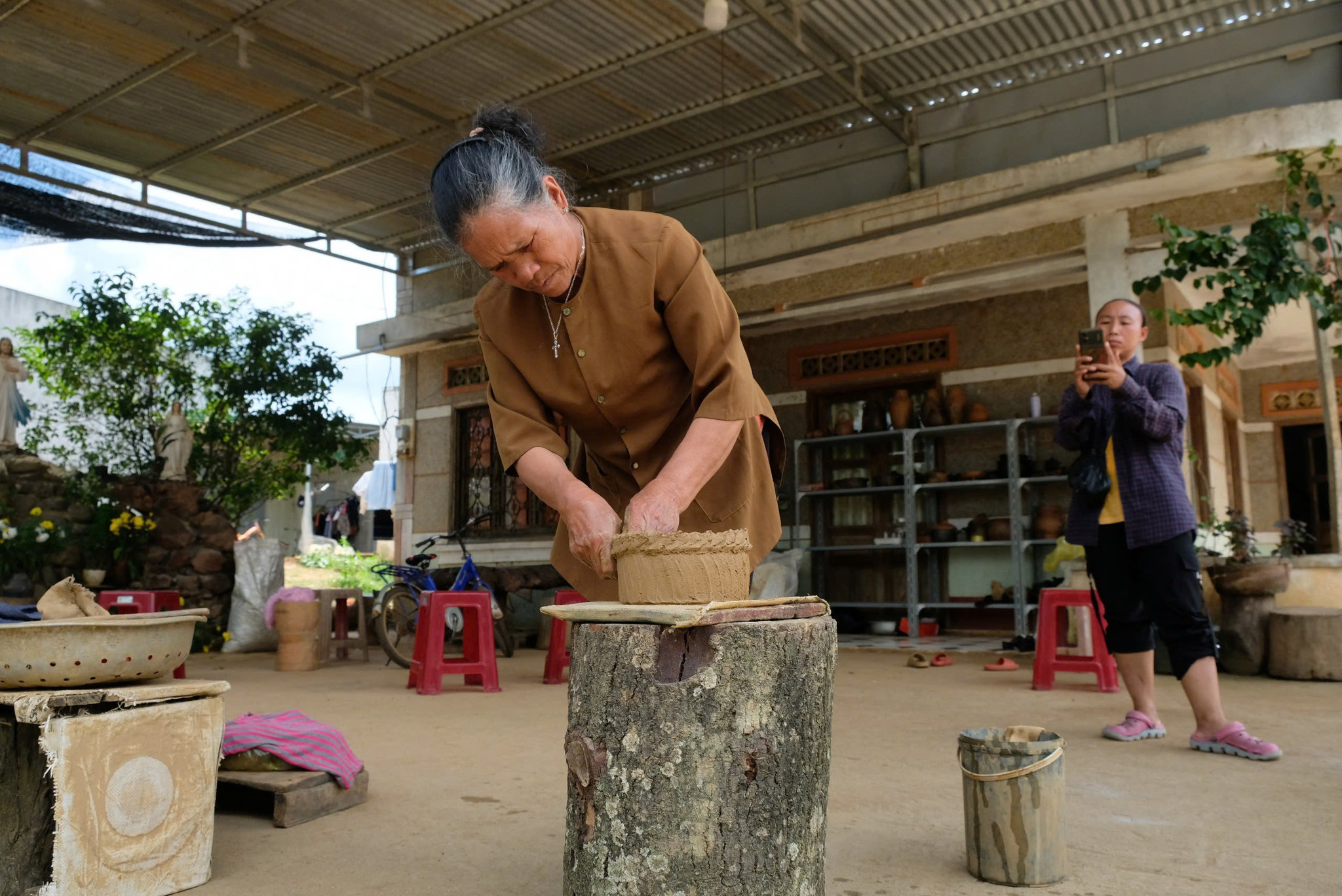
In her modest home in K’rang Go Hamlet, 70-year-old artisan Ma Ly continues to dedicate herself to preserving traditional Churu pottery. Using simple clay and skilled hands, she creates earthenware pots, jars, ceramic vessels, and handcrafted souvenirs entirely by traditional methods. In recent years, she has also welcomed visitors to experience and learn about the centuries-old craft.
What concerns Ma Ly most is the gradual decline of traditional Churu pottery as modern lifestyles change and fewer young people choose to follow the profession.
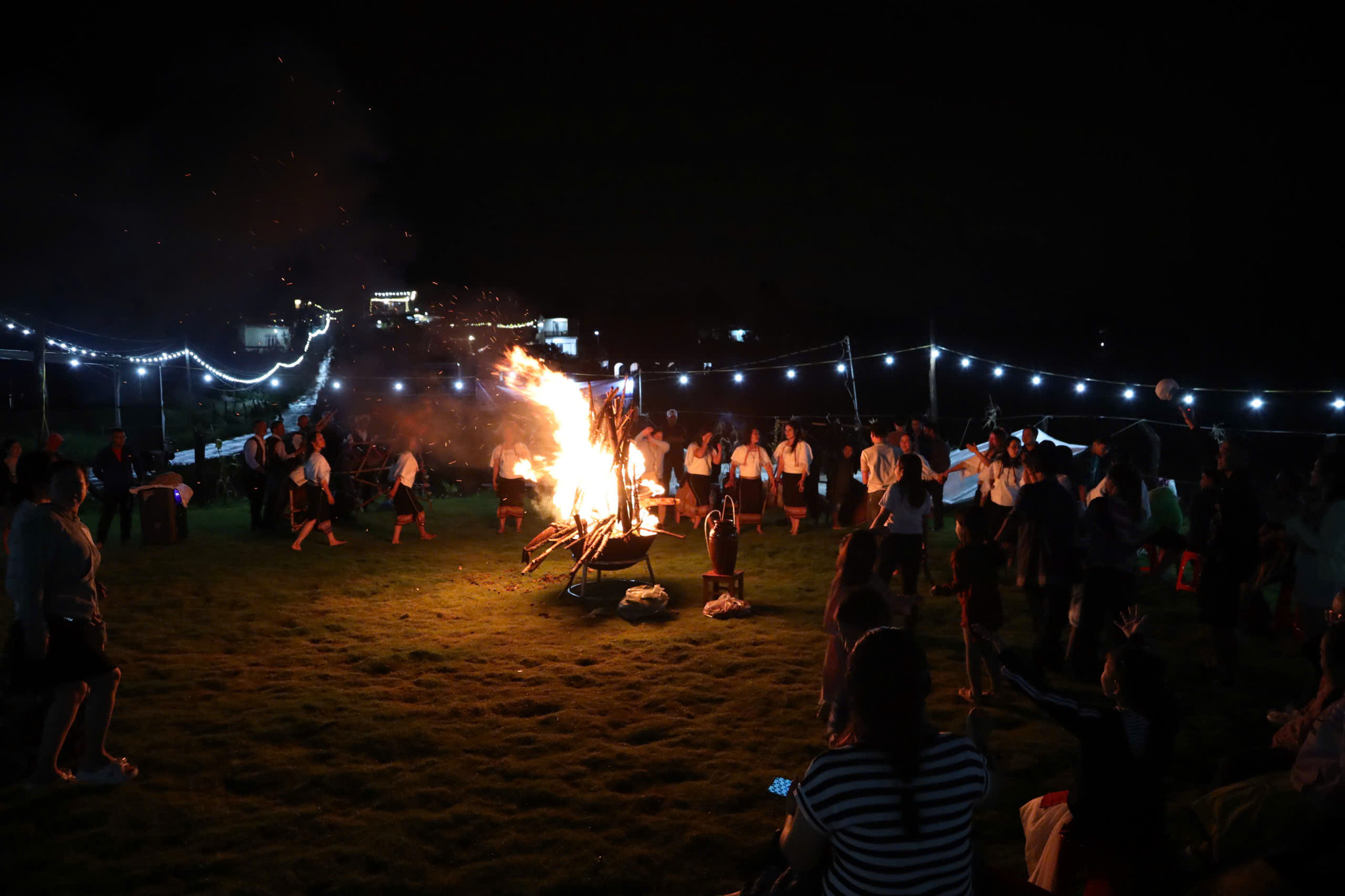
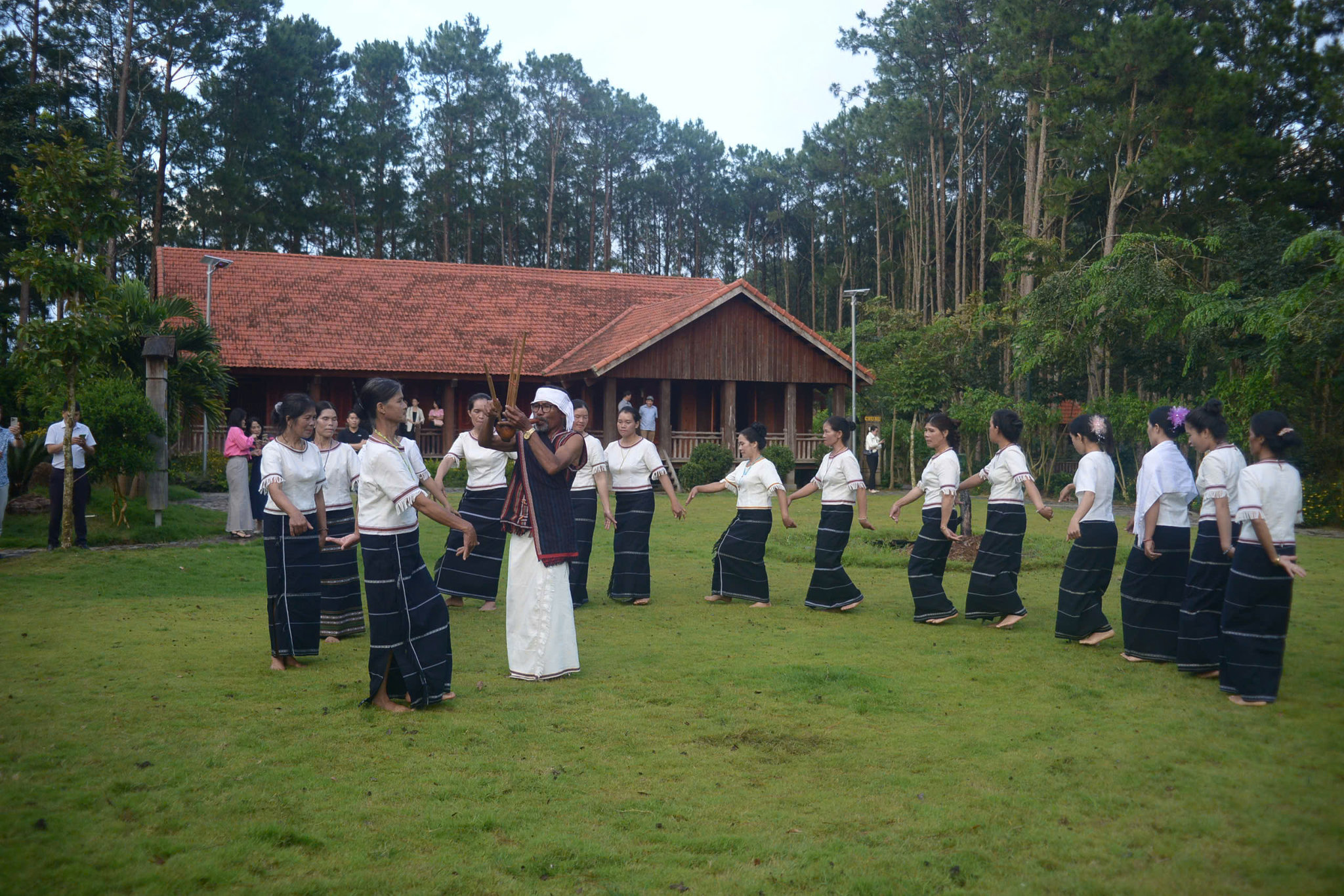
Beyond pottery, many traditional cultural values continue to thrive through festivals, gong performances, local cuisine, and community activities. One of the most important places preserving these traditions is the Churu Cultural Village in Dong Ho Hamlet.
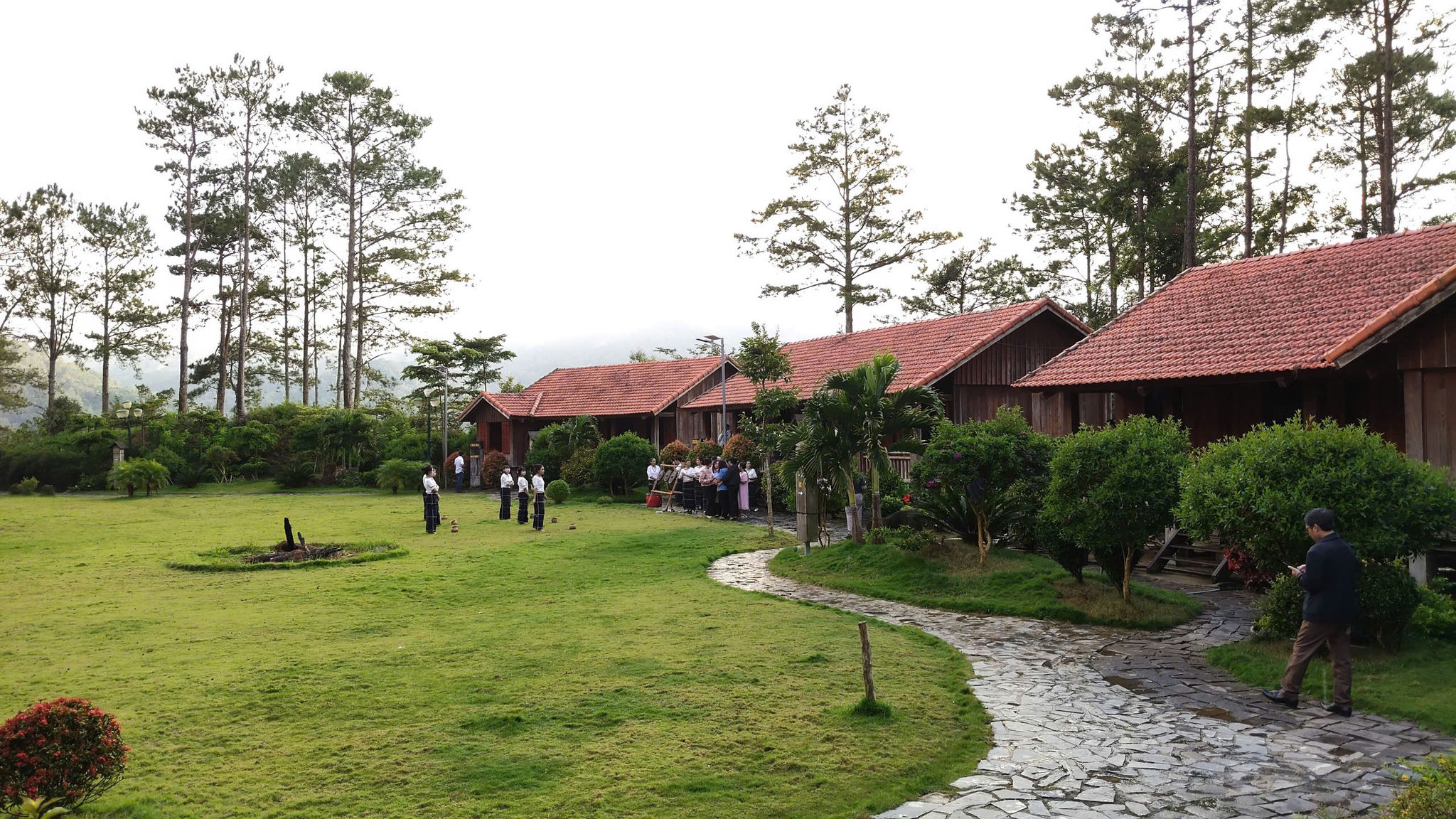
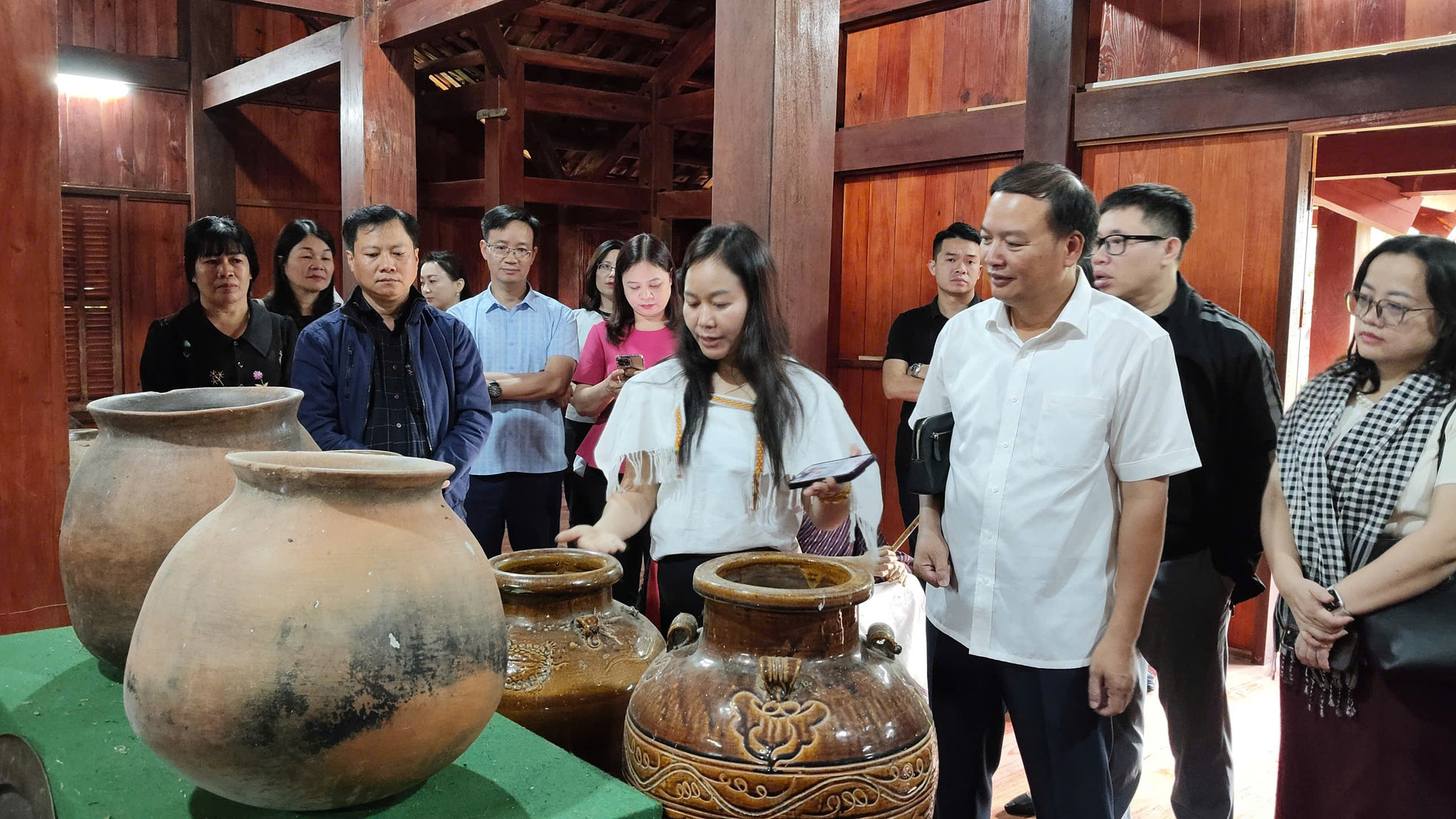
Located on a pine-covered hill overlooking the vast P’ro Lake, the cultural village showcases numerous artifacts and cultural spaces representing Churu heritage. It also serves as a venue for local cultural festivals, traditional performances, and ethnic cultural events.
The combination of indigenous culture, traditional crafts, local cuisine, and community life has created a distinctive identity for Quang Lap, providing a valuable foundation for community tourism development.
What makes these cultural assets especially meaningful is that they remain an active part of everyday life. Visitors to Quang Lap do more than simply observe—they can directly engage with local people who continue to preserve and practice these traditions.
Bringing Visitors Closer to Rural Life
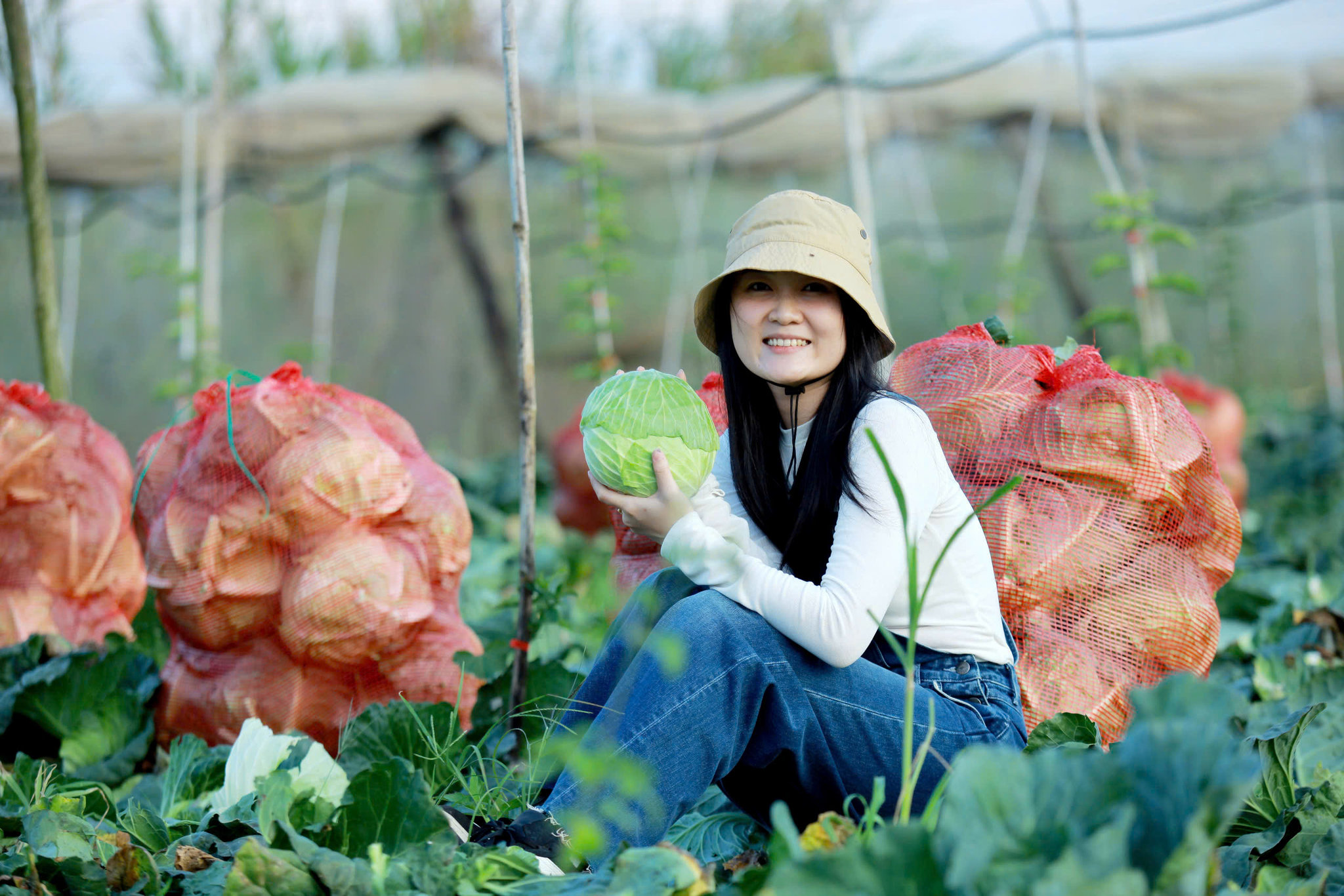
Quang Lap has long been known for its thriving vegetable farms, fruit orchards, dairy farming, and high-tech agricultural production. These resources are now helping shape experiential tourism products closely connected to local livelihoods.
At Quang Loi Hamlet, Avocado Farm, a three-star agricultural tourism destination is being developed around the concept of “live together, work together, and eat together.” According to farm owner Phan Thanh Nhan, visitors are encouraged to participate in daily farming activities, harvest crops, learn cultivation techniques, experience life on the farm, and enjoy local products.
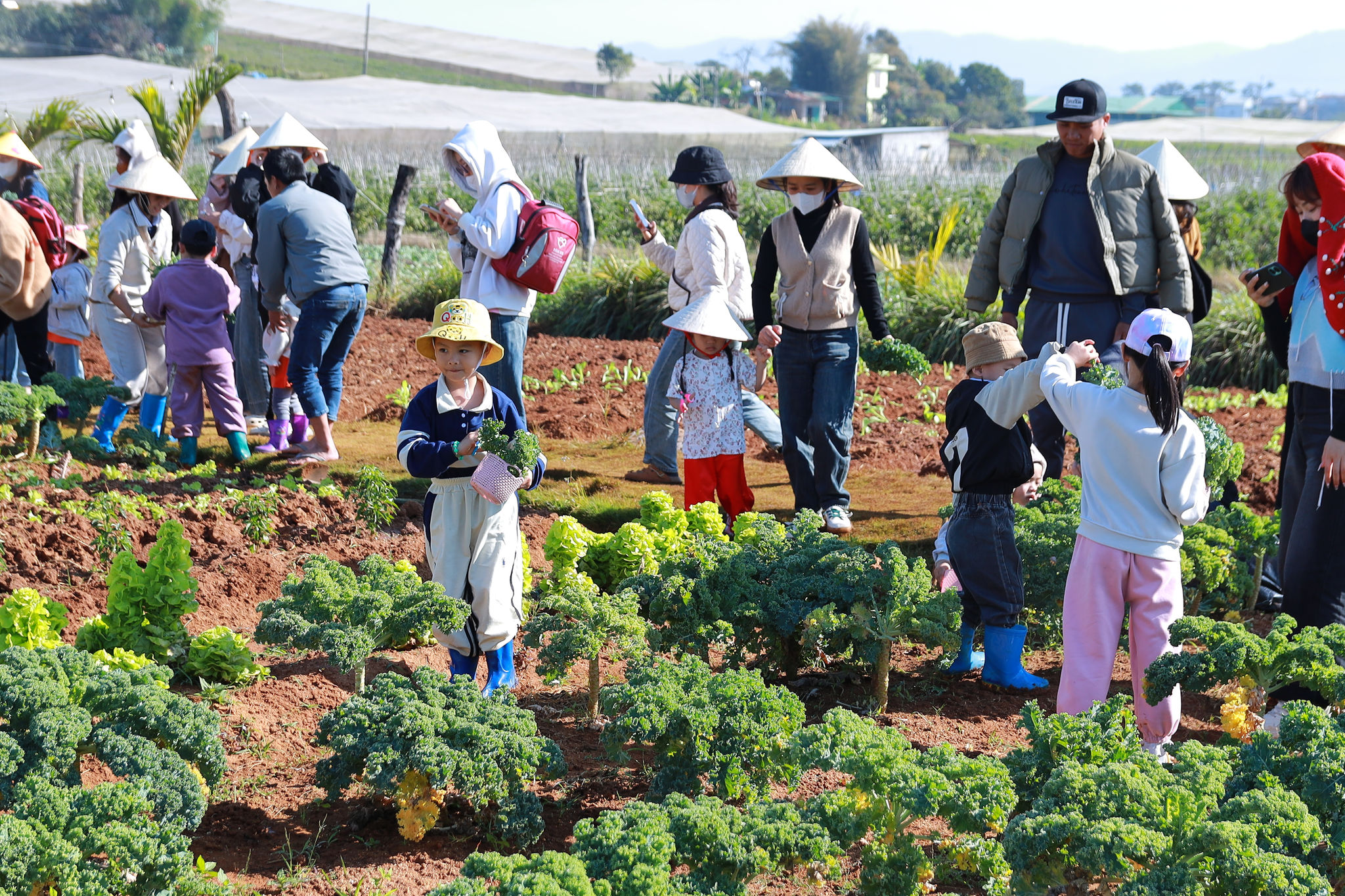
This model has also created new opportunities for local households to become involved in tourism services. Minh Hieu’s family, traditionally engaged in dairy farming, fruit cultivation, and dairy processing, now welcomes visitors interested in experiencing agricultural life firsthand.
According to Hieu, families—especially children—are fascinated by opportunities to learn about rural life, experiences that are increasingly difficult to find in urban environments.
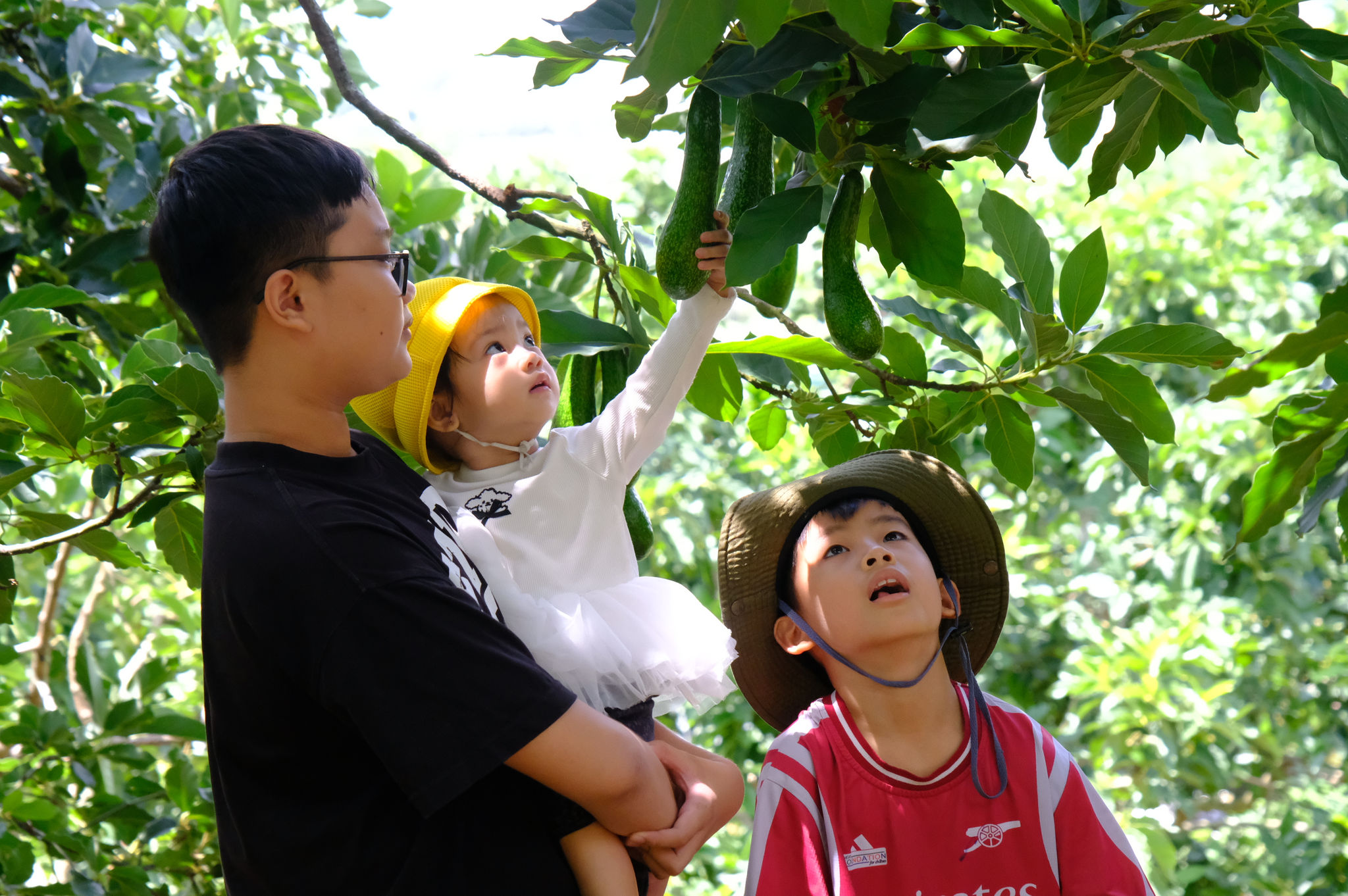
Nguyen Manh Dai, a visitor from Ho Chi Minh City, said what impressed him most about Quang Lap was not only its rural scenery but also the close connection between agriculture, culture, and community life. His children particularly enjoyed experiencing the daily work of farmers and learning how food is produced.
“These are valuable real-life lessons that children can benefit from during their summer holidays,” he shared.
Toward a Sustainable Community Tourism Destination
Although challenges remain in infrastructure, human resources, and destination promotion, Quang Lap possesses significant advantages for community tourism development thanks to its cultural heritage, natural landscape, and strong community participation.
These strengths have positioned the locality as a promising model for sustainable tourism development.
In recognition of its potential, the Lam Dong Department of Culture, Sports and Tourism has recently nominated Quang Lap Community Tourism Village for the “Best Tourism Villages” award organized by the United Nations Tourism.
To date, five Vietnamese villages have been recognized under this prestigious global initiative, which honors rural communities that successfully develop tourism while preserving cultural heritage, protecting the environment, and improving local livelihoods.