


A foundation for the harmonious development of the Di Linh Plateau
Located at an altitude of around 1,000 meters above sea level, the Di Linh Plateau possesses some of the most distinctive natural and cultural resources in the southern Central Highlands. Its mild climate, majestic landscapes, and rich cultural and historical depth have created a unique identity that sets this land apart. These foundations are opening a new development direction for the plateau: modern yet sustainable, innovative while preserving its identity.
From natural beauty
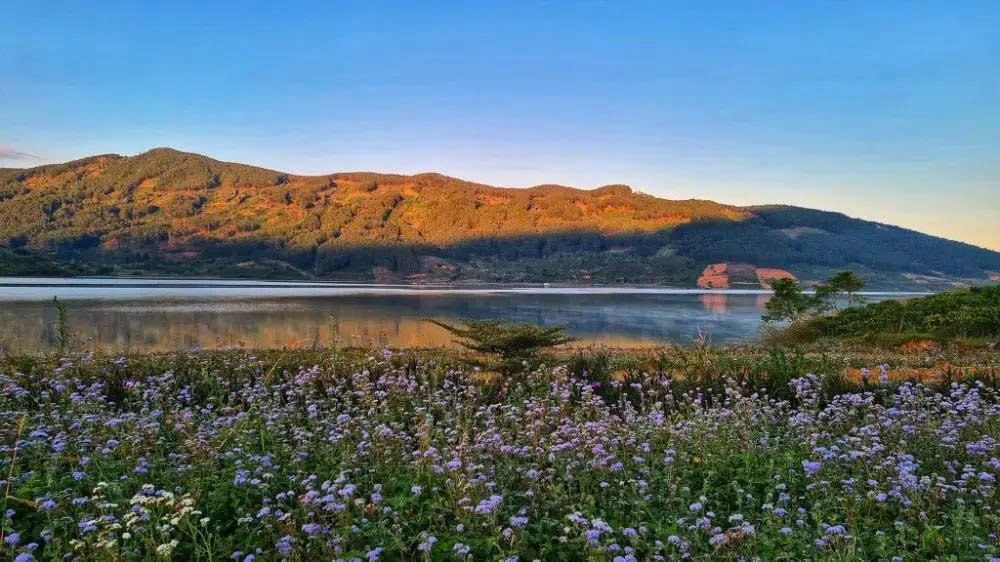
The Di Linh Plateau is a fertile basalt land blessed with an average annual temperature of about 22.2°C, high humidity, and annual rainfall exceeding 3,100 mm. Its year-round green ecological space, abundant land resources, forests, and water surfaces form a diverse ecosystem with great potential.
Di Linh’s forests boast a high coverage rate, forming an impressive landscape corridor of forests, mountains, rivers, and lakes. Its abundant water resources feature Ka La Lake spanning over 300 hectares, along with Tay, Dong, Thanh Bach, Lien Hoan, Nhat, and 1019 lakes. The area is also nourished by major waterways such as the Dong Nai, Nhum, and Dariam rivers, as well as key hydropower facilities including Dong Nai 2, Dong Nai 3, Ham Thuan-Da Mi, and Dak Lou Kia. Together, these elements shape a thriving aquatic network with considerable potential for eco-tourism, resort development, and outdoor recreational activities.
A highlight of the plateau is Brah Yang Peak, nearly 2,000 meters high and regarded as the “roof” of the region. Surrounded by primary forests and spectacular waterfalls such as Bobla, Liliang, Bay Tang, Tul, and Phu Xuan, the landscape blends green mountains, clear waters, cascading falls, and tranquil lakes into a poetic yet majestic natural painting.
Beyond ecological resources, Di Linh is also a thriving agricultural region with about 47,000 hectares of production land, nearly 45,000 hectares of which are devoted to coffee cultivation. Vast coffee hills interwoven with rice fields, upland farms, and ethnic villages create a distinctive agricultural landscape rich in potential for experiential tourism and sustainable agricultural development.
To cultural depth and identity
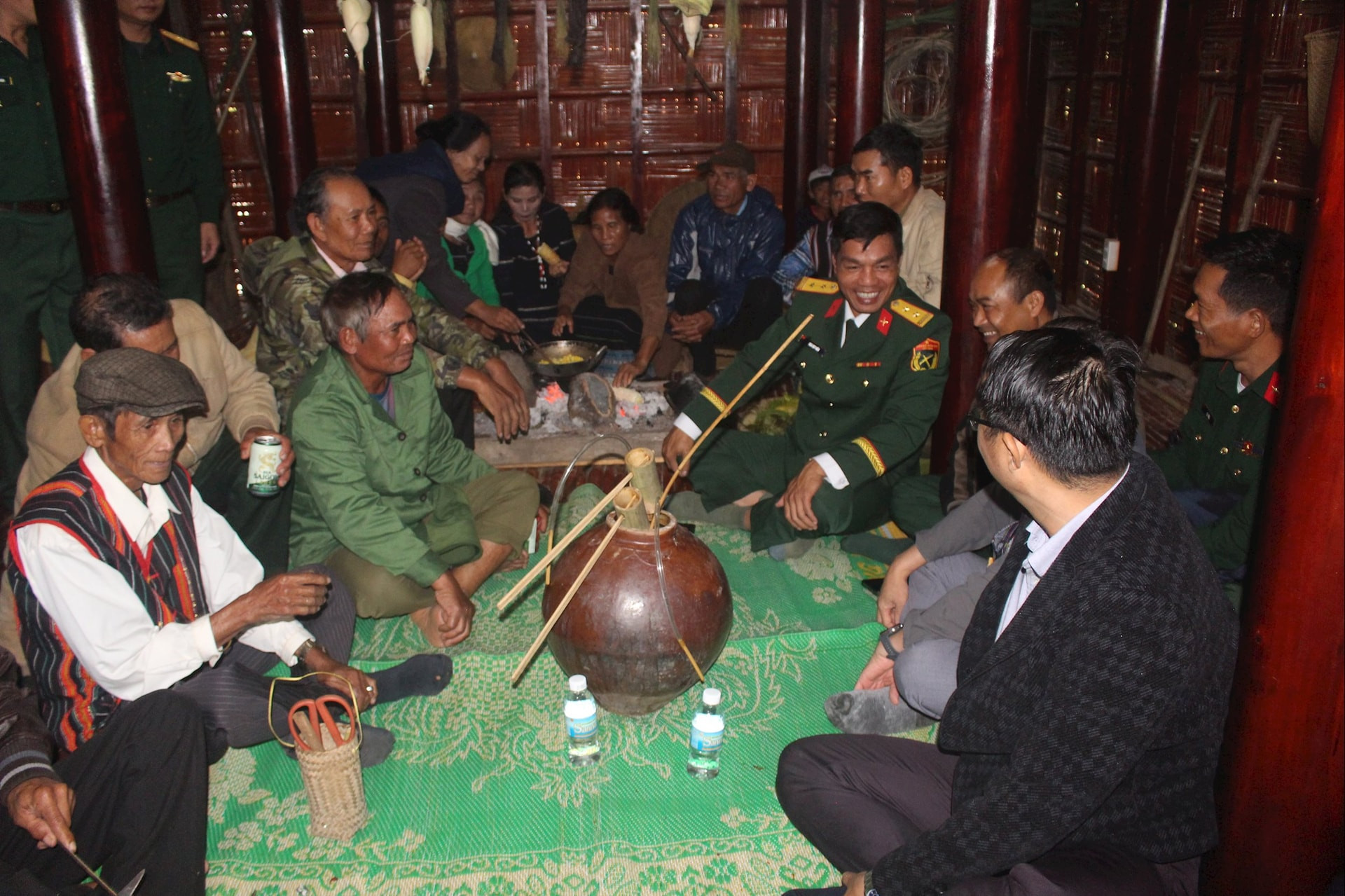
Behind its natural beauty lies a Di Linh rich in cultural identity and historical depth. Nearly 200,000 residents from 28 ethnic groups live here, with ethnic minorities accounting for about 42% of the population. This diversity forms a vibrant cultural space while preserving the core values of the indigenous K'Ho people.
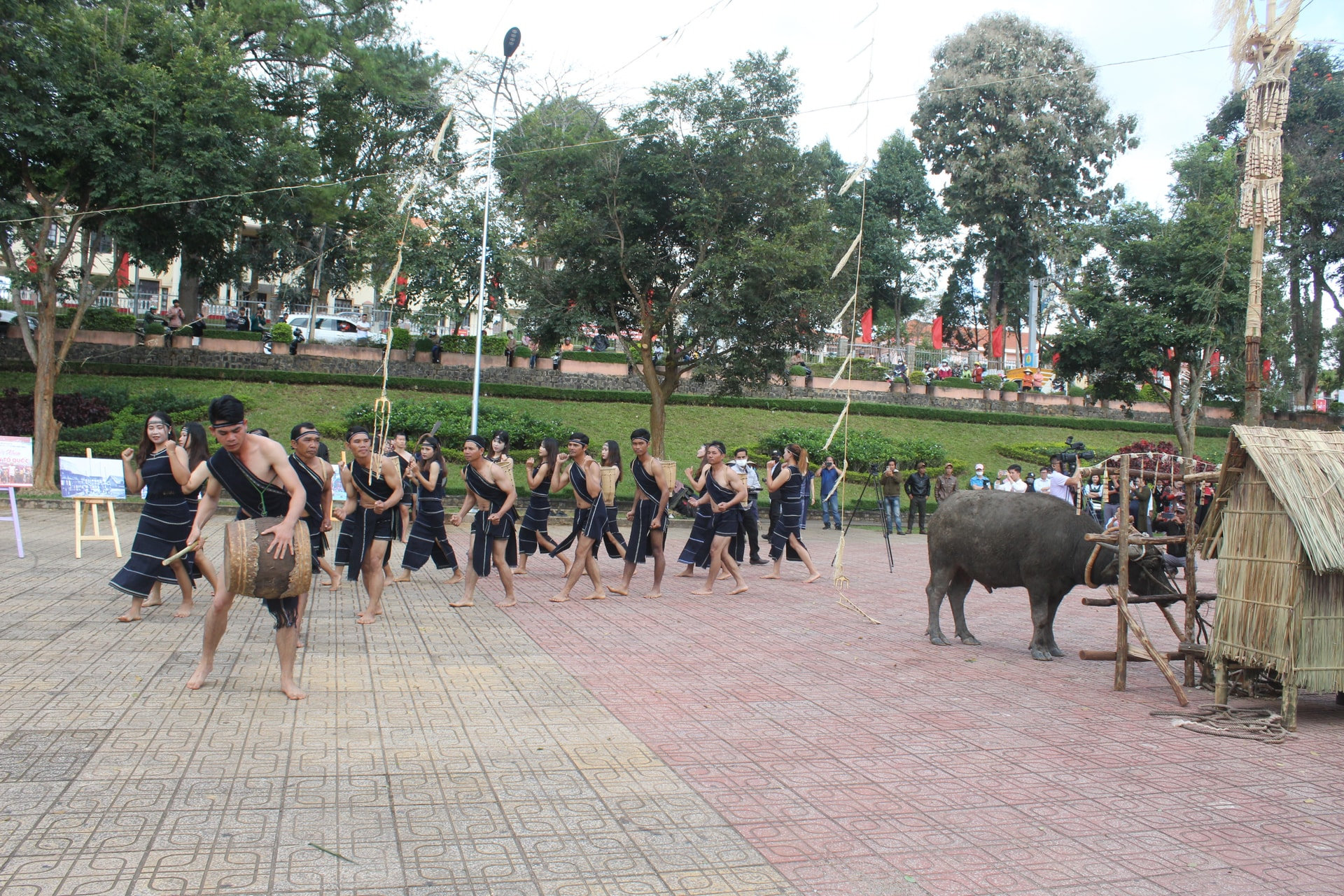
Archaeological discoveries at the Dong Do site (Bao Thuan Commune), including ancient jar burials, indicate early human presence in the area. Among the K’Ho community, the K’Ho Sre group (“Sre” meaning “paddy field”) are long-settled inhabitants of the plateau. They developed wet-rice cultivation and established fertile fields in Gung Re and Bao Thuan. Unlike the nomadic shifting cultivation practiced by some other groups, the K’Ho Sre formed a stable agricultural culture early on, leaving a profound mark on social structures and spiritual life.
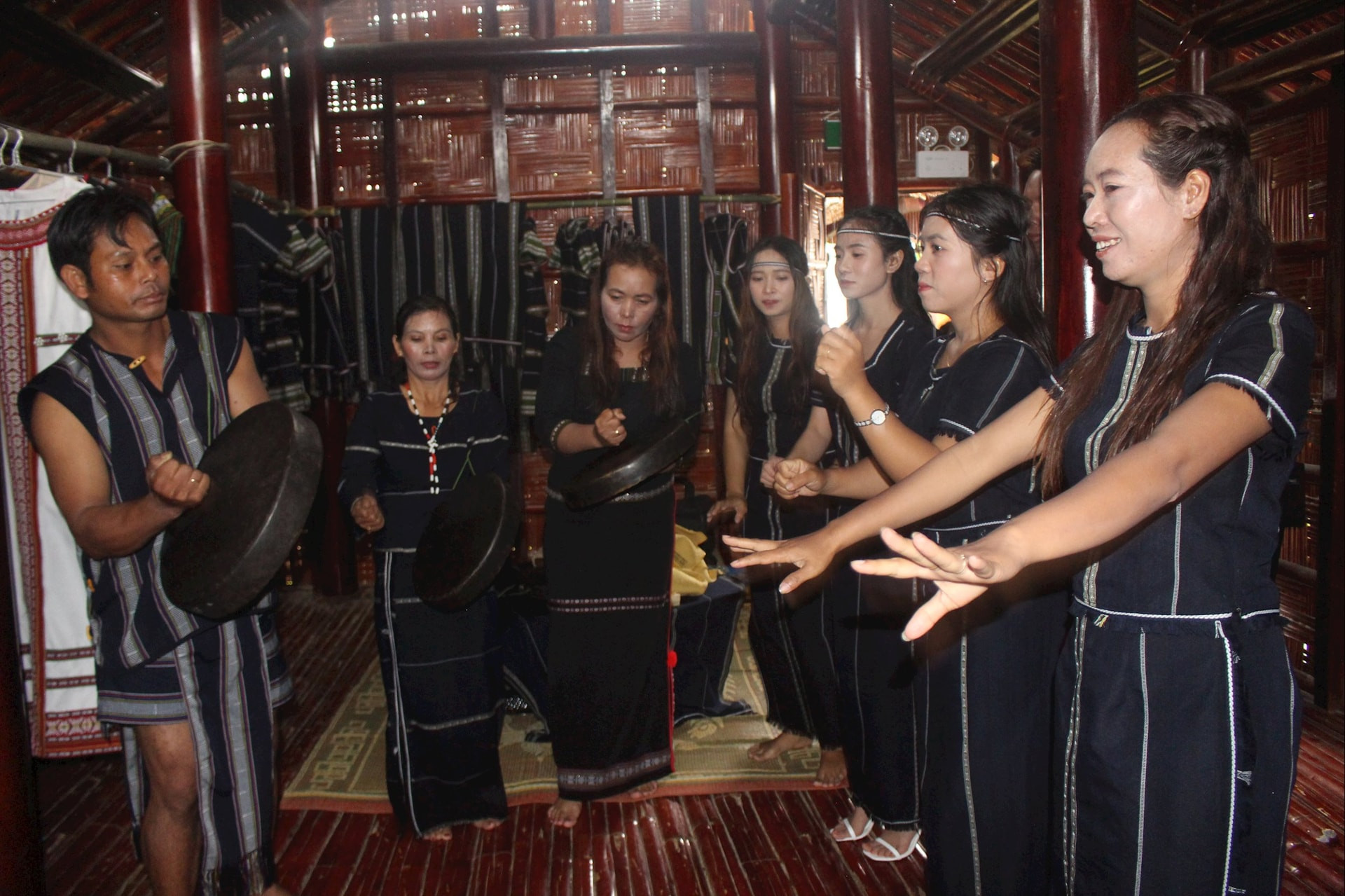
The plateau is also one of the most vibrant spaces of the Central Highlands gong culture. The gongs of the K’Ho people here retain their original tonal beauty. Each resonating sound conveys communal messages - joy, sorrow, celebrations, or funerals. Gongs are not merely musical instruments; they are a spiritual language connecting people with their ancestors, the forests, and one another.
More than a century ago, the Mo Ko uprising led by the “Queen of the Green Forest” saw the K’Ho people rise against French colonial forces, shaking the southern Central Highlands.
In 1899, the French selected Di Linh as the capital of Dong Nai Thuong Province, introduced coffee cultivation to the red basalt soil, and developed early transportation infrastructure. National Highway 28 once connected Sai Gon and Da Lat through Tanh Linh forest and Gia Bac Pass; Bao Loc Pass was only constructed in 1973. The former Provincial Governor’s Palace of Dong Nai Thuong, which has stood for over a century, remains evidence of Di Linh’s historical and administrative centrality in the formation of today’s Lam Dong Province.
Future orientation
Its natural beauty and cultural depth form the foundation for a humane and modern Di Linh in the future. Under the new development strategy, the Di Linh Plateau is envisioned as a “connecting nucleus” linking economic sub-regions from the Central Highlands to the South Central Coast. Beyond eco-cultural tourism, Di Linh aims to become a center for identity-based tourism, ecological development, high-tech agriculture, and ultimately a knowledge-based highland of Vietnam.
According to expert Bui Kien Thanh, the plateau’s greatest advantages are its year-round cool climate and favorable geo-economic position. In the 21st century’s race for intellectual capital, Di Linh could develop a “Silicon Highland” model - an integrated ecosystem of education, research, and high-tech enterprises. By leveraging natural conditions for data centers, AI, and R&D, the region could establish a sustainable, low-cost technological foundation competitive at the regional level.
Experts emphasize a distinctive approach: alongside technology, high-tech agriculture must remain the plateau’s core identity. Digital infrastructure and computing should directly support high-tech farming, deep processing industries, and region-wide digital governance. Establishing data and AI centers serving agriculture, standardizing processes, and upgrading value chains will lay the groundwork for a knowledge city. Smart, innovative urban planning - with synchronized digital infrastructure, logistics systems, and living spaces designed from the outset - is essential to realizing this vision.
Development without losing identity is the core principle of the Di Linh Plateau. Rather than pursuing rapid, large-scale expansion, it prioritizes specialization, quality, and sustainability. As K’Ho gongs resonate alongside modern data centers, high-tech agriculture runs on green computing, and visitors embrace a slower pace within a knowledge ecosystem, Di Linh will evolve from a destination into a model that harmonizes nature, culture, and technology in the digital age.