


A logistics solution for Lam Dong agricultural exports
For Lam Dong durian, dragon fruit and passion fruit to reach markets beyond the border, traditional trading experience alone is no longer enough. What is needed is modern logistics, transparent quality standards and a coordinated, resilient regional supply chain.
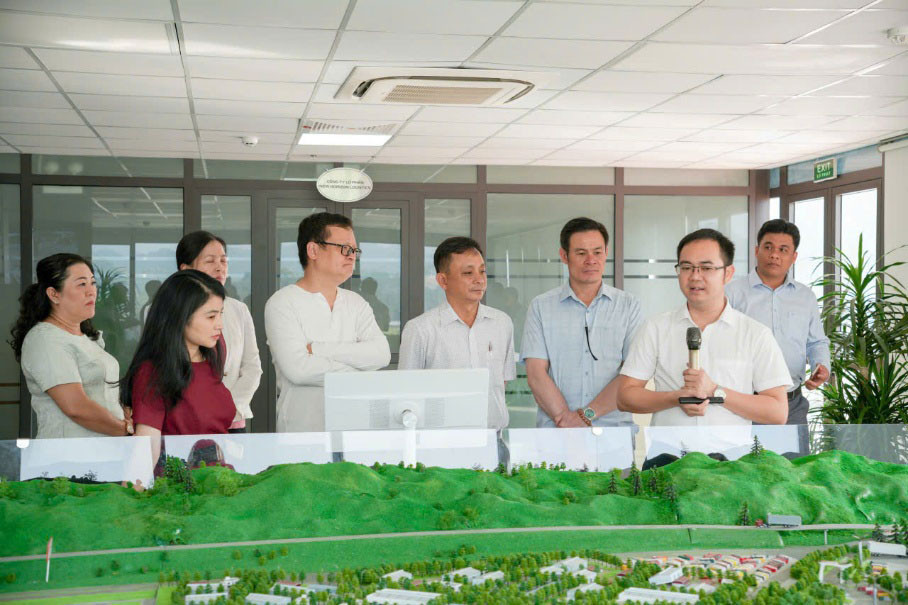
Seamless infrastructure, standardized agricultural products from the source
In early October 2026, a delegation from the Lam Dong Department of Agriculture and Environment, together with exporters of the province's key agricultural products, conducted a field survey and working visit in Lang Son Province. Moving beyond conference-room discussions, the delegation went directly to logistics centers worth trillions of dong and observed customs clearance operations at Tan Thanh and Huu Nghi border gates.
Lang Son has long been a major import-export gateway in northern Vietnam, through which many of Lam Dong's key agricultural products, including durian, passion fruit and dragon fruit, reach the Chinese market. Yet a persistent challenge for fresh produce remains: transporting goods thousands of kilometers from the highlands to the border carries risks of quality deterioration, quarantine delays, or shipments being turned back because of discrepancies in documentation or production-area codes.
Field surveys at Viettel Lang Son Logistics Park, a 144-hectare smart logistics complex capable of handling 1,500 trucks a day, and Huu Nghi Xuan Cuong Logistics Center, covering 146 hectares with the capacity to clear 2,000 trucks, revealed a completely different picture of today's border infrastructure. Border gates are no longer passive cargo yards but increasingly integrate digital twins, deep-freeze storage systems, automated customs procedures and continuously operated digital border-gate platforms.
Representatives of logistics companies emphasized that border infrastructure is now capable of meeting demand, while the biggest bottleneck lies in preparation at the source. Agricultural products can only clear customs rapidly when food safety requirements, packing facility codes and traceability labels are fully standardized and accompanying documents are consistent with actual shipments.
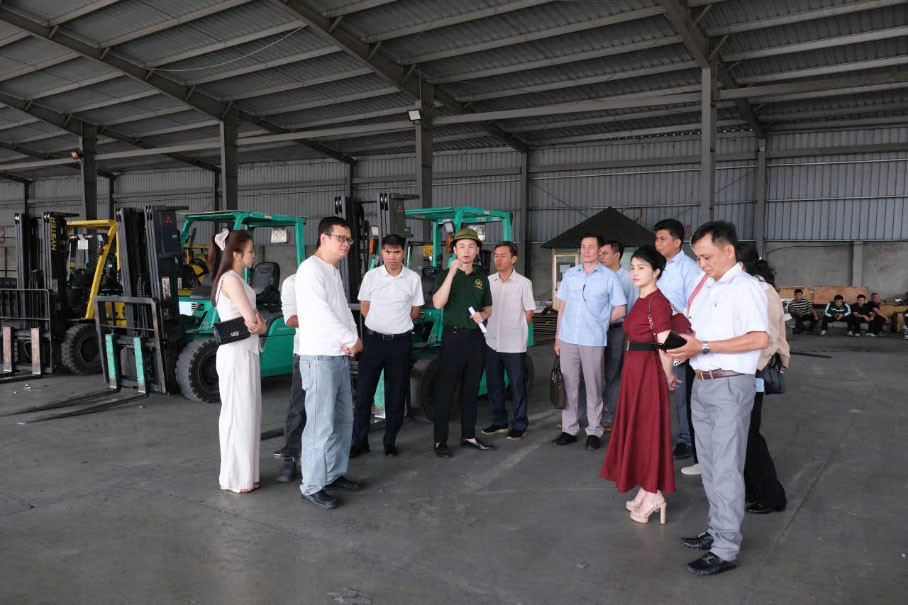
Taking control from production areas to border gates
Lang Son's experience in attracting investment in preliminary processing, deep processing and OCOP product development offers Lam Dong a more fundamental solution. On-site processing not only increases added value but also provides an effective buffer when fresh agricultural exports peak during harvest seasons or face unexpected disruptions at the border.
According to Vu Dinh Cuong, Deputy Director of the Lam Dong Department of Agriculture and Environment, to strengthen the position and expand the market share of Lam Dong agricultural products in China's billion-consumer market through Lang Son and other northern border provinces such as Lao Cai, Quang Ninh and Cao Bang, the province plans to establish a real-time information-sharing mechanism. This will provide updates on customs clearance, China's cargo receiving schedules and timely technical warnings.
At the same time, agricultural exporters and cooperatives in the province need to focus on four key measures.
First, businesses and cooperatives must strictly control growing-area codes, packing procedures and the surface hygiene of agricultural products, particularly durian, before quarantine inspection. Customs documents and actual shipments must match exactly to enable clearance during optimal time windows.
Second, businesses should work closely with major logistics operators such as Viettel Post and Xuan Cuong to establish an uninterrupted cold-chain transport route from storage facilities in Lam Dong to bonded cold warehouses at border gates. This will help preserve the quality of fresh produce and reduce losses during transportation along the North-South economic corridor.
Third, Lam Dong businesses should be encouraged to invest in drying technology, individual quick freezing (IQF) and concentrated juice production. Processed agricultural products are not under the same pressure to clear customs within two to four hours as fresh goods and can penetrate deeper into China's inland provinces without depending entirely on seasonal conditions at border facilities.
Fourth, businesses should avoid concentrating all resources on only a few traditional border gates. Cargo should be proactively redirected through different Vietnam-China border crossings depending on the location of buyers, such as in Guangxi or Yunnan. Exporters should also sign formal trade contracts clearly specifying delivery conditions and risk insurance before shipping goods to the border.