


A New Approach to Traditional Medicine Development
The Lam Dong Provincial People’s Committee has recently issued a plan for the development of traditional medicine integrated with modern medicine for the 2026–2030 period, aiming to improve public healthcare quality while promoting the province’s distinctive strengths in traditional medicine.
Strategic Vision from the Central Government
During a recent working session with the Ministry of Health, Party General Secretary and State President To Lam emphasized the need to develop traditional medicine with new thinking, a new vision and a new approach.
According to the national orientation, traditional medicine should be inherited, standardized and developed on the foundation of modern science and technology, becoming an integral part of the national healthcare system. The focus is shifting from disease treatment toward comprehensive healthcare, while promoting the role of traditional medicine in disease prevention, rehabilitation, elderly care, chronic disease treatment and mental health support.
The combination of Eastern and Western medicine based on evidence-based medical approaches, alongside standardized training, medicinal herb development, digital transformation and strict quality control, is considered a solid foundation for the sustainable development of traditional medicine in Vietnam in general and Lam Dong in particular. This approach is expected to better serve public healthcare needs in the new development period.
Lam Dong aims to develop a comprehensive traditional medicine network from provincial to grassroots levels by 2030. Under the plan, 100% of hospitals and medical centers will have traditional medicine departments or services, while all commune-level health stations will provide traditional medicine examination and treatment services, with at least 80% staffed by doctors or practitioners specializing in traditional medicine.
The province also plans to upgrade the Traditional Medicine Hospital into a General Traditional Medicine Hospital integrated with rehabilitation services and establish a Geriatrics Department to adapt to the aging population trend.
The proportion of medical examinations and treatment combining traditional and modern medicine is targeted to reach at least 25% at the provincial level and 40% at commune level. Spending on herbal and traditional medicines is expected to account for at least 30% of total pharmaceutical expenditures, while all traditional medicine doctors will receive advanced training following evidence-based medical standards.
Building a Comprehensive Traditional Medicine Network
According to Trinh Van Quyet, Deputy Director of the provincial Department of Health, Lam Dong currently has three provincial-level specialized traditional medicine hospitals with a total of 600 beds, and all commune-level health stations have implemented traditional medicine services.
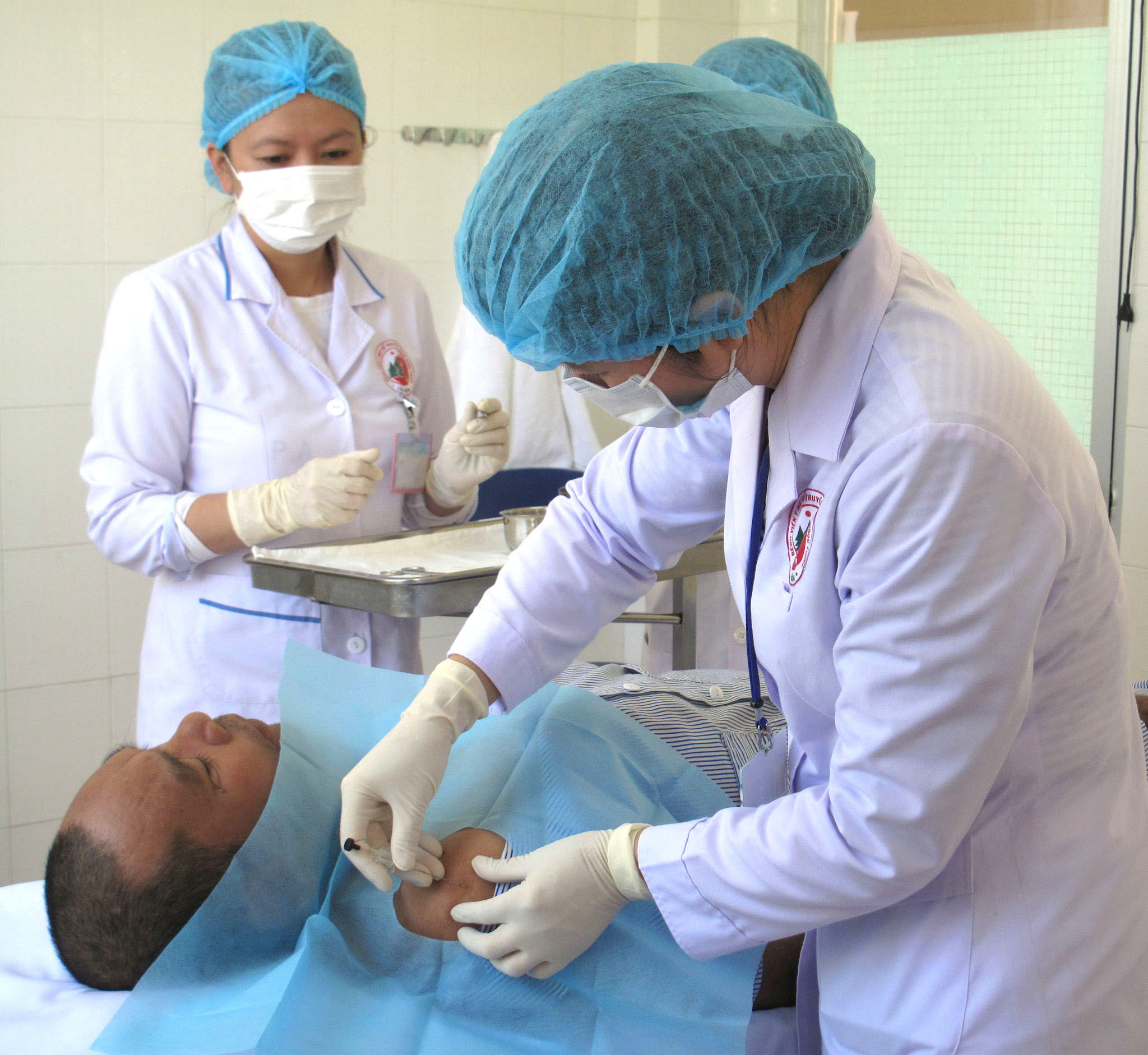
Many integrated treatment techniques combining traditional and modern medicine are now widely applied, including acupuncture, electro-acupuncture, massage therapy, acupressure, thread embedding therapy and rehabilitation treatment.
However, the sector currently has only 266 traditional medicine personnel, accounting for just 3.1% of the healthcare workforce, with most working at provincial-level facilities while grassroots-level facilities continue to face shortages.
To address these limitations, the healthcare sector is strengthening cooperation in training, scientific research and medicinal herb development to improve healthcare quality through the integration of traditional and modern medicine.
A key breakthrough for the 2026–2030 period will be linking traditional medicine with digital transformation and tourism development.
The province plans to accelerate the application of advanced pharmaceutical technologies to transform traditional remedies into modern medicinal products. A nationwide interconnected medicinal herb database system will also be established alongside remote healthcare services.
Lam Dong is also promoting medical tourism and piloting wellness tourism models associated with traditional medicine, targeting high-end visitors through healthcare packages featuring wellness therapy, acupuncture, rehabilitation and herbal cuisine.
In parallel, the province is planning medicinal herb cultivation zones and developing large-scale cultivation areas for valuable medicinal plants, including under-forest farming models combined with eco-tourism.
According to scientific surveys, Lam Dong is home to 2,291 medicinal plant species, accounting for nearly 40% of Vietnam’s total medicinal plant diversity. Among them are 55 rare species listed in Vietnam’s Red Book, many with high application potential.
The province currently has 89 OCOP products derived from medicinal herbs, and these signature products are expected to be promoted more strongly in international markets in the coming years.
The coordinated involvement of departments, agencies and sectors is expected to create a solid foundation for the sustainable development and breakthroughs of traditional medicine in Lam Dong during the new development phase.