


A strategic moment for concentrated agricultural development
Well-planned production zones and synchronized agricultural infrastructure are now seen as essential to long-term development.
Key factors for attracting investment and processing industries
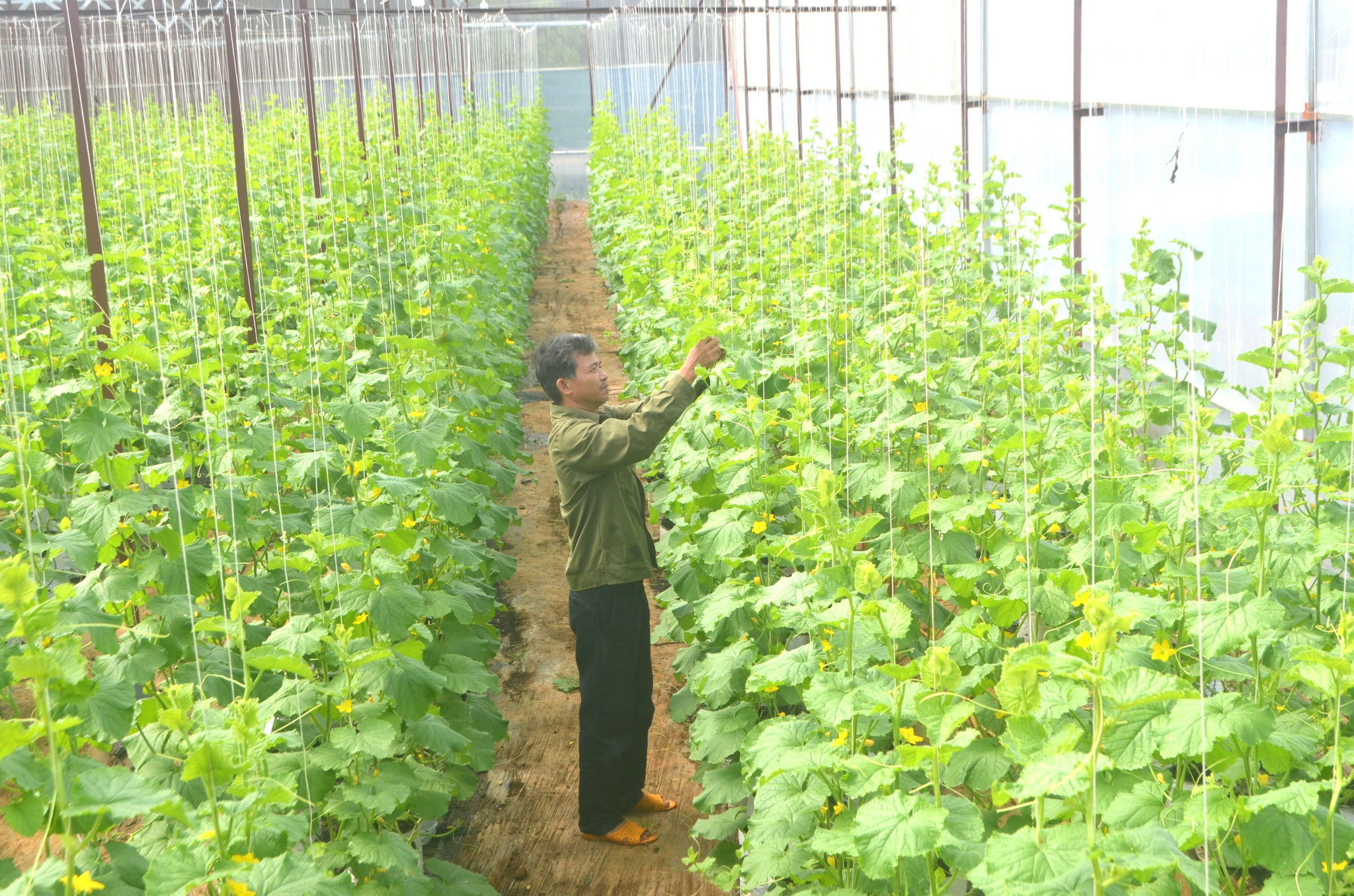
Lam Dong has long been considered Vietnam’s high-tech agriculture hub. The province has more than 1 million hectares of agricultural land, including 107,456 hectares of high-tech farming and around 1,200 hectares applying smart agriculture technologies.
However, behind these achievements, many localities are facing a major challenge: how to achieve sustainable growth when production infrastructure still shows significant shortcomings.
As communes and wards across the province simultaneously prepare general construction plans, experts say planning concentrated production zones and synchronizing infrastructure become urgent priorities for long-term rural economic development.
Although Lam Dong has developed successful specialized farming areas for vegetables, flowers, coffee, pepper, and tea, much of the sector’s growth has remained fragmented, relying heavily on individual households and small businesses.
According to the director of an agricultural processing company in Dong Gia Nghia Ward, demand for products such as durian and passion fruit remains high. However, fragmented production areas, mixed cultivation, and inconsistent infrastructure continue to limit large-scale purchasing and processing activities.
Along with concentrated production planning, many farmers, cooperatives, and businesses are calling for improved field transport systems that allow large trucks to access farms directly, helping reduce logistics costs and post-harvest losses.
Doan Thanh, a farmer in Thuan Hanh Hamlet, Thuan An Commune, said his family’s coffee farm is located within a high-tech agricultural zone recognized by provincial authorities for years. However, irrigation systems have yet to meet the demands of intensive production, while electricity supplies for large-scale automated irrigation remain insufficient, especially during the dry season.
Chance to remove obstacles through planning
The mismatch between high-tech farming capacity and inadequate infrastructure has created a major obstacle, limiting the competitiveness of Lam Dong’s agricultural products and slowing the attraction of large-scale investment in deep processing industries.
As localities across Lam Dong accelerate the review and development of commune construction plans, experts consider this a crucial opportunity to reshape the province’s rural economic space. For an agriculture-driven province like Lam Dong, planning should place agricultural production and the rural economy at its core, except in areas with distinct urban characteristics.
Experts warn that without careful planning for concentrated production zones from the beginning, localities may continue falling into the trap of infrastructure development that reacts to reality rather than guides it. Once land is fragmented by residential projects or scattered infrastructure, developing agricultural logistics centers, processing factories, and standardized raw material zones could become extremely difficult and costly.
Speaking at a recent conference on agricultural trade promotion and market connectivity in Lam Dong, Phan Nguyen Hoang Tan, Director of the Department of Agriculture and Environment, emphasized that sustainable rural economic development cannot rely on temporary or fragmented solutions.
According to him, well-structured planning and synchronized infrastructure for concentrated production areas are both necessary and increasingly prioritized by provincial authorities.
When communes and wards have long-term planning visions, supported by synchronized and modern production infrastructure, it will create a solid foundation for raising agricultural value, helping farmers prosper on their own land, and driving future economic growth across the province.
Phan Nguyen Hoang Tan, Director of the Department of Agriculture and Environment