


Adjusting Lam Dong Province’s Master Plan: A Driving Force for Breakthrough Growth
Adjusting Lam Dong Province's Master Plan for the 2021–2030 period, with a vision to 2050, is not only a legal requirement following the administrative merger but also an opportunity for the province to define its position and role within the region and the country, while shaping its development vision for the next phase.
Defining Lam Dong’s Position and Role within the Region and the Country
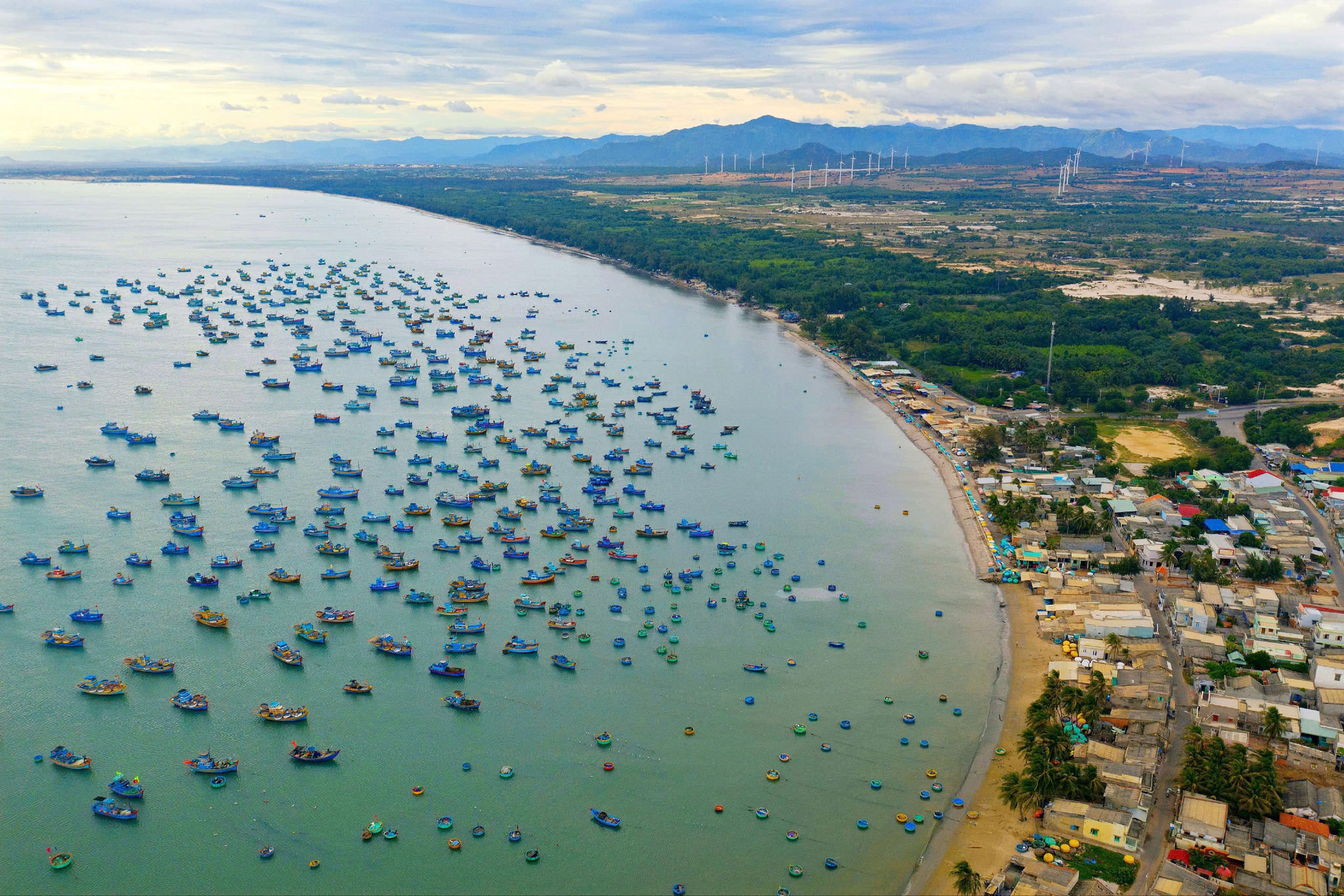
Following the merger, Lam Dong covers more than 24,233 square kilometers, making it the largest province-level locality in the country. Its potential and advantages now extend from the highlands to the coast.
With this expanded development space and the need for a new strategic orientation, previous master plans are no longer suitable for implementation. This reality requires adjustments to Lam Dong Province’s Master Plan for the 2021–2030 period, with a vision to 2050.
According to Lam Dong provincial leaders, adjusting the provincial Master Plan is not only a legal requirement following the merger but also a strategic opportunity for Lam Dong to define its position and role within the region and the country, while reshaping its development vision.
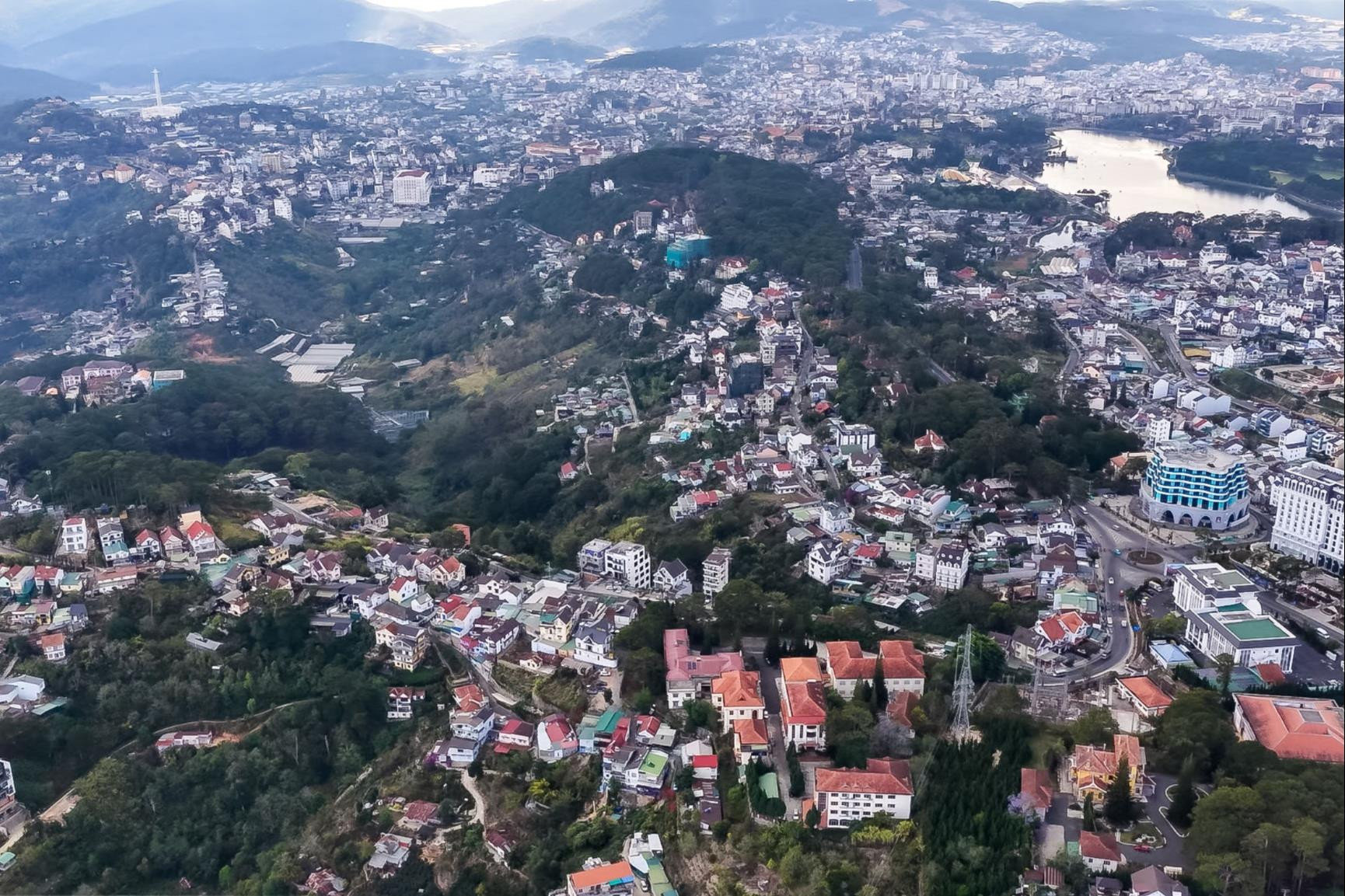
Under the proposed orientation, Lam Dong is expected to develop under a model comprising one province, six corridors, seven regions, 18 clusters, and five specialized zones. The province aims to pioneer innovation-driven development by transforming natural resources into new competitive advantages through science and technology.
Lam Dong will be supported by a green, livable ecosystem designed to attract talent, scientists, and tourists. Under its growth scenario through 2030, the province targets robust expansion, with GRDP expected to increase by 10.5–10.6% annually and average per capita GRDP projected at VND 200–205 million per year.
The province will focus on priority sectors built around three new strategic growth pillars: industries leveraging natural resources and energy; innovation and technology; and tourism and urban services.
Following intensive implementation efforts, the Department of Finance has gathered comprehensive feedback from central ministries, agencies, and experts. Additional input from provincial departments, agencies, communes, wards, and special zones has also been fully documented.
Lam Dong is expected to announce adjustments to its provincial master plan for the 2021–2030 period, with a vision to 2050, in early June 2026. The adjusted plan will serve as an important foundation for the province to implement its development orientations in the coming period.
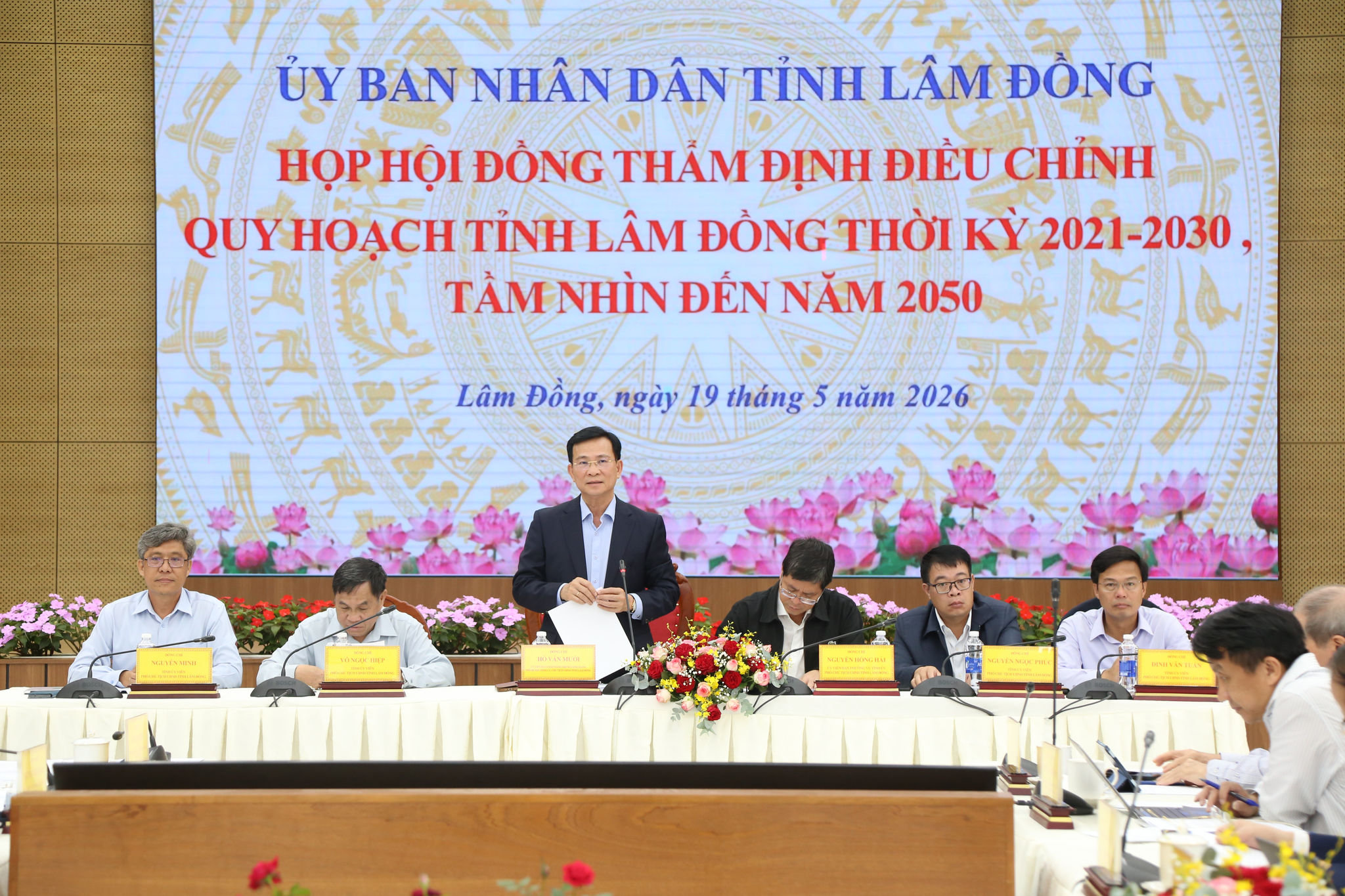
Commenting on the adjustments, Ho Van Muoi, Member of the Party Central Committee, Deputy Secretary of the Provincial Party Committee, and Chairman of the Lam Dong Provincial People’s Committee, affirmed that adjusting Lam Dong Province’s Master Plan for the 2021–2030 period, with a vision to 2050, is one of the province’s most important and urgent political tasks.
This will lay the foundation for reshaping a new
development space that is integrated, unified, and comprehensive. All sectors and fields must ensure sustainable and balanced development across all regions.Member of the Party Central Committee, Deputy Secretary of the Provincial Party Committee, and Chairman of the Lam Dong Provincial People’s Committee Ho Van Muoi
Ensuring Quality and Practicality
According to assessments from central ministries, agencies, and experts, Lam Dong Province’s adjusted Master Plan provides a relatively comprehensive analysis and forecast of the province’s specific development factors and conditions for the next phase.
However, to ensure quality and practicality, experts said Lam Dong should incorporate additional current data into the adjusted master plan.

Vu Quang Cac, former Director General of the Department of Planning Management under the Ministry of Finance and a planning expert said Lam Dong should further clarify its advantages and potential within the South Central and Central Highlands regions. The province should also conduct a more in-depth assessment of the risks and impacts of natural disasters and climate change on the natural environment, as well as their subsequent socio-economic effects.
“When a well-grounded and substantive assessment is made, the province will be able to leverage its existing potential and advantages while better mitigating the impacts of climate change” Vu Quang Cac emphasized.
According to Vu Quang Cac, Lam Dong should conduct a comprehensive assessment of socio-economic impacts across all sectors. Instead of focusing only on agriculture and forestry, the province should also carefully evaluate the impacts of industry and services, which are key drivers of GRDP growth.
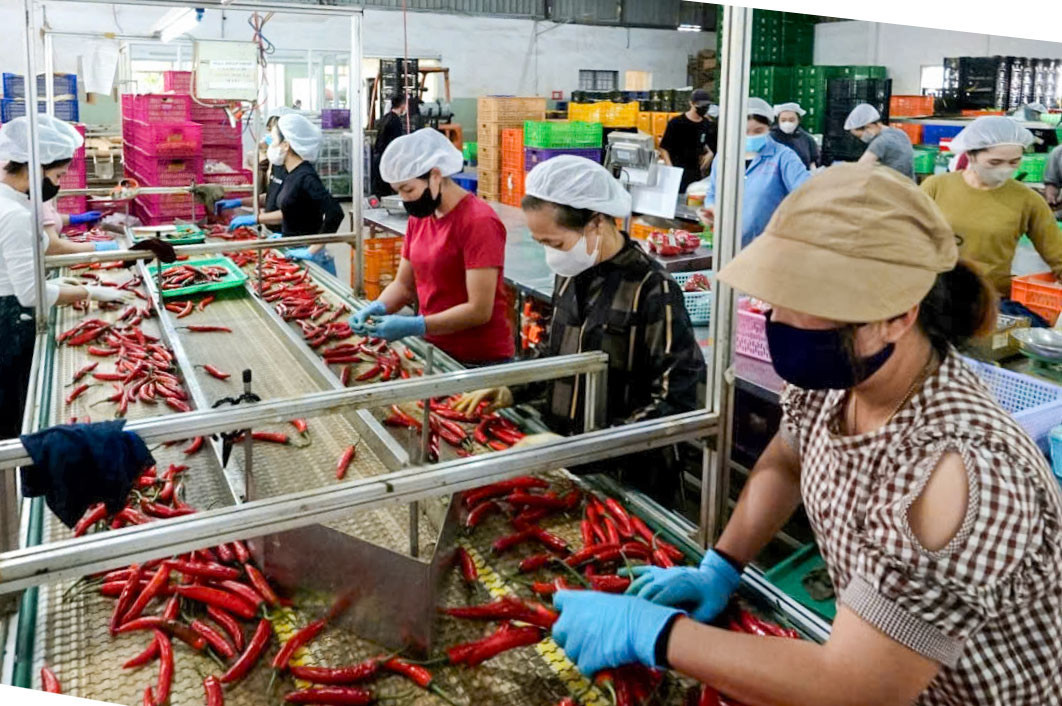
Regarding the growth scenario, Associate Professor Dr. Nguyen Ngoc Son, Vice Rector of the School of Economics and Public Management at National Economics University and an economic expert, said Lam Dong needs to identify and evaluate the contributions of the digital economy and total factor productivity (TFP) to its economic growth.
“When analyzing the current growth situation, Lam Dong should distinguish between growth in quantity and growth in quality. The province needs to conduct a more in-depth assessment of growth quality and evaluate the TFP index throughout the entire period to provide a practical orientation for the coming phase,” Nguyen Ngoc Son said.
Contributing feedback on the development orientations for key sectors in the adjusted master plan, Le Van Thuy, Deputy Director General of the Department of Planning Management under the Ministry of Finance, emphasized that Lam Dong needs to further clarify the development direction of its industrial clusters. In particular, the industrial sector requires close attention, especially the semiconductor industry and the low-altitude economy, with a focus on deeper, higher-value development to increase product added value.

According to Thuy, development orientations for cultural and social sectors should be defined in a coordinated manner and closely aligned with the goal of ensuring social equity.
A high-quality adjusted master plan will create a solid foundation for Lam Dong to shape and guide the future development of its sectors and fields. Once these sectors and fields effectively leverage their internal strengths and ensure feasibility, the province will be better positioned to achieve its GRDP growth targets.