


Along the Cha River, where life flows with the land
Rising from the peaks of Cu Yang Sin, the Krong No River, also known as the Cha River, flows westward through sunlit highlands, carving through rapids and waterfalls. Over time, it has shaped fertile lands and sustained the culture and livelihoods of generations living along its banks.
.jpg)
Where alluvial lands awaken
For generations, the Cha River has carried with it a quiet story of resilience. Beyond its rocky stretches and winding bends, the river slows, revealing fertile alluvial plains that blend into basalt soils and ancient volcanic rock layers. These lands have long provided a vital livelihood for communities in riverside communes such as Quang Hoa, Quang Phu, and Nam Da.
Today, life along the Krong No River is steadily improving. Poverty rates have declined, and many villages have met new rural development standards. For residents like H’Mon from Quang Phu Commune, the river is more than a resource—it is a lifelong companion. “There is nothing more valuable than alluvial land. The river’s sediment keeps our crops growing year-round,” she said with a gentle smile.
Thousands of households along both banks have taken advantage of these fertile lands to grow avocados, coffee, rice, and vegetables. What was once a challenging area is gradually emerging as a high-quality agricultural production zone.
As one travels downstream, green orchards and rice fields stretch along the riverbanks, forming a vibrant landscape. The area has developed notable local brands such as “Buon Choah rice,” known for its soft texture and clean quality, and “Volcanic avocado,” grown on ancient basalt soil within the UNESCO Global Geopark of Dak Nong.
In the highland areas, coffee farms have adopted standards such as OCOP, 4C, UTZ, and Rainforest Alliance, improving quality and increasing income for hundreds of households.
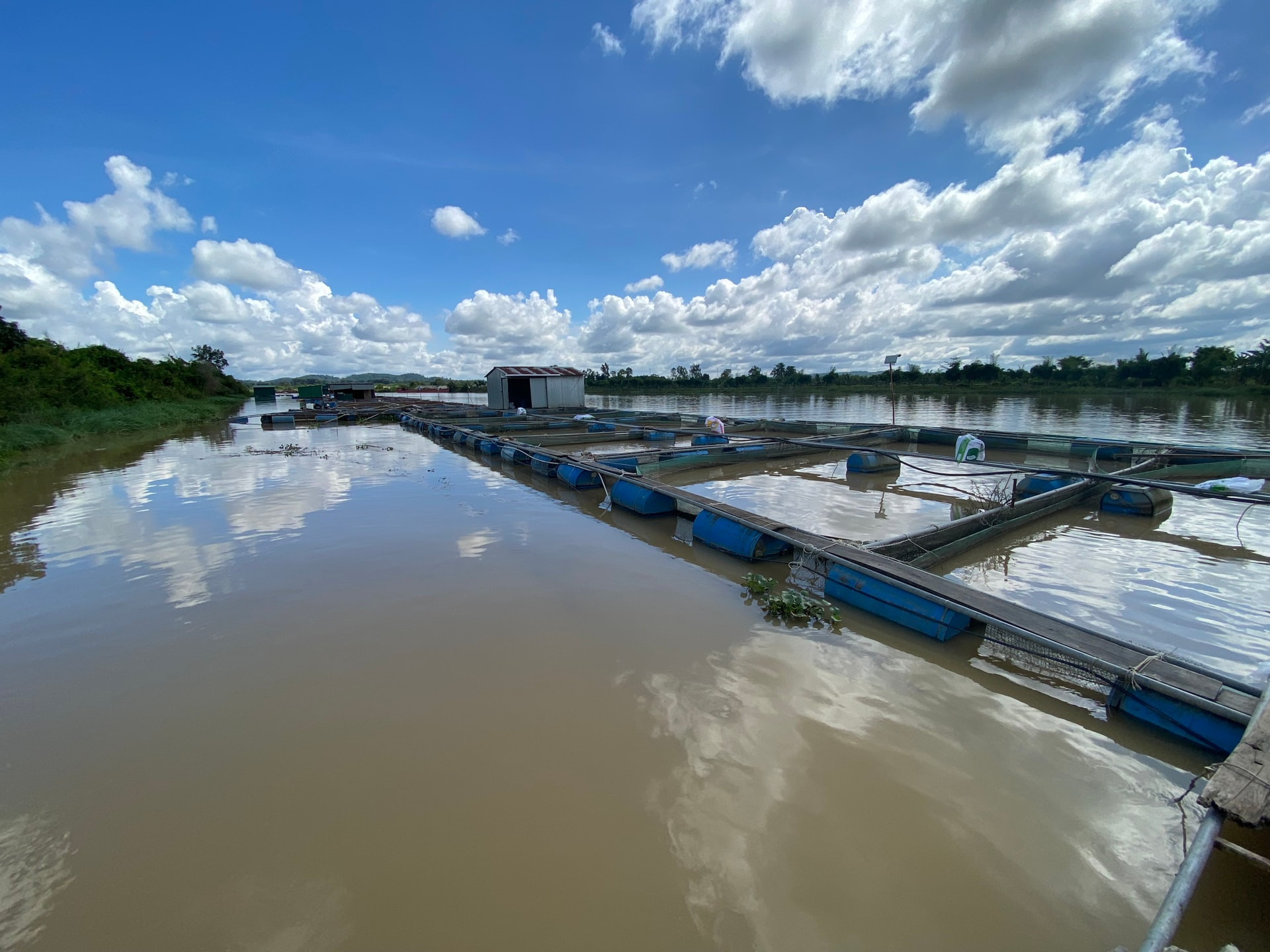
Livelihoods shaped by the Cha River’s alluvium
The Cha River has also given rise to a range of OCOP-certified products, including organic oranges, mandarins, coffee, rice (ST25) and volcanic avocados, helping local people improve their livelihoods.
According to Lang The Thanh, Director of Thanh Thai Fair Agricultural Cooperative, two coffee products were certified as three-star OCOP products in 2020. Since then, the cooperative has expanded production and promoted its products across domestic and international markets.
“We currently cultivate coffee under 4C standards across 500 hectares, with 240 affiliated members. We also have areas certified under UTZ and Rainforest Alliance standards,” he said.
Similarly, the Buon Choah Agricultural Cooperative is focusing on improving rice quality and expanding markets through better production processes and product development.
To ensure sustainable growth, local authorities support producers in applying modern farming standards, improving packaging and branding, and strengthening market connections.
Hidden potential in the heart of a geopark
The Krong No riverside area holds strong potential for tourism development, closely linked to the UNESCO Global Geopark of Dak Nong. Strategically located between the Central Highlands, the South Central Coast, and the Southeast regions, and just 50 km from Buon Ma Thuot Airport, the area offers strong connectivity.
As the core zone of the geopark, it features significant geological and geomorphological heritage, including volcanic systems and cave networks. Notably, the Nam Blang volcano—the largest in the area—hosts a cave system stretching about 25 km, along with archaeological sites containing prehistoric human remains dating back 6,500–7,000 years.
Beyond its geological richness, the area is also home to a diverse cultural heritage. Indigenous communities such as the Ede and M’nong have preserved traditions including gong culture, traditional festivals, epics, and unique art forms.
According to local authorities, tourism infrastructure is being steadily improved, with projects such as memorial sites, geopark information centres, rest stops, and connecting roads. Eco-tourism and resort services are also developing around famous waterfalls such as Dray Sap and Gia Long.
The region is now focusing on four key tourism types: adventure tourism (caves, volcanoes, waterfalls), agricultural tourism and homestays, community-based cultural tourism, and historical tourism.
Today, the Cha River is more than a river that nourishes the land — it is a living current shaping prosperity and sustaining a new countryside where life is becoming ever more abundant, vibrant, and sustainable.