


Applying Science and Technology to Enhance Production Value
The implementation of scientific advancements and technological innovations, coupled with digital transformation in the province's industrial production, has yielded favorable outcomes, significantly enhancing the productivity, quality, efficiency, and the competitiveness of industrial goods.
Many integrated management processes, organic farming methods, and post-harvest preservation technologies have been successfully transferred.
Science and Technology Tasks Aligned with Business Needs
According to Ms. Pham Thi Nham, Deputy Director of the Lam Dong Department of Science and Technology, tasks related to science and technology (S&T) have been developed and executed to align with the real demands of industrial companies. These initiatives aim to support technological innovation, enhance production processes, increase productivity and product quality, while promoting resource and energy efficiency.
The integration of digital transformation into S&T programs has been gradually advancing, encouraging businesses to implement digital solutions to manage production, ensure traceability, control quality, automate processes, and monitor equipment.
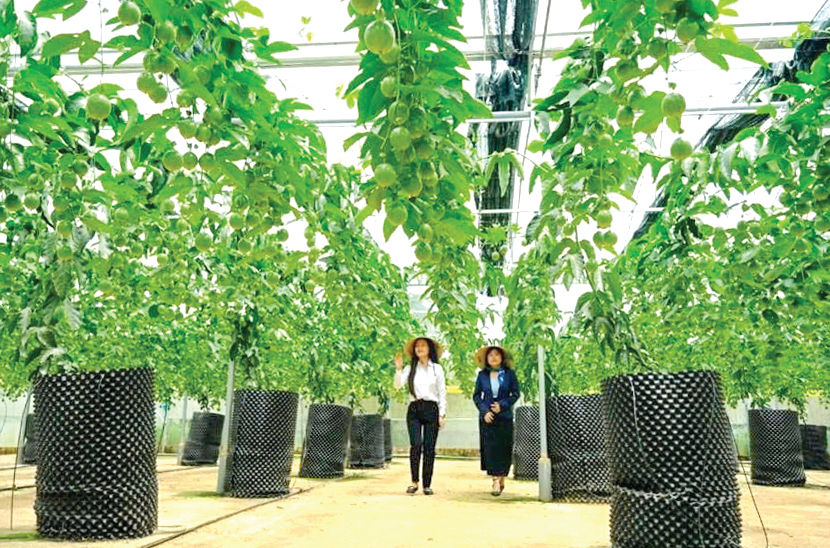
The agriculture and processing sectors have successfully adopted various integrated management strategies, organic farming techniques, and advanced post-harvest preservation technologies for key products such as durian, macadamia, and passion fruit.
At the same time, significant technical advancements have been achieved in the livestock and aquaculture sectors, including the development of breeding techniques for high-yield beef cattle and advanced sturgeon farming practices utilizing the "river-in-pond" system, thereby ensuring a reliable supply of raw materials for the food processing industry.
Furthermore, initiatives to boost business competitiveness through standards and technical regulations have yielded significant results. From 2021 to 2025, 125 companies received assistance in implementing advanced quality management systems, including ISO, HACCP, GlobalGAP, and 5S methodologies .
Authorities also issued numerous codes for growing areas and packing facilities, along with over 820,000 QR-code traceability labels. The province's digital infrastructure has been progressively strengthened through the creation of an Intelligent Operations Center (IOC) and shared data platforms, laying a strong legal and technical foundation for businesses to undertake comprehensive digital transformation.
Expanding Startup Support Activities
Simultaneously, a variety of initiatives have been launched to foster an innovation-driven startup ecosystem, progressively improving human resource capabilities and creating a more professional support environment aligned with the needs of industrial development.
Over 20 specialized training programs have been conducted, and co-working spaces have been established at universities, contributing to the professionalization of startup teams. During this time, 21 innovative startup projects and businesses received direct support.
Through forums, startup festivals, and investment connection workshops, more than 10 supply-demand matching events took place, drawing hundreds of businesses and investors and leading to 86 cooperation agreements.
According to Pham Thi Nham, although progress has been made, the application of science and technology in many industrial companies remains limited, focusing primarily on minor enhancements rather than significant investments in comprehensive technological advancements. Numerous businesses—particularly small and medium-sized ones—continue to struggle to obtain funding, skilled scientific and technological personnel, and modern technologies, leading to disparities in their innovation capacity. In various sectors, the linkage between scientific research and the industrial production demands remains insufficient and requires strengthening in the upcoming period.