


Applying Technology to Elevate Agricultural Products
In recent years, Lam Dong has made steady progress in applying modern technology to raise the value of its agricultural, forestry and fishery products.
Encouraging Outcomes
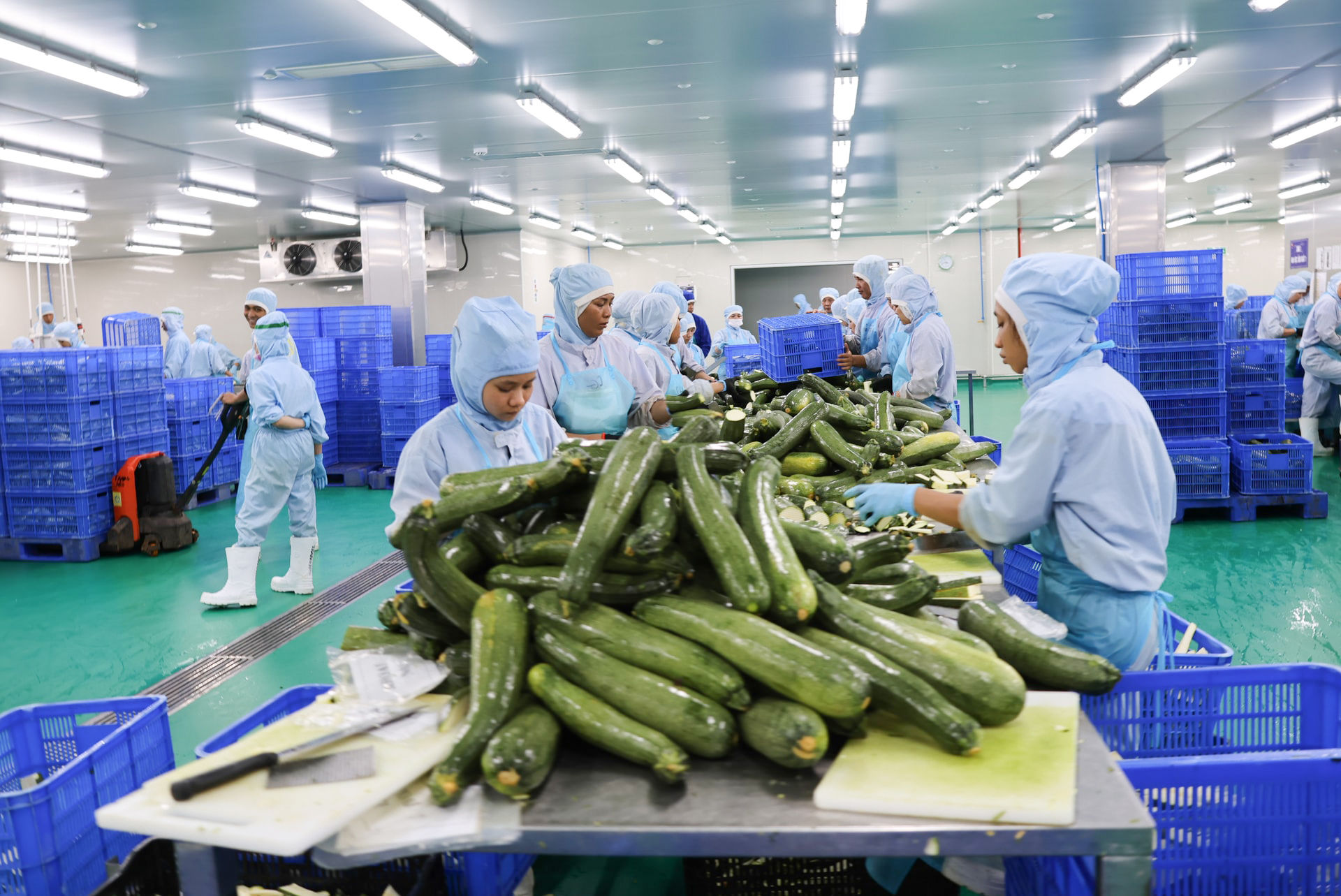
According to the provincial Department of Industry and Trade, Lam Dong is home to nearly 4,000 agro-forestry-fishery processing facilities, including both household-based operations and enterprises. Notable figures—such as 194 coffee processing facilities, 153 fruit and vegetable enterprises, and hundreds of tea, cashew, and fish sauce producers—paint a dynamic picture of the province’s processing industry.
During the 2021–2025 period, the department, in coordination with relevant agencies and local authorities, implemented programs to support and promote the application of science and technology in agricultural processing.
Enterprises have also benefited from industrial promotion schemes, support for modern machinery and trade promotion activities, helping Lam Dong’s agricultural products strengthen their market position.
Flagship brands such as “Da Lat – Miracle from the Good Earth,” Phan Thiet fish sauce, and Binh Thuan dragon fruit have expanded their presence to more than 56 countries and territories, contributing to the growing recognition of Vietnamese products on the global map.
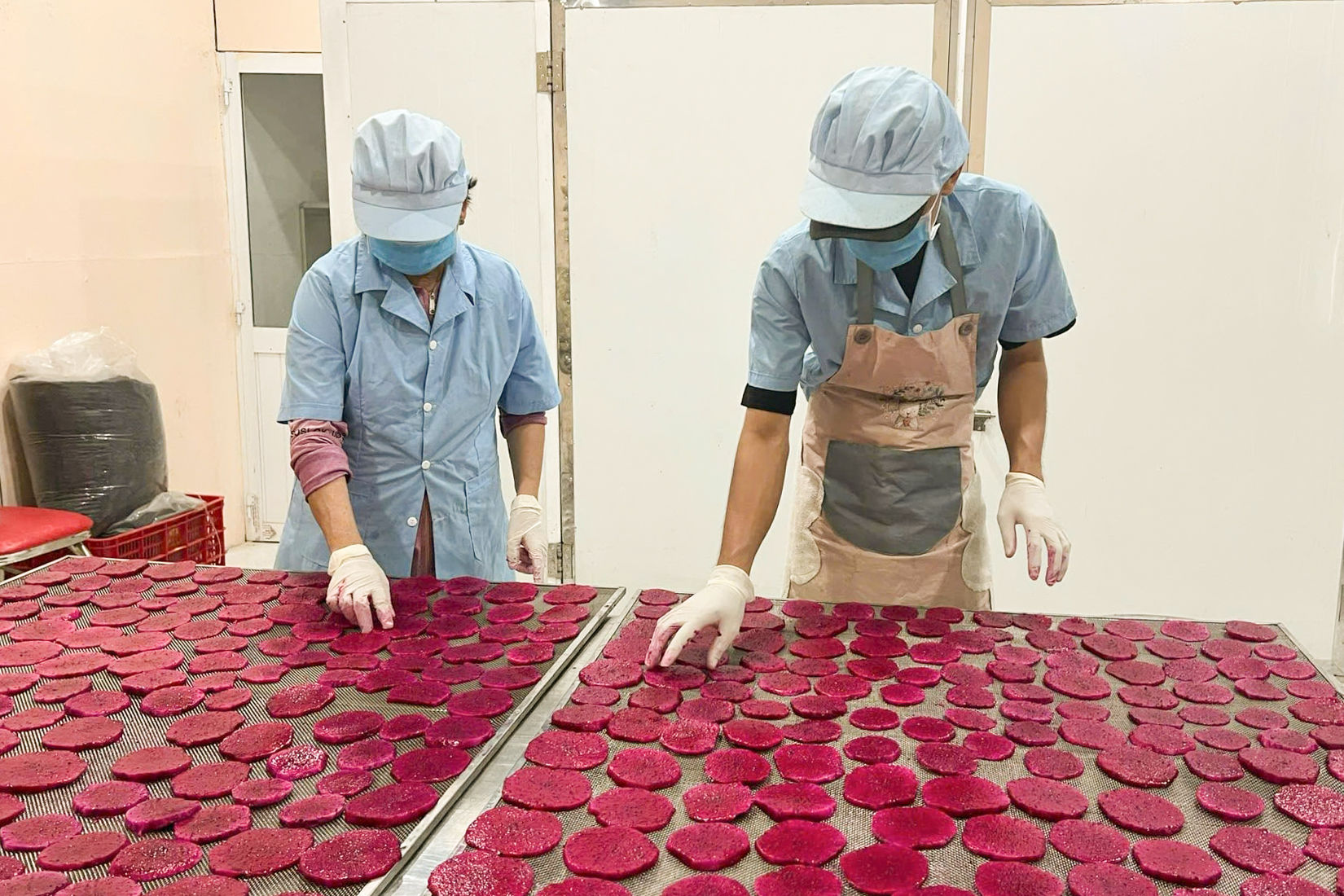
In practice, businesses across the province have proactively embraced modern technological trends. In the fruit and vegetable sector, technologies such as freezing, freeze-drying, and roasting for ready-to-eat products have been successfully applied, preserving freshness and flavor. Meanwhile, the tea and coffee industries have undergone significant transformation, with automated processes spanning from fermentation to packaging, alongside advanced roasting and drying technologies.
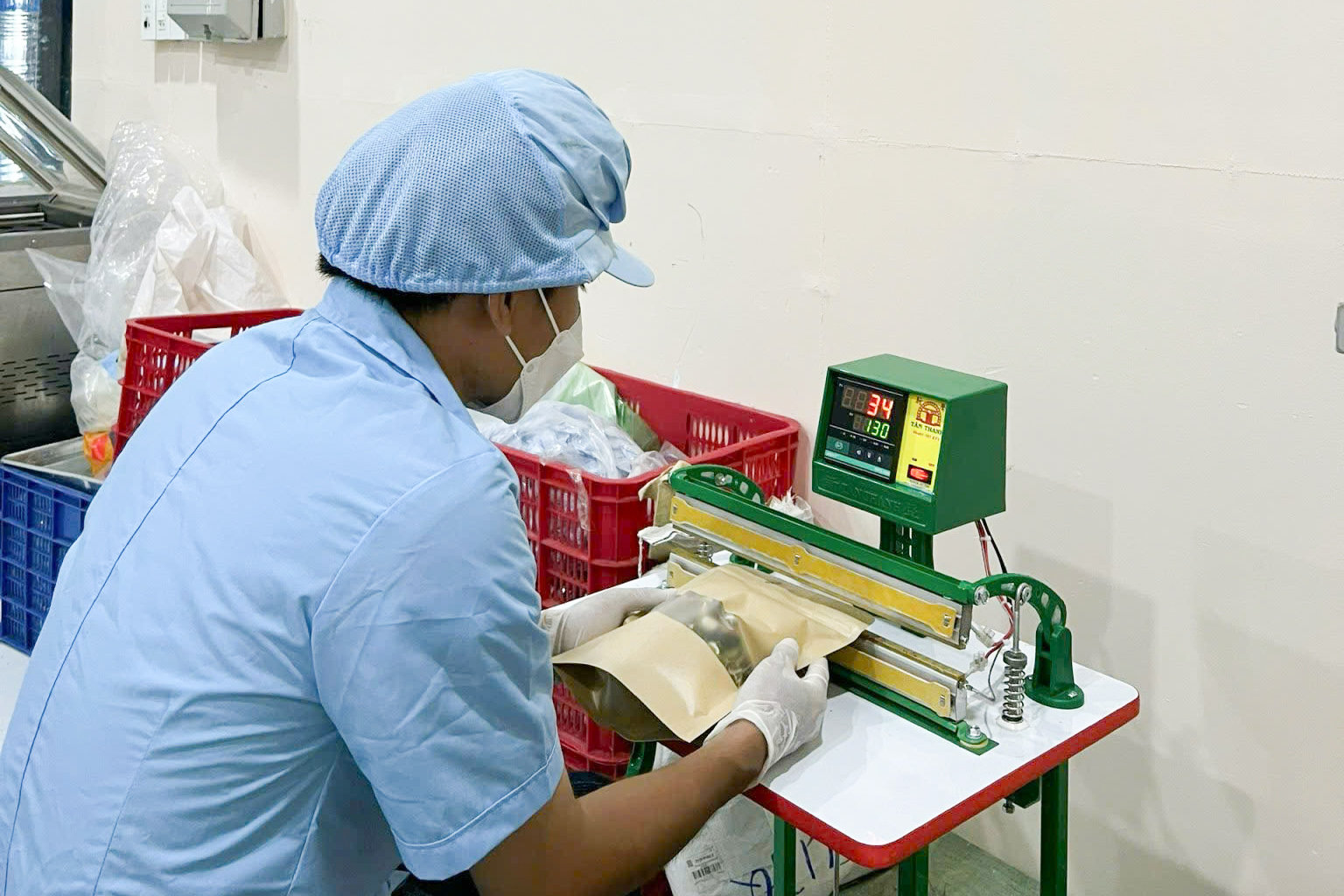
Ms. Nguyen Hoang Thu Huong, Director of Hoa Le Clean Dragon Fruit Cooperative in Ham Thuan Commune, noted: “Our cooperative both exports fresh dragon fruit and supplies processed products to the domestic market. Recently, we invested nearly VND 260 million in a confectionery packaging line, of which 70% was supported by the Department of Industry and Trade. Since adopting this production line, product quality and packaging design have significantly improved.”
Breakthroughs are also evident in high-tech sectors, such as automated silk production by SunFeel Vietnam and vacuum drying technologies for mushroom snacks and medicinal mushroom powders by Da Lat Mushroom. Products derived from macadamia nuts, cashews, and durian are now processed using automated shelling, color sorting, and essential oil extraction technologies, generating value many times higher than raw materials.
Focusing on developing diversified product lines
Despite these achievements, the Department of Industry and Trade acknowledges that Lam Dong’s agricultural processing sector still faces considerable challenges. Most enterprises remain small and medium-sized, with limited financial capacity, making it difficult to invest in capital-intensive deep processing. Linkages across production, processing, and consumption stages remain weak in some sectors.
Additionally, technological capacity, mechanization, and automation levels are still limited, resulting in low productivity. Existing policies have yet to attract large-scale investors, while the shortage of skilled technical personnel and experienced enterprises continues to constrain growth.
To address these challenges, the province has set a clear direction through 2030: diversifying products from key agricultural commodities and applying advanced technologies to create high-value products tied to raw material areas and aligned with international standards and market demand.
Priority will be given to attracting investment in dairy processing plants, low-alcohol fermented beverages, and especially biopharmaceutical industries based on valuable forest-derived medicinal resources such as Ngoc Linh ginseng and lingzhi mushrooms. This is seen as a breakthrough direction, using nanotechnology and biotechnology to develop high bioactive compounds for the pharmaceutical sector.
To realize these goals, the department has proposed a range of coordinated solutions. Central to these efforts is stronger coordination among agencies to develop concentrated raw material zones and ensure seamless logistics. At the same time, the province will accelerate the transfer of advanced technologies such as irradiation, modified atmosphere packaging, and agricultural by-product processing.
Upgrading industrial cluster infrastructure to attract major corporations, together with e-commerce development and product traceability systems, is expected to provide a strong foundation for Lam Dong’s agricultural products to integrate more deeply into global value chains, helping pave the way for a modern, circular and sustainable agricultural economy.
By 2030, Lam Dong will prioritize diversifying products from key agricultural commodities and applying advanced technologies to create high-value products tied to raw material areas and aligned with international standards and market demand.
Lam Dong Department of Industry and Trade