


Artisan Ya Saky Keeps the Soul of the Churu Bamboo-Calabash Flute Alive
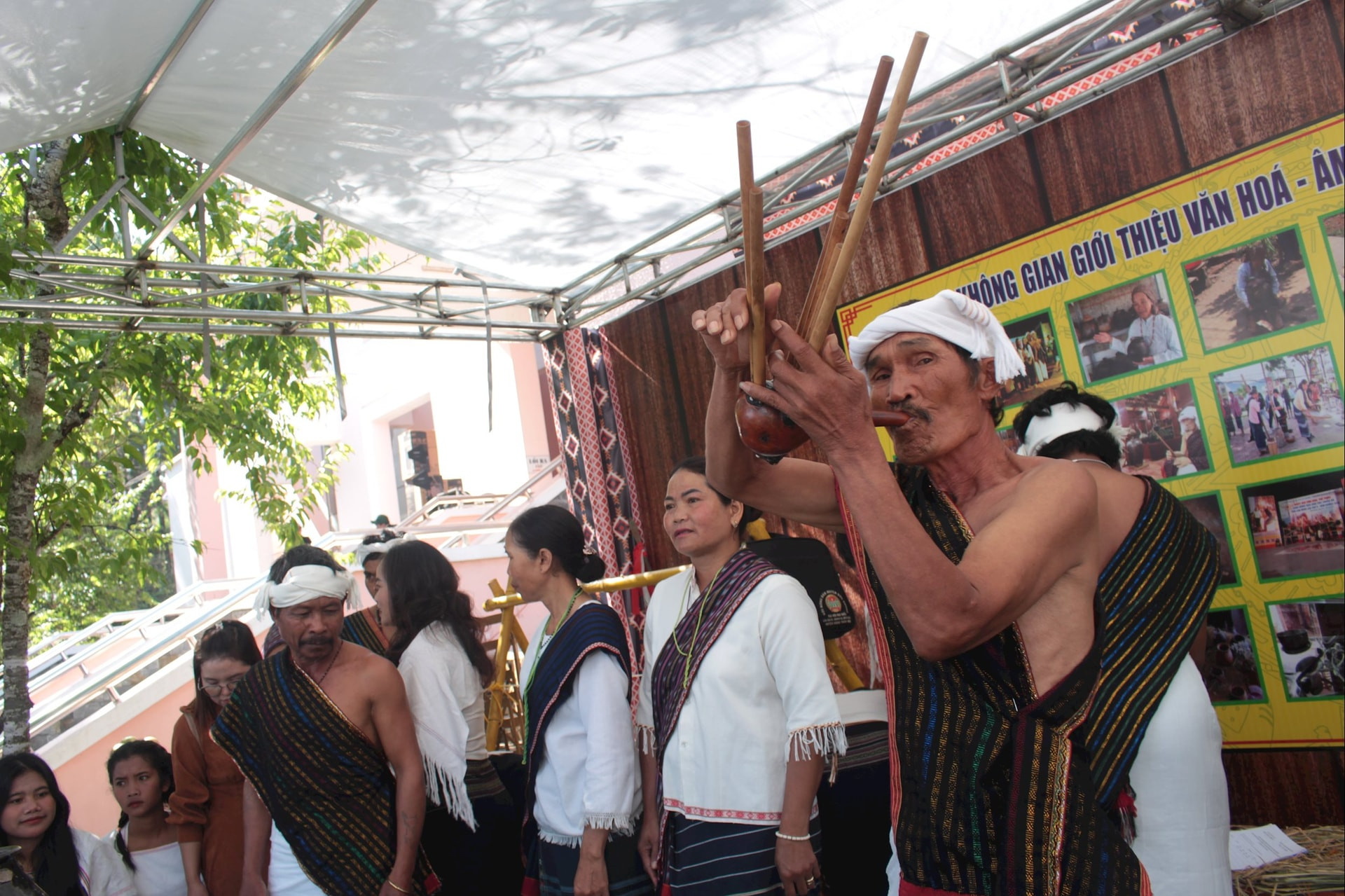
This autumn, at 76 years old, Mr. Ya Saky of Diom Village, D’ran Commune, still stands out among the Churu musicians for the soft, lilting sound of his khèn bầu — a calabash mouth organ whose haunting notes blend harmoniously with gongs and drums at every village festival.
The sound of Churu spirit
For generations, the Churu people of Vietnam’s Central Highlands have lived a settled farming life tied to wet-rice cultivation, music, and rituals such as the Rice-field Ceremony, the Bơmung Water-God Offering, and the New Rice Festival. The gong, drum, and khèn bầu are not merely instruments; they are a spiritual bridge between people, community, nature, and deities.
Growing up in that cultural space, Ya Saky absorbed the rhythms and melodies from an early age. Today he remains one of the few who can skillfully blend the voice of the khèn bầu with a three-gong ensemble and drum, producing the rustic yet deeply moving harmonies that define Churu folk music.
Whenever his instrument sounds, villagers pause to listen — drawn not only by its distinctive timbre but also by the fact that he is among the last masters preserving this unique traditional art. “My name may sound Japanese,” he jokes, “but I was born beside the Da Nhim River, where my father’s flute filled the evenings.” Fascinated since childhood, he learned the khèn bầu directly from his father.
A handmade voice of the mountains
The Churu khèn bầu is crafted from a dried calabash gourd with six bamboo pipes of varying lengths, each pierced with tone holes corresponding to different pitches. The artisan seals the joints with beeswax to prevent air leaks, ensuring a clear, resonant sound. When played, the musician must control breath precisely while moving the fingers over the holes to produce fluid, rhythmic melodies. The hollow gourd acts as a natural sound chamber, amplifying the tone so that it echoes through the entire village.
By age 15, Ya Saky had mastered six traditional Churu melodies, each linked to specific gong patterns. His flute has since accompanied countless festivals, community gatherings, and quiet moments — from fieldside rests to evenings by the hearth.
While gongs are sacred instruments reserved for rituals after divine permission, the khèn bầu can be played anywhere, anytime — expressing joy, longing, or quiet reflection. For the Churu, its voice is both music and conversation, a melody of the soul.
Keeping a fading tradition alive
Most khèn bầu players also craft their own instruments. Ya Saky not only performs but also builds and restores flutes for others — a delicate process requiring musical sensitivity, technical precision, and years of experience. Each flute, he says, is “a handmade song, not just an instrument.”
He admits the art is hard to learn: it demands strong breath control, nimble fingers, and great patience. Yet fewer young people today show interest, making preservation difficult. Still, at every festival and cultural gathering, his gentle, steady tones remind listeners that the Churu spirit is still alive — breathing through every note of the khèn bầu.