


Awakening Cultural Identity, Creating Livelihoods Through Community-Based Tourism
Villages rich in cultural identity and surrounded by distinctive natural landscapes are creating favorable conditions for community-based tourism to develop in western Lam Dong. The sector is expected to become a signature tourism product, helping create livelihoods for local people while preserving indigenous cultural values.
Turning Cultural Identity into Livelihoods
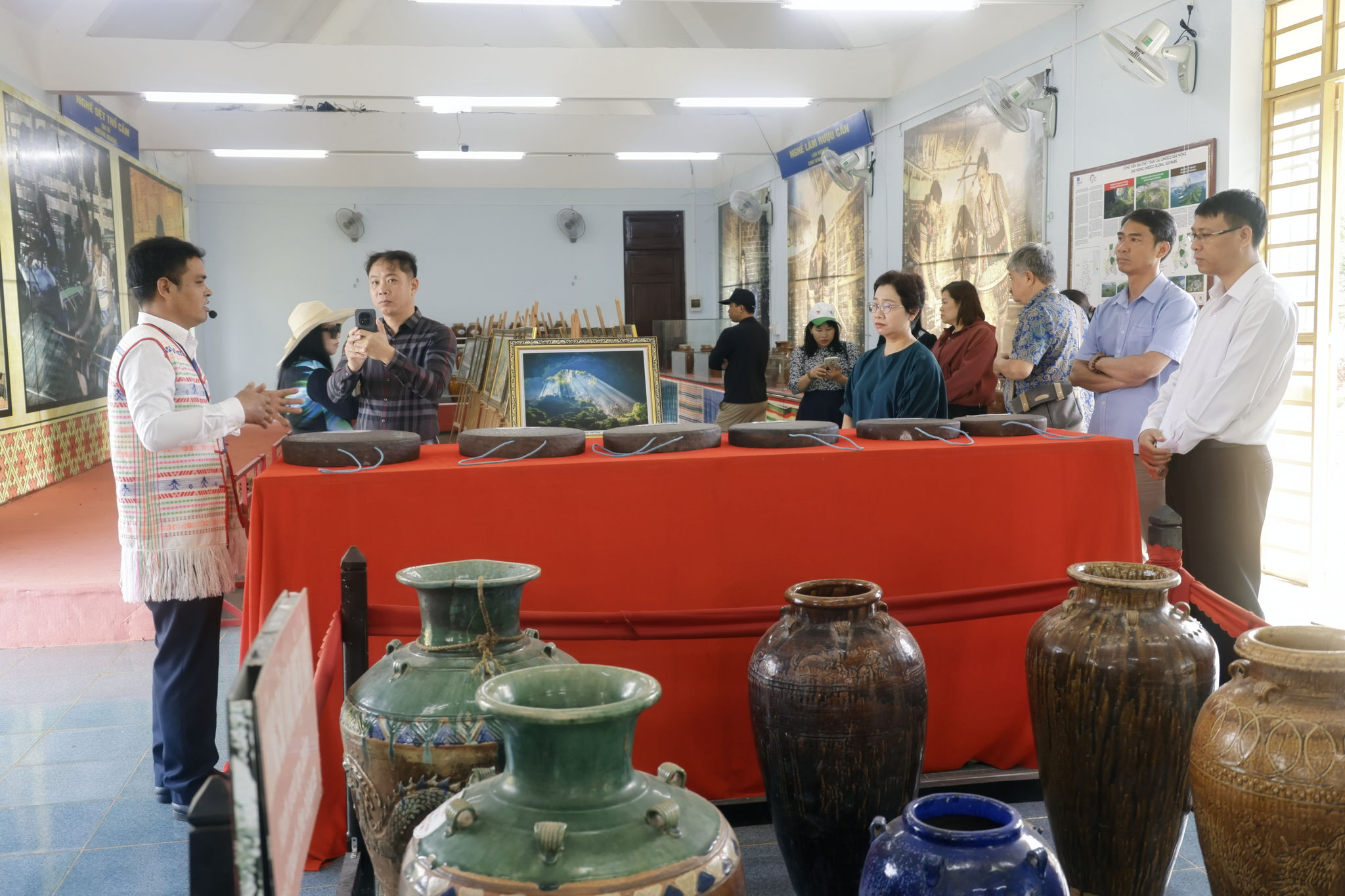
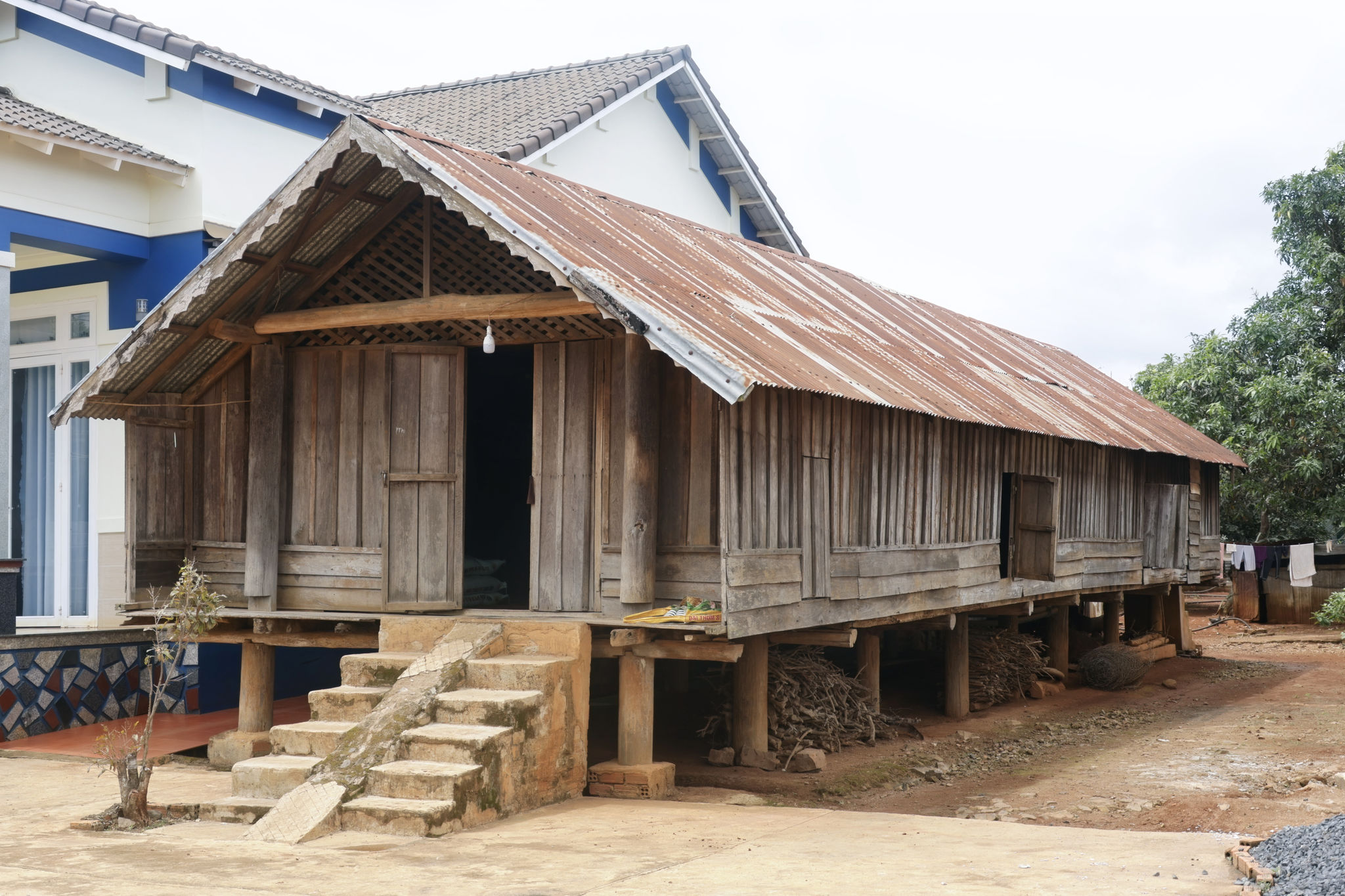
The traditional longhouses of the Ede people, the sound of gongs reverberating across the highlands, the craft of traditional brocade weaving, the time-honored festivals, and the everyday practices of the M'nong people have contributed to the unique charm of western Lam Dong.
By integrating these cultural values into tourism initiatives, local communities can not only safeguard them but also use them as resources for economic growth and the livelihood creation.
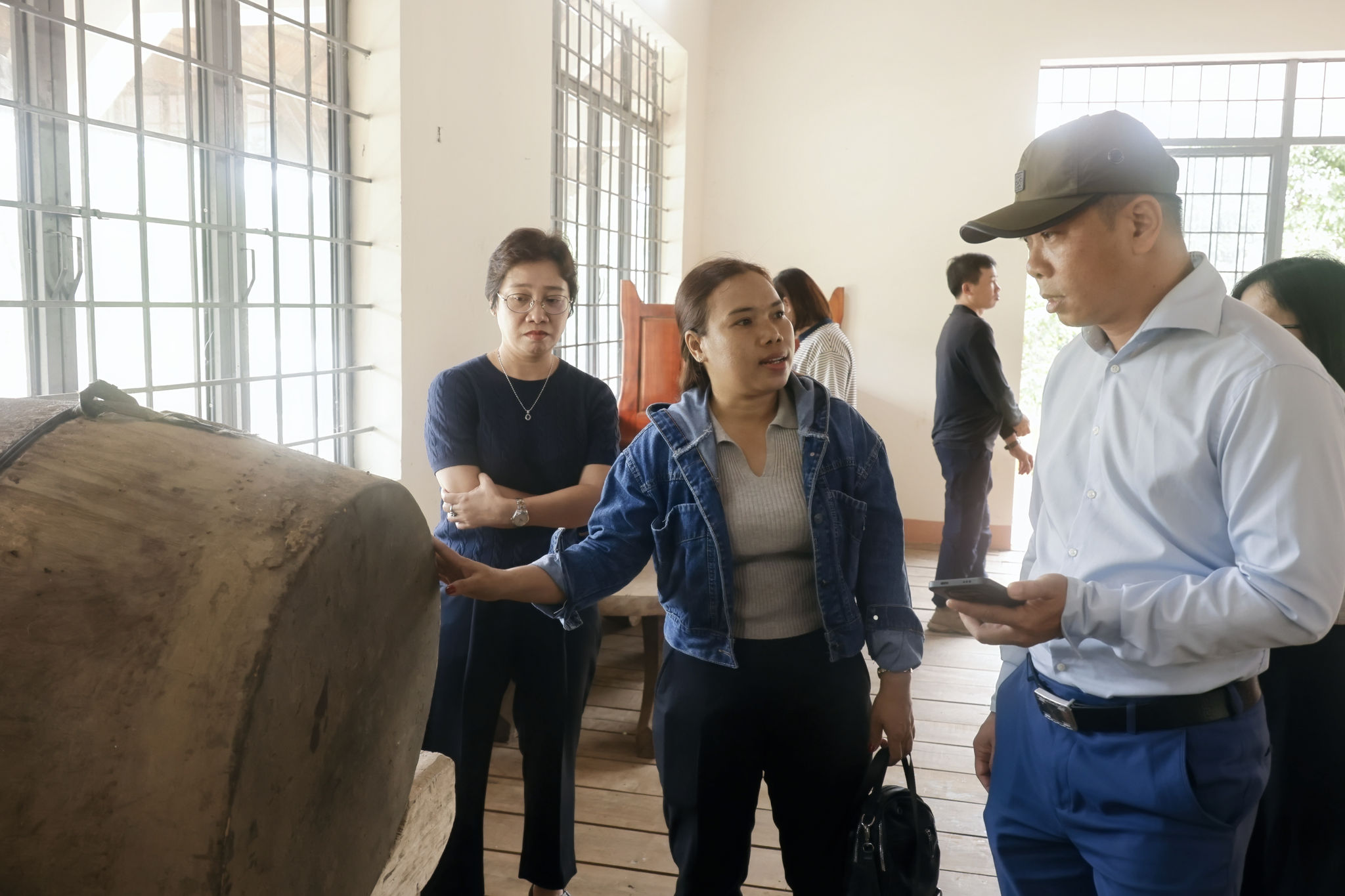
At Buor Village in Cu Jut Commune, the cultural values of the Ede people continue to be preserved. Located along the Serepok River and on tourism routes within the Dak Nong UNESCO Global Geopark, Buor Village was recognized by the Ministry of Culture, Sports and Tourism in 2008 as an ancient Ede village.
Since then, various conservation facilities, including a community cultural house, a traditional riverside landing, an ancient well and stilt houses, have provided a foundation for the development of community-based tourism.
Nguyen Anh Son, Vice Chairman of the Cu Jut Commune People's Committee, said that Buor Village, with its rich tangible and intangible cultural heritage, is a key destination in the commune's tourism development plans.
According to Son, pursuing community-based tourism in Buor Village is completely viable and will enhance the variety of tourism offerings in the area. The commune is planning to establish a model where local residents take charge of tourism operations, provide lodging, and offer experiences that highlight their indigenous culture, enabling them to gain direct benefits from tourism.
Alongside Buor Village, community-based tourism sites in N'Jieng Bon, the community-based cultural tourism site of the Hmong and Dao ethnic groups, the Quang Truc border pine hill, Pi Nao Bon and N'Jang Lu Bon are also leveraging their unique landscapes, cultural heritage and traditional crafts to develop distinctive tourism products.
While each model has its own approach, they all share the goal of placing local communities at the center, enabling residents to directly participate in and benefit from tourism activities.
Expanding the potential for community-based tourism development
In order to evaluate the present circumstances and determine future directions for community-based tourism in the upcoming period, the Department of Culture, Sports and Tourism carried out two survey trips to tourism sites in the western region of Lam Dong.
The surveys concentrated on villages and hamlets with potential for tourism development associated with cultural preservation. The teams analyzed the current conditions, evaluated the potential for development, and suggested suitable solutions for each model.
According to Nguyen Lan Ngoc, Deputy Director of the Department of Culture, Sports and Tourism, the survey initiative brought together experts along with representatives from tourism and travel enterprises to evaluate investments in technical infrastructure and adherence to legal standards that govern tourism operations.
The working groups also assessed the criteria for the development of quality community-based tourism sites, with the aim of creating distinctive destinations and diversifying local tourism products. Throughout the surveys, the teams offered guidance and shared information with organizations and individuals to assist them in meeting the legal requirements pertaining to tourism activities.
In the survey, Dr. Phan Bao Giang, Vice Rector and Head of the Faculty of Marketing at the University of Economics and Finance in Ho Chi Minh City, highlighted that regions have rich cultural assets and diverse landscapes. Additionally, local residents and officials have shown a strong interest in fostering community-based tourism.
Dr. Giang pointed out, however, that the existing challenge is the fragmentation and lack of connectivity among resources, coupled with the absence of a clear organizational structure that outlines the roles and responsibilities of authorities, communities, businesses, and other involved parties.
Notably, many areas still lack skilled personnel capable of preserving indigenous cultural values and turning them into distinctive tourism experiences.
Developing community-based tourism involves more than creating another tourist attraction; it is essentially about utilizing indigenous cultural values as assets for development.
When local community members are engaged as primary stakeholders, cultural heritage is safeguarded, and destinations benefit from coordinated investments and connectivity, making community-based tourism a unique characteristic of Lam Dong's tourism sector.
This approach can create a sustainable pathway for economic growth in villages and hamlets while turning cultural identity into a competitive edge for local tourism.