


Awakening the Colors of Cu Jut’s Villages
With villages that preserve rich Ede cultural traditions and boast distinctive natural landscapes and diverse agricultural resources, Cu Jut has a favorable foundations for developing a community-based tourism route with its own unique character. Among them, Buor Village has been identified as a key attraction, where visitors can not only explore the area but also immerse themselves in its culture and daily life.
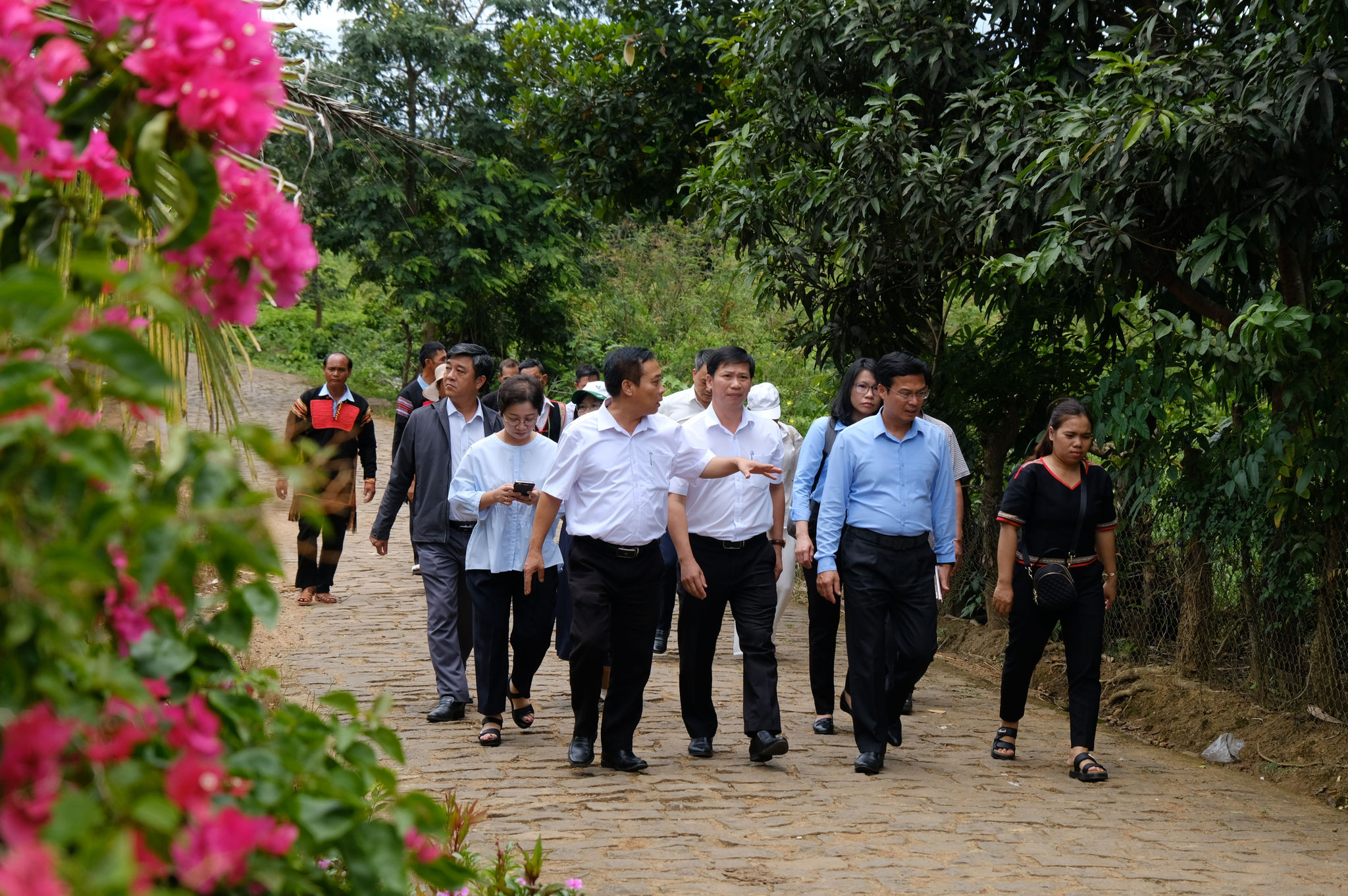
Experiencing Village Life
Nestled on the banks of the Serepok River, Buor Village — a historic Ede settlement with a legacy of over 130 years — exudes a tranquil allure.
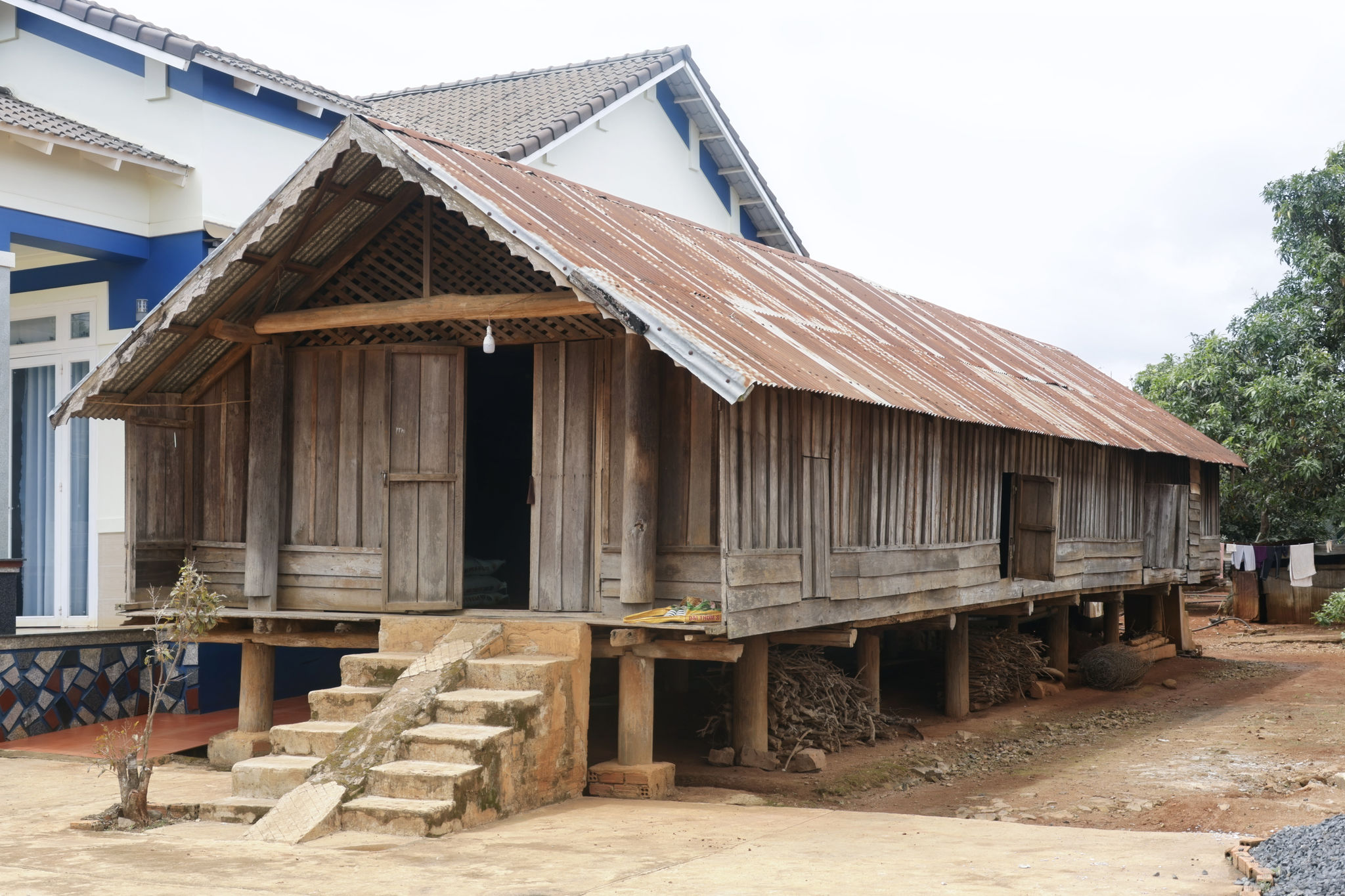
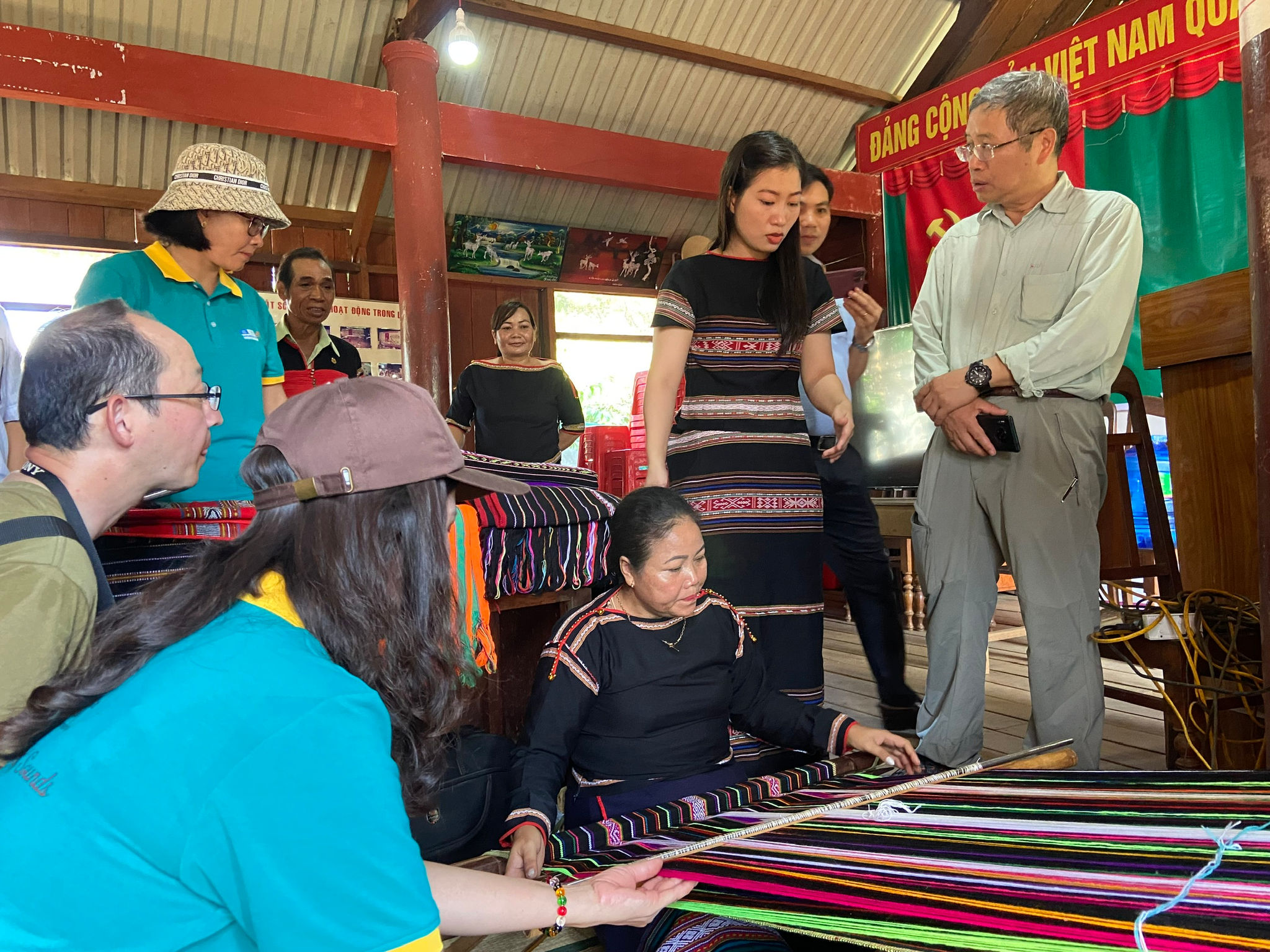
The village continues to maintain numerous traditional cultural aspects, including longhouses, gongs, and customary musical instruments, as well as brocade weaving and cultural values that are deeply ingrained in communal life.
Currently, Buor Village is recognized as one of the highlights within three tourism routes of the Dak Nong UNESCO Global Geopark.
Ngo Quoc Phong, the Chairman of the Cu Jut Commune People's Committee, said that the traditional culture of the local Ede community is rich and diverse. The villages continue to maintain numerous cultural values tied to longhouses, local cuisine, traditional attire, language, music, brocade weaving, and festivals.
These elements offer valuable resources for developing experiential tourism products rooted in community life. With cultural traditions handed down through generations, Buor Village has been chosen as one of the key stops in the plans to develop community-based tourism while also preserving and promoting cultural identity in Cu Jut in particular and Lam Dong Province as a whole.
A tourism route that connects “Serepok Bridge – Buor Village – Bang Mo Volcano – Dray Sap Waterfall” could be established starting from Cu Jut and extending to Nam Da Commune in Lam Dong and Hoa Phu Commune in Dak Lak.
This route can integrate ecotourism, cultural tourism, and green agricultural tourism with hands-on activities, environmental education, and nature exploration, and be developed in collaboration with travel companies to create appropriate tourism product chains.
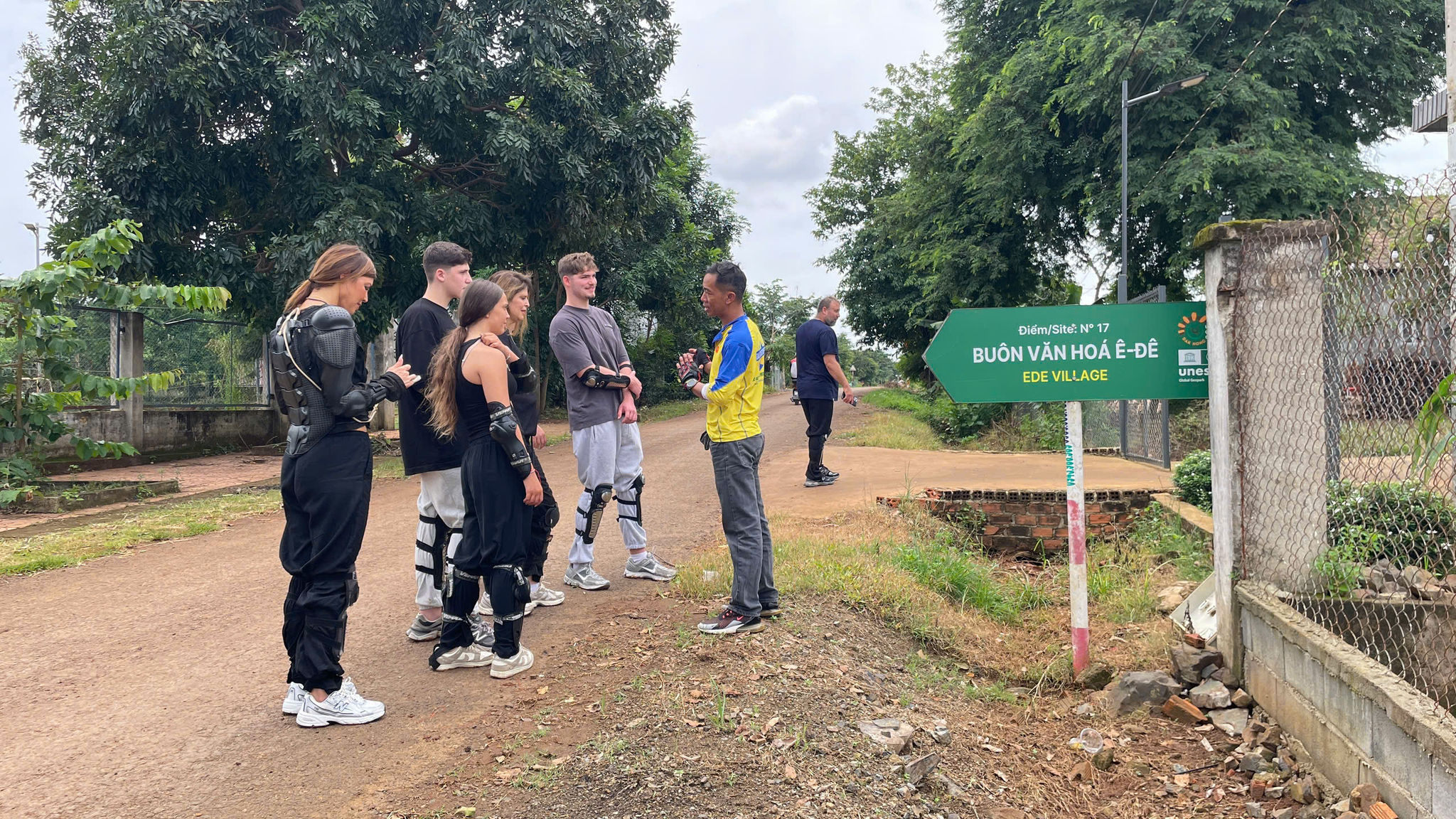
In July, the Department of Culture, Sports and Tourism conducted a field survey of community-based tourism locations throughout the province. After the survey, Dalat Discovery Co., Ltd. brought international travelers to Buor Village to experience village life.
On average, two groups of tourists arrive daily by motorbike from other locations to discover the local culture, lifestyle, and engage with the residents. In August alone, Buor Village hosted nearly 300 visitors. These early indicators suggest that Buor Village has the potential to become a key attraction on Cu Jut's community-based tourism route, especially for groups from both within and outside the province, as well as for students, researchers, and those interested in this travel style.
According to field surveys, Nguyen Lan Ngoc, Deputy Director of the Department of Culture, Sports and Tourism, stated that Cu Jut offers numerous opportunities for fostering community-based tourism; however, the crucial element is the agreement and active involvement of local residents.
Furthermore, the area needs to create experiences that encourage visitors to extend their stay, ensuring they do not merely come for a short visit but also spend the night, enjoy local cuisine and services, shop, and engage in community activities.
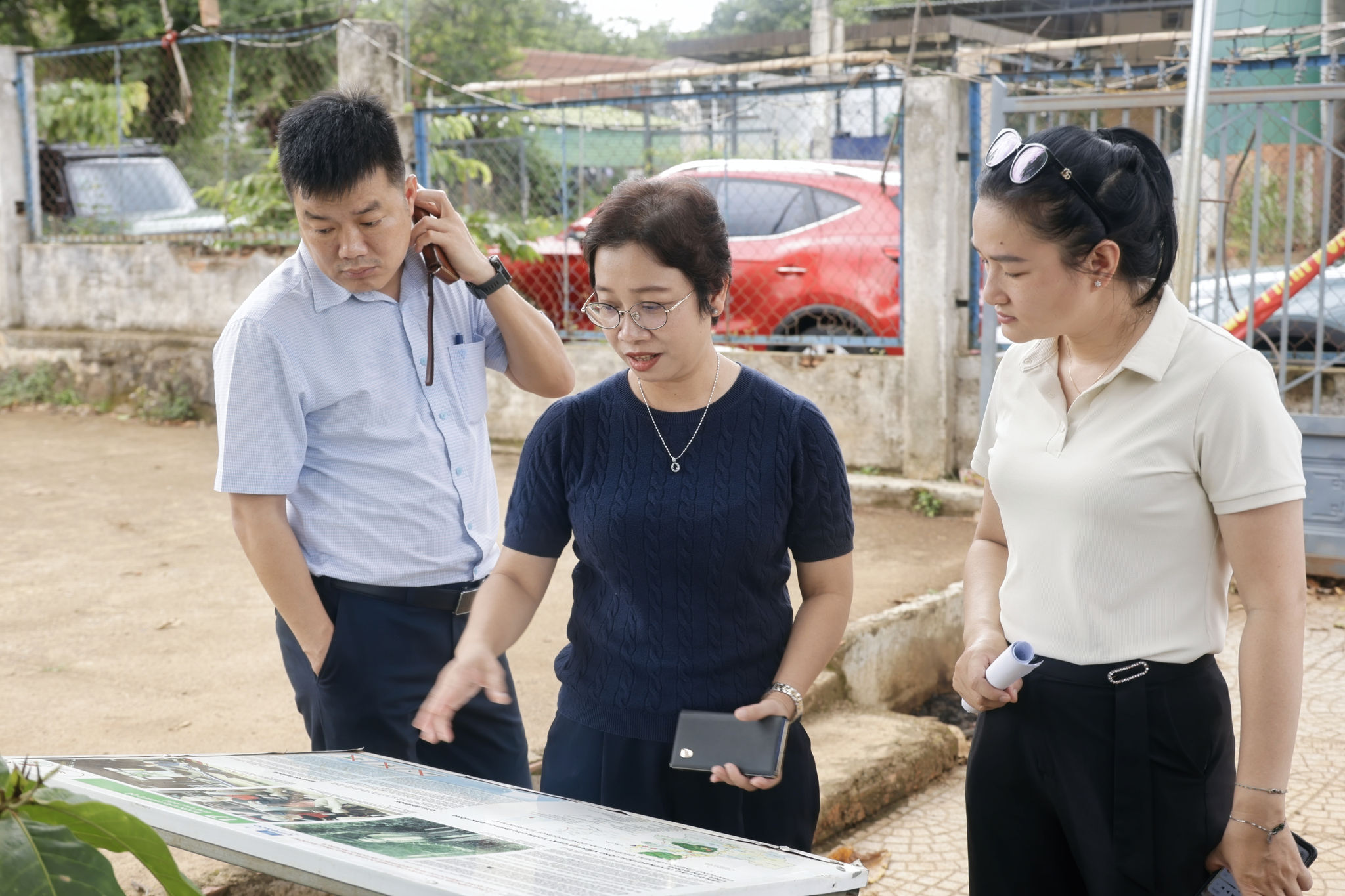
Getting Local People Involved in Tourism
In Buor Village, tourism represents more than just welcoming guests; it serves as a chance to further promote and pass on the traditional values cherished by the community. H'Banh, the leader of Buor Village, mentioned that the villagers are keen to share their culture and identity with travelers.
Nevertheless, there is still a limited understanding of tourism among residents, and many feel uneasy when interacting with visitors, lack openness, and are unsure how to convey the narrative of their village.
According to H'Banh, welcoming visitors and introducing the village's culture, cuisine and traditional crafts can not only provide residents with additional livelihoods but also encourage them to preserve values passed down through generations. This is also what residents hope to achieve through community-based tourism in Buor Village: developing tourism while preserving local identity, so that the village's culture can become part of people's livelihoods.
To gradually turn this vision into reality, Cu Jut Commune is establishing a community-focused tourism framework that involves direct participation from local residents. Local organizations and teams are being motivated to collaborate in order to host visitors, showcase cultural traditions, offer services, preserve the landscape, and safeguard the environment.
According to the chairman of the commune, further investment and enhancement of infrastructure and visitor services are necessary for the community-based tourism route in Cu Jut to operate effectively. The area still encounters challenges related to transportation, parking options, lodging, tourism experiences, and human resources.
Numerous households lack the financial resources required to renovate their homes, develop homestays, and offer visitor services. The number of tourism personnel in Cu Jut is still insufficient, and they exhibit deficiencies in professional skills, foreign languages, and customer service, with training programs not being conducted regularly.
Nevertheless, local workers have a unique advantage: their profound understanding of the region's culture, traditions, artisanal crafts, and distinctive values.
This insight serves as a strong basis for the locality to continue providing training and gradually develop a community-based tourism workforce that aligns with local conditions.
The development of tourism products must be accompanied by these tasks. When local residents actively engage in and take ownership of tourism initiatives, traditional practices such as longhouses, gong performances, weaving, and local cuisine will not only continue to thrive in daily village life but can transform into unique experiences that entice visitors to extend their stay.
Leveraging these inherent values and investing in infrastructure, services, and human resources will enhance the potential of the community-based tourism route in Cu Jut to develop, create job opportunities for locals, and grow sustainably over the long term.
Community-based tourism cannot rely on just a few individuals; it requires the participation of the entire village. Residents need training in tourism skills, customer service, communication, foreign languages, promotion and marketing, as well as knowledge of local culture.
H'Banh, Head of Buor Village