


Beach Tourism Season Kicks Off
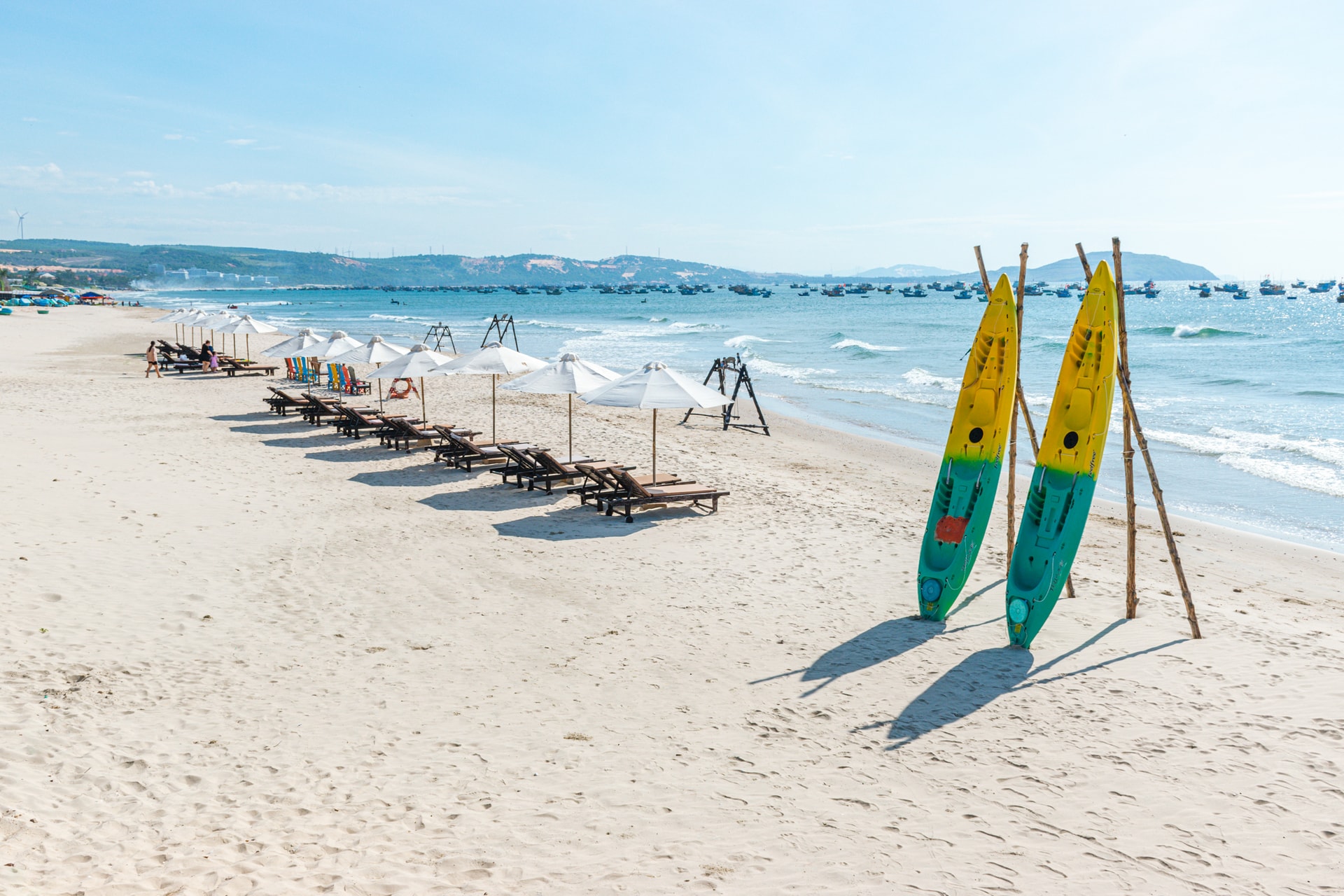
Following its administrative expansion, Lam Dong Province is emerging as one of Viet Nam’s most attractive coastal tourism destinations. Long stretches of white sand, picturesque beaches, crystal-clear water, and other natural advantages have helped make coastal tourism one of the province’s standout tourism products.

Booking.com has named Phu Quy and Da Lat among Vietnam’s top 10 most welcoming destinations for 2026. This double recognition highlights Lam Dong’s growing reputation for hospitality, reflecting strong service quality and a commitment to providing a safe and welcoming travel experience.
In addition to Da Lat, the famed “City of a Thousand Flowers,” which has long attracted both domestic and international visitors, the Phu Quy Special Administrative Zone has recently emerged as a promising destination, known for its unspoiled beauty and tranquil natural setting. The area has also drawn praise from international travel publications and online tourism platforms, being recognized as one of the East Sea’s most stunning beach destinations and included in Khaosod English’s list of the Top 10 most appealing destinations in Southeast Asia for 2026.
For travelers seeking a beach getaway, Phu Quy is well worth considering. Although the island covers less than 20 sq km and lies about 120 km southeast of Phan Thiet, the so-called “Pearl Island” is home to striking natural scenery.
Nguyen Anh Thu, a traveler from Ho Chi Minh City who visited Phu Quy during the recent Tet holiday, described the island as an ideal retreat for those wishing to reconnect with themselves amid the beauty of the sea and sky. With its crystal-clear waters, rugged hills and fresh ocean breeze, Phu Quy offers a peaceful alternative to more crowded tourist destinations, she said, adding that the warmth of the local people leaves many visitors eager to return.”
As overtourism continues to affect well-known destinations such as Bangkok and Bali, Phu Quy is gaining attention for its unspoiled character and modest level of urban development. The island offers a slower, more relaxed pace of life, standing in sharp contrast to many of the region’s busier and more densely populated beach destinations.
The best time to visit Phu Quy is from February to July, when the weather is generally pleasant, with clear skies, gentle breezes, and calm seas that are ideal for travel and outdoor activities. The island is also surrounded by small, largely untouched islets and caves, including Hon Tranh, Hon Den, Hon Giua, and Hon Trung.
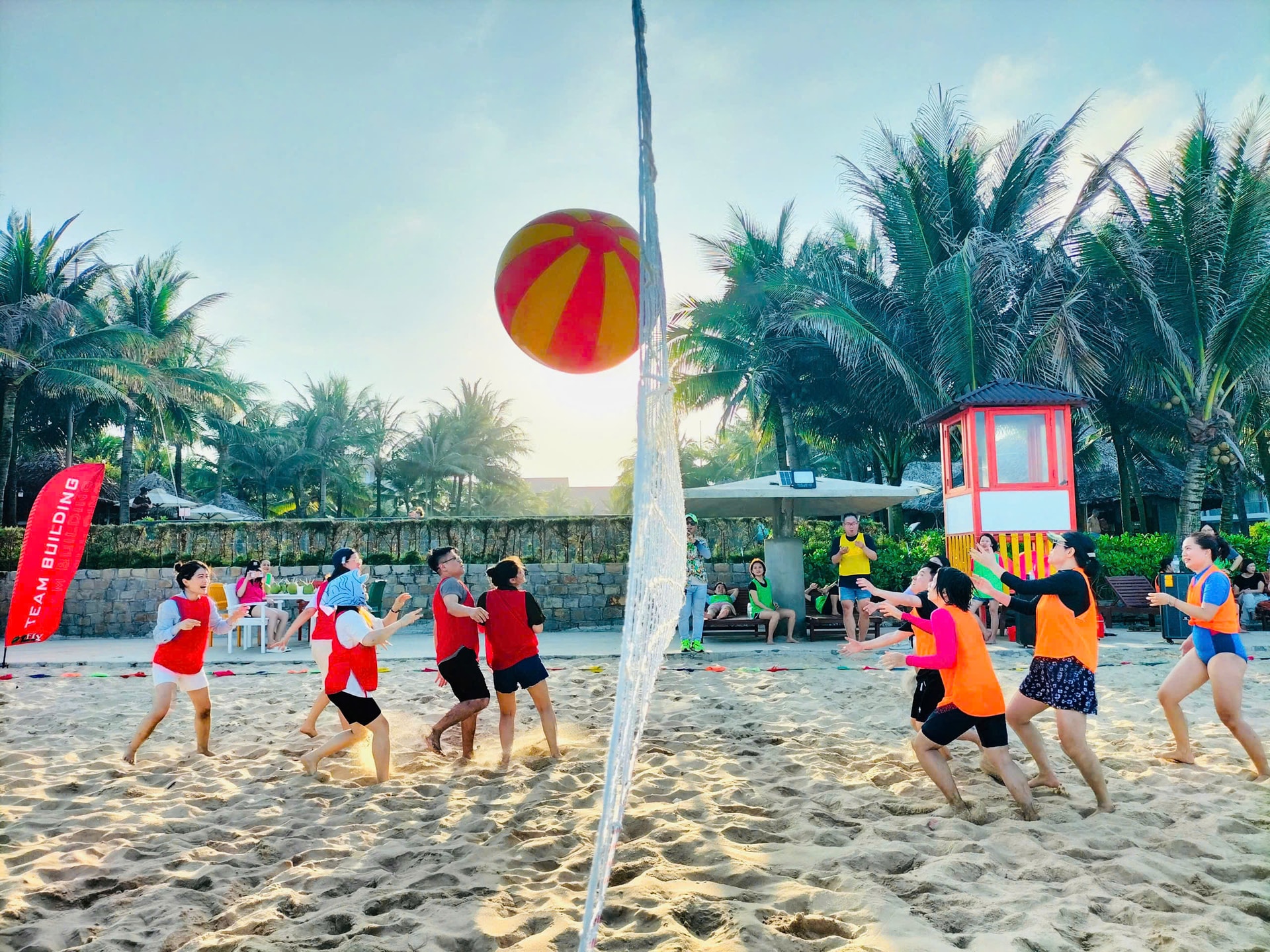
Beyond Phu Quy, coastal tourism in destinations such as Mui Ne, Tien Thanh, La Gi, Binh Thanh, and Hon Cau is also entering its peak season and is expected to grow more active in the months ahead. Many tourism operators have introduced promotional programs centered on beach experiences such as stand-up paddleboarding, coral diving, island camping for sunrise and sunset viewing, and night squid-fishing tours.
In 2026, the province aims to make significant progress in tourism development, with the goal of placing Lam Dong among the country’s top five most-visited destinations. In addition to its strengths in beach tourism, the province will promote interregional travel products and develop integrated tourism packages linking mountain, forest, and sea experiences, built around the Phan Thiet–Da Lat–Ta Dung tourism triangle.
Mr. Nguyen Van Loc, Director of the provincial Department of Culture, Sports and Tourism.
According to Do Van Mot, Strategy Director of Ong Vang Marketing (Phan Thiet), global beach tourism is increasingly pivoting toward culture, heritage, and local knowledge.
This shift in perspective is especially important for Mui Ne–Phan Thiet and other coastal areas across the province. If tourism depends solely on natural scenery, Lam Dong’s coastline will struggle to stand out from destinations such as Khanh Hoa, Vung Tau, and Phu Yen. By turning local cultural assets into distinctive tourism products — from seafood cuisine and indigenous traditions to craft villages, spiritual practices, and the region’s desert-like sand dunes — the province can build a stronger identity for its “Blue Sea Lam Dong” brand.
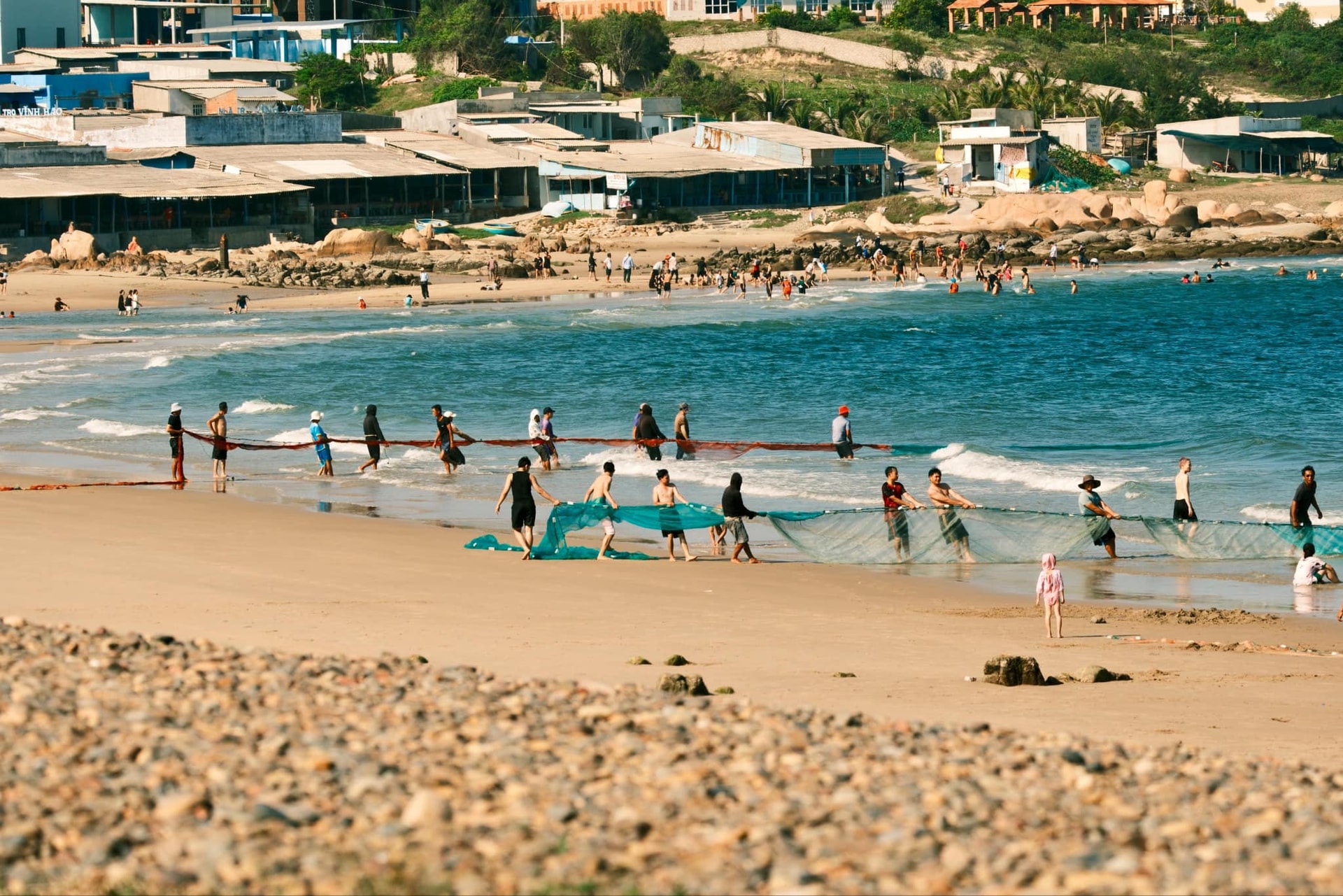
He also stressed that the sustainable development of beach tourism depends heavily on coastal communities. Fishing villages, whale worship festivals, and traditional knowledge of the sea together form a kind of “living cultural heritage” that resorts cannot replicate. Beach tourism development therefore requires a more community-centered approach, ensuring that local residents are not merely service providers but active custodians of the marine environment who both benefit from tourism and help protect it.
Tourism models based on community participation, fishing-based livelihood experiences, local seafood cuisine, and marine cultural spaces offer strong potential for the sustainable development of Lam Dong’s “Blue Sea” tourism brand. However, such development should proceed gradually and steadily, ensuring that each tourism project helps shape the long-term identity of the province’s coastal tourism sector.
In recent years, coastal resorts across the province have undergone significant transformation, upgrading infrastructure and service standards to meet international benchmarks. This shift goes beyond traditional notions of luxury, with greater emphasis placed on more personalized visitor experiences.
By early 2026, several resorts in Mui Ne continued to earn prestigious regional and international awards, reflecting the effectiveness of their management, the quality of their services, and the appeal of the destination. These accolades have helped reinforce Lam Dong’s beach tourism brand and attract higher-value visitor segments.
According to Nguyen Van Loc, the province’s 2026 tourism strategy also focuses on developing high-value tourism products, including eco-resorts, beach tourism, adventure sports, healthcare and wellness tourism, heritage and indigenous cultural tourism, MICE tourism, and the night-time economy.
Through these efforts, the province aims to improve service quality, align tourism services with national and international standards, and gradually introduce a “green tourism” certification system, reinforcing Lam Dong’s image as a sustainable, high-quality destination.