


Beekeeping Opens Up Green Livelihoods in Lam Dong
From forests rich in natural floral resources in Dung K'No to lush gardens in Cat Tien, beekeeping is opening up livelihood opportunities well suited to Lam Dong's natural conditions.
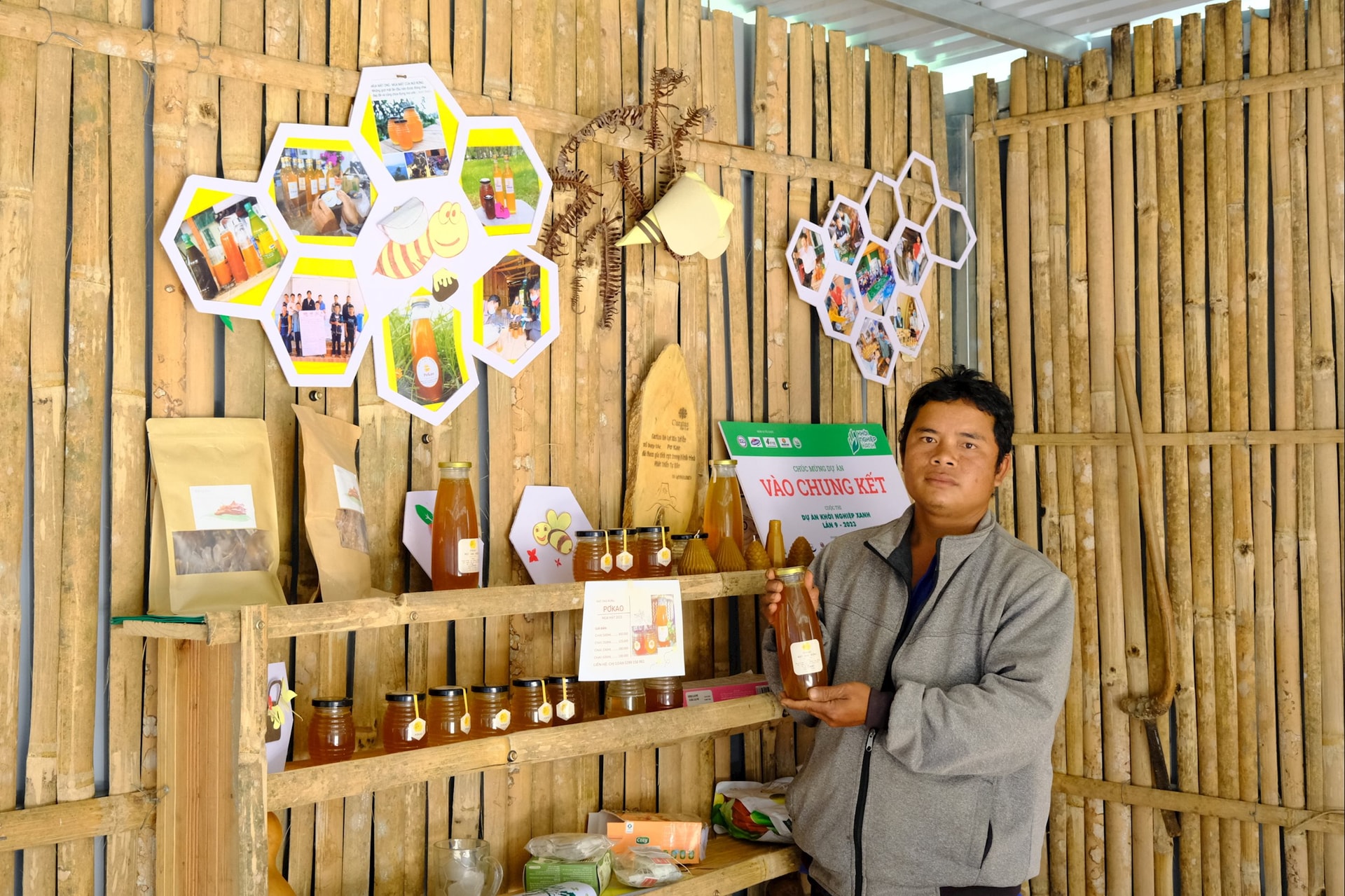
From Wild Honey Harvesting to Managed Beekeeping
Dung K'No, Dam Rong 4 Commune, is home to vast forest areas, rich biodiversity and abundant natural floral resources, creating favorable conditions for beekeeping.
For many years, local residents have traditionally searched for and harvested wild honey seasonally. However, this practice depends heavily on nature and, if carried out unsustainably, can affect bee colonies and their habitats.
In response, local people have gradually shifted toward managed beekeeping, aiming for a more sustainable approach. In 2023, the Agriculture Center of the former Lac Duong District launched a project to expand Apis mellifera honeybee farming in Dung K'No, involving three ethnic minority households.
Participating households received guidance on selecting shaded, well-ventilated and quiet locations with diverse vegetation for their beehives. This approach makes use of natural food sources from the surrounding flora while minimizing impacts on forest ecosystems.
Alongside managed beekeeping, wild honey harvesting has also been organized in a way that avoids destroying entire bee colonies. The Pokao Beekeeping Cooperative Group once had 21 members, helping transform harvesting practices, conserve wild bee populations and increase product value.
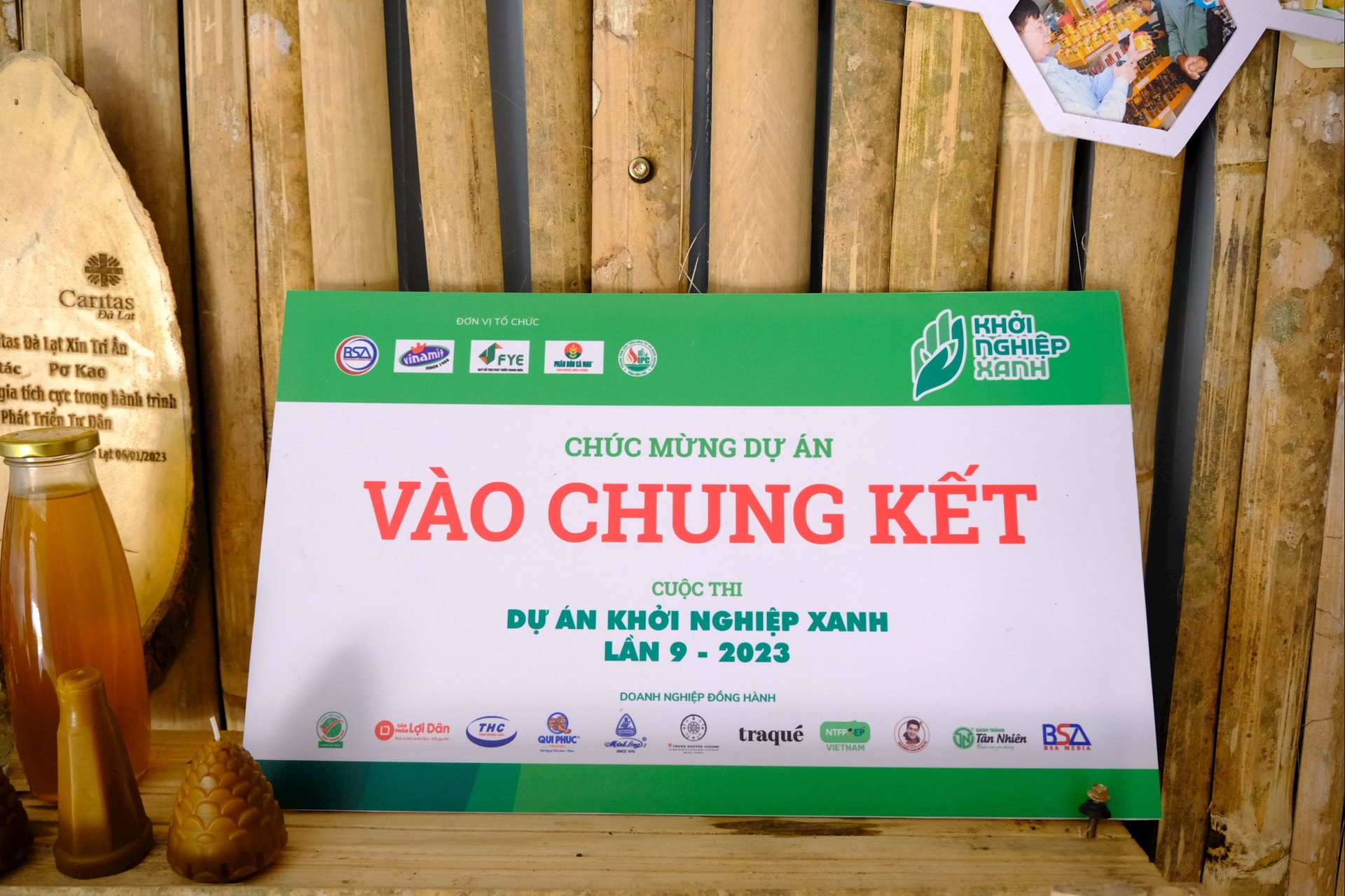
The locality has developed the collective brand Dung K'No Honey. Annual honey production in the area has at times exceeded 1,000 liters, supported by a honeybee farming network involving 24 households and groups engaged in sustainable wild honey harvesting.
From beehives placed beneath the forest canopy, beekeeping is gradually becoming a livelihood closely linked to the value of the forest. Its benefits lie not only in the honey produced but also in enabling local people to benefit from the ecosystem without directly exploiting forest resources.
Stingless Bees: A Small Livelihood with Great Value
While Dung K'No has an advantage in honeybee farming linked to natural forests, stingless beekeeping in the Cat Tien area is opening up another model well suited to local gardens and ecosystems.
In Cat Tien and Cat Tien 2 communes, residents make use of fruit orchards, native trees, flowers around residential areas and floral resources from nearby forests to raise stingless bees.
The model requires little space and modest investment and can be implemented directly in household gardens, providing an additional source of income for local families.
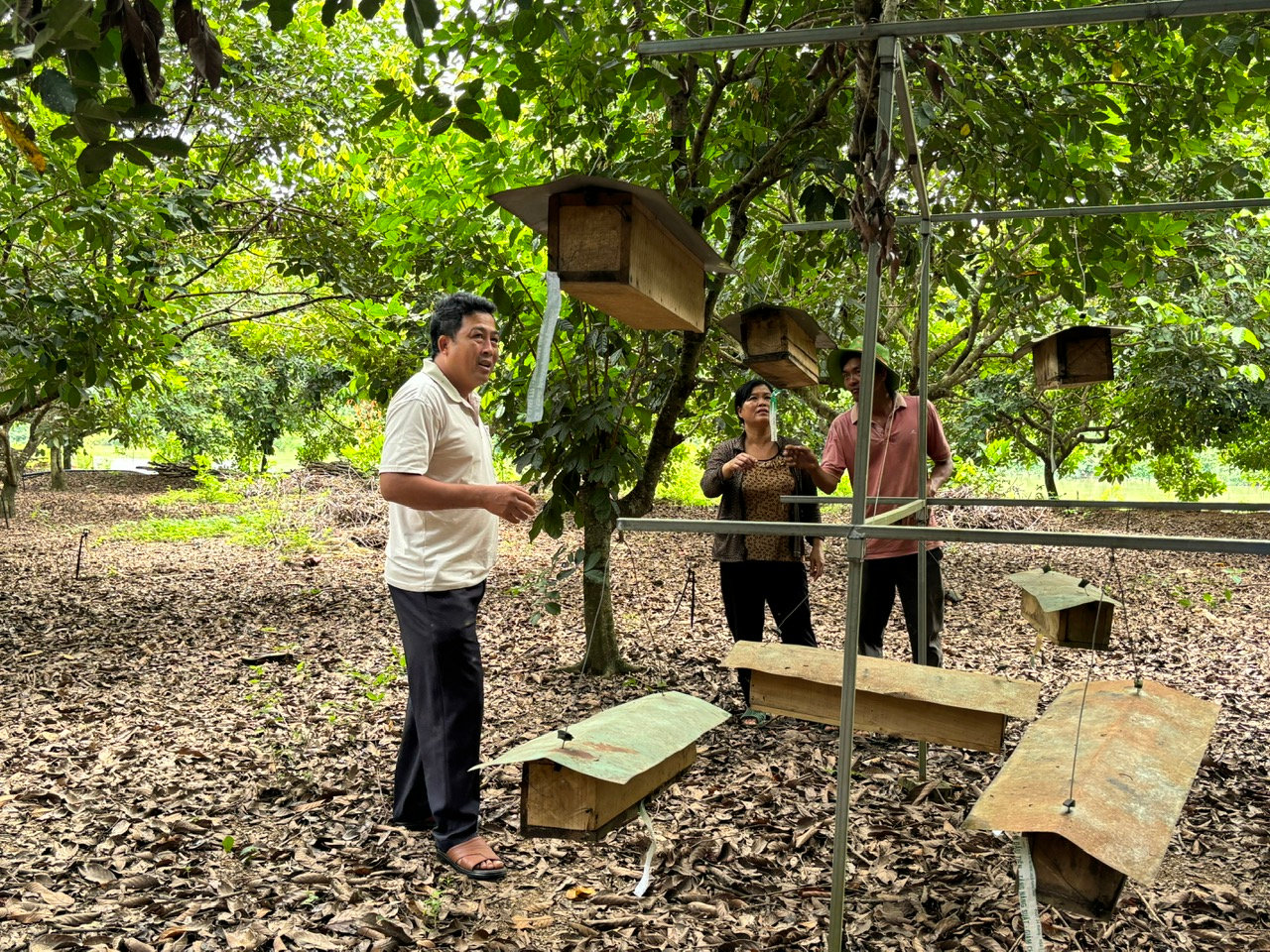
Tran Van Thuc is among those who have long been involved in stingless beekeeping in the area. He currently maintains around 170 bee colonies and harvests approximately 150 liters of honey each year. With honey selling for VND 900,000 to VND 1 million per liter, depending on the season, the activity generates annual income of more than VND 150 million for his family.
In addition to selling honey, he also supplies newly divided bee colonies to residents wishing to start beekeeping, at around VND 1.5 million per colony. The model therefore creates value through both honey production and colony propagation.
More than 30 households in the Cat Tien area are currently raising stingless bees, with a combined total of around 700 colonies. Depending on their individual conditions, households keep anywhere from several dozen to several hundred colonies.
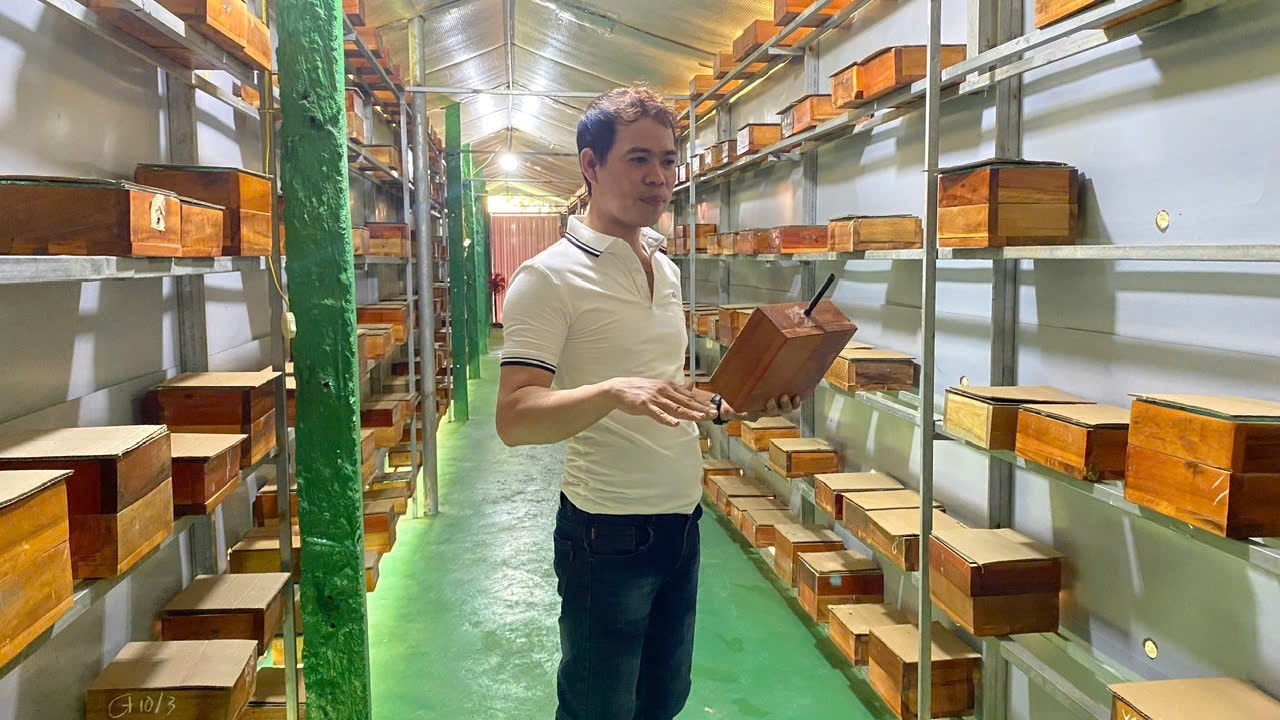
Compared with honeybees, stingless bees are smaller and, as their name suggests, do not sting, making them easier to manage. Colonies can be kept in wooden boxes placed on the ground or hung around tree trunks. Their honey is particularly valuable and increasingly favored by consumers, offering strong potential for development into a distinctive local product.
A common feature of the models in Dung K'No and the Cat Tien area is that these livelihoods are closely tied to natural conditions. Bee colonies depend on flowers, vegetation and a stable environment. Protecting ecosystems, therefore, also means protecting the livelihoods of beekeepers.
In forest areas, maintaining vegetation and native trees helps provide natural food sources for bees. In fruit orchards, crop diversity and efforts to limit harmful impacts on the environment also contribute to sustaining bee colonies.
This is one of beekeeping's advantages over production models that require expanding land use. Local people do not need to convert additional forest land to generate income. On the contrary, the better forests, trees and floral resources are protected, the more favorable conditions there are for bee colonies to thrive.
From these small bee colonies, a green livelihood is gradually taking shape in many parts of Lam Dong. When people can earn additional income from forest ecosystems without having to exploit the forests themselves, economic and environmental benefits can go hand in hand.