


Bidoup–Nui Ba and the Rise of Sustainable Forest Tourism
As global travel trends shift toward sustainability and more immersive experiences, Bidoup – Nui Ba National Park is emerging as one of Vietnam’s most compelling eco-tourism destinations—where biodiversity, culture, and conservation converge in the Central Highlands.
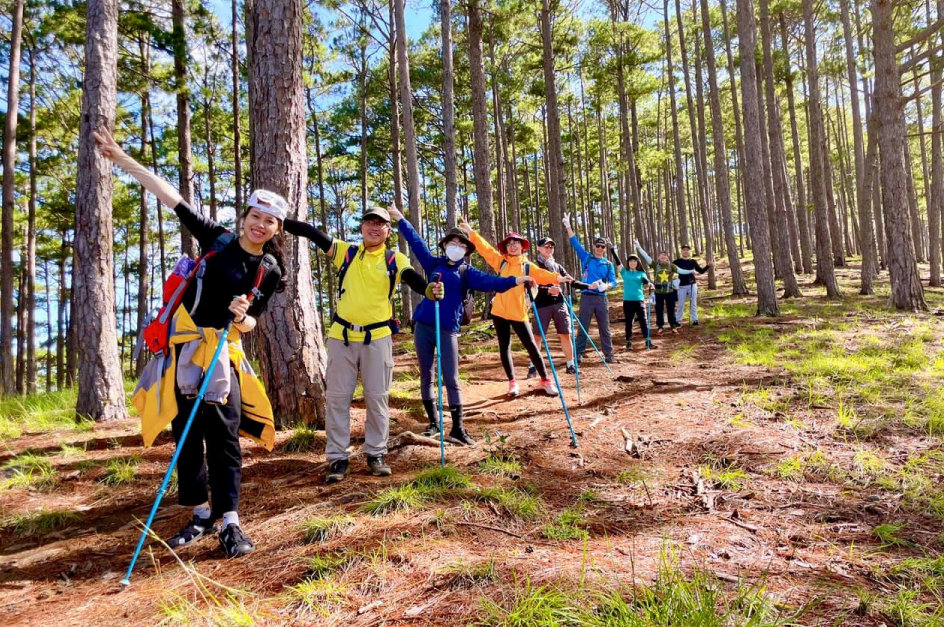
A biodiversity powerhouse in Southeast Asia
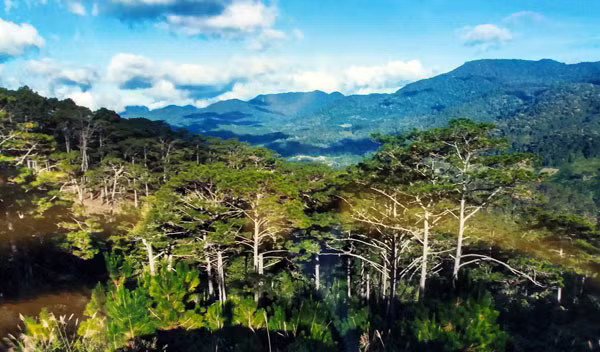
Located on the Lang Biang Plateau, about 50 kilometers from Da Lat, Bidoup–Nui Ba spans more than 70,000 hectares and forms the core of the Lang Biang Biosphere Reserve recognized by UNESCO.
With approximately 91% of its area covered by forest—much of it primary rainforest—the park is considered one of Vietnam’s richest biodiversity centers. Nearly 2,000 plant species have been recorded here, including dozens of rare and endemic species listed in national and international conservation catalogs.
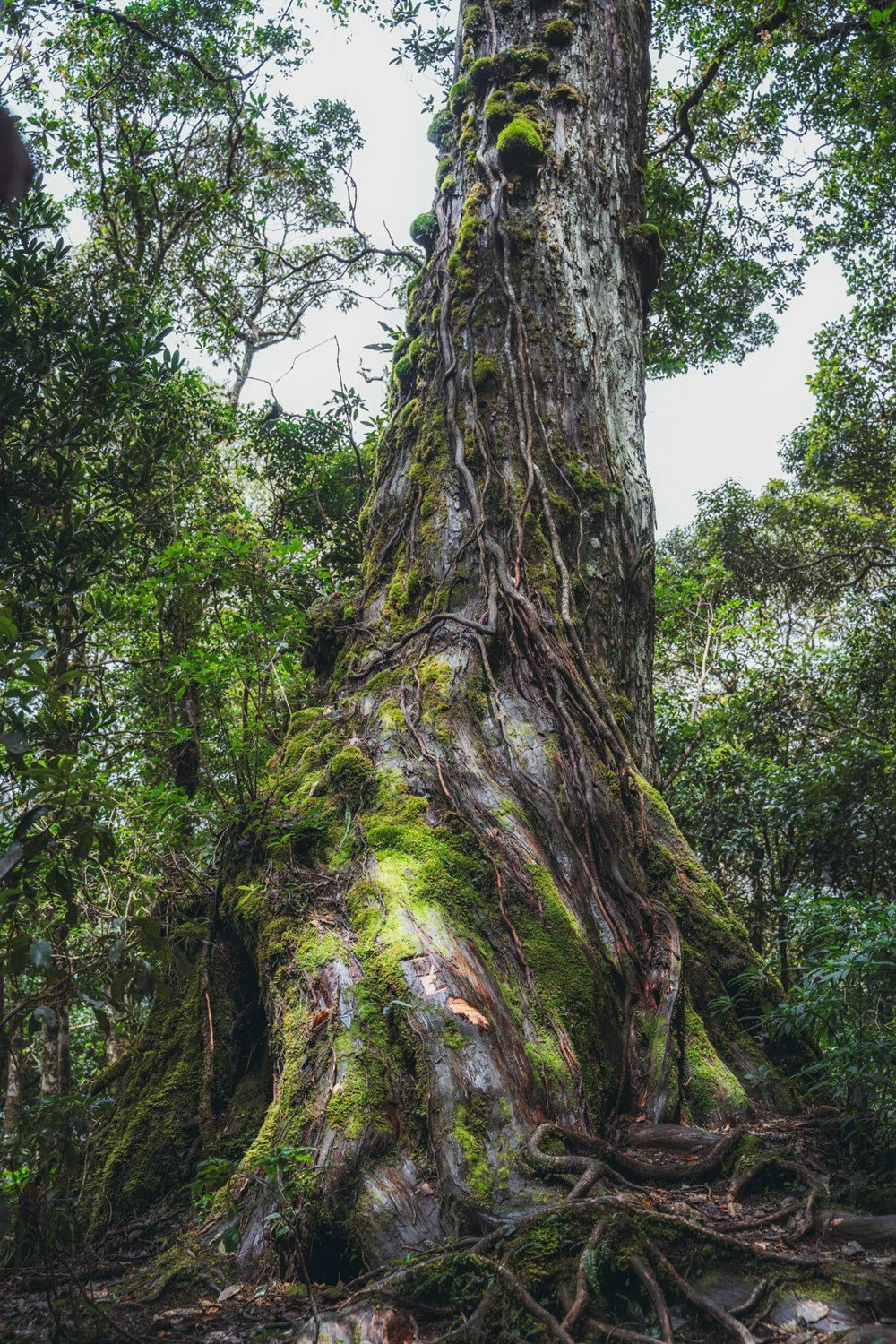
The park is also known as a “kingdom of orchids,” home to over 250 orchid species, alongside ancient coniferous trees such as red pine and po mu. Its fauna is equally significant, with dozens of rare species including primates, large mammals, and endemic wildlife inhabiting the dense forest ecosystems.
This ecological wealth positions Bidoup–Nui Ba not only as a conservation priority but also as a natural laboratory for scientific research and environmental education.
Immersive travel in untouched nature
Unlike mass tourism destinations, Bidoup–Nui Ba offers a quieter, more immersive experience. With an average temperature ranging from 18 to 22°C year-round, the park provides ideal conditions for trekking, camping, and nature exploration.
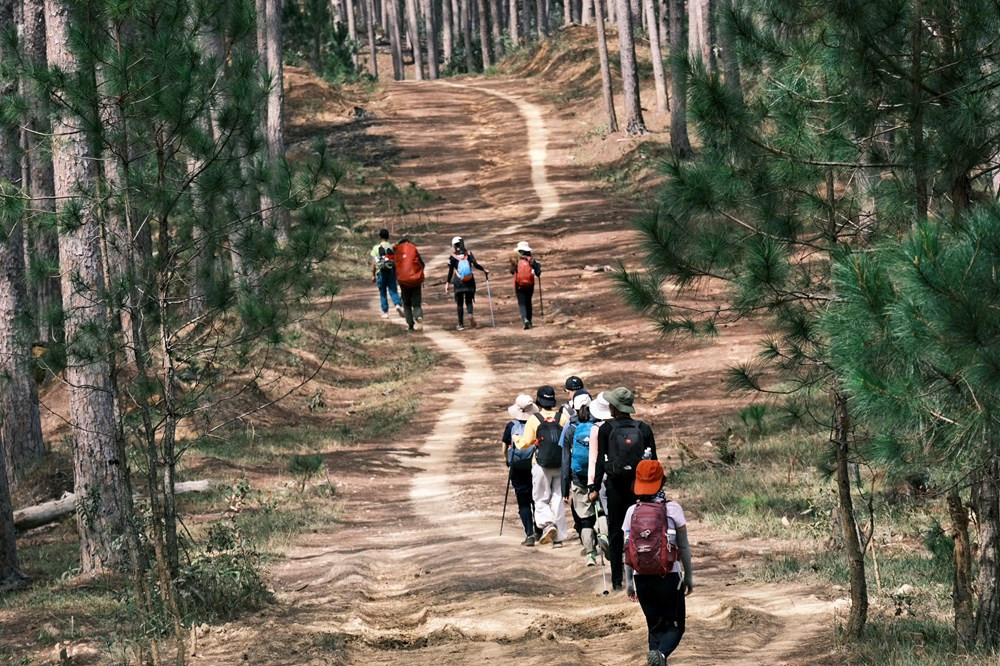
Visitors can embark on guided routes such as the Bidoup summit trail—often referred to as the “roof of Lam Dong”—or explore biodiversity trails, waterfalls, and ancient forest corridors. Each journey reveals layered ecosystems, from evergreen broadleaf forests to moss-covered landscapes at higher elevations.
The experience is not defined by speed or volume, but by connection to the forest, to the rhythm of nature, and to the sense of scale that wilderness provides.
Culture, community, and responsible tourism
Beyond its natural assets, Bidoup–Nui Ba is also home to long-established communities, particularly the K’ho ethnic group. Integrating local culture into tourism has become a central pillar of the park’s development strategy.
Community-based experiences—such as forest guiding, traditional storytelling, and local cuisine—offer visitors insight into indigenous knowledge systems and sustainable living practices. At the same time, these activities create stable livelihoods, reducing pressure on forest resources.
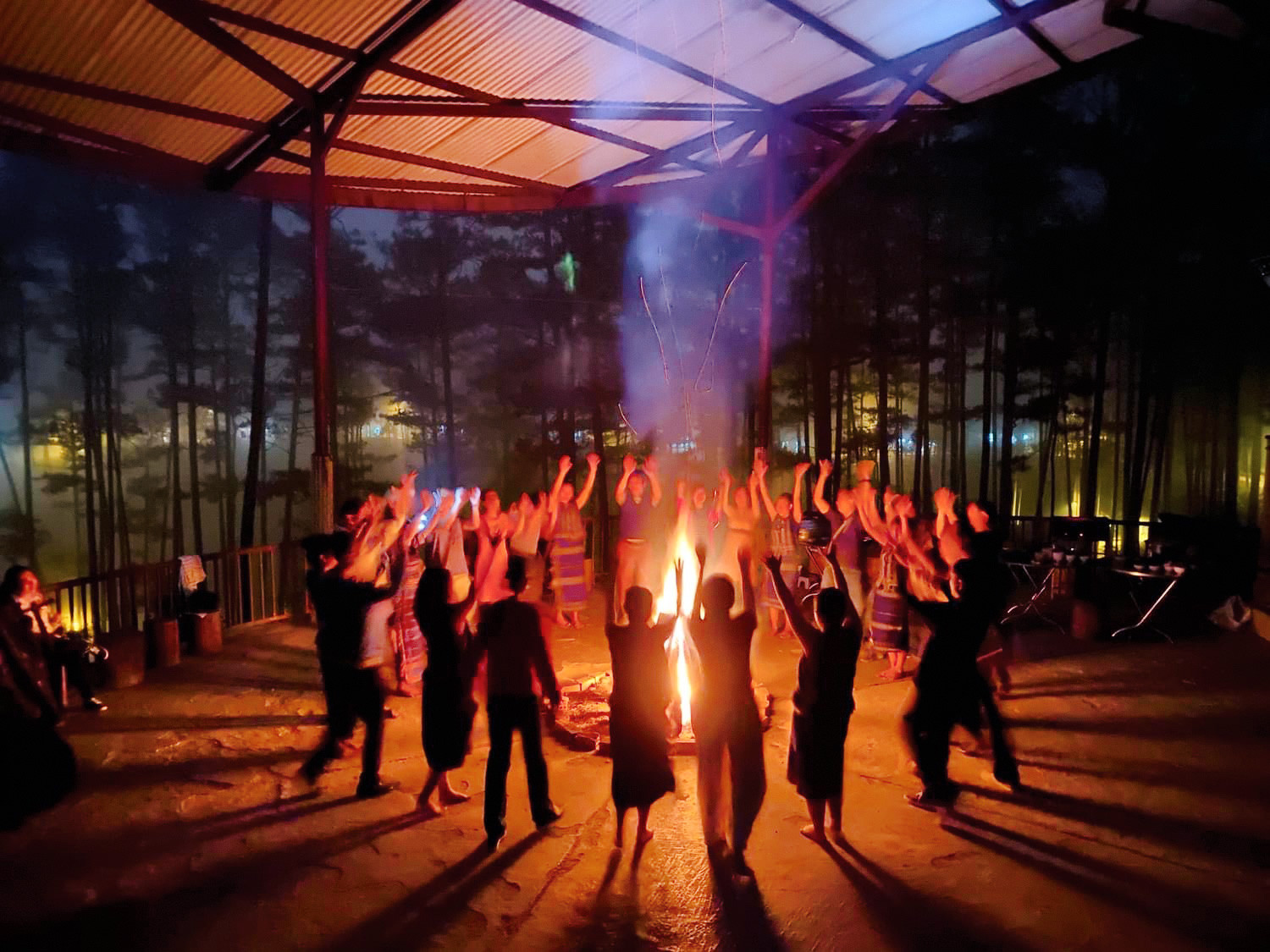
Local residents are increasingly engaged as guides, service providers, and cultural ambassadors, reflecting a model where tourism supports both conservation and community development.
A model for sustainable tourism development
Recognized as an official tourism site in 2024, Bidoup–Nui Ba is being developed under a controlled, conservation-first approach. Visitor numbers are managed, infrastructure expansion is limited, and the principle of “leave no trace” is actively promoted.
Environmental education is another key focus. Programs designed for students and young travelers aim to raise awareness of biodiversity conservation, climate change adaptation, and sustainable practices.
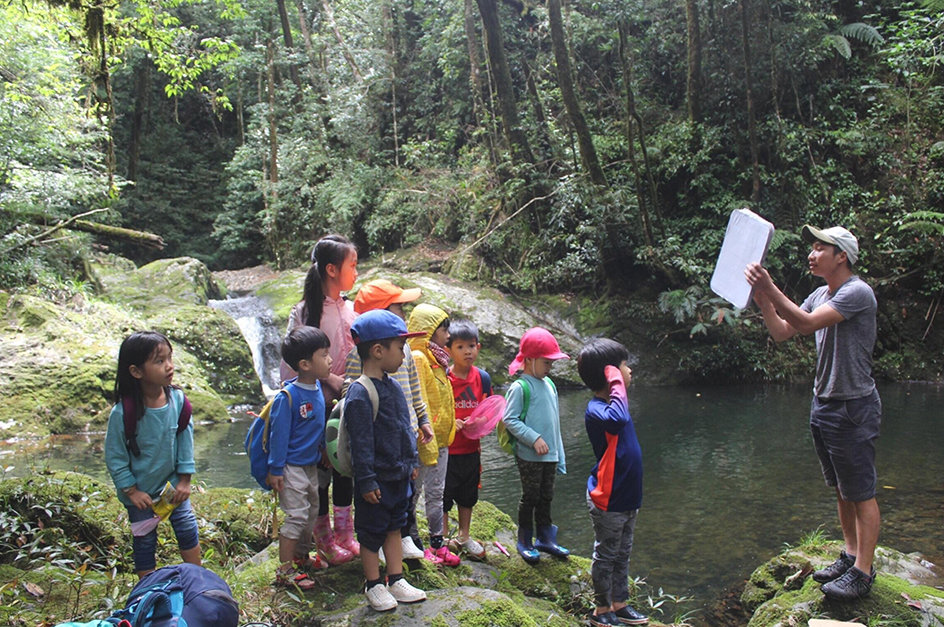
This approach aligns with a broader shift in global tourism—from high-volume travel to high-value, low-impact experiences.
Redefining Vietnam’s tourism identity
As Vietnam positions itself on the global travel map, destinations like Bidoup–Nui Ba play a critical role in shaping a new identity—one that goes beyond beaches and urban attractions.
Here, tourism is not just about visiting a place, but about understanding ecosystems, respecting local cultures, and reconnecting with nature in a meaningful way.
In an era when travelers increasingly seek authenticity and sustainability, Bidoup–Nui Ba stands out as a destination that offers both—quietly, powerfully, and with lasting impact.