


Boosting Agricultural Cooperatives for Sustainable Growth
Despite its rich agricultural resources, several localities in western Lam Dong have yet to fully capitalize on the potential of agricultural cooperatives as a driver of sustainable rural development.
Building on Existing Strengths
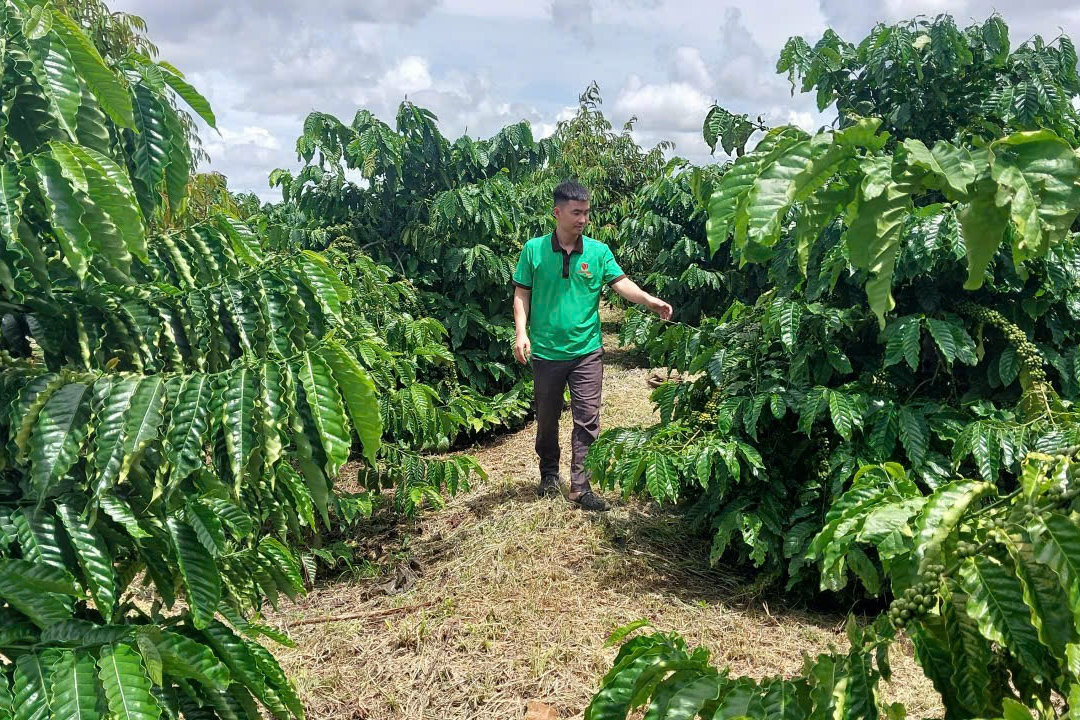
Dak Sak Commune is one of the province's key agricultural areas, where farming accounts for more than 65% of the local economy. The commune has over 8,100 hectares of perennial industrial crops and fruit trees, including more than 6,100 hectares of coffee, 850 hectares of pepper, over 500 hectares of fruit trees, and approximately 2,500 hectares of annual crops.
With abundant land resources and steadily improving product quality, the commune is promoting high-tech agriculture while supporting farmers, cooperatives, and businesses. However, local authorities acknowledge that the cooperative sector remains a weak link requiring targeted solutions.
According to Nguyen Van Pho, Chairman of the Dak Sak Commune People's Committee, most cooperatives remain small in scale, face financial constraints, and lack sufficient investment capital. Management capacity also needs improvement, particularly in developing effective production and business strategies.
To address these challenges, the commune is focusing on high-potential sectors such as coffee, fruit, and competitive specialty products. Authorities are working with banks and credit institutions to improve access to preferential loans while expanding training programs to strengthen cooperative management and operational capacity.
Nam Dong Commune faces similar challenges. Although it has around 6,600 hectares of perennial crops—including coffee, cashew, and rubber—as well as roughly 6,000 hectares of annual crops, agricultural cooperatives have yet to match the area's development potential.
Local officials attribute this partly to weak and unstable production and marketing linkages, as well as inconsistent product quality, which discourages investment in agriculture.
Driving Cooperative Development
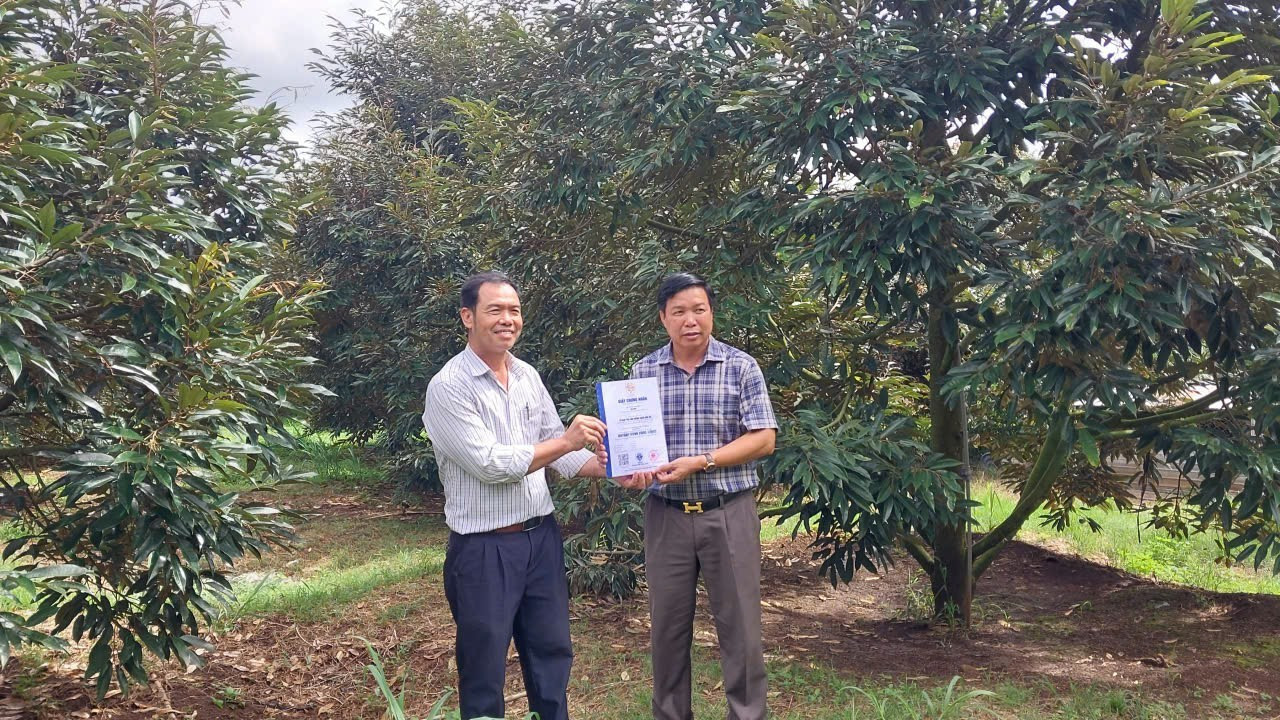
Nguyen Anh Dong, Vice Chairman of the Nam Dong Commune People's Committee, said the locality is encouraging more farmers to join cooperatives and promoting land consolidation to establish larger production zones.
At the same time, local authorities are providing training in business planning, financial management, accounting, production linkages, product marketing, and access to government support policies.
The western region of Lam Dong, comprising 28 communes and wards, has more than 378,000 hectares of agricultural land, accounting for 58% of its natural area. The region is home to three agricultural cooperative unions and 259 agricultural cooperatives with more than 5,000 members. On average, each cooperative generates annual revenue of approximately VND 1.5 billion.
While many cooperatives have grown steadily with support from government policies, local authorities acknowledge that the collective economy still falls short of its full potential.
Authorities are therefore seeking to leverage investment opportunities and policy support to transform agricultural cooperatives into a stronger engine of endogenous growth, helping farmers strengthen collaboration, improve incomes, and promote sustainable agricultural development.