


Breaking "Bottlenecks", boosting Eastern Lam Dong’s Economy
Eastern Lam Dong (former Binh Thuan) holds significant potential—particularly in the marine economy—but unlocking it will require decisive, strategic policy actions rather than broad planning frameworks.
Accelerating key driver projects
Often described as Vietnam’s “resort capital,” and known for its sun, wind and rich marine resources, eastern Lam Dong holds a range of competitive advantages. The area is also benefiting from better transport links and convenient access to airports and seaports.
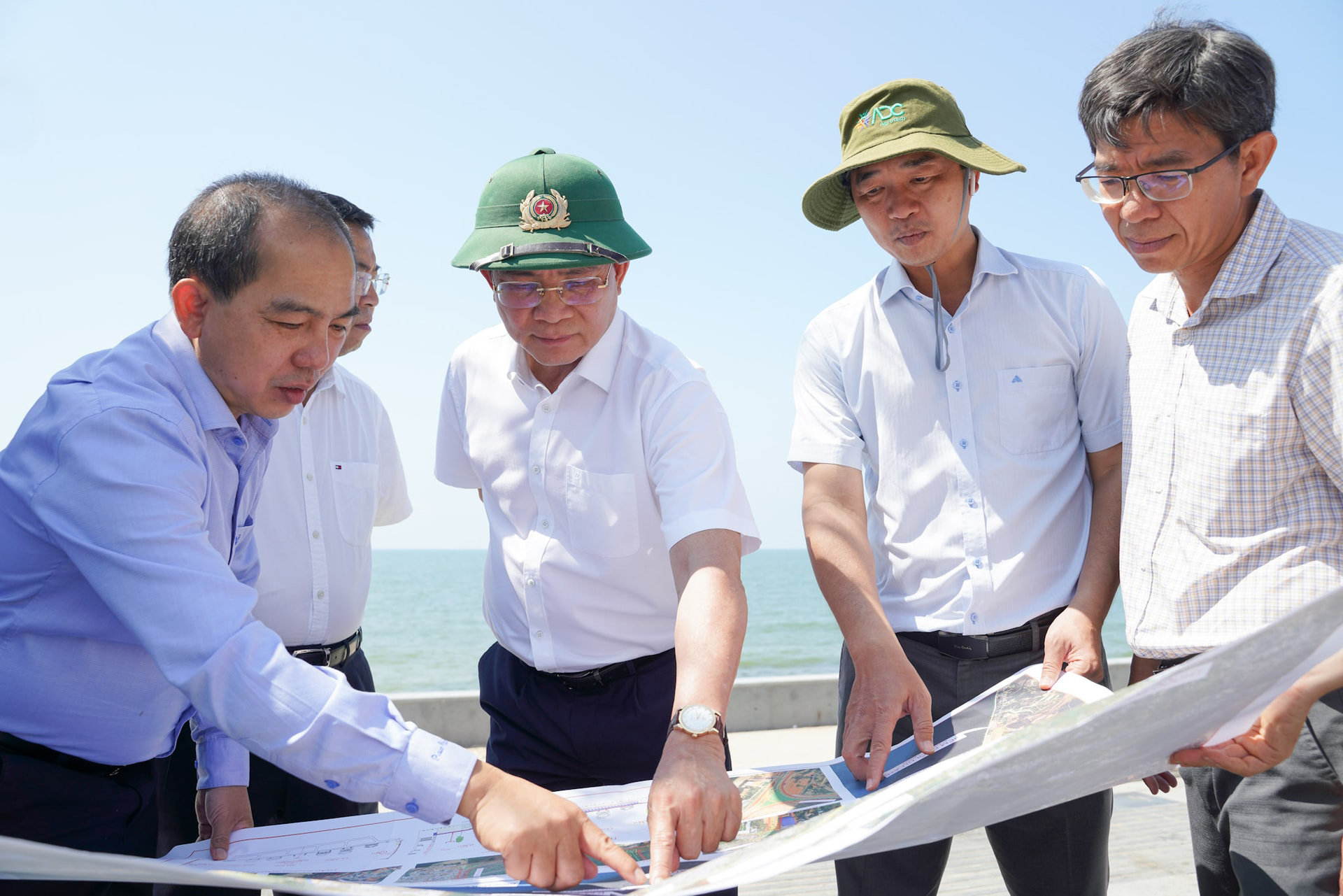
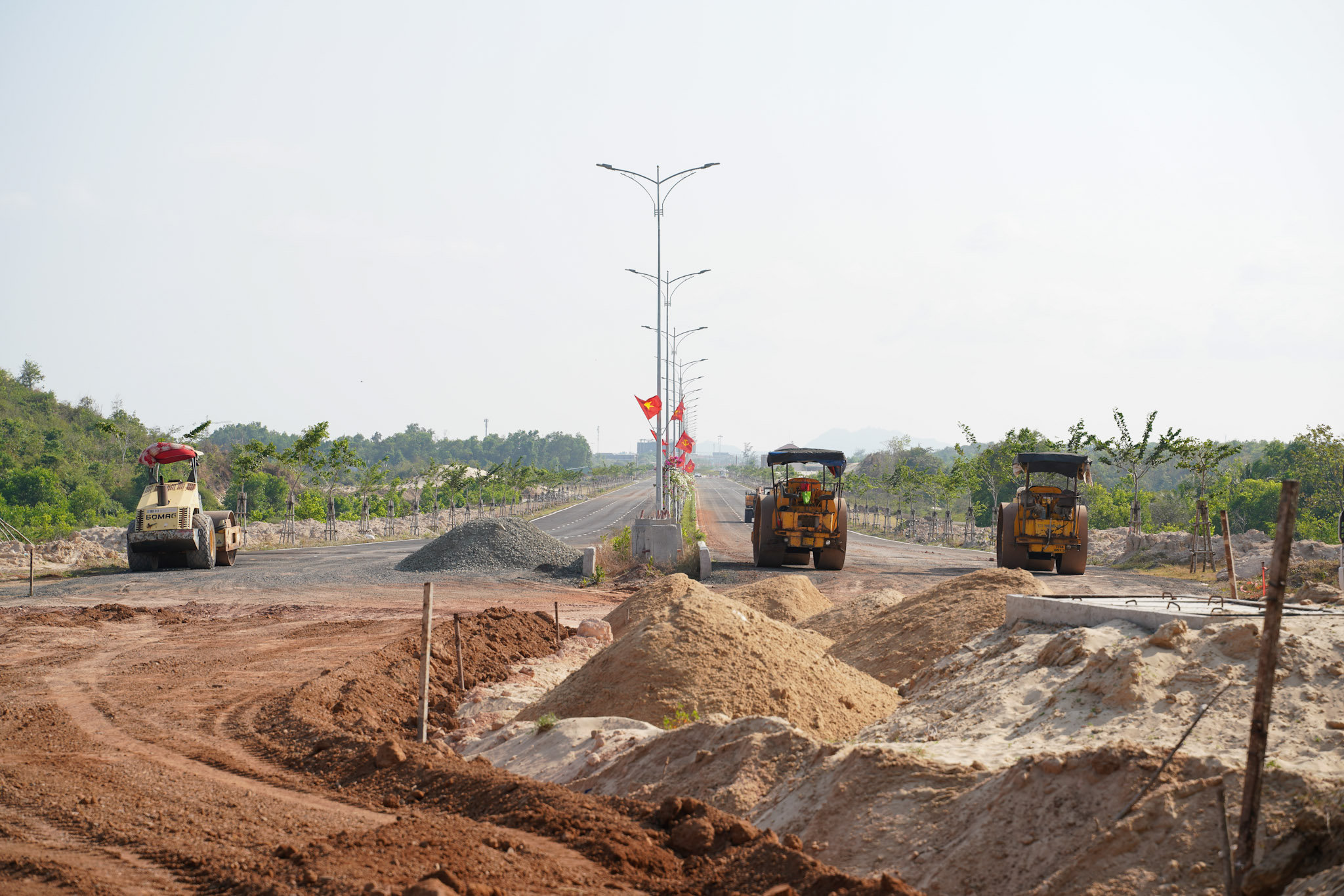
A central priority is the coastal road project—long anticipated by both residents and local authorities. The project is expected to enhance regional connectivity, particularly along the province’s coastline, and act as a catalyst for socio-economic development.
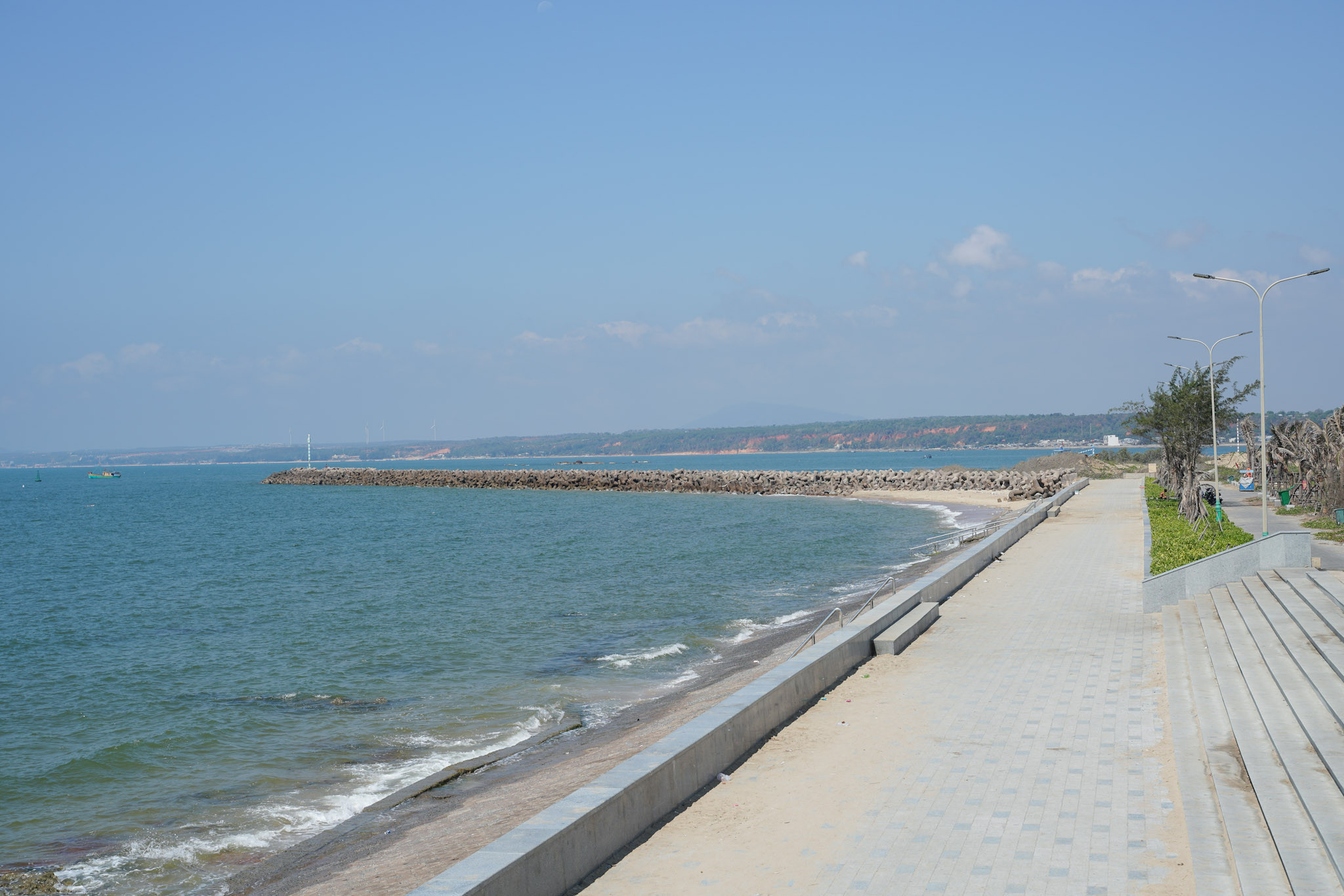
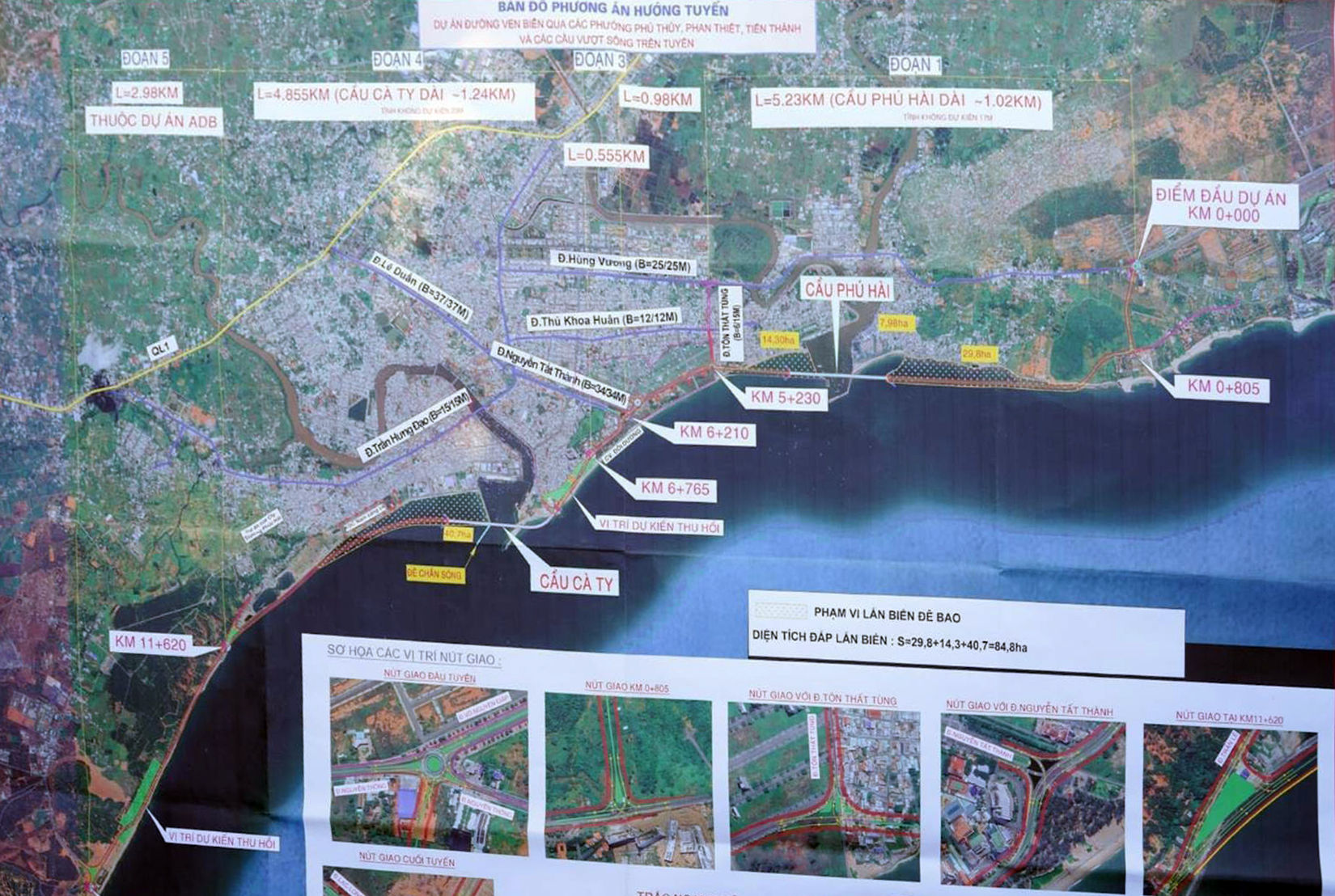
The 14.6-km route, designed with six lanes, will connect the DT706B Roundabout in Phu Thuy Ward to DT719 at Campuchia Slope in Tien Thanh Ward. The project carries an estimated investment of VND9.49 trillion under a public-private partnership (PPP) model.
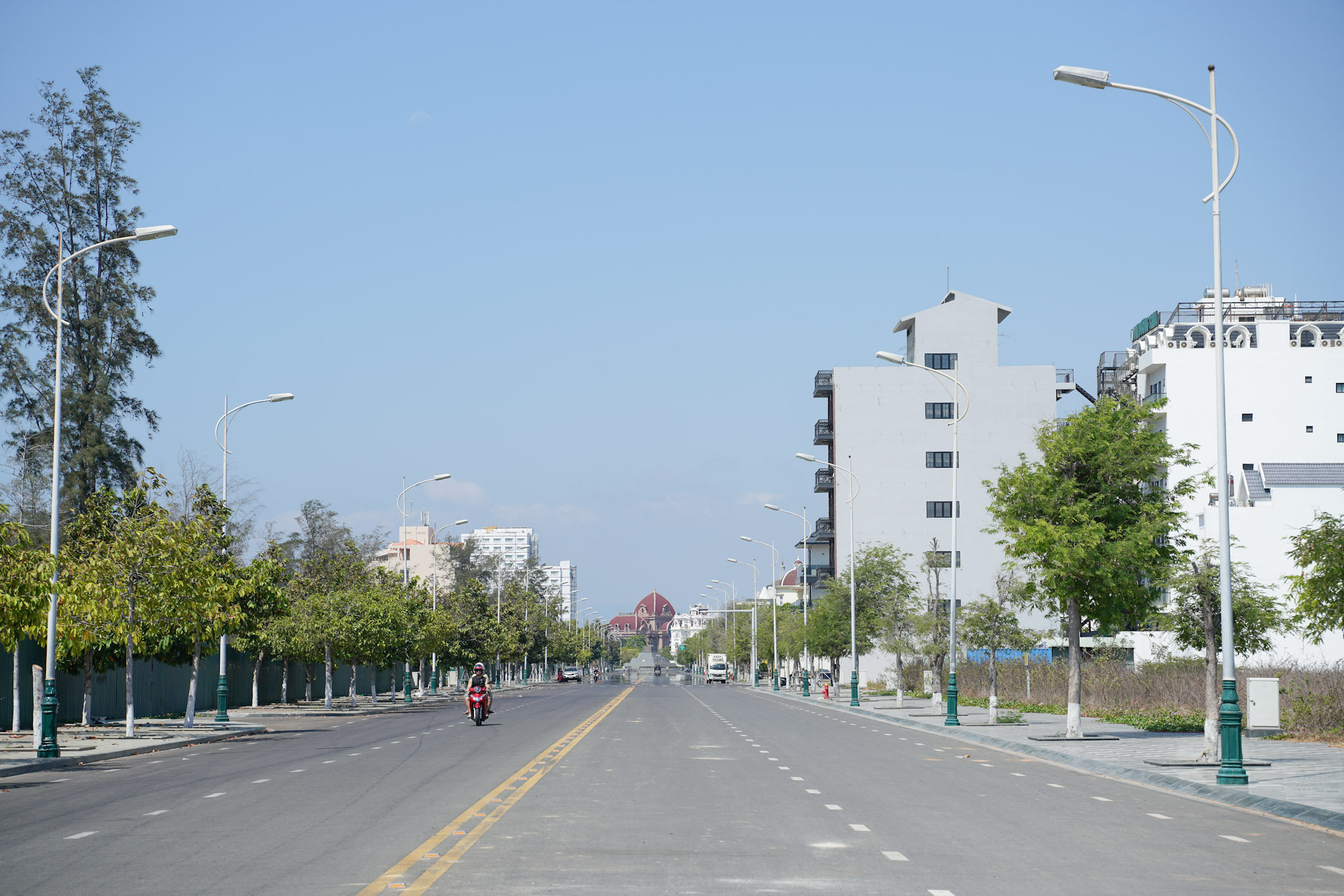
Urban planning along the corridor integrates green spaces, parks, commercial-service zones, and high-rise housing, aiming to develop a modern coastal urban area balancing economic growth and environmental sustainability.
Chairman Ho Van Muoi underscored the project’s strategic role, describing coastal infrastructure as critical to unlocking the region’s marine economic potential and driving broader provincial growth.
“To accelerate progress, investors must select financially capable contractors. Local authorities must strengthen land management and ensure environmental protection,” Chairman Ho Van Muoi said.
According to Le Ngoc Tien, Director of the Department of Construction, pre-feasibility studies are underway, with inter-ward planning being coordinated to ensure project alignment and implementation readiness.
Beyond transport infrastructure, service and urban development projects are also being expedited. Once operational, these projects are expected to provide a strong boost to eastern Lam Dong’s growth.
Activating a coastal economic zone
Alongside infrastructure development, Lam Dong is intensifying efforts to attract large-scale investments in seaports, energy, industry, and services—aligned with industrial, urban, and logistics expansion.
Authorities are actively advancing plans for a coastal economic zone exceeding 55,000 hectares, including both land and marine areas. The proposed zone spans five localities: Son My, Ham Tan, Tan Hai, Phuoc Hoi, and La Gi.
The area benefits from strategic connectivity to major transport corridors, including National Highways 1A and 55, and key provincial routes linking to Ho Chi Minh City.
Phan Duong Cuong, head of the provincial industrial zones authority, said the zone offers long-term development potential as a multi-sector economic hub integrating industry, urban development, logistics, tourism, and energy.
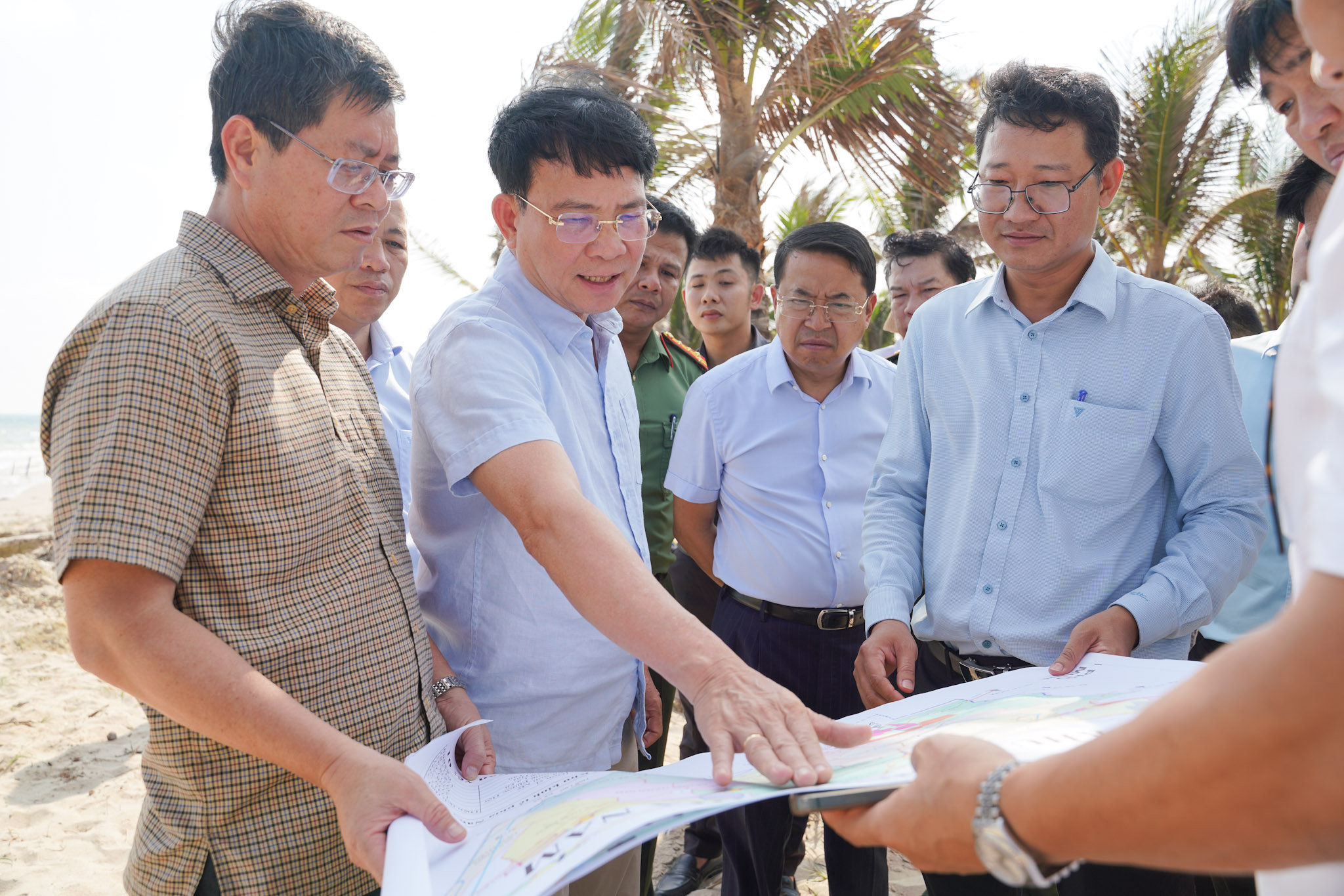
Ton Thien San, Director of the Department of Finance, added that the province meets key criteria for establishing a coastal economic zone, which would significantly boost economic growth, job creation, and state revenues.
Chairman Ho Van Muoi confirmed broad consensus among agencies and localities on the proposal, emphasizing that while the process will be long-term, the opportunity is substantial.
“Lam Dong has strong advantages in land, infrastructure, and connectivity. If realized, the coastal economic zone will be a major driver for future growth,” he said.
Removing bottlenecks to unlock growth
Despite its advantages, eastern Lam Dong faces persistent bottlenecks that constrain development. Provincial leaders have intensified site inspections and working sessions to identify and address these constraints.
In the first quarter of 2026 alone, six high-level inspection visits were conducted in the area—reflecting strong political commitment to activating this growth pole.
According to Chairman Ho Van Muoi, effective planning is the foundation for investment attraction. He called for the engagement of international strategic consultants to support both general and detailed planning.
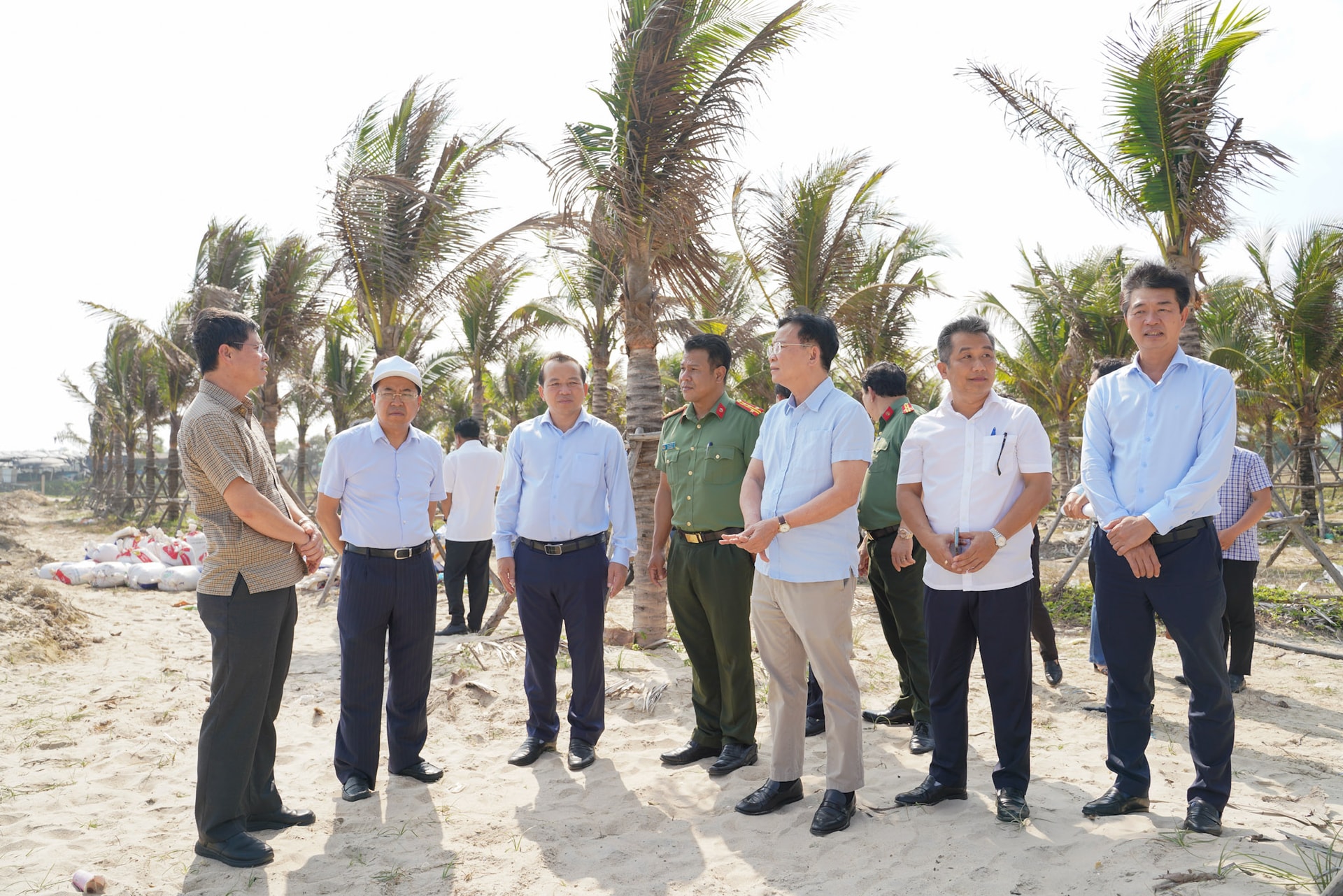
Local authorities were also urged to integrate commune-level planning into the provincial master plan to maximize land-use efficiency and avoid overlaps.
In parallel, local governments are expected to take a more proactive role in resolving investment bottlenecks, particularly for non-budget projects, where local insight is critical.
Land clearance remains another key challenge. Authorities were instructed to act decisively to ensure “clean land” availability, enabling project implementation and infrastructure development.
Administrative reform is also being prioritized to streamline procedures and create a more favorable environment for businesses and investors.
With coordinated efforts to address these constraints, Lam Dong aims to unlock the full potential of its eastern region—laying the groundwork for a new growth engine in the years ahead.
.jpeg)