


Bringing History Closer to Young People Through Technology
From 3D museums and digital archives to QR codes and immersive online platforms, history is becoming more vivid, accessible and engaging for younger generations.
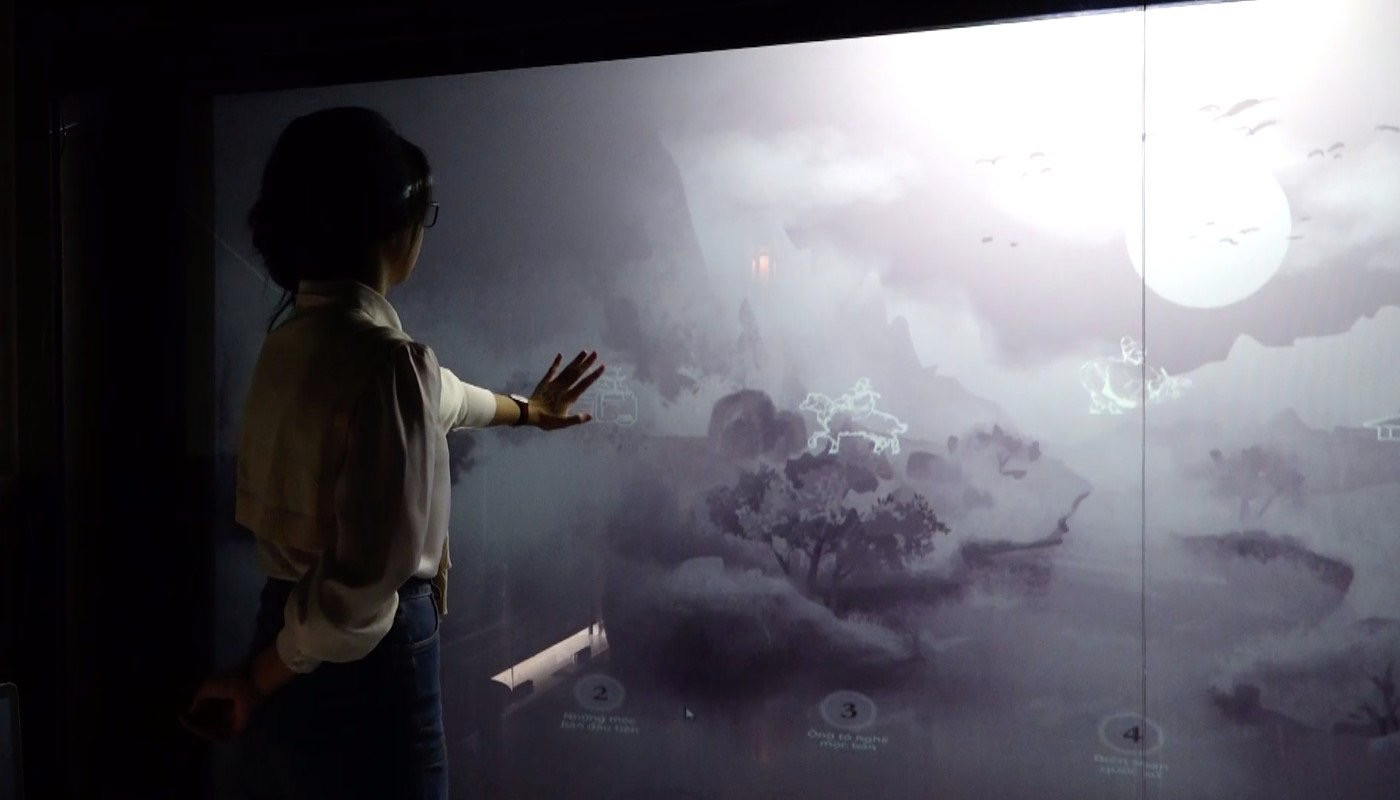
When History Enters the Digital Space
At many museums and heritage sites across Lam Dong, digital transformation is no longer just a trend — it is becoming an essential part of preserving and promoting cultural heritage values. Artifacts once accessible only through direct visits can now be explored, interacted with and researched on digital platforms.
According to the province’s Department of Culture, Sports and Tourism, Lam Dong is implementing its cultural heritage digitization program for the 2021–2030 period and preparing nearly 12,000 artifact records to build a comprehensive local heritage database.
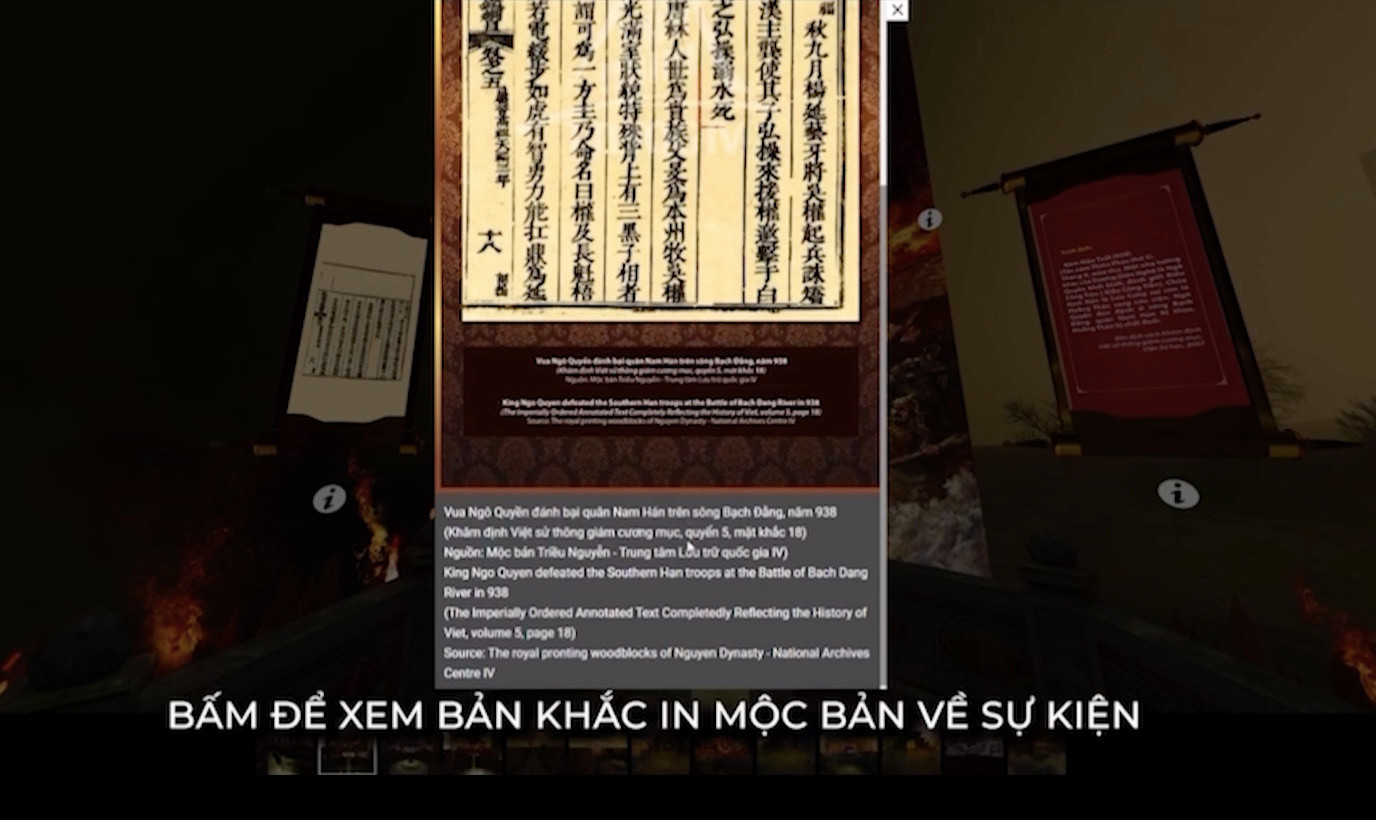
Notably, the “Digitization of Artifacts and Archives at Lam Dong Museum” project for the 2026–2028 period, with a total investment of approximately VND 50 billion, will digitize more than 60,000 artifacts while developing a 3D virtual tour system and modern multimedia screening rooms.
Beyond preservation, digital technology is also reshaping how the public engages with history.
“Instead of long descriptive panels, museums are now integrating QR codes, interactive images, projection videos and virtual reality technology, allowing visitors to explore information easily through smartphones,” said Dr. Nguyen Thi Ha Giang, lecturer at Da Lat University.
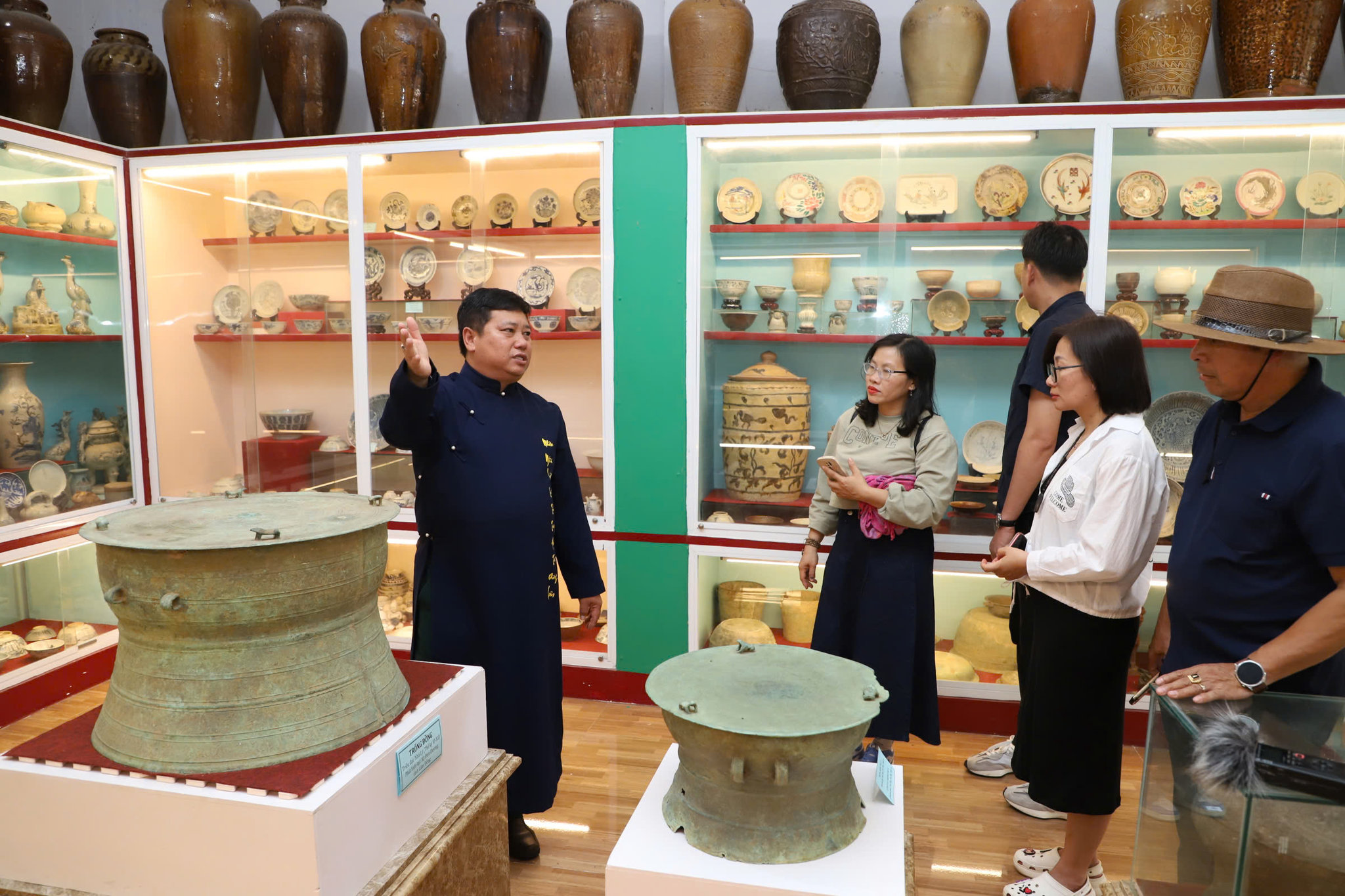
Recently, under the “Love Vietnam So Much” program, historical sites in Lam Dong such as Lam Dong Museum, Da Lat Children’s Prison and Cat Tien Archaeological Site have integrated chip technology and digital platforms to help visitors access heritage information more quickly and conveniently.
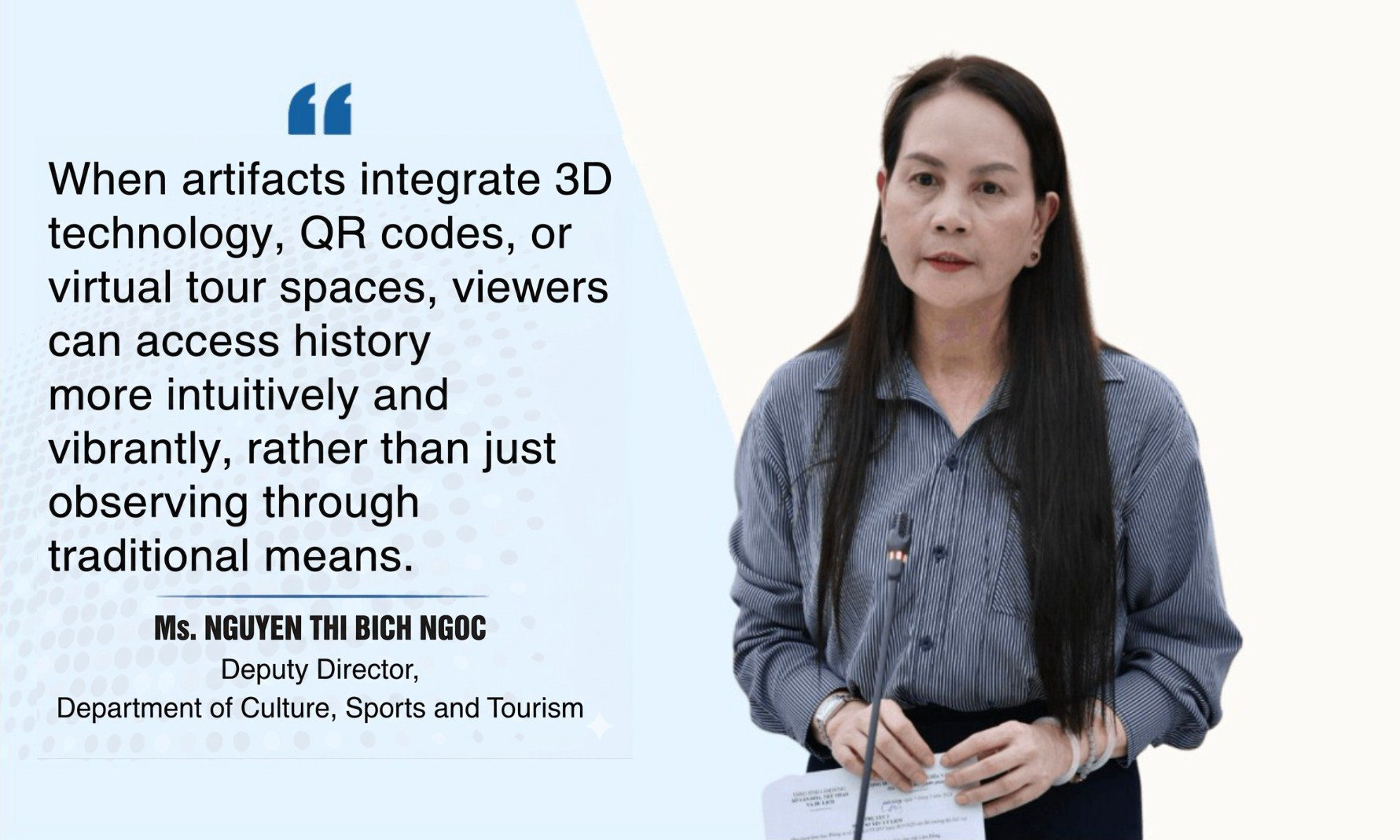
Nguyen Thi Bich Ngoc, Deputy Director of the Lam Dong Department of Culture, Sports and Tourism, said digitizing artifacts and archival materials has become a key solution for bringing heritage closer to the public, especially young people.
Bringing Heritage Closer to Younger Generations
As young people spend much of their time in digital environments, bringing history onto digital platforms is increasingly seen as a necessary approach to ensure heritage remains connected to modern life.
According to cultural experts, digitization is not merely about storing data — it is also about expanding access to heritage. Once an artifact is digitized, young people anywhere can explore, study and interact with it without limitations of space or time.
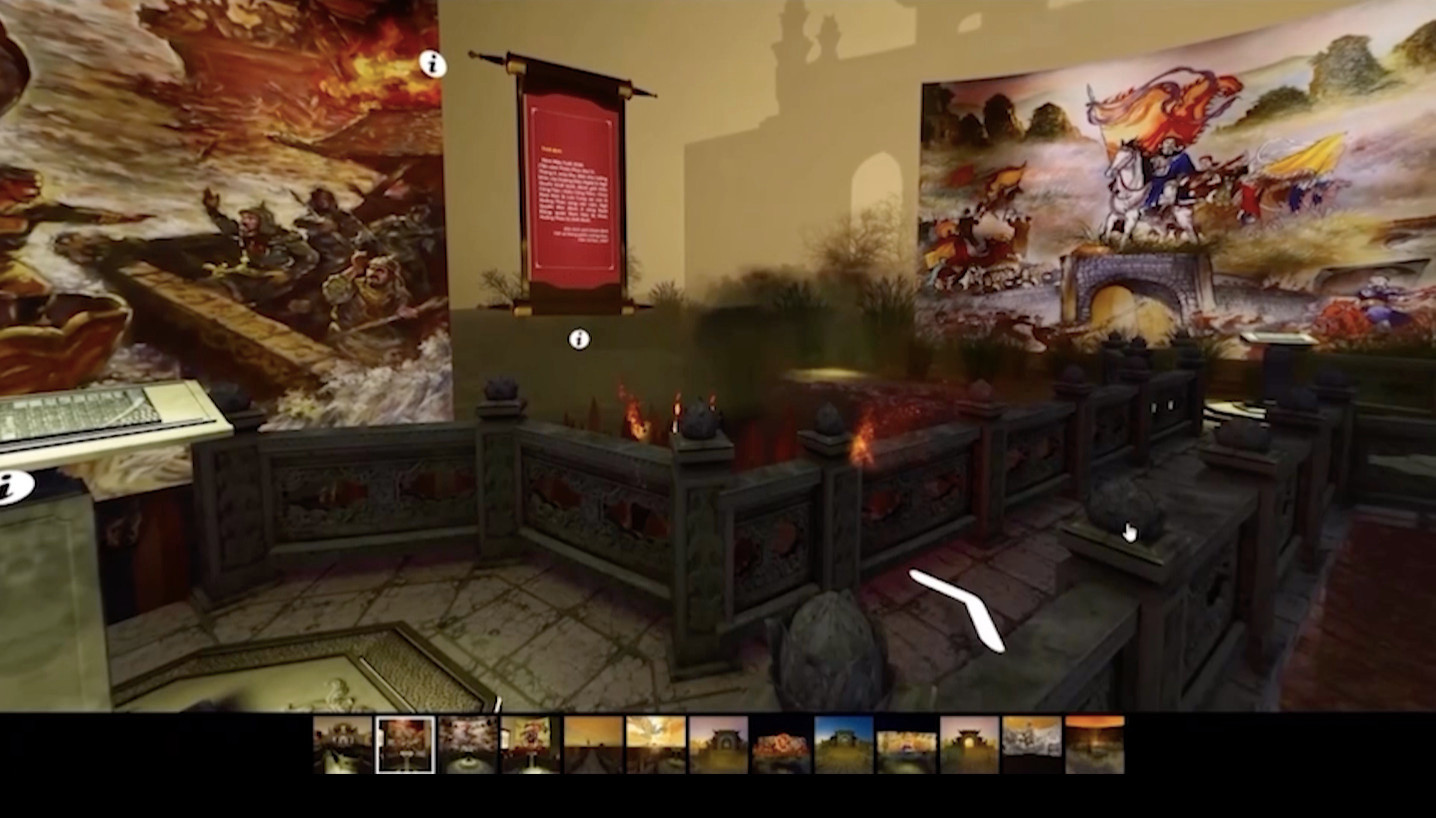
Many museums are now shifting from a traditional “display-focused” model to an “experience-driven” approach. Interactive digital spaces, automated narration systems, digital heritage maps and AI-powered tourism applications are helping build a smart tourism ecosystem that connects heritage with contemporary life.
Not only cultural managers but also young visitors acknowledge that technology has transformed the way they experience history. Museums, once considered distant or overly academic spaces, are becoming more engaging through visual storytelling, digital archives and interactive exhibits.
Lam Dong Youth Digitize Revolutionary Heritage Sites to Spread Historical Values Through Innovation
Nguyen Minh Khang, a student from Ho Chi Minh City visiting Lam Dong Museum, shared: “I used to think museums were quite dry and boring, but after experiencing 3D models and scanning QR codes for information, history suddenly felt much closer and far more interesting.”
University students have also praised the interactive digital experiences offered at cultural and historical venues. Technology not only makes information easier to access, but also encourages visitors to actively explore instead of passively listening to traditional guided explanations.
Tran Thu Uyen, a student at Da Lat University, believes technology helps young people connect with history more naturally.
“The visuals, videos and virtual exhibition spaces make us feel as if we are immersed in the historical stories themselves,” she said.
For tourists, digital transformation not only creates new experiences but also makes exploring local culture more convenient. With just a smartphone, visitors can instantly access artifact information, archival images and related historical stories during their journey.

However, many experts also stress that technology can only truly succeed when paired with compelling storytelling. Young audiences need more than static data — they seek historical narratives presented in a modern, relatable and emotionally engaging way.
Digitization, therefore, does not replace the authentic value of heritage. Instead, it is opening a new gateway for history to connect more deeply with today’s younger generation.