


Bringing Mountain Specialties to Tourists’ Tables
Not only delicious but also distinctive in flavor, traditionally raised animals such as black pigs, local goats and free-range chickens, which are not fed industrial feed, are increasingly becoming popular choices among tourists visiting La Da and Dong Kho communes, Lam Dong Province.
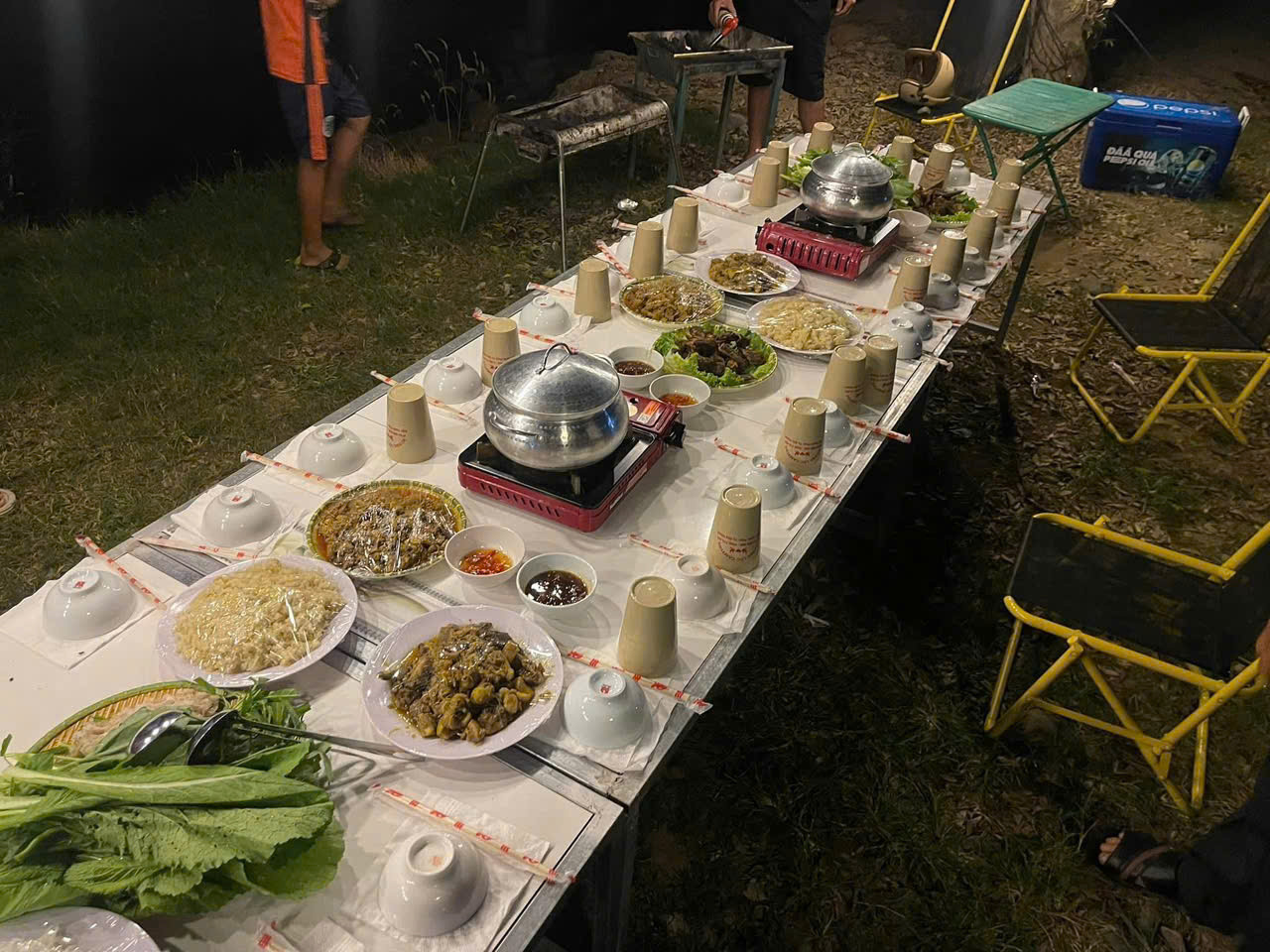
“Are you serving black pork or black pork ribs cooked with wild rattan shoots?” — “Those dishes won’t be ready for another three days. When is your group scheduled to arrive?” — “On National Day, September 2. A party of 100 has placed an order for 70 servings of black pork braised with wild rattan shoots and lá bép, along with sturgeon hotpot.” This is a common conversation between travelers and Mai Van Minh, General Director of Gio and May Tourism Company in La Da Commune.
Discussing the cuisine of Lam Dong reveals a vibrant and varied culinary scene. Fresh seafood, popular among many visitors, can be found along the coastal regions from La Gi and Phan Thiet to Phan Ri Cua and the Phu Quy Special Administrative Zone. Besides seafood, the mountainous areas in southeastern Lam Dong also feature their own unique dishes.
Tanh Linh Commune is famous for its featherback fish and eel, while the communes of Hoai Duc and Duc Linh are known for their river catfish and snakehead fish.
In La Da Commune, local delicacies like black pork, halfbeak fish, melinjo leaves, free-range chickens, and locally harvested rice are increasingly reaching the tables of tourists, shaping a unique culinary identity and leaving guests with memorable flavors.
Black pigs are traditionally raised by ethnic minorities in La Da, roaming freely around their gardens and feeding on whatever natural food is available.. Consequently, the meat is tender, fatty, and fragrant. Under the skillful hands of local chefs, black pork braised with wild rattan shoots has become a unique specialty of La Da that is seldom found elsewhere.
In addition to pork trotters and tails braised with rattan shoots and fermented rice, many patrons also savor boiled black pork belly accompanied by wild vegetables. Local goats, a smaller breed nurtured by ethnic minority communities with lean yet firm meat, are also prepared in gia cay style, either steamed or stir-fried with lemongrass and chili.
Bep leaves (Melinjo leaves) are another unique local ingredient. During wartime, this plant provided “hunger-relief” food for many soldiers from the province as they fought in the forests. Its leaves have a mildly sweet taste and a slightly crisp texture, and develop a distinctive forest aroma when stir-fried with garlic.
Wild rattan shoots are available in two types — bitter and sweet — and are primarily gathered by local ethnic minority groups. Northern tourists who enjoy bitter bamboo shoots often opt for the bitter type of rattan shoots, while first-time diners generally prefer the sweeter option.
From June to December, wild rattan shoots are abundant. When paired with fatty black pork, the mildly bitter, sweet taste of the shoots merges beautifully with the richness of the meat, leaving a memorable flavor.
.jpg)
Hoang Thi Nga, a resident of Ho Chi Minh City, shared that after visiting La Da and participating in the La Da Fruit Festival in early August, her children returned home raving about the local cuisine. “They mentioned that the attractions in La Da feature a variety of delicious specialties from the local ethnic minority groups. The black pork, wild rattan shoots, bep leaves, wild vegetables, and free-range chicken are so tasty that you can eat them endlessly,” she remarked.
According to Nguyen Hong Son, a lawyer based in Ho Chi Minh City, La Da has strong potential to further enhance its tourism sector. The region enjoys a cool and refreshing climate, along with numerous fruit orchards growing durian, mangosteen, and macadamia nuts. Most importantly, introducing local dishes to visitors and transforming them into unique regional specialties could help La Da establish a distinct identity and draw more tourists.
Mai Van Minh mentions that his tourism site is situated close to regions inhabited by ethnic minority communities. In addition to unique dishes like sturgeon and river catfish hotpot, he aims to assist local ethnic minority families in marketing their agricultural and livestock goods, thus enhancing their living standards. To achieve this, he has modified traditional dishes made by local communities to appeal to a broader audience, allowing tourists to enjoy authentic local cuisine.
In response to strong demand for black pork, the La Da Commune People's Committee has incorporated the development of a high-quality black pig herd into its development plans to supply the market. The commune currently has 13 black pig farming models with a total herd of nearly 200 animals, but this is still insufficient to meet local demand.