

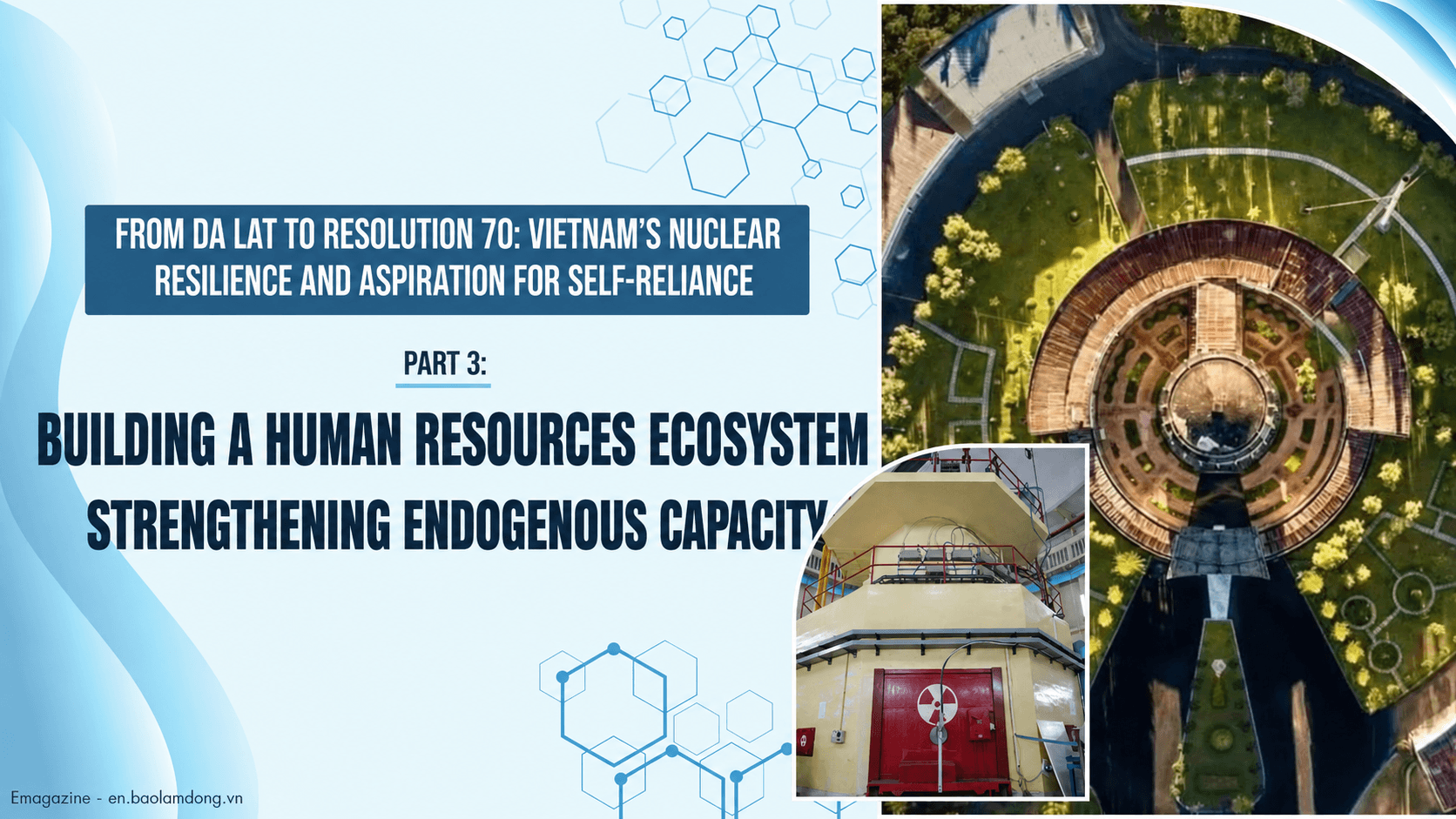
Building a Human Resources Ecosystem – Strengthening Endogenous Capacity
Human resources are the key to determining the success or failure of the national nuclear power program. Building determination and honing technical expertise through Da Lat’s hands-on experimental environment is the shortest path for Vietnam to master the technology and develop a safe and sustainable nuclear industry.
Human resources are the key to determining the success or failure of the national nuclear power program. Building determination and honing technical expertise through Da Lat’s hands-on experimental environment is the shortest path for Vietnam to master the technology and develop a safe and sustainable nuclear industry.
nuclear
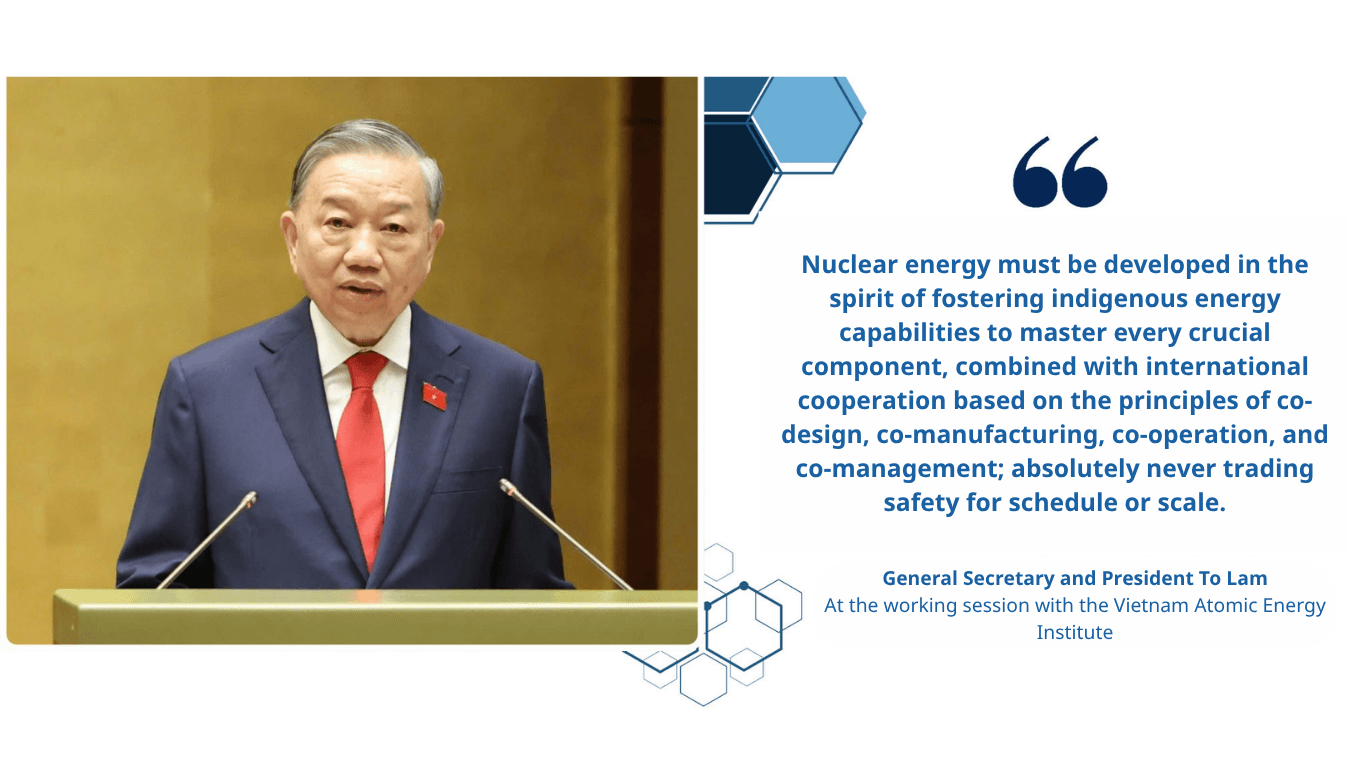
During a working session with the Vietnam Atomic Energy Institute on September 4, 2025, General Secretary To Lam highlighted the primary objective: “We need to cultivate essential scientific and technological abilities to sustainably and proactively advance nuclear energy. It is vital to develop internal capabilities to control every crucial component while engaging in international collaboration founded on the principles of ‘co-design, co-manufacturing, co-operation and co-management’; we must never compromise safety for the sake of speed or scale.”
In September 2026, during a conference with technology specialists from Vietnam in France, General Secretary and President To Lam reaffirmed the directive: “Vietnam must prepare comprehensively for the nuclear industry, addressing everything from institutional frameworks and skilled human resources to management capabilities; we should avoid complacency and haste in the process, but we also cannot allow for any delays.”
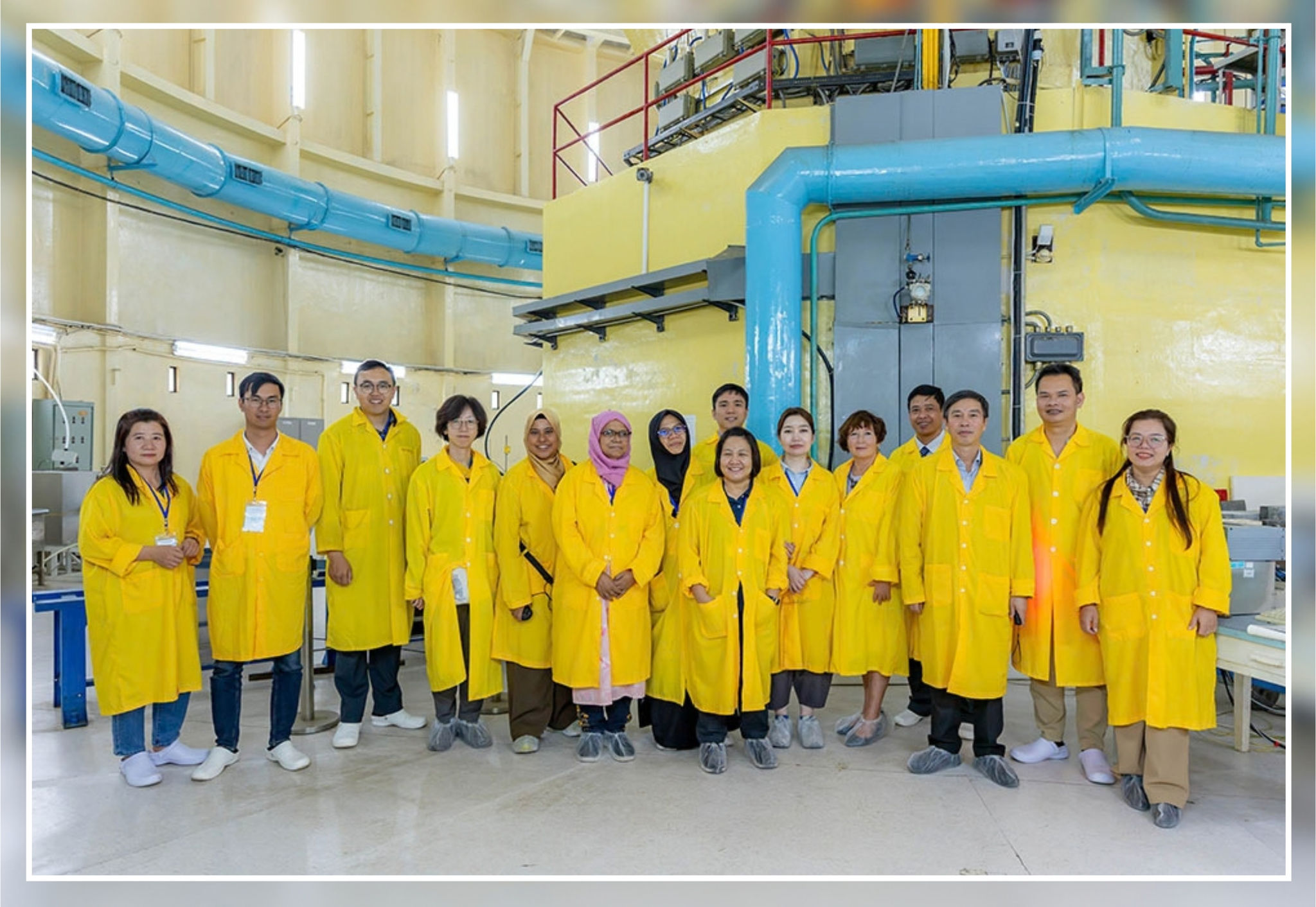
Based on estimates from the International Atomic Energy Agency (IAEA) and the World Association of Nuclear Operators (WANO), a 1,000-MWe reactor unit requires roughly 500 to 700 staff members for its commercial operation.
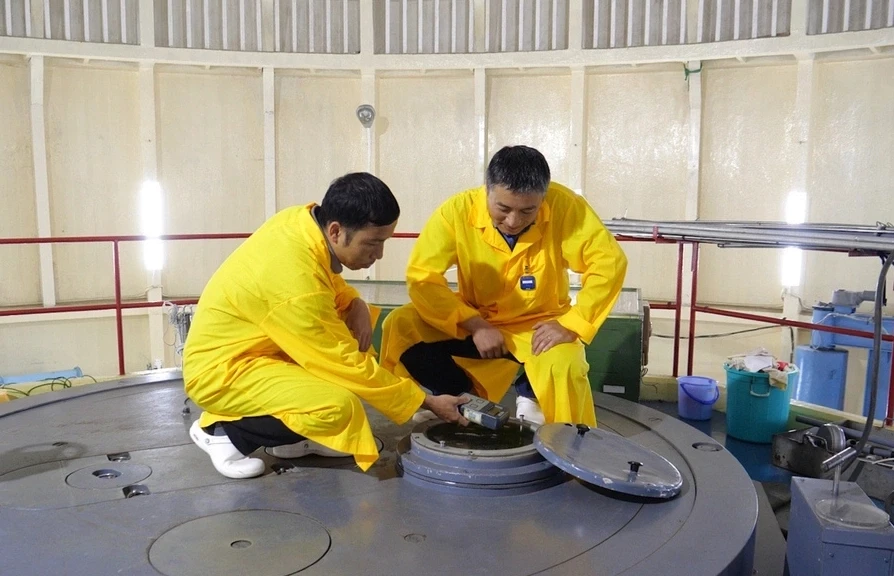
According to the Government's initiative, the Ninh Thuan 1 and Ninh Thuan 2 nuclear power plants will need approximately 3,900 highly skilled personnel.
Among these, 20–30% are required to be experts with advanced qualifications in nuclear physics and reactor operation.
Assoc. Prof. Dr. Nguyen Nhi Dien stated: “Developing a truly competent nuclear power specialist requires 10 to 20 years of hands-on experience in a practical setting. While universities may provide various theoretical frameworks, achieving a comprehensive understanding of fission, safety risks, and radiation protection necessitates practical training at the Nuclear Research Institute and the Da Lat Nuclear Research Reactor.”
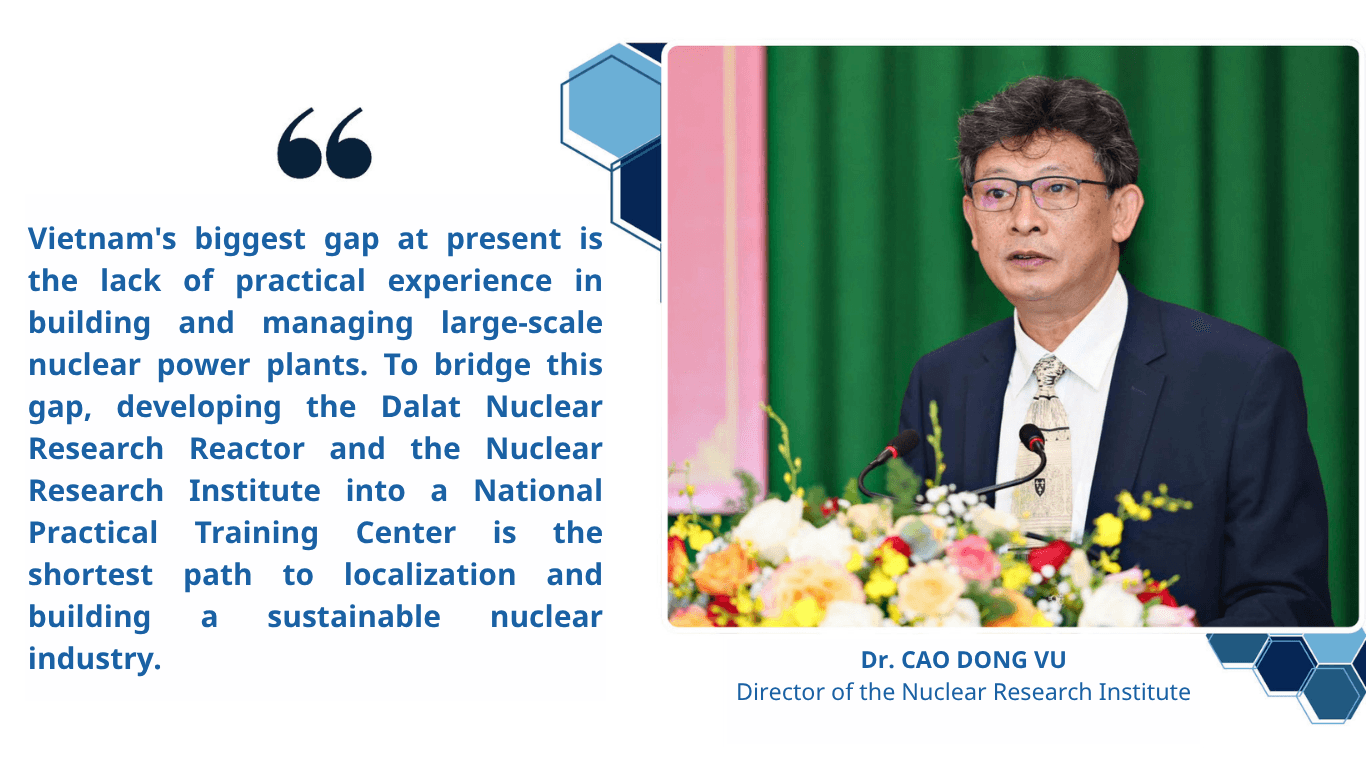
Dr. Cao Dong Vu acknowledged the current challenges, stating frankly: “Vietnam’s biggest gap today is the lack of practical experience in building and managing large-scale nuclear power plants. To bridge this gap, transforming the Da Lat Nuclear Research Institute into a national practical training center is the shortest and most effective path.”
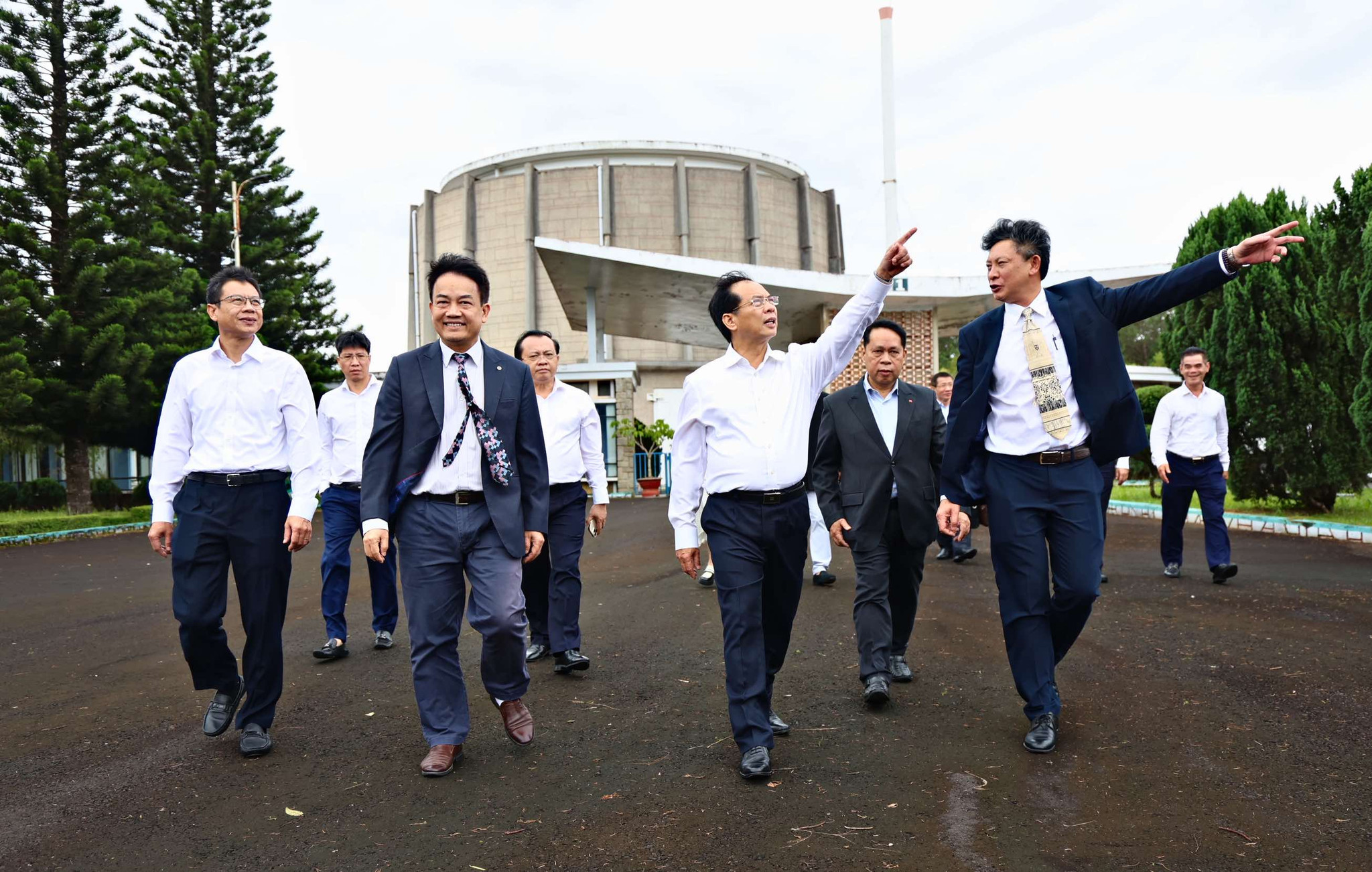
The goal of achieving self-reliance in human resources is becoming a reality due to progressive strategic policies.
The Decision No. 1012/QD-TTg issued by the Prime Minister on May 26, 2025, along with Decision No. 893/QD-TTg dated May 20, 2026, has positioned Da Lat University among the "key national training institutions" for the development of human resources in atomic energy, alongside prominent institutions such as Hanoi University of Science and Technology and the University of Science at Vietnam National University, Hanoi, as well as Vietnam National University Ho Chi Minh City.
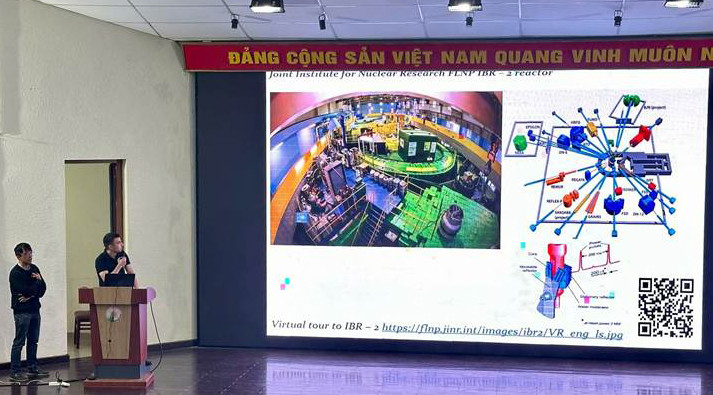
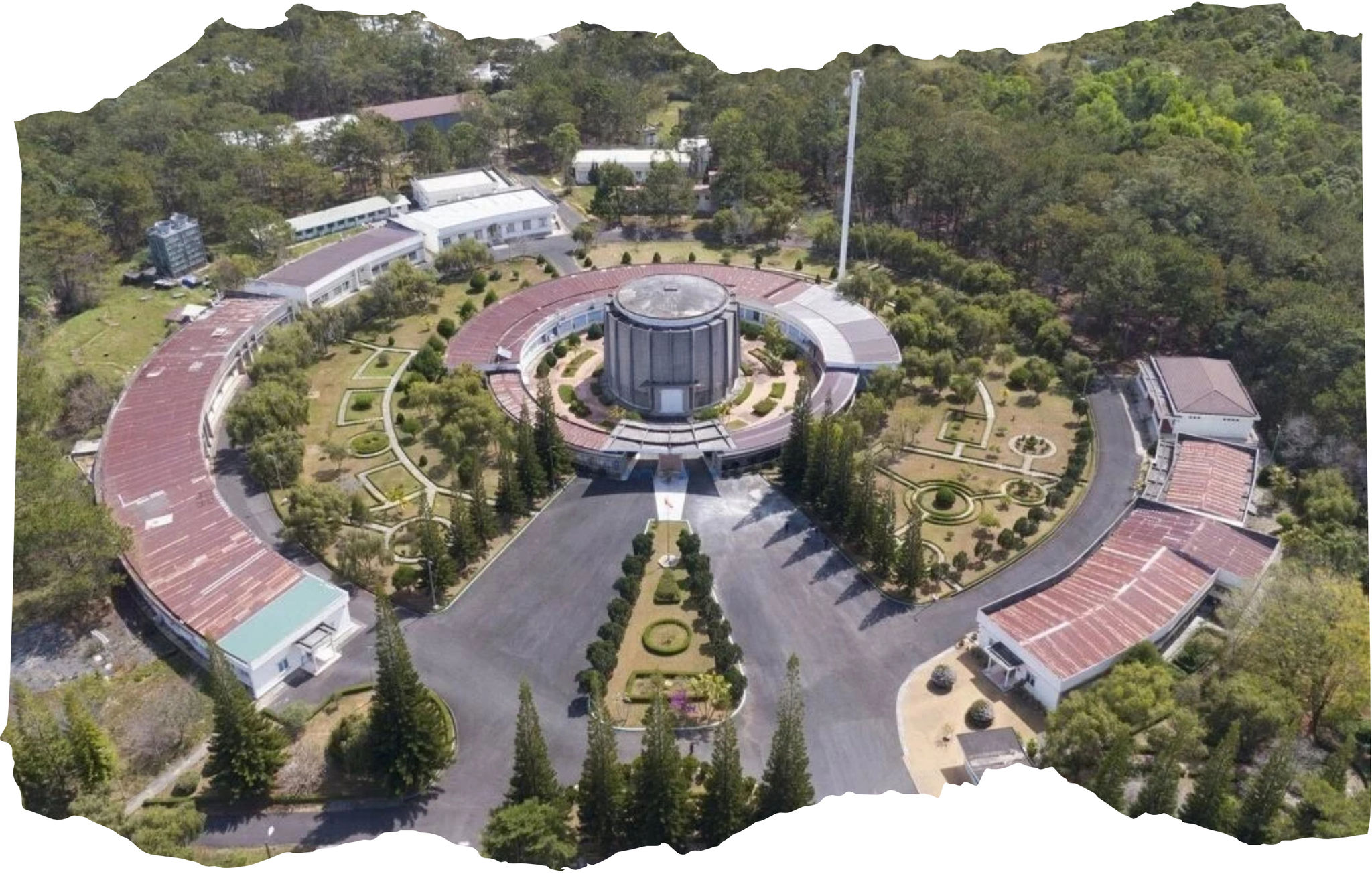
Da Lat features a rare combination that few locations globally can replicate: the “twin pillars” consisting of the Nuclear Research Institute, equipped with its reactor and hands-on professionals, and Da Lat University, which offers established academic training programs.
Dr. Tran Huu Duy, the Vice Rector of Da Lat University, stated: “Throughout the years, the majority of the key personnel at the Da Lat Nuclear Research Institute have advanced their careers through the academic setting of Da Lat University. Conversely, doctoral degree holders and experts from the Institute are also actively teaching and inspiring students who specialize in nuclear engineering and physics at the university. This creates a unique advantage of mutual reinforcement.”
Da Lat University's nuclear engineering program receives direct educational support from esteemed professors from Japan and South Korea.
Importantly, Da Lat University is the sole institution in Vietnam with the OPR1000 Core Simulator (CoSi), a real-time nuclear reactor simulator imported from South Korea, which allows students to practice reactor operations in environments akin to those of an actual reactor.
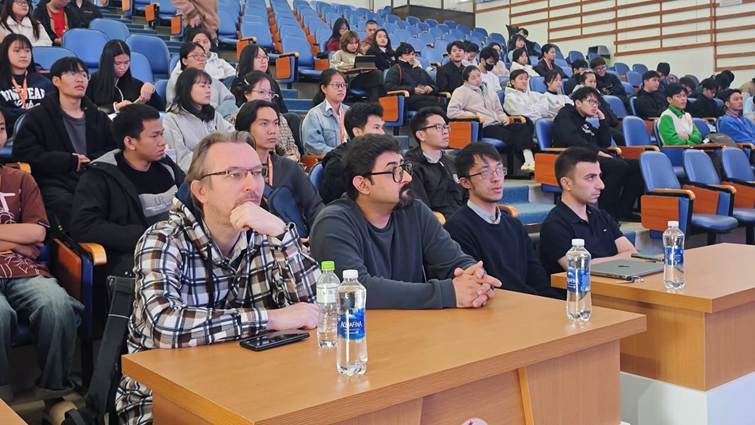
Dr. Tran Huu Duy stated: “Currently, the university’s Nuclear Engineering and Physics programs have nearly 400 students. We are dedicated to training approximately 300 highly skilled engineers and graduates annually starting from 2030, prepared to contribute to the Ninh Thuan nuclear power project and the national energy strategy.”
Assessing this model, National Assembly Deputy Trinh Thi Tu Anh said: “Da Lat is developing a comprehensive ‘nuclear human resources ecosystem.’ If properly planned, it will become a hub connecting research, training and practical applications, helping Vietnam master nuclear technology from the ground up.”
Vietnam's path toward developing nuclear power is a long-term mission that spans multiple generations. For over forty years, the pursuit of scientific progress has continued to thrive in the highlands of Lam Dong, with a new generation of thinkers now taking the lead.
Given the nation's resolve, intellect, and ambition to advance, Vietnam has the potential to attain technological independence, guarantee energy security, and confidently transition into a new phase of development.
Content and photos: Ngoc Nga - Ngoc Diep
Layout: Nguyet Nga