


Carbon Credits: A Green Frontier
Carbon Credits - Lam Dong is leading Vietnam’s green farm transition, monetizing the shift through organic exports and emerging carbon markets.
As carbon markets prepare for full-scale activation both domestically and internationally, Vietnamese agriculture is pivoting toward high-value "green" transformation. Experts suggest that large-scale organizational linkages, cutting-edge technology, and a shift toward low-emission practices are now essential to boosting long-term income for forest owners and farmers.
Part 1: Expanding Low-Emission Cultivation Zones
In Lam Dong province, a long-standing commitment to sustainable and fair-trade standards is paying off. Numerous farms are expanding low-emission cultivation zones, unlocking a lucrative new revenue stream: selling "clean air" via carbon credits.
The 'Giant Farm' of Low-Emission Coffee
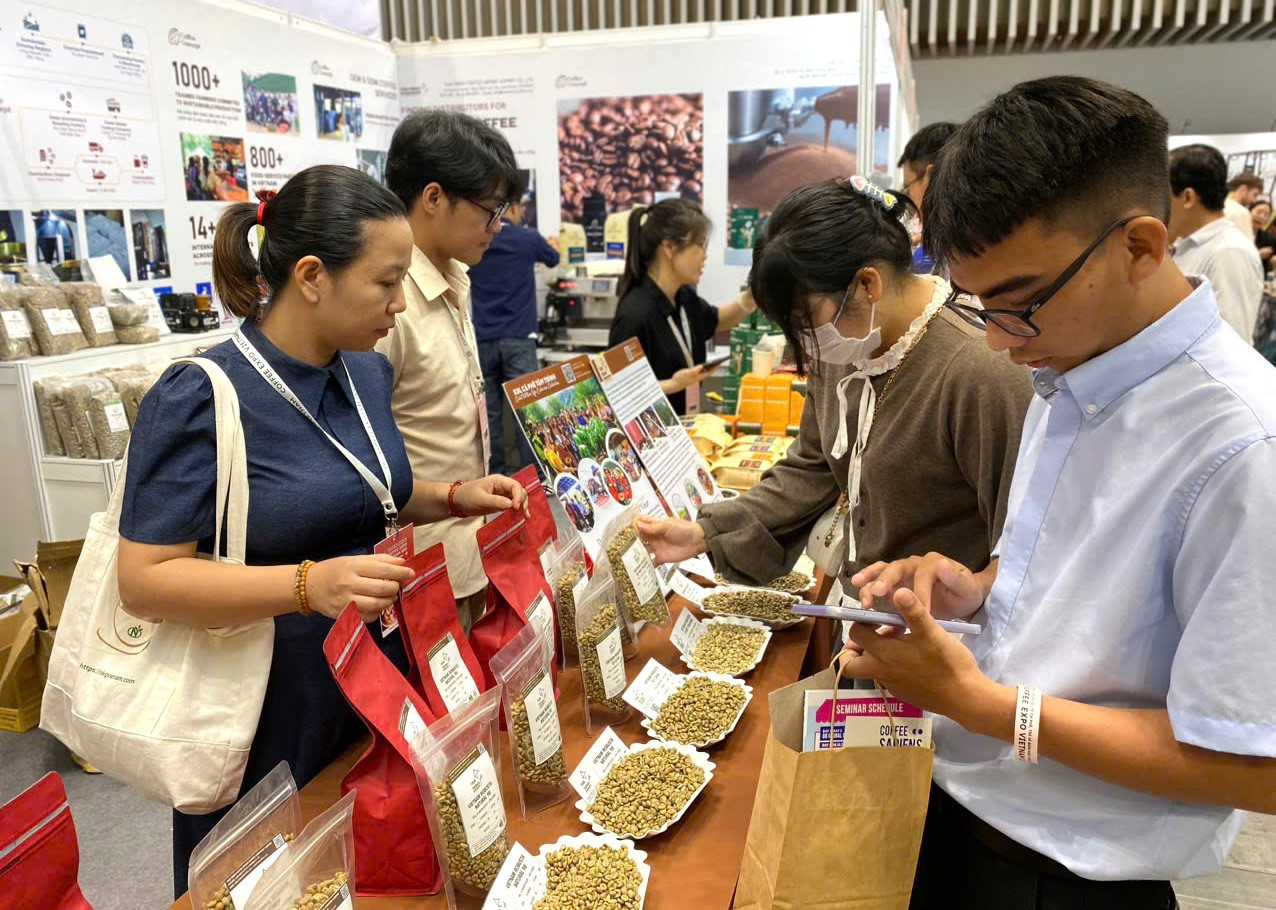
In the dry season of 2026, the Tam Trinh Farm—a massive 3.000-hectare coffee operation—has become a beacon for low-emission agriculture. By implementing precise canopy management, organic fertilization, and using agricultural by-products to maintain soil moisture, the farm has harmonized production with the local climate.
Farm owner Doan Manh Trinh (b. 1965) said that as of late April 2026, the farm has consolidated over 900 households under a sustainable model. These 3.000 hectares meet rigorous international certifications including 4C, UTZ, Rainforest Alliance, Fairtrade, and Halal, producing over 10.000 tons of green coffee beans annually."Every year, international representatives audit our member households," Trinh said. "They evaluate everything from the ban on prohibited pesticides and organic fertilizer ratios to harvesting maturity, water purity, and the density of shade trees."
For Nguyen Thu Van (born in 1957), a participating farmer in the model, two decades of pursuing naturally grown coffee have paid off, with her beans now selling for 30–40% more than conventional coffee. From an initial two hectares, Van has expanded to 12 hectares under a circular production model, helping significantly reduce carbon emissions.
Carbon Sequestration in Volcanic Soil
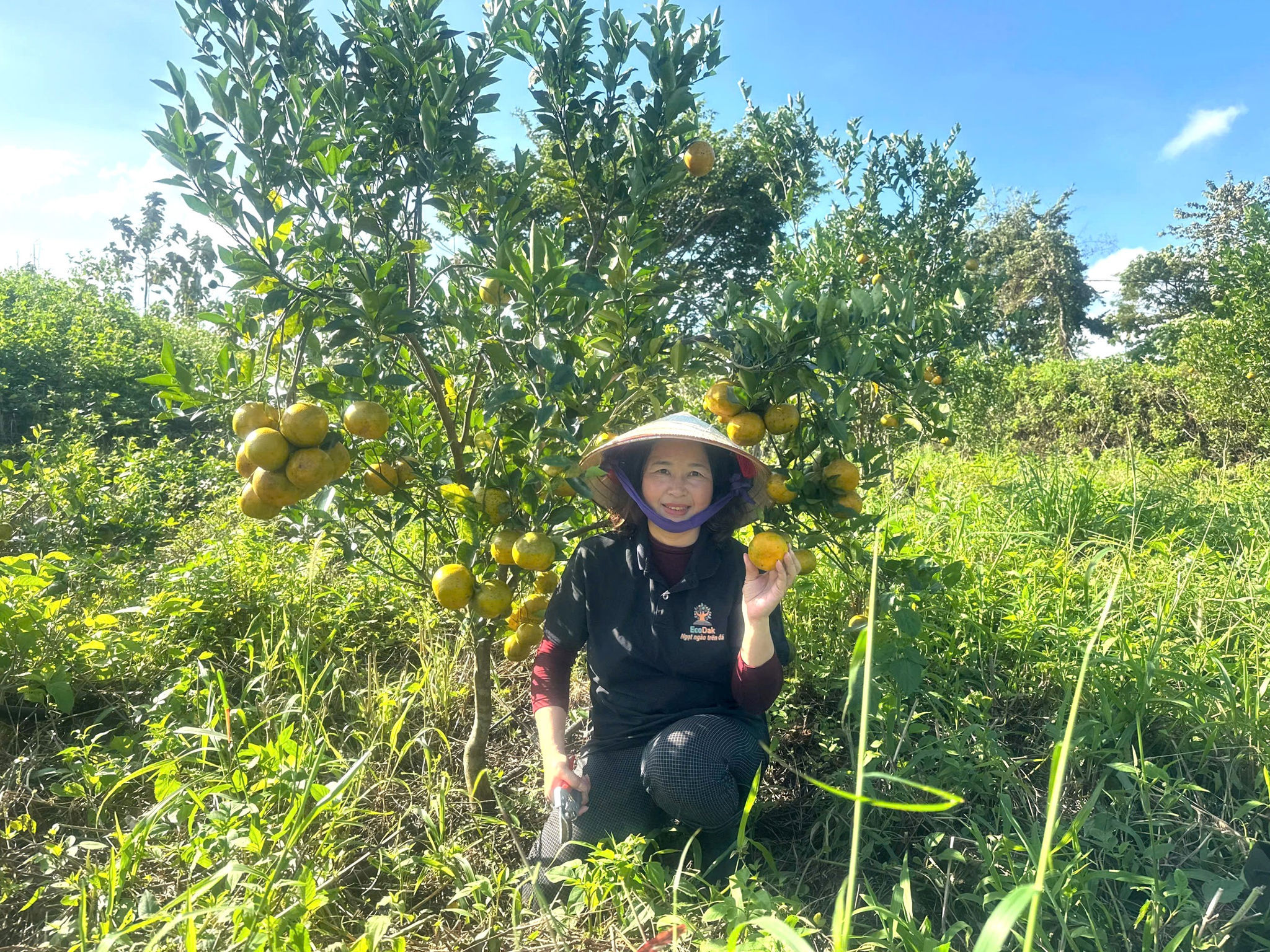
While the Tam Trinh Farm focuses on emission reduction, the Quang Phu Organic Agriculture and Forestry Cooperative is "silently" sequestering carbon in the volcanic soil of western Lam Dong. In 2016, farmer Nguyen Thi Mai (born in 1976) adopted Japanese organic techniques, pioneering a system of basal organic fertilization and natural weed management, where cut grass is recycled as mulch to enrich the soil.
.jpg)
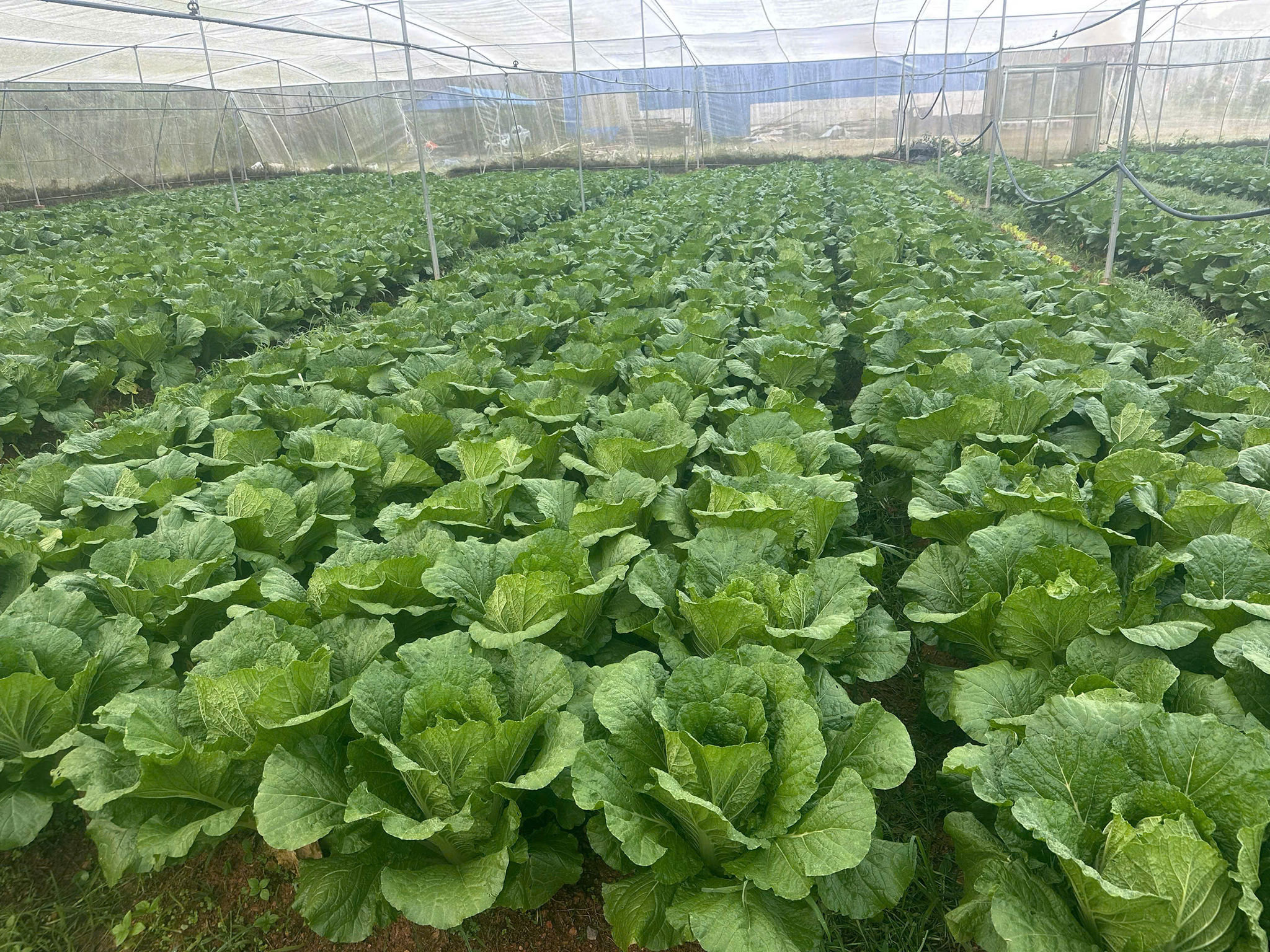
By 2020, the Quang Phu Cooperative was officially established. Today, its 30 members manage 30 hectares of oranges, macadamias, and vegetables. Under the leadership of Mai—now Chairwoman and CEO—the cooperative operates a green value chain where members earn an average annual income of 100–120 million VND ($3,900–$4,700). Their products have received 4-star OCOP (One Commune, One Product) ratings and organic certifications, spreading the message of a green economic transition. Phan Dinh Khiem, Vice Chairman of the Lam Dong Cooperative Alliance, emphasized that every green product tells a story. He views cooperatives as the "locomotives" leading farmers into the high-value global carbon credit market.
Providing a detailed financial breakdown, Tran Ngoc Toan, an expert from the Scientific Council of the Vietnam Sericulture and Ecological Cooperative Union, offered a detailed estimate for a 1,000-hectare low-carbon farming area. With a carbon credit generation rate of 4.5 CO₂ credits per hectare per year and a five-year crediting cycle, the model could generate around 22,500 credits. At a hypothetical price of US$20 per credit, gross revenue could reach about US$450,000, or approximately VND 11.84 billion. After preliminary costs, net income is estimated at VND 6.51–7.69 billion over five years.
As Lam Dong scales these models, the province is positioning itself not just as an agricultural powerhouse, but as a key player in the global fight against climate change.
(To be continued)