


Cham Cultural Heritage in Modern Life
From the skillful hands shaping pottery to the sound of the saranai horn and the beats of the ginang drum during the Katê Festival, the traditional cultural values of the Cham people in Lam Dong continue to be preserved and passed down through generations.
When Traditional Crafts Blend with Life
Beyond festivals, traditional crafts and folk music are gradually becoming part of contemporary life, opening up opportunities to develop cultural tourism, create livelihoods, and promote community identity. From craft villages to cultural performances and hands-on experiences, Cham pottery is gradually finding new avenues for development, both preserving cultural identity and creating additional livelihoods for the community.
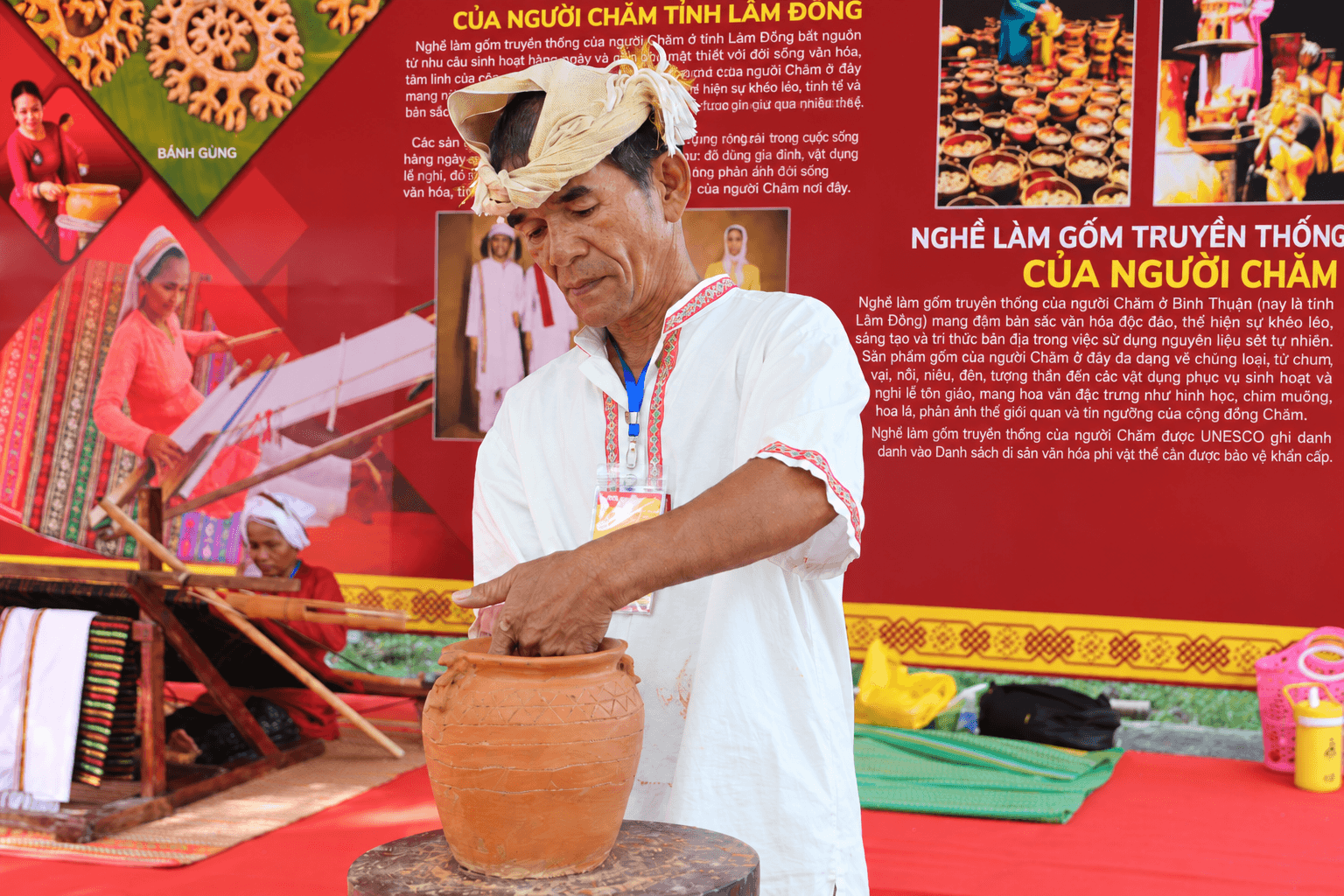
During the recent Katê Festival, the Cham cultural exhibition space attracted many domestic and international visitors and local residents. In particular, the traditional pottery-making demonstration offered an opportunity for visitors to witness firsthand the unique pottery-making techniques passed down through generations.
Without a potter's wheel, artisan Lam Hung Soi from Binh Duc Pottery Village, Bac Binh Commune, smoothly moved around the block of clay, using his skillful hands to shape jars and clay pots with the distinctive features of Cham pottery.
With over 45 years of experience in the craft, Soi has accumulated extensive knowledge of how to select and process raw materials. According to him, after being dug up, pottery clay must be left to "rest" and exposed to the natural breeze before being kneaded. Without molds, each product is shaped by the artisan's hands and experience, bearing unique shapes and details.
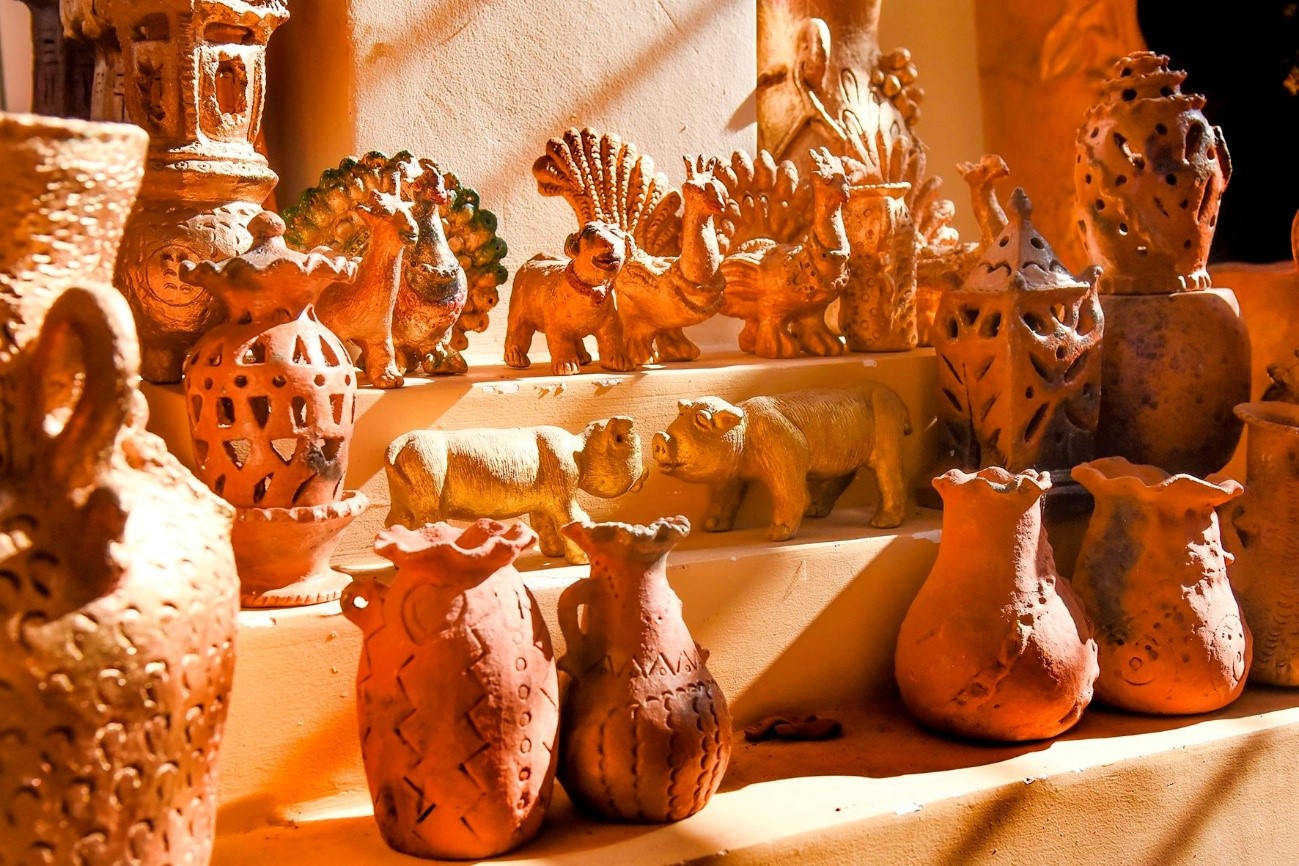
These techniques and experiences are part of the traditional knowledge passed down through generations of Cham people in Binh Duc. In 2022, the art of pottery-making of the Cham people was inscribed on UNESCO's List of Intangible Cultural Heritage in Need of Urgent Safeguarding, recognizing the distinctive values of this traditional craft.
Impressed by this unique pottery-making technique, Alexia, a tourist from Belgium, shared: "The pottery products here look quite unusual compared to what I have seen before. They are not brightly colored but have a rustic, irregular appearance. After witnessing the artisan shape the pottery by hand, I find it even more interesting."
The appeal of Cham pottery lies not only in the finished products but also in the creative process itself. Alongside familiar household items, potters in the Cham village also focus on producing artistic pottery, decorative items, and souvenirs, thereby expanding opportunities to attract tourists.
The Sounds of Traditional Music Live On Beyond the Festival
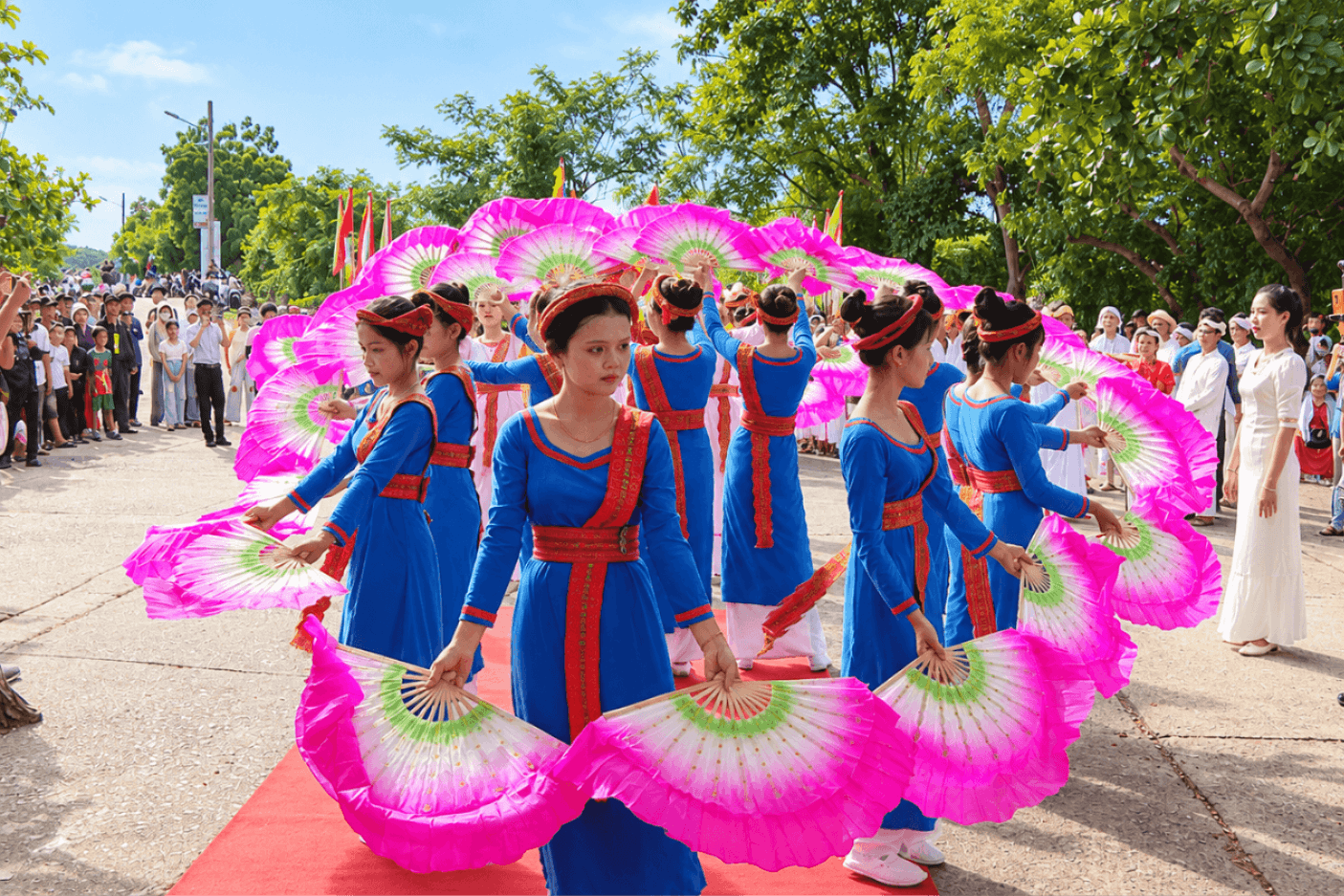
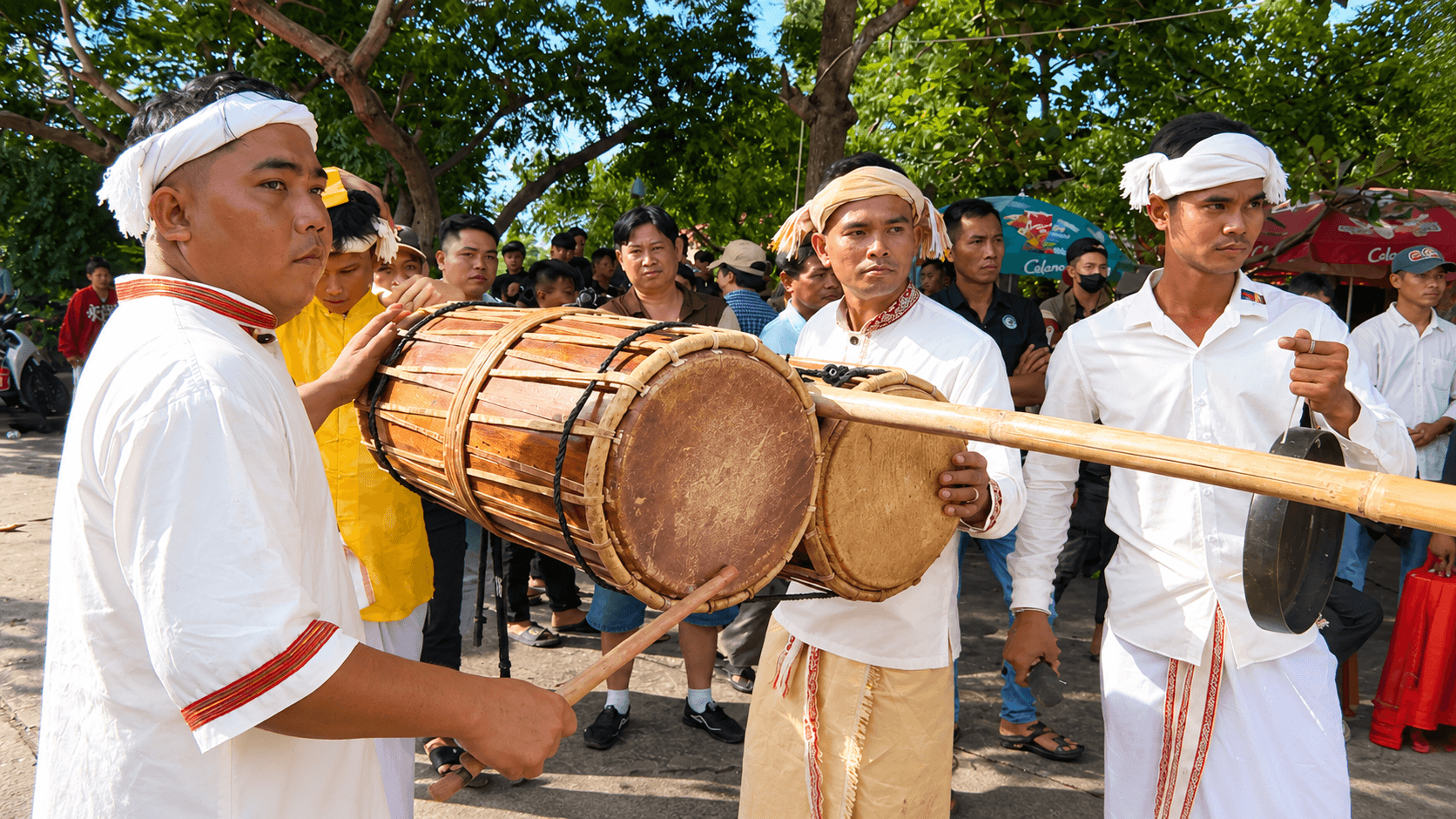
Alongside pottery, traditional music also contributed to the appeal of the 2026 Katê Festival. The melodious sound of the saranai horn blending with the beats of the ginang drum and graceful fan and scarf dances created a cultural atmosphere rich in Cham identity. These sounds and dances not only contributed to the festival atmosphere but are also deeply intertwined with the beliefs and spiritual life of the community.
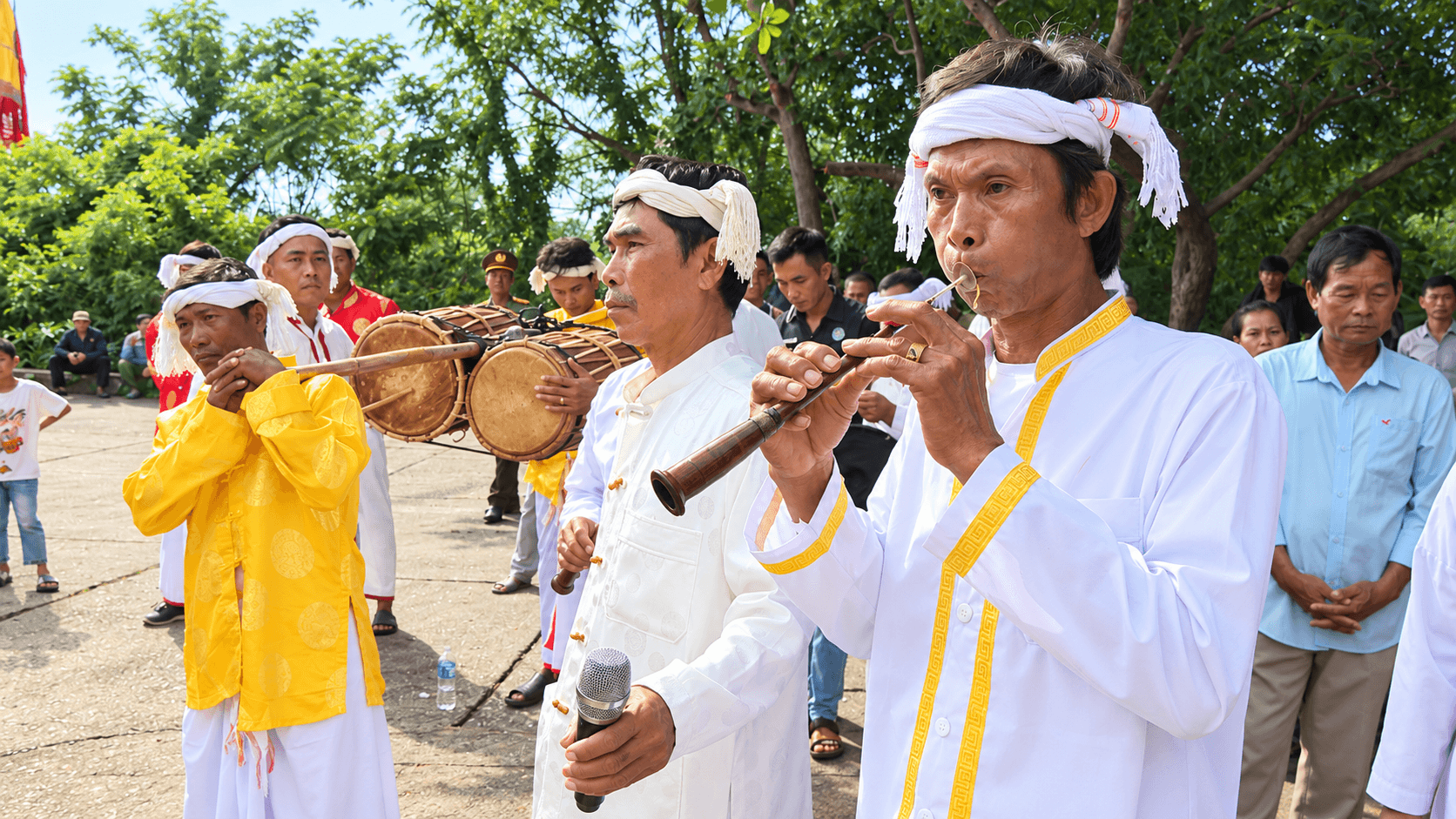
The preservation of traditional music extends beyond festival days. In many Cham communities, the teaching of traditional instrumental music, folk songs, and folk dances continues, helping connect the younger generation with traditional culture. At the same time, Cham music has more opportunities to reach the public through cultural exchange programs and community-based tourism. At several resorts in eastern Lam Dong, traditional artistic performances and handicrafts are also presented to tourists on a weekly basis, helping promote the community's distinctive cultural identity.
In Lam Dong, the Cham community numbers over 43,000 people, concentrated in areas such as Tuy Phong, Bac Binh, and Ham Thuan Bac. With its rich cultural identity, the Cham community holds significant potential for developing tourism linked to the preservation and promotion of cultural heritage. Connecting traditional values with tourism experiences not only helps create distinctive tourism products but also opens up opportunities to create jobs, increase income, and improve people's living standards.
The Katê Festival has concluded, but the vitality of Cham culture remains evident in daily life. From pottery products bearing the imprint of artisans' hands to the sounds of traditional horns and drums passed down through generations, Cham cultural heritage continues to be preserved within community life. When traditional culture is linked with tourism and livelihoods, Cham cultural identity is not only preserved but also gains further opportunities to be shared with visitors from near and far.