


Champa’s culture with tourism architecture
In the coastal province of Lam Dong, the Champa people form the majority among other ethnic groups. They not only uphold special customs but also diversify and grow the local tourism industry. Drawing inspiration from their culture, many tourism accommodations adopt Champa’s culture as their architectural theme to strongly impress tourists.
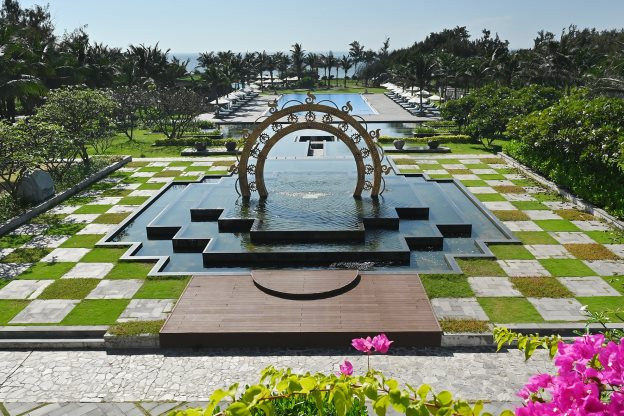
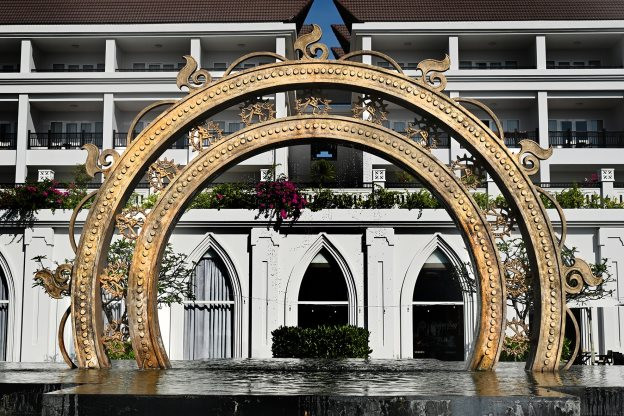
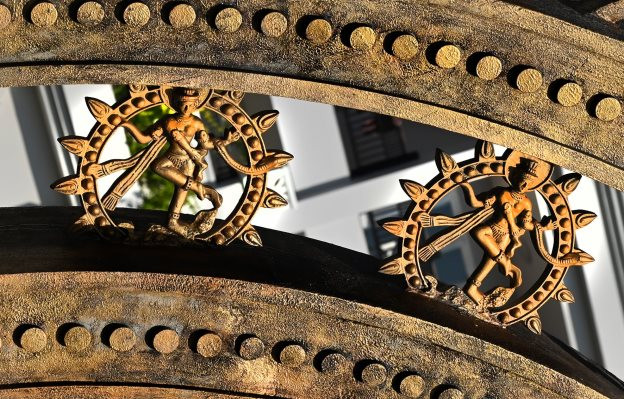
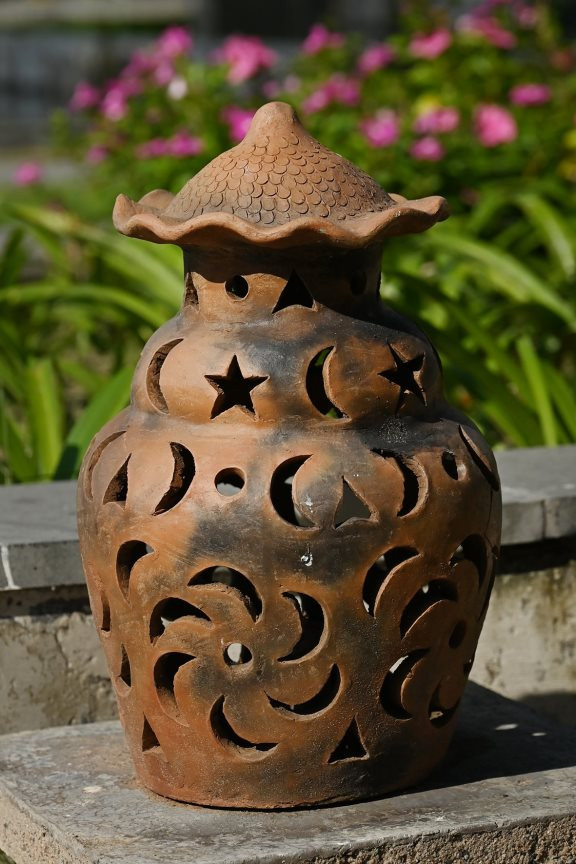
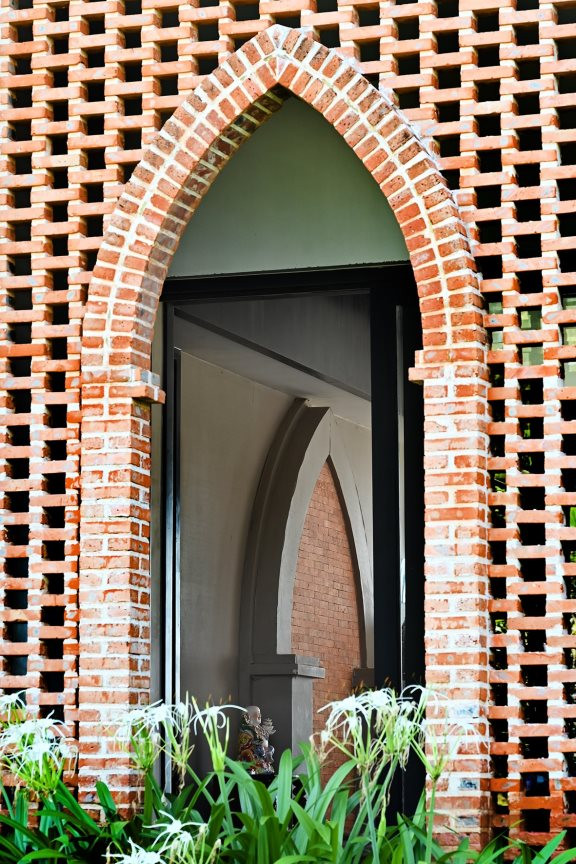
Cham patterns carry strong symbolic significance, featuring flora, fauna, and divine figures. When integrated into interiors, these motifs give spaces a distinctive cultural identity.
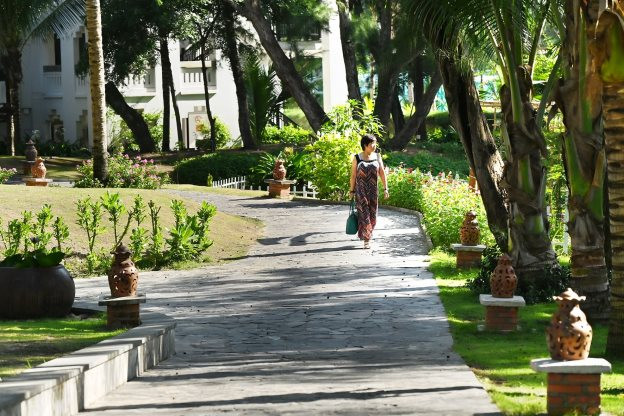
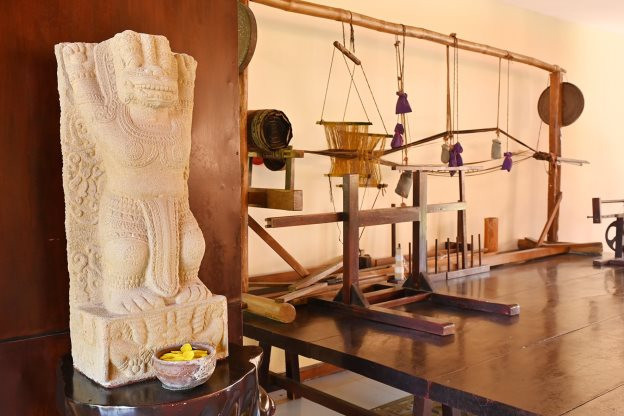
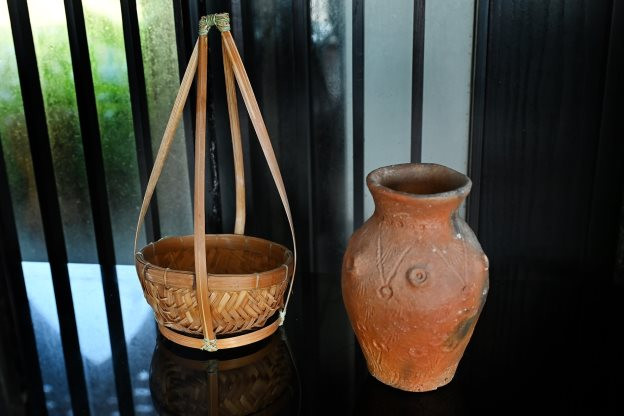
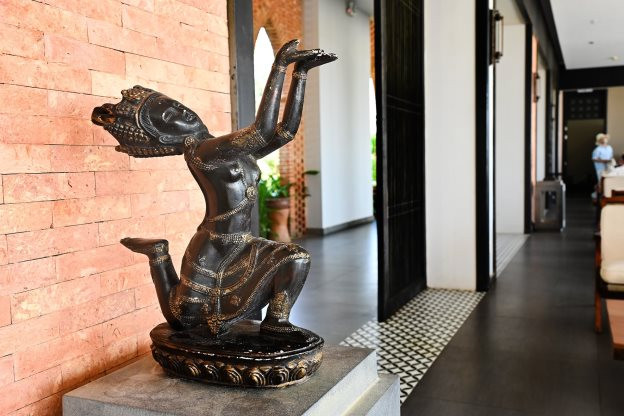
Moreover, bas-reliefs, artifacts, and painting collections inspired by Cham culture are showcased along pathways, in restaurants, and throughout the landscaped grounds, evoking a miniature Cham cultural space within the property.
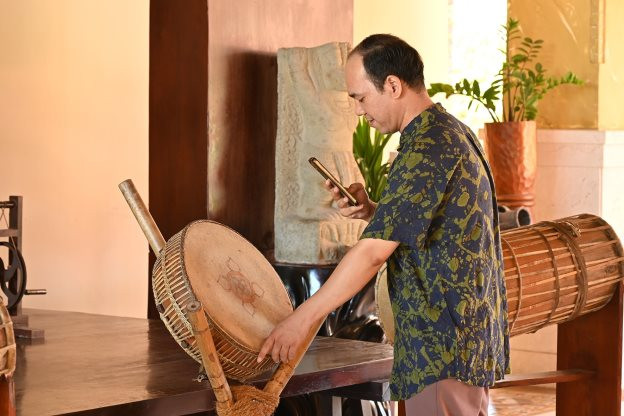
“It was only when I came here that I learned a little more about the Cham people in Lam Dong. The architecture, with its golden tones, reminded me of sand and gave me a stronger sense of the local culture and the sea of Mui Ne” , Mr.Tran Hong Phuc, visitor from Ho Chi Minh City said.
Resorts have high-arched roofs that create spaciousness and use sea breezes to enhance guest comfort. Dominant colors, such as earthy yellows and reds inspired by Cham towers, add warmth and a modern style.
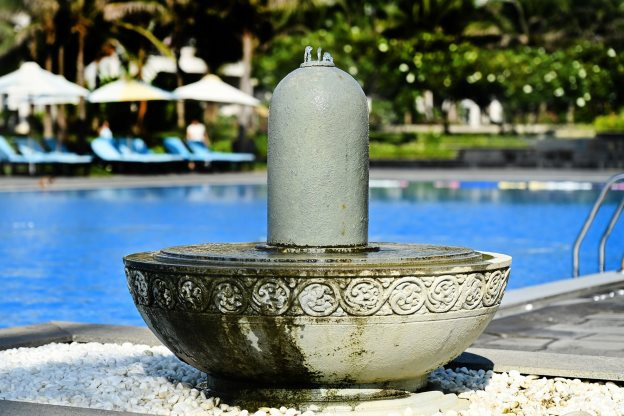
Each resort has its own unique style, encouraging guests to check in, take photos, and capture memorable moments during their stay.
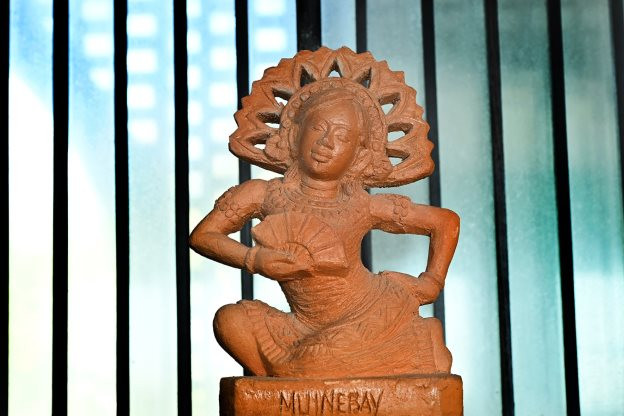
Careful spatial design blends tradition with modernity and harmoniously combines culture with architecture. This creates a special charm that attracts both local and international visitors. Cham culture’s rich history and character offer valuable inspiration for Vietnam’s tourism architecture.
Incorporating Cham culture into tourism architecture helps preserve and promote cultural heritage while providing unique and memorable experiences for visitors. This approach is creative and promising for Lam Dong’s tourism industry.