


Clear Advantages Drive Investment Momentum
Investment attraction cannot be evenly distributed across regions; instead, it should be guided by each locality’s specific advantages, said Nguyen Ngoc Phuc, Vice Chairman of the Provincial People’s Committee. Unlike state-funded public investment, investment attraction follows market logic, with areas of greater strength naturally drawing more projects.
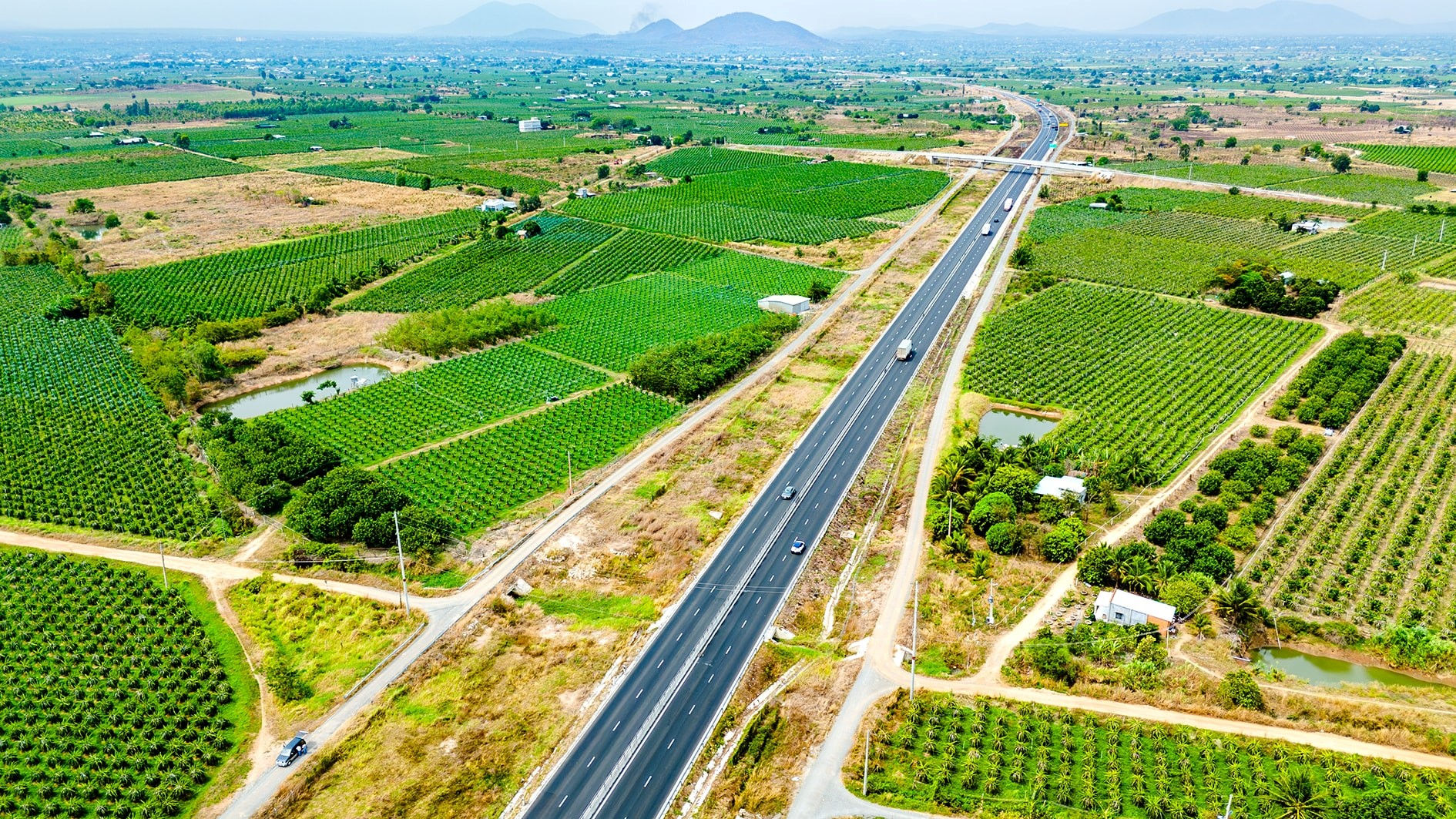
Distinct Potential of the “Blue-Sea Lam Dong” Region
The provincial merger coincided with a critical turning point for the former Binh Thuan area, which has largely resolved long-standing bottlenecks in investment attraction. Notably, large land areas previously constrained by titanium planning have been removed from such plans, while overlapping projects have been allowed to operate through their full life cycles.
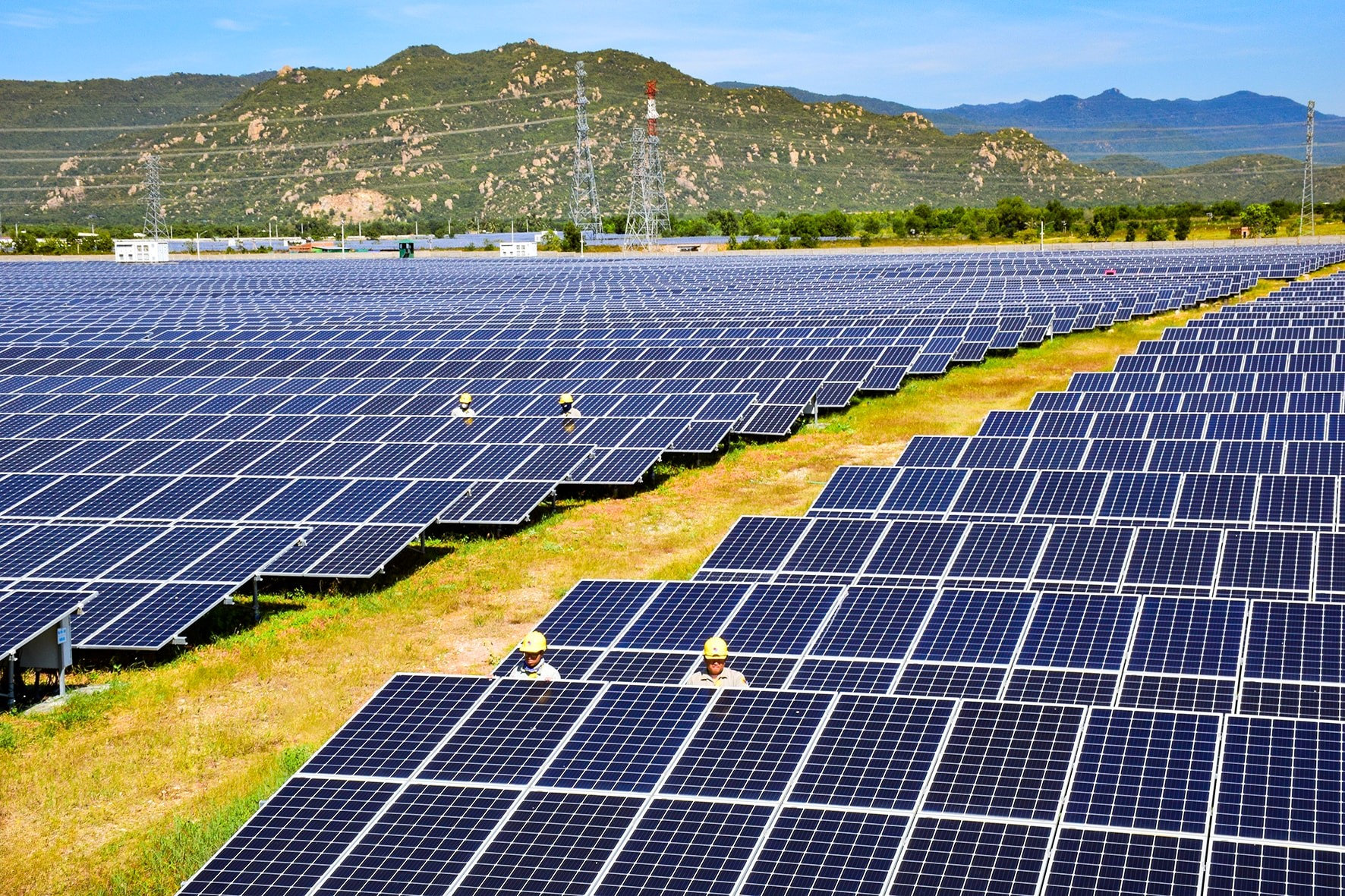
In parallel, the completion of the Vinh Hao – Phan Thiet – Dau Giay Expressway has significantly enhanced connectivity, reinforcing the region’s advantage in terms of distance and access to major economic hubs. The Phan Thiet Airport project has also solidified its investment mechanism as a dual-use airport, further strengthening development prospects.
As these constraints were gradually addressed, a wave of new projects began to take shape. Ahead of the 2025 Lam Dong Investment Promotion Conference, the southeastern part of the province has emerged as a focal point for multi-sectoral investment, as outlined in the official Decision on investment attraction for 2025 and the 2026–2030 period.

Projects Aligned with Regional Strengths
Of the 142 projects slated for investment attraction in 2025—covering only the final three months of the year—the former Binh Thuan area accounts for 68 projects, nearly half of the total. These projects focus on urban and residential development; industry and energy; transport infrastructure and industrial zones; water supply and drainage, waste treatment, cemeteries and cremation facilities; as well as trade and services.
Similarly, during the 2026–2030 period, the list of 356 investment-attraction projects highlights the continued appeal of the “blue-sea Lam Dong” region, particularly in industry, renewable energy, urban development and commercial services. Numerous high-tech manufacturing projects—including electrical and electronic equipment, computer components, auto parts, wind and solar power equipment—have been earmarked for implementation in already-developed industrial parks, primarily in the southeastern region.
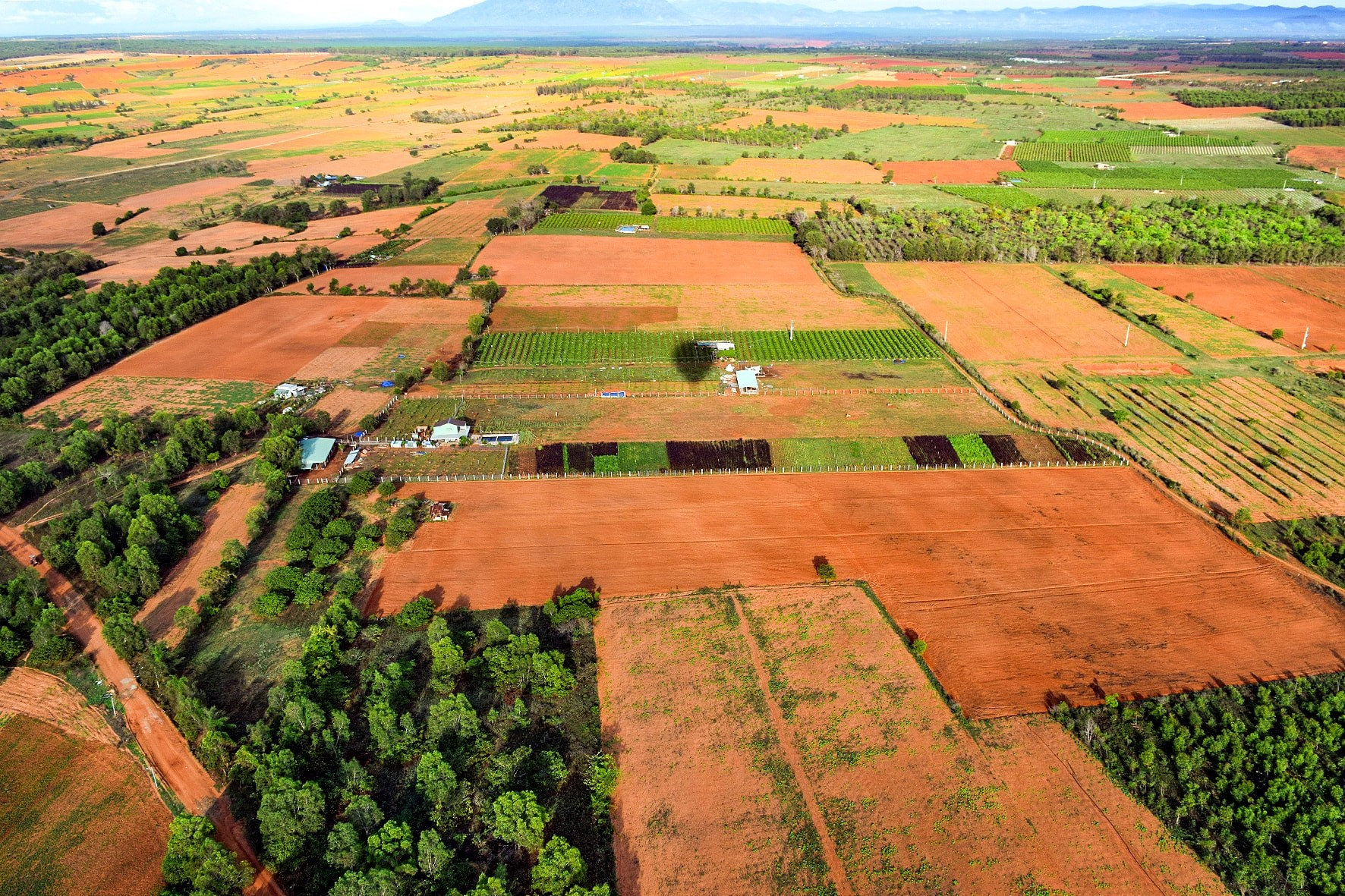
Investment Cannot Be Evenly Allocated
This concentration of projects has prompted concerns over regional imbalance, raised at a press conference on September 30 regarding preparations for the 2025 investment promotion conference. However, Mr Nguyen Ngoc Phuc, Vice Chairman of the Provincial People’s Committee, stressed that such disparities are inherent to advantage-based investment attraction.
Tourism-focused areas naturally attract tourism projects, while regions with strengths in industry and energy draw corresponding investments. With relatively complete technical infrastructure, modern transport networks, seaports, ample land reserves and less complex site clearance, the former Binh Thuan area holds a clear advantage in industrial and energy development. Meanwhile, the former Lam Dong and Dak Nong areas are more suitable for wind and hydropower, whereas solar power and offshore wind energy remain unique strengths of the former Binh Thuan region.
The complementary strengths of each region have created a unique development potential for Lam Dong. According to the Vice Chairman, the theme of the 2025 Lam Dong Investment Promotion Conference—“Lam Dong: Unlocking Potential, Elevating Position”—accurately reflects the province’s post-merger aspirations.
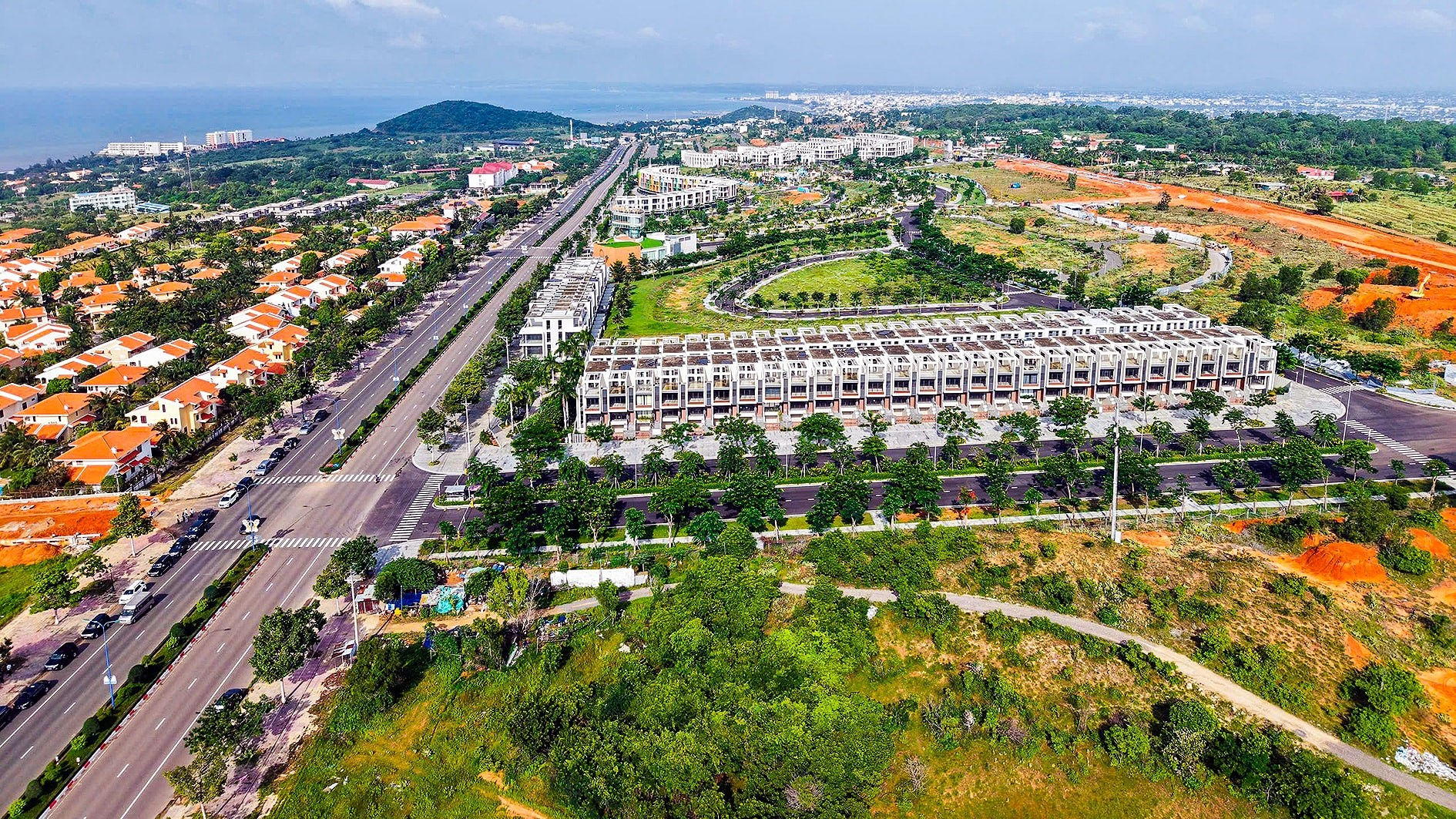
The new Lam Dong province boasts vast development space and strong potential in industry, mining and tourism, bolstered by a strategic logistics network of two airports, a seaport and border gates. Elevating the province’s position is well within reach, provided that overlapping planning issues in agriculture, mining and land use are progressively resolved.
Currently, the provincial leadership has instructed the Department of Finance and the Department of Science and Technology to apply digital technologies and integrate all planning schemes into a unified digital map, creating a transparent and investor-friendly environment.
Under the Decision announcing the list of investment-attraction projects for 2025 and the 2026–2030 period, the Chairman of the Provincial People’s Committee has directed departments, sectors and local authorities to implement coordinated measures. These include ensuring lawful investor selection for state-managed land with public assets, and requiring commune-level authorities to prepare and approve land-use plan for proposed projects in accordance with urban and rural planning regulations.