


Coconuts thrive on coastal sandy soil
On the sandy, sun-drenched coast of southeastern Lam Dong, green dwarf coconut is emerging as a promising crop. Farmers are adopting cleaner production methods, strengthening cooperative linkages and developing OCOP products, helping raise the crop’s value and create more sustainable livelihoods.
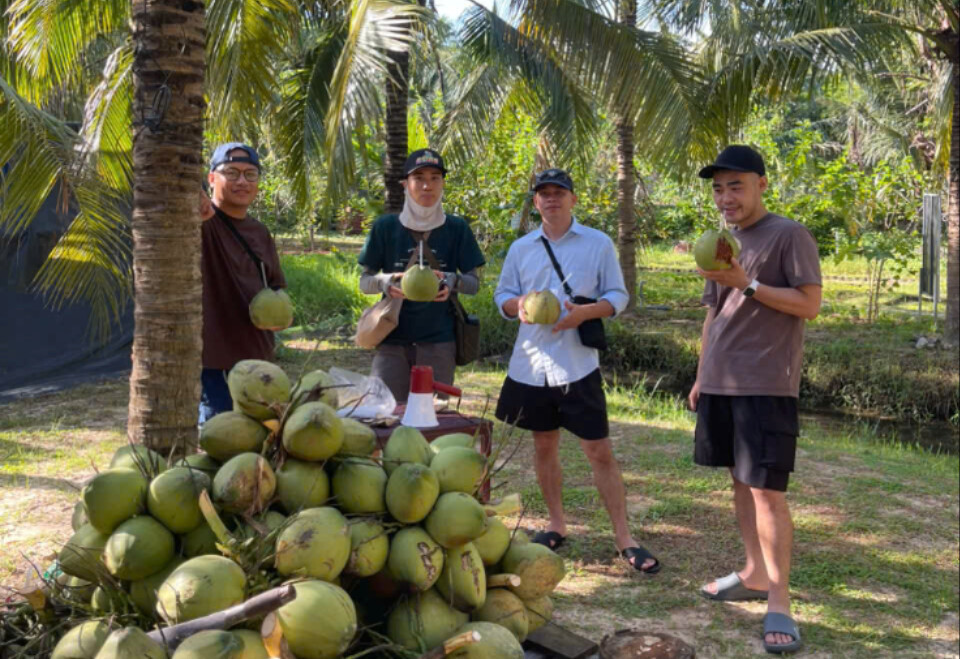
Productive coconut gardens on coastal sandy land
Rows of lush green coconut trees line the roads leading into Residential Areas 9 and 10 in Mui Ne Ward. On the coastal sandy land, the trees produce abundant bunches of fruit with naturally sweet water that is popular with consumers.
In the former Thien Nghiep area in particular, coconut trees have been closely associated with local life for generations, creating a distinctive landscape while providing a long-term source of income.
Nguyen Minh Tam, who grows two hectares of mature coconut trees in Residential Area 9, said the sandy soil in Thien Nghiep is well suited to green dwarf coconut.
The fruit has sweet water and good quality, making it popular with tourists and helping maintain stable prices. According to Tam, local coconut supply has yet to fully meet demand from the tourism market. The product is also sold in other areas, providing relatively favorable market access.
To improve economic efficiency, he raises pigeons, chickens and sand lizards beneath the coconut trees, making better use of the land while generating additional income. Livestock manure is reused as fertilizer for the coconut trees, helping reduce production costs.
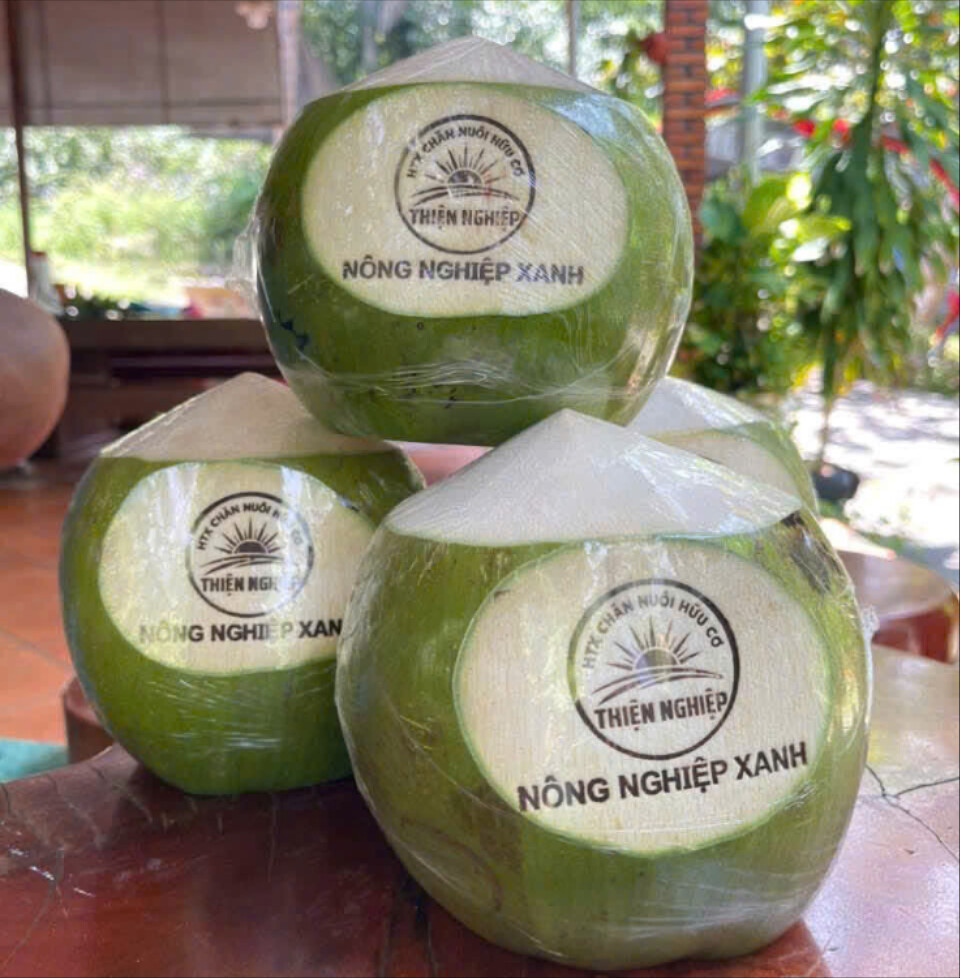
Tran Chi Tao, Chairman of the Mui Ne Ward Farmers’ Association, said the locality currently has about 130 hectares of coconut, concentrated mainly in the Thien Nghiep area.
Tourism development has helped expand the market and create jobs for local workers. However, coconut growers still face fluctuating prices and damage caused by black-headed caterpillars. Strengthening production linkages, securing market outlets and improving coconut quality are therefore key priorities.
In Hong Son Commune, green dwarf coconut is concentrated in Thuan Phong, Long Thanh and Long Phu hamlets, covering more than 33 hectares. Thanks to its strong adaptation to local soil conditions, coconut provides a stable income several times higher than rice and some less efficient crops.
Local farmers are gradually shifting toward VietGAP-oriented cultivation and applying biological measures such as raising weaver ants and improving orchard ventilation to reduce pests and improve fruit quality.
Hong Son Commune currently has four approved growing-area codes for coconut exports to China, opening further opportunities to access a major market.
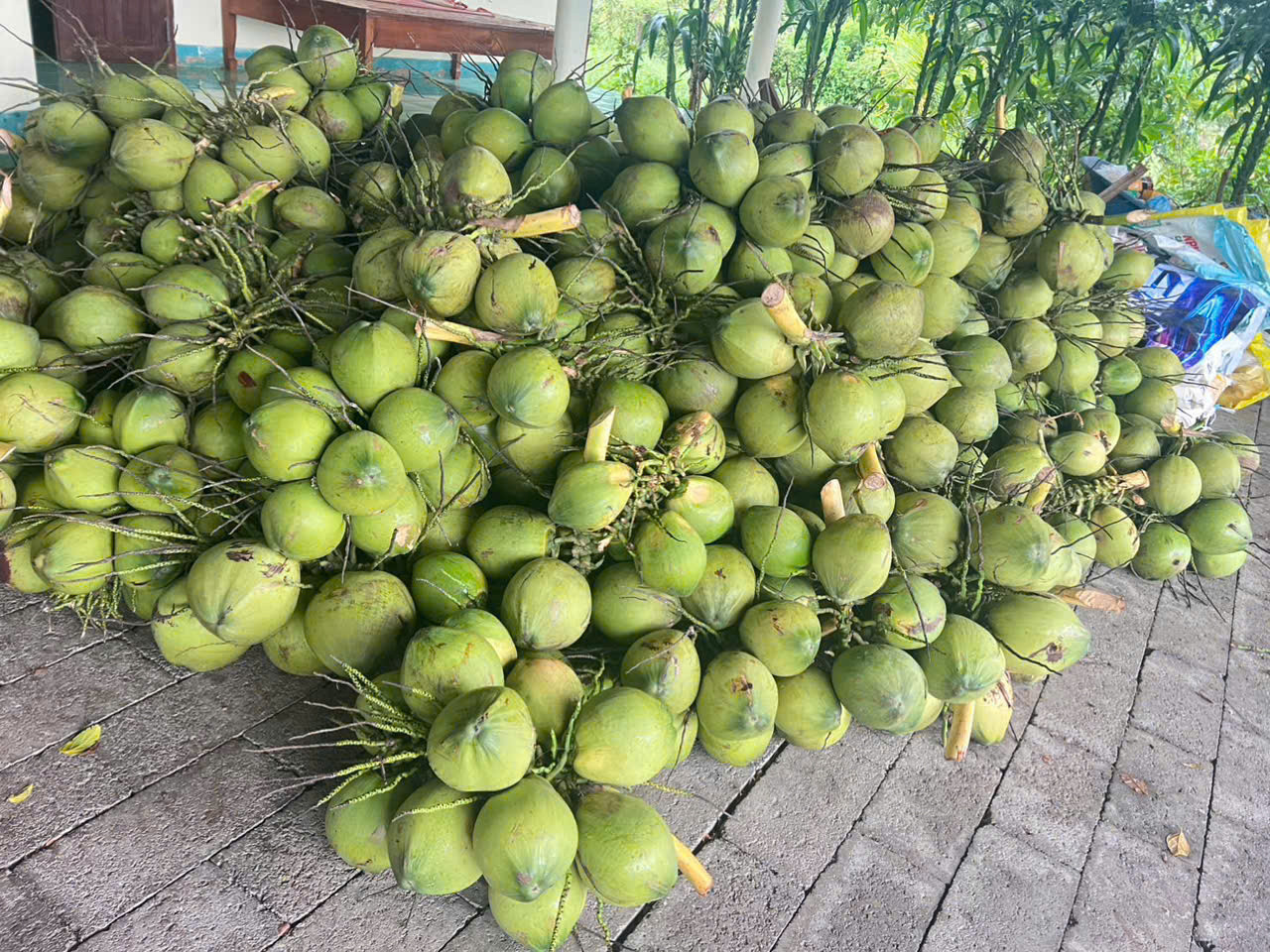
Linking producers to raise coconut value
Frequent price fluctuations and unstable market outlets prompted the establishment of Thien Nghiep Cooperative in Mui Ne Ward in 2022. The cooperative brings together local coconut growers to strengthen market linkages and increase the value of the crop.
Nguyen Van Tanh, Chairman of the Board of Thien Nghiep Cooperative, said the cooperative currently has 15 members managing around 50 hectares with approximately 20,000 coconut trees, mainly green dwarf coconut.
Compared with several other crops, coconut adapts well to local conditions, requires relatively low maintenance costs and provides fairly stable economic returns.
Once mature, the trees can be harvested about every 20 days. This relatively regular harvesting cycle provides growers with a steady source of income. Beyond connecting members with buyers, the cooperative also provides technical support through training courses on coconut cultivation, care, pest control and production experience.
Products are currently marketed through businesses and distribution links coordinated by the cooperative. The cooperative also plans to develop concentrated growing areas and apply VietGAP or organic-oriented production processes to improve product quality.
In 2025, Thien Nghiep green dwarf coconut received a three-star OCOP rating, helping strengthen the product’s brand, promote it to consumers and expand market opportunities.
The cooperative has also received a domestic growing-area code for 1.86 hectares of green dwarf coconut, with annual output of about 96,000 fruits.