


Connecting Highland Tourism Corridors
Moving beyond isolated destinations, the Gia Nghia–Ta Dung–Da Lat route is taking shape as a seamless tourism corridor, offering travelers a continuous journey through lakes, waterfalls, forests, and the distinctive climate of the Central Highlands.
Harnessing the Potential of Lakes and Waterfalls
Stretching from Gia Nghia through Ta Dung to Da Lat, the western corridor of Lam Dong Province is emerging as a promising tourism space shaped by lakes, waterfalls, forests, and a signature highland climate. Unlike the bustling atmosphere of central Da Lat or Mui Ne–Phan Thiet, the Gia Nghia–Ta Dung axis offers a more pristine and expansive experience, with strong potential for exploration-based tourism.
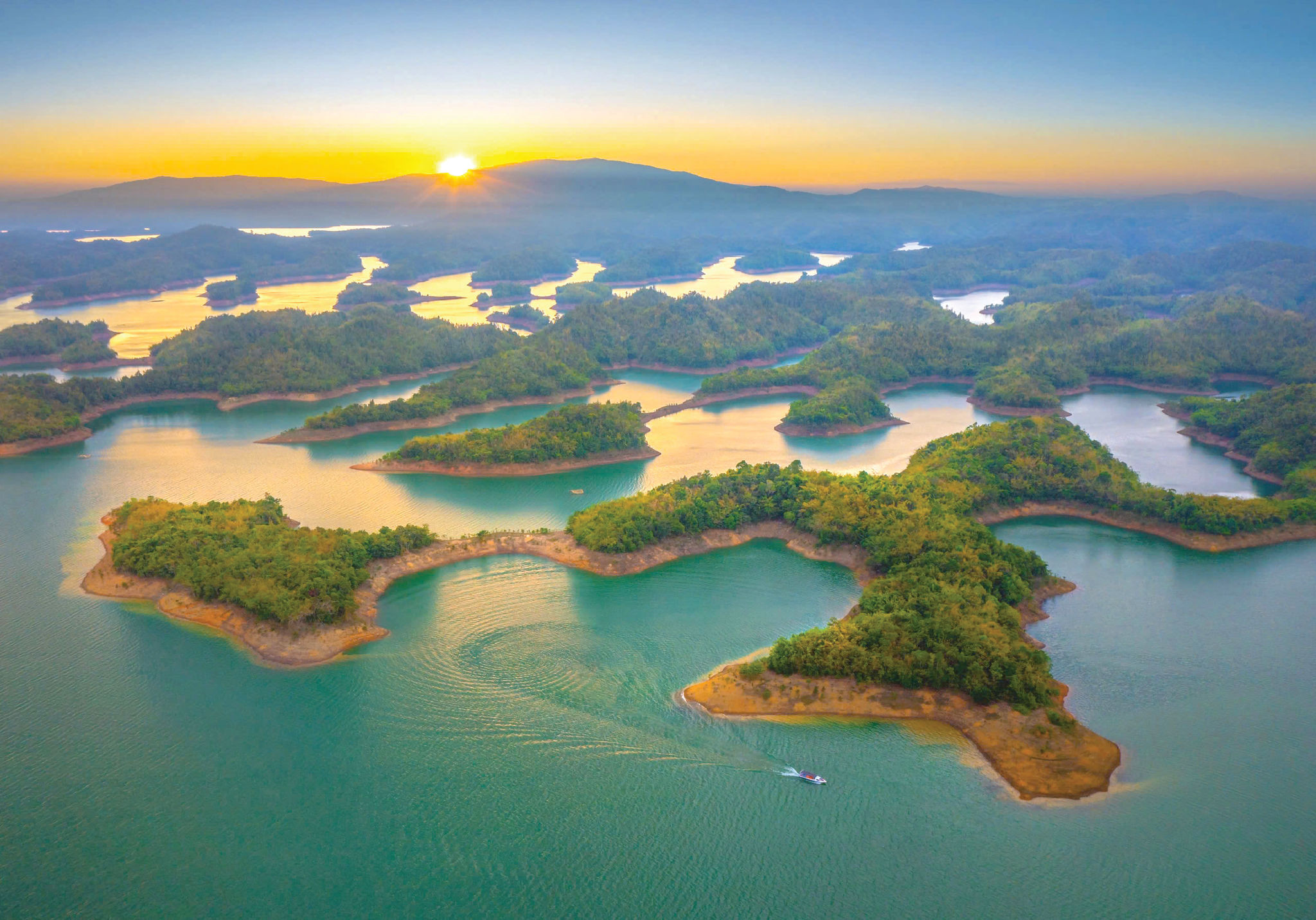
Ta Dung leaves a lasting impression with its vast expanse of water dotted with dozens of small islands, earning it the nickname “the Ha Long Bay of the Central Highlands.” Nestled amid mountains and forests, this distinctive landscape gives the area a strong tourism identity and makes it well-suited for resort tourism, camping, stand-up paddleboarding, trekking, and ecotourism.
From here, travelers can continue their journey through a network of lakeside routes, cascading waterfalls, and sprawling pine forests. According to Bui Thi Khanh Hoa, Chairwoman of the Ta Dung–Gia Nghia Tourism Association, the route’s strongest appeal lies in its distinctive landscapes and diverse range of experiences.
“Travelers are no longer looking merely for a beautiful backdrop for photos, they want to truly immerse themselves in natural settings,” Hoa said. “Ta Dung and the Gia Nghia–Da Lat corridor have a major advantage thanks to their lakes, waterfalls, forests, and climate. If tourism products are effectively integrated and tour routes are well connected, this corridor could become a highly promising tourism destination.”
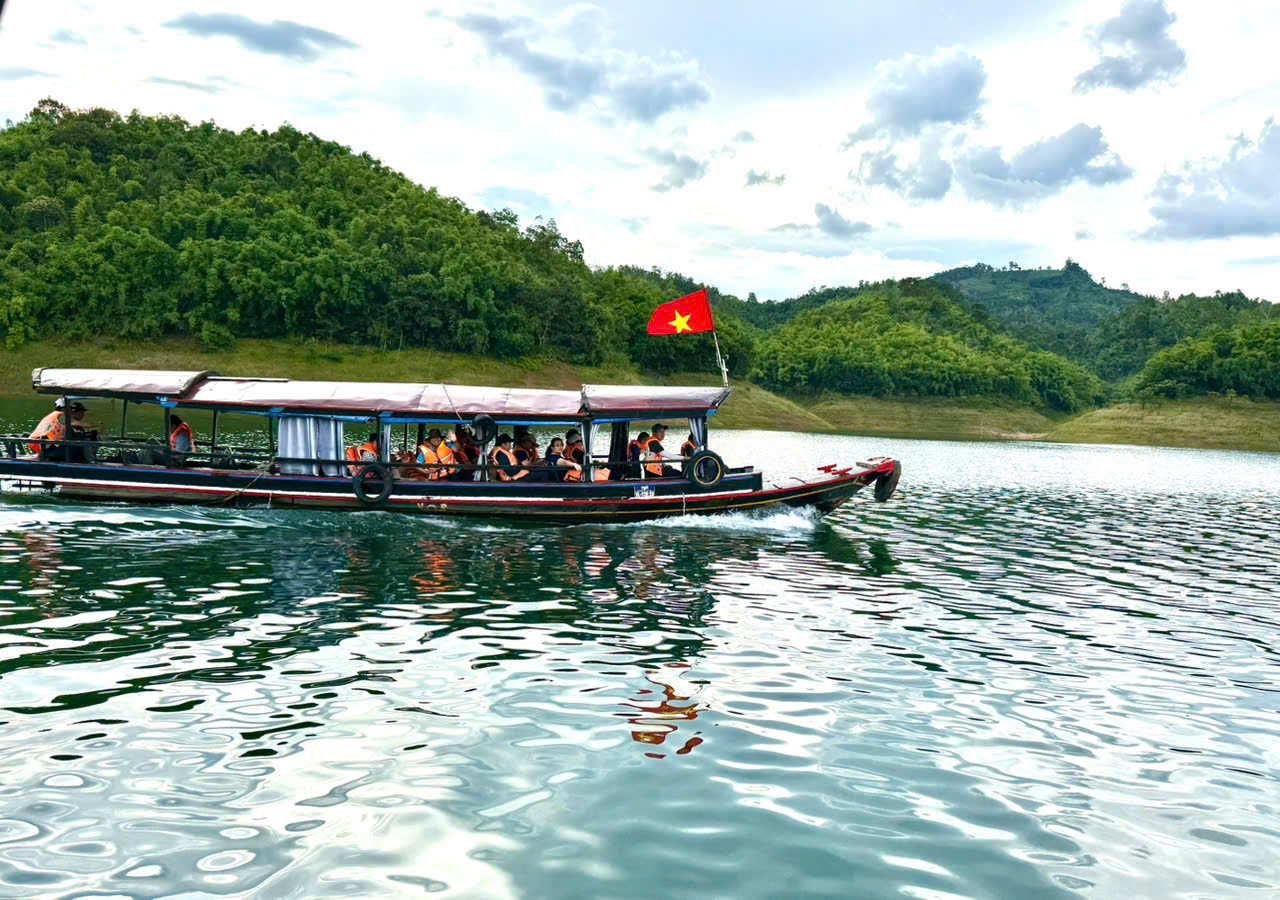
Tran Van Trung, a representative of Lake Hill Ta Dung Tourist Area, said the site has welcomed more than 7,000 visitors so far this year. To enhance competitiveness and expand its market reach, the facility is working with both local and out-of-province travel agencies to develop integrated accommodation and tour packages.
Lake Hill’s key advantage lies in its well-planned initial investment, with landscaped spaces, diverse services, and an integrated tourism experience complex. However, he noted that sustainable growth will require a more synchronized regional tourism chain. “Infrastructure and accommodation capacity remain limited, so stronger connections with travel operators are needed to maintain a stable flow of visitors,” he said.
Beyond its natural scenery, western Lam Dong is also home to rich indigenous cultural heritage. The Gia Nghia–Ta Dung route passes through areas inhabited by various ethnic minority communities, whose distinctive cultural identities add depth to experiential tourism products.
As the tourism sector shifts toward green and sustainable development, pristine destinations such as Ta Dung and the western lakeside and waterfall routes hold considerable potential. However, experts and businesses agree that long-term success will depend not only on natural advantages, but also on strategic partnerships and the development of signature tourism products.
Integrating Tourism Resources
According to Bui Thi Khanh Hoa, travelers once tended to visit these destinations separately, but demand is now shifting toward multi-day experiential itineraries. A single journey can begin in Gia Nghia, continue to Ta Dung Lake, introduce visitors to indigenous culture, and then connect to Da Lat for luxury retreats, “cloud hunting,” and further exploration of lakes and waterfalls. This diversity is a key factor in extending visitor stays along the route.
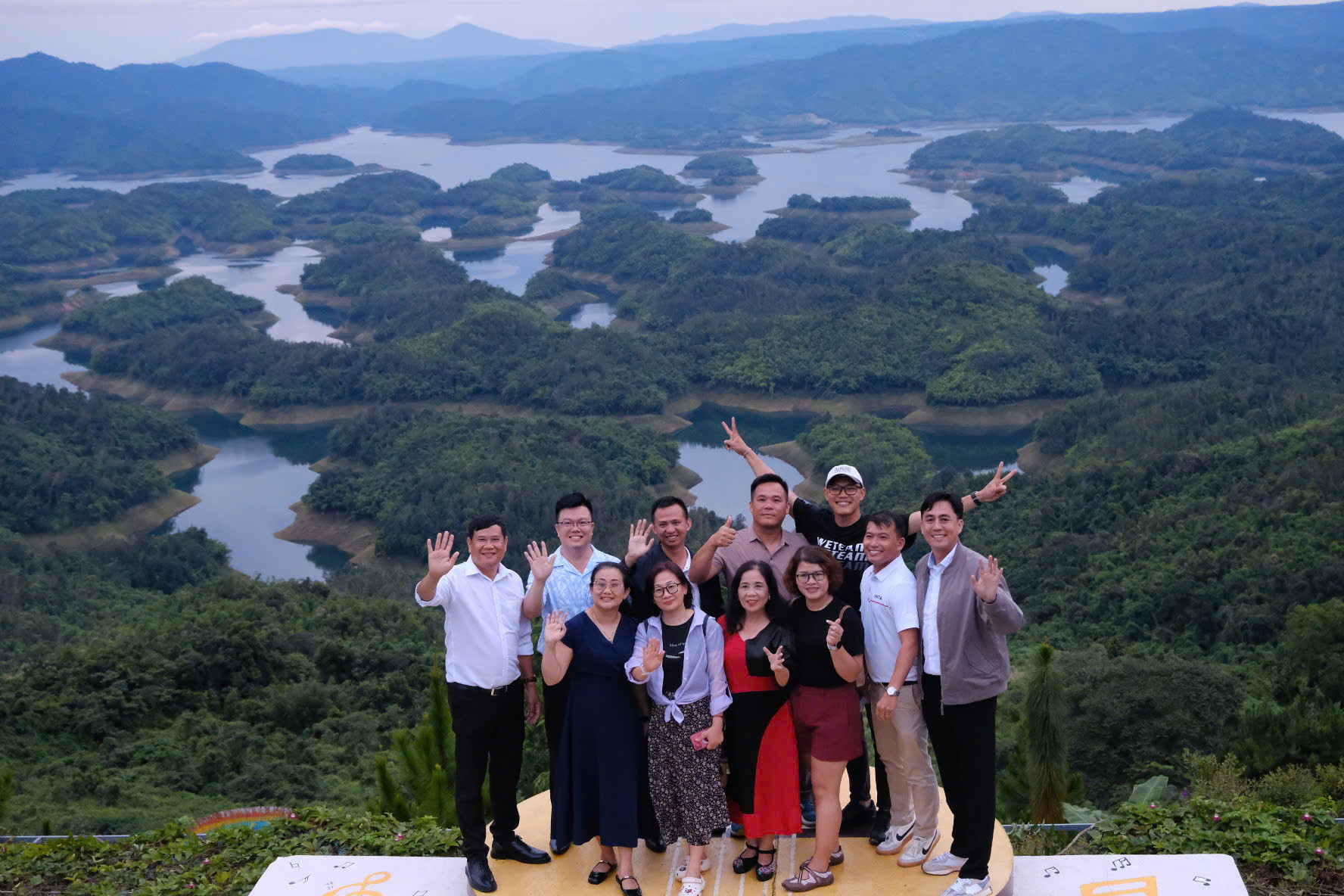
During a meeting with travel agencies in Ta Dung, Vice Chairman of the Provincial People's Committee Dinh Van Tuan said the province's western region holds immense potential for ecotourism, resort development, and nature-based experiences. This potential stems from its well-preserved landscapes, including a network of lakes, waterfalls, forests, and a distinctive highland climate. If developed responsibly, with resource conservation combined with strategic tour linkages, the area could become an important driver in expanding Lam Dong’s tourism space.
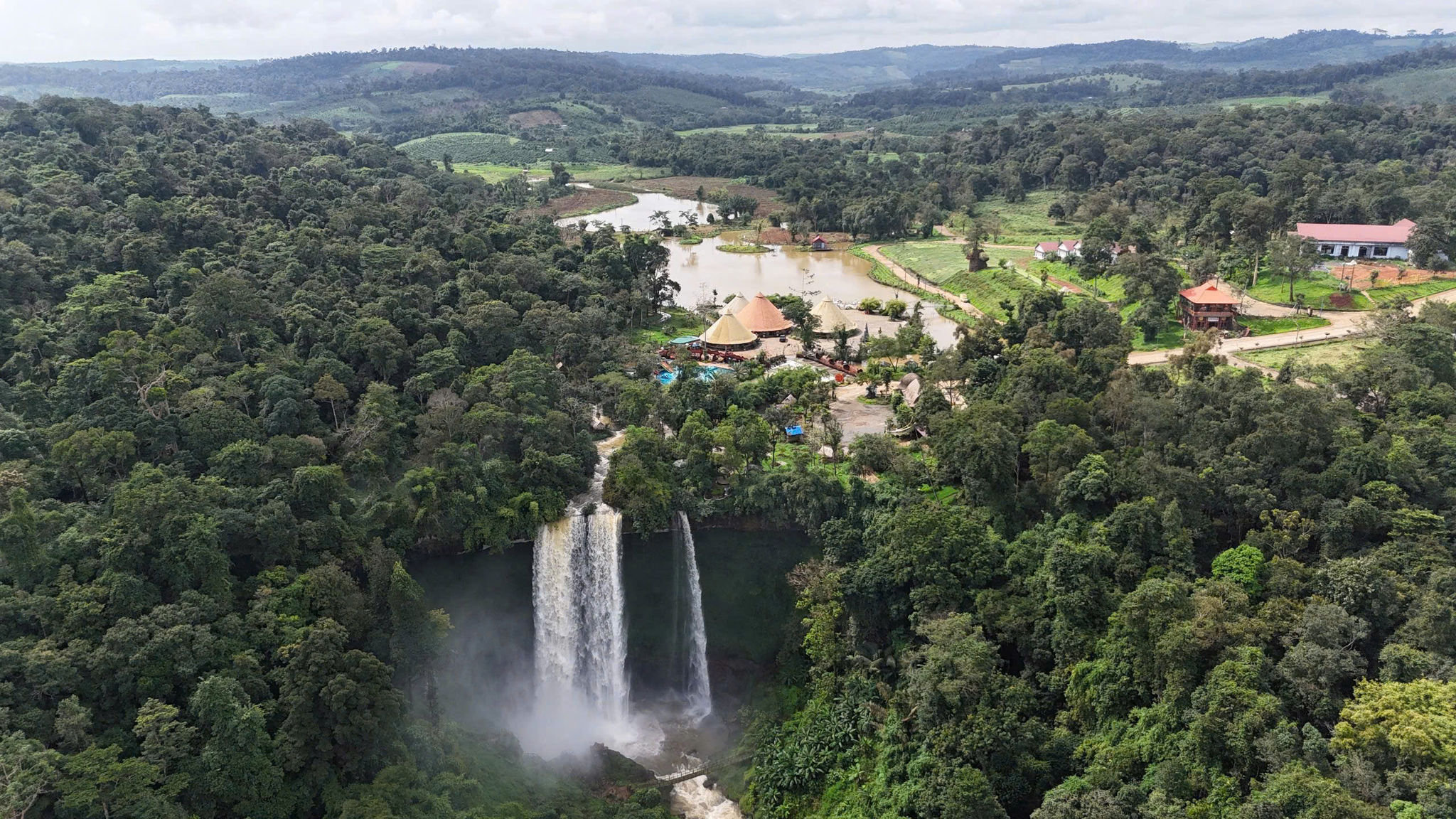
He emphasized that instead of operating in isolation, the tourism sector must build interconnected itineraries across localities to create seamless experiences for visitors. In this context, the Gia Nghia–Ta Dung–Da Lat route is highly valued for its combination of natural landscapes and distinctive indigenous cultures.
In practice, many tourism businesses have already begun developing experiential tours along this western highland corridor, combining ecotourism with luxury retreats and discovery travel. The journey from Gia Nghia to Da Lat is attracting growing interest thanks to its expansive natural spaces, which offer visitors relaxation and a closer connection with nature.
The Lam Dong Tourism Association expects its chapters to act as bridges between businesses, communities, and state management agencies. At the same time, they are expected to guide tourism development toward professionalism, quality, and sustainability. This direction aims to strengthen regional connectivity, improve tourism products, and gradually build the Ta Dung–Gia Nghia brand into a leading destination for ecotourism, resort tourism, and experiential travel.
Associations must promote their roles as connectors to enhance the quality of tourism products. In doing so, they will contribute to the sustainable development of local tourism
Vice Chairman of the Provincial People's Committee Dinh Van Tuan