


Cultural Identity Creates a New Draw for Community-Based Tourism
Located along the Ta Nung Pass tourism route stretching from Cam Ly – Da Lat Ward to Nam Ban Lam Ha Commune, a chain of experiential destinations has emerged, seamlessly blending flower forests, agricultural tourism and indigenous culture. Among them, community-based tourism sites of the K’ho ethnic group such as K’ho Cil Village and Bon Tonun have created a distinctive appeal by vividly recreating traditional living spaces alongside gong performances and ethnic music.
Cultural Heritage as a Unique Tourism Product
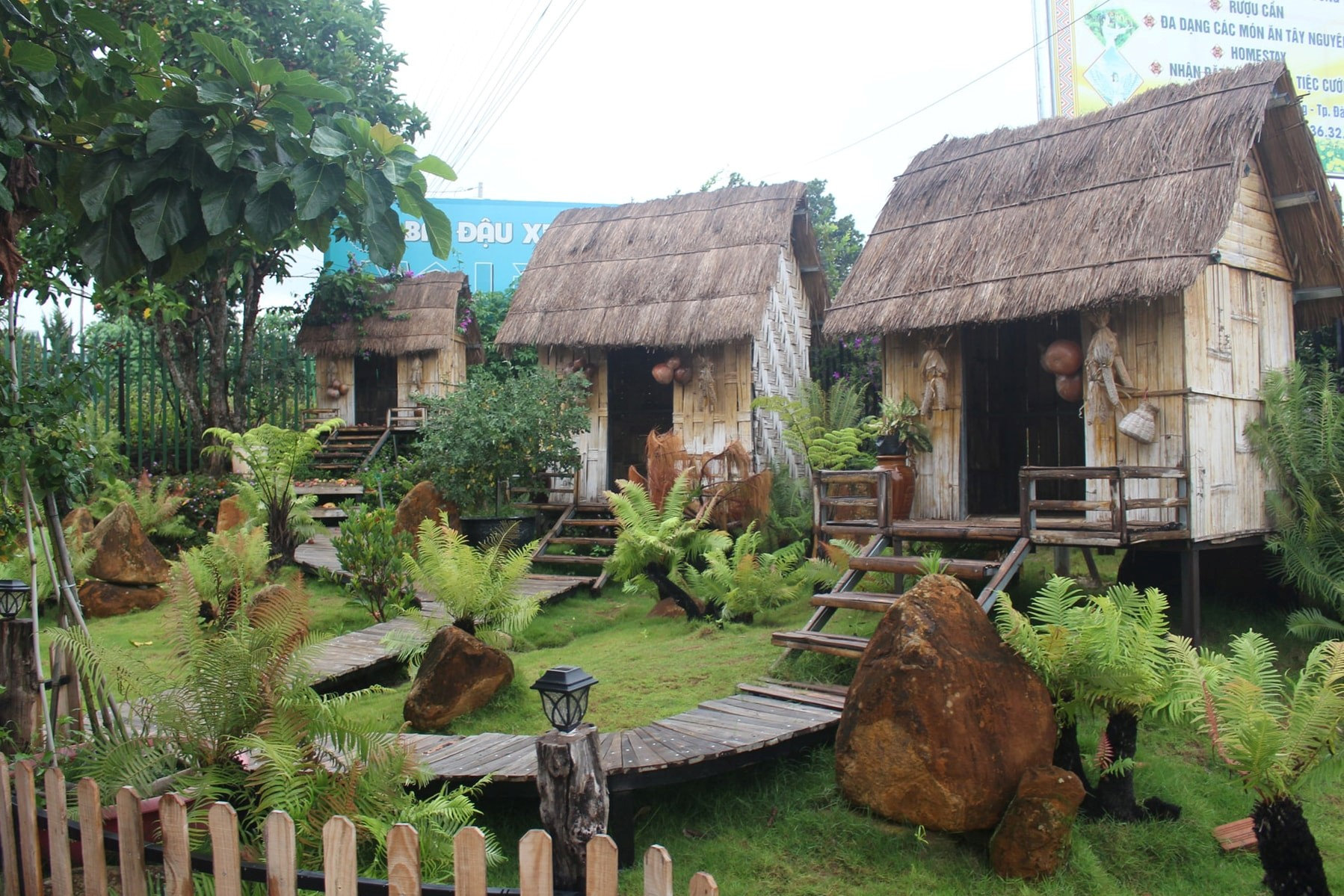
K’ho Cil Village stands out as a representative model of community-based cultural tourism. From the entrance, rustic stilt houses nestled among gardens and small bridges crossing streams evoke the atmosphere of a traditional K’ho village.
The village is owned and operated by Lieng Hot Thai Hoa (48 years old), a native of the community. On land previously used for coffee cultivation, she shifted to developing community tourism, starting with the values closest to K’ho daily life.
“I want visitors to truly see and experience the authentic life of the K’ho people—listening to gong music, enjoying traditional rice wine, and feeling the beauty of our customs and heritage,” Thai Hoa said.
Based on that vision, a wooden stilt house was restored following the traditional longhouse architecture of the K’ho, functioning as a small living museum. Inside, visitors can find brocade textiles, traditional musical instruments such as gongs, lithophones, T’rung bamboo xylophones and horns, as well as everyday tools like “gui”, machetes and fishing traps passed down through generations.
Holding an old “gui”, Thai Hoa reflected: “Many young people in the village once overlooked these items. Through tourism, I feel responsible for preserving them so future generations understand how their ancestors lived and worked.” She has also brought together local youth and village elders to pass on gong-playing skills and organize regular performances for visitors.
According to Thai Hoa, maintaining a gong ensemble serves both tourism and cultural preservation. Without regular practice, gongs would remain silent artifacts. Thanks to visitors, young people are motivated to learn, elders have opportunities to teach, and cultural heritage continues to thrive.
The Sound of Gongs That Keeps Visitors Staying
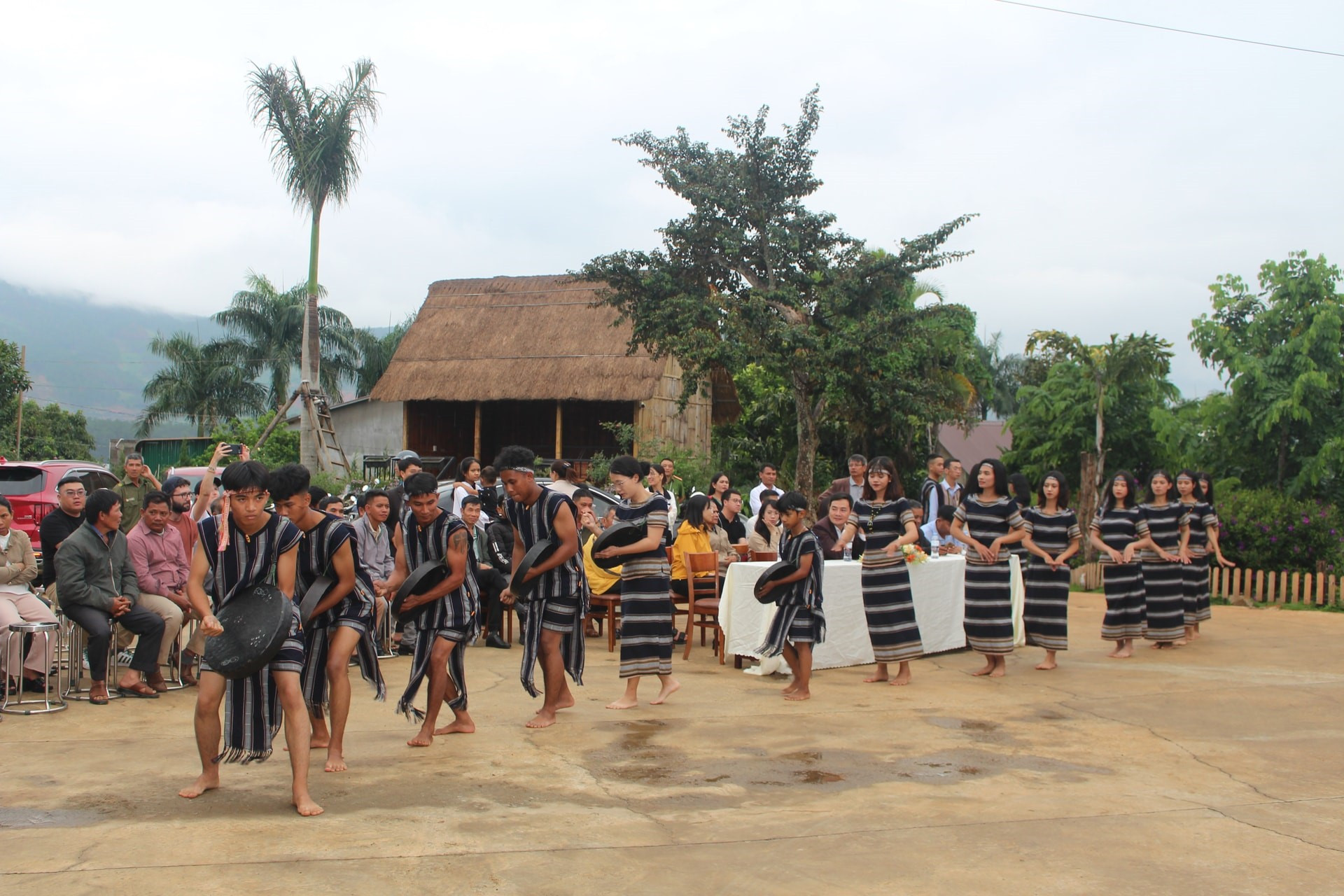
Within the culturally rich setting of K’ho Cil Village, visitors can enjoy coffee, stay overnight in rooms overlooking lush coffee hills, take photos among flowers and streams, and savor traditional cuisine. As night falls, the resonant sound of gongs around a warm fire, accompanied by dances and traditional brocade costumes, leaves a lasting impression.
Along the Ta Nung Pass, three community tourism sites featuring gong performances have become cultural highlights, transforming heritage into distinctive tourism products. At Bon Tonun, visitors gather by the fire each afternoon to enjoy ethnic music and join “xoang” dances in a serene highland atmosphere.
“Can” wine (traditional rice wine), “lam” rice (bamboo-cooked rice), grilled meat, forest vegetables and stream fish revive the material and spiritual values of the K’ho community, offering a peaceful experience that encourages visitors to linger.
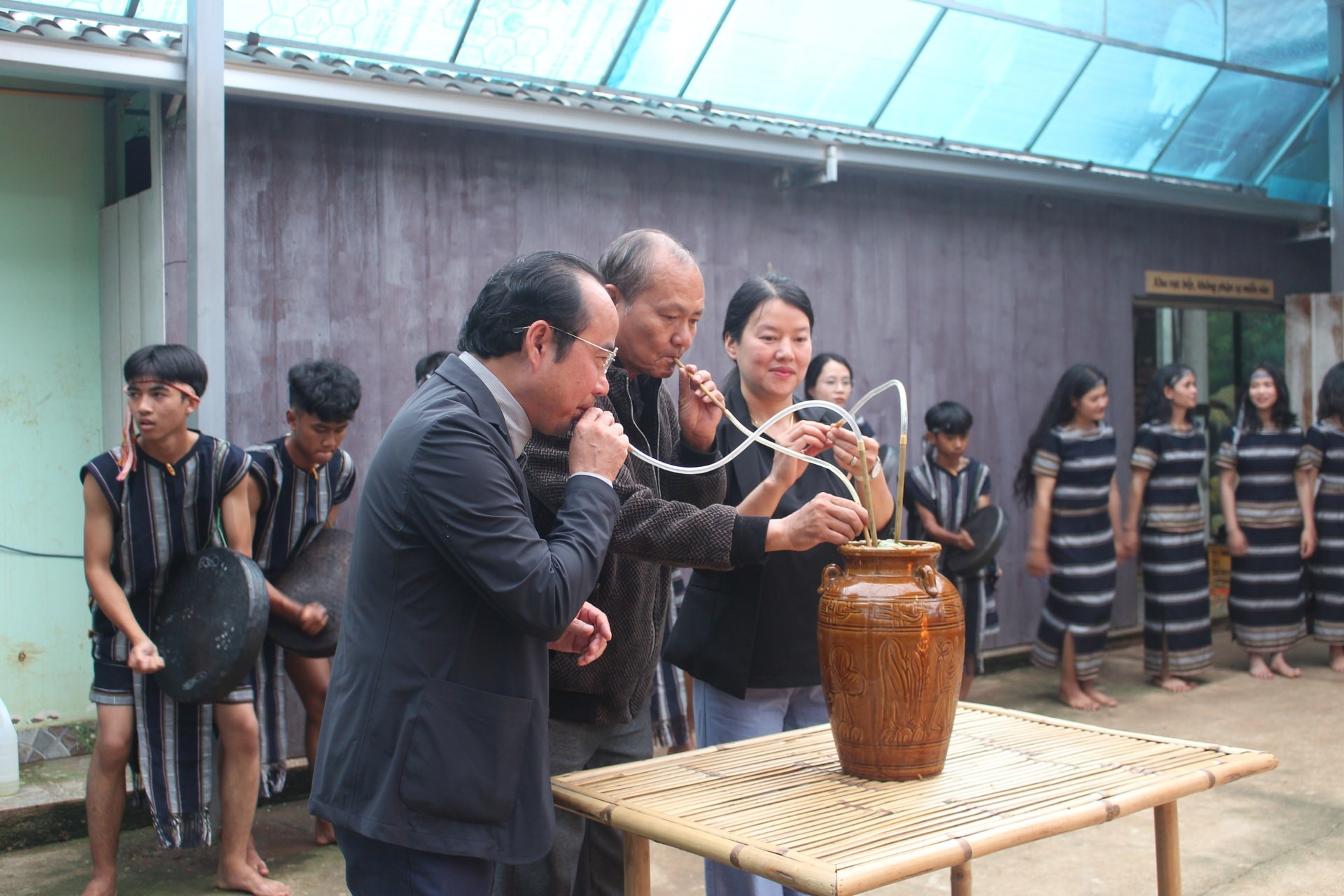
Doan Van Hung, a visitor from Hanoi, said that instead of simply viewing flowers and leaving, he chose to stay at K’ho Cil Village for enjoying dinner, gong performances and "can" wine. “It was a memorable experience that gave the trip greater depth,” he said.
Supporting Sustainable Community-Based Cultural Tourism
To ensure the sustainable development of community-based cultural tourism, the Department of Culture, Sports and Tourism has supported the establishment of the K’ho Gong Culture Club associated with tourism development in Cam Ly - Da Lat Ward.
Funded under Project 6, “Preserving and Promoting the Traditional Cultural Values of Ethnic Minorities in Connection with Tourism Development”, the department provided the K’ho Cil Gong Club with 30 performance costumes, a six-gong set, and technical support. The club currently has 25 members, mainly youth, and is headed by Lieng Hot Thai Hoa.
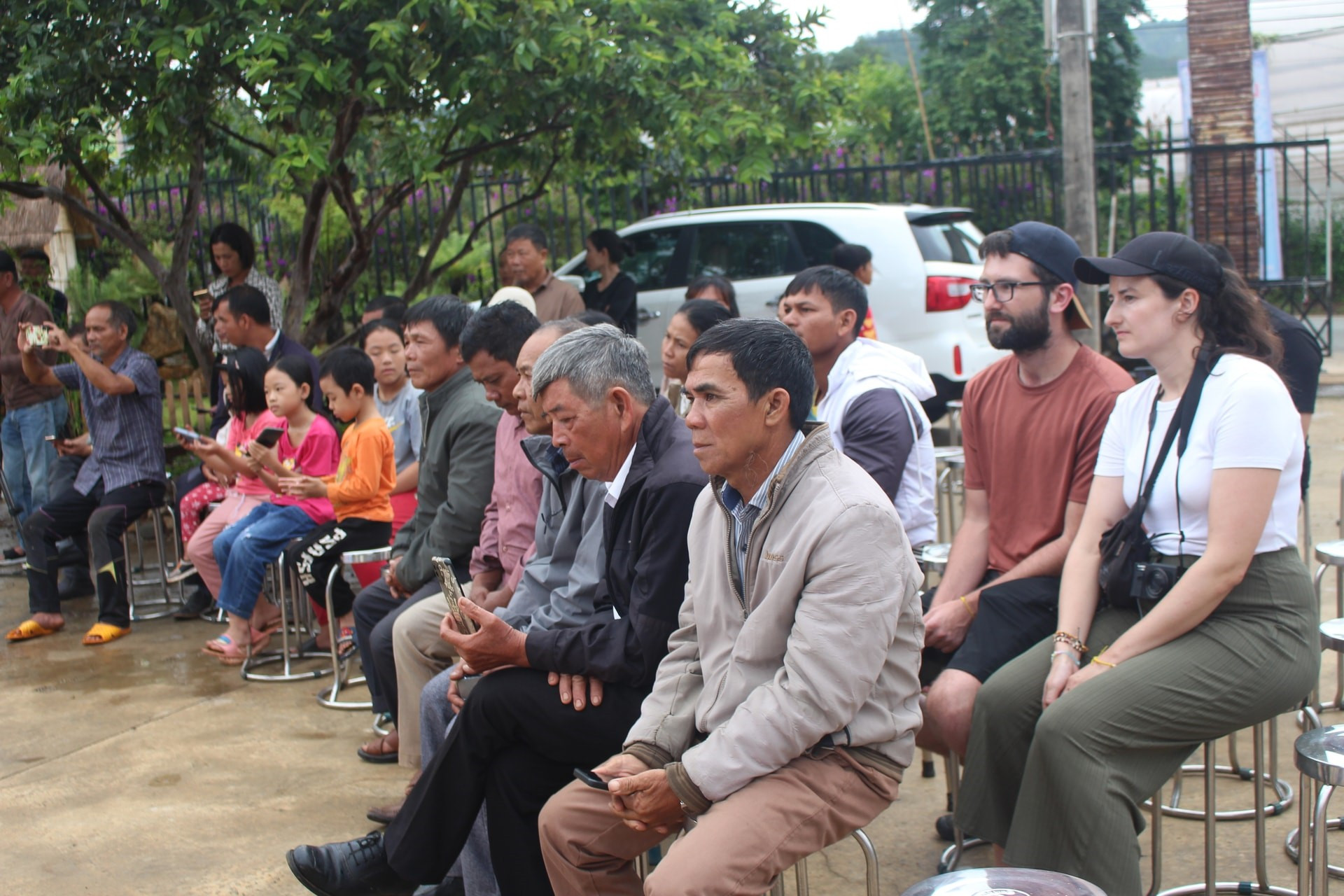
After more than a year of support, K’ho Cil Village has emerged as a destination rich in K’ho cultural identity. Through gong sounds, “xoang” dances and traditional attire, cultural heritage has been revived within the community, attracting both domestic and international visitors.
In the coming period, further efforts will focus on gong training for younger generations, tourism skills development and raising community awareness of heritage values, contributing to the formation of a distinctive tourism route combining flower viewing, cultural experiences and community tourism along the Ta Nung Pass from Cam Ly - Da Lat Ward to Nam Ban Lam Ha Commune.