


Cultural Industries – A New Driving Force for Lam Dong’s Breakthrough
With its unique cultural identity, majestic landscapes, and the UNESCO title of “Creative City of Music,” Lam Dong is seizing a golden opportunity to turn cultural industries into a key economic sector. This is not only a new direction for sustainable development but also a way to preserve heritage and elevating the province’s position on the global creative map.
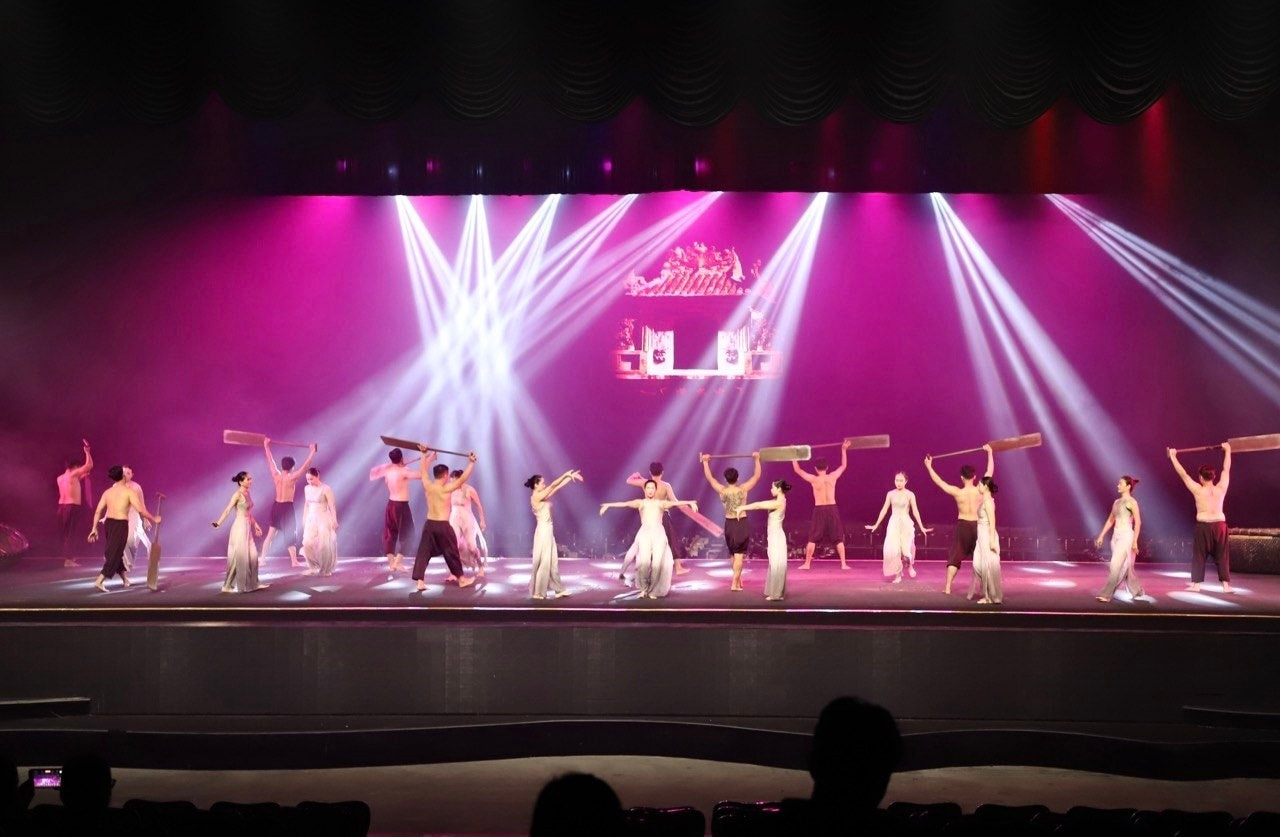
A treasure of nature and local culture
Spanning over 24,000 km² and home to more than 3.3 million people, Lam Dong province is a tapestry of diverse ecosystems, from the verdant Lam Vien Plateau to the serene Binh Thuan coastline. Recent administrative changes have positioned the province as a “creative hub” with the potential to inspire far beyond its borders.
Beyond the famed gong culture and ethnic festivals, Lam Dong’s cultural industries are expanding into music, film, fashion, and experiential tourism. From the gong cultural space recognized by UNESCO, to the rain-praying and new rice festival of the K'ho people, all create an inspiring heritage foundation to develop creative products, contributing to promoting Vietnamese culture to the world.
Da Lat, in particular, with its status as a UNESCO “Creative City of Music,” has emerged as a hub for artists, cultural projects, and international events ranging from music to art, affirmed Lam Dong's position on the global creative map.
Linking culture, tourism, and trade
In recent years, cultural industries have increasingly proven their role in driving the local economy. Events like “Lam Dong Tourism Experience Month 2025” and the “Lam Dong Cultural Festival” have highlighted the region’s identity through handicrafts, K’ho musical instruments, Arabica coffee, and artichoke tea…
Ms. Vo Thi Hoang Yen, Deputy Director of Lam Dong’s Investment, Trade and Tourism Promotion Center, emphasized: “Lam Dong must focus on three pillars: culture, tourism, and trade. The government should prioritize heritage conservation projects while encouraging public-private partnerships to develop creative cultural products such as documentaries or VR festival experiences.”
Overcoming Hurdles
Despite its potential, Lam Dong’s cultural industries face several obstacles. Folk festivals have yet to be transformed into attractive tourism products; traditional weaving villages lack investment and risk fading away. Da Lat, meanwhile, risks losing its UNESCO Creative City designation if it fails to meet commitments to music education.
Assoc. Prof. Dr. Nguyen Thi Thu Phuong, Director of the Vietnam Institute of Culture, Arts, Sports and Tourism, warned: “There is still a gap between culture and tourism. Many traditional festivals remain community-oriented rather than being developed into competitive cultural industry products.”
Creative enterprises in remote areas also struggle with underdeveloped infrastructure and inconsistent policies. According to musician Nguyen Cao Nguyen, Head of the Lam Dong Music Association: “Despite its potential in music and design, Lam Dong still lacks specialized training centers and funding to support young artists, resulting in a shortage of high-quality human resources.”
During its development journey, Lam Dong Province has identified culture as the spiritual foundation of society — both a goal and a driving force. With strong political will and the collective efforts of the government, businesses, and the people, the province aims for sustainable development that balances economic growth, environmental protection, cultural preservation, and improved quality of life.
Ms Nguyen Thi Bich Ngoc, Deputy Director of the Lam Dong Department of Culture, Sports and Tourism
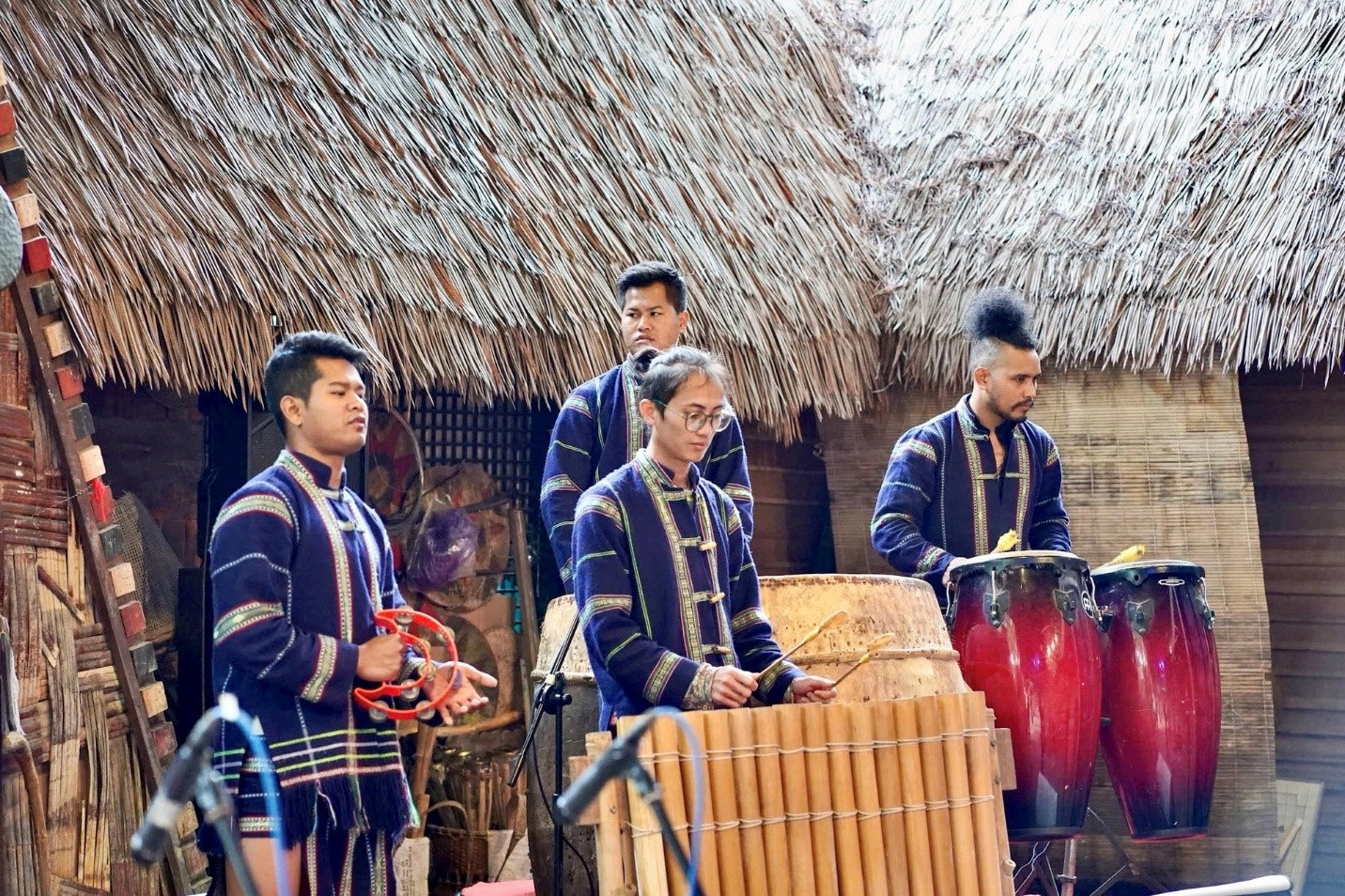
Toward sustainable development
To ensure sustainable growth, Lam Dong must avoid the trap of “cultural tourism commercialization,” where heritage is exploited for short-term gains at the expense of authenticity and the environment.
Instead, the province is working to expand promotion efforts, strengthen regional and international cooperation, and bring Lam Dong’s creative products to larger markets. At the same time, preserving heritage is associated with creating jobs, increasing income, and building the image of a dynamic, creative, and unique Lam Dong.