


Cultural preservation drives sustainable tourism development
As tourism increasingly focuses on local experiences, preserving and promoting cultural values is not only helping maintain identity but also becoming a key driver for Lam Dong to develop sustainable tourism.
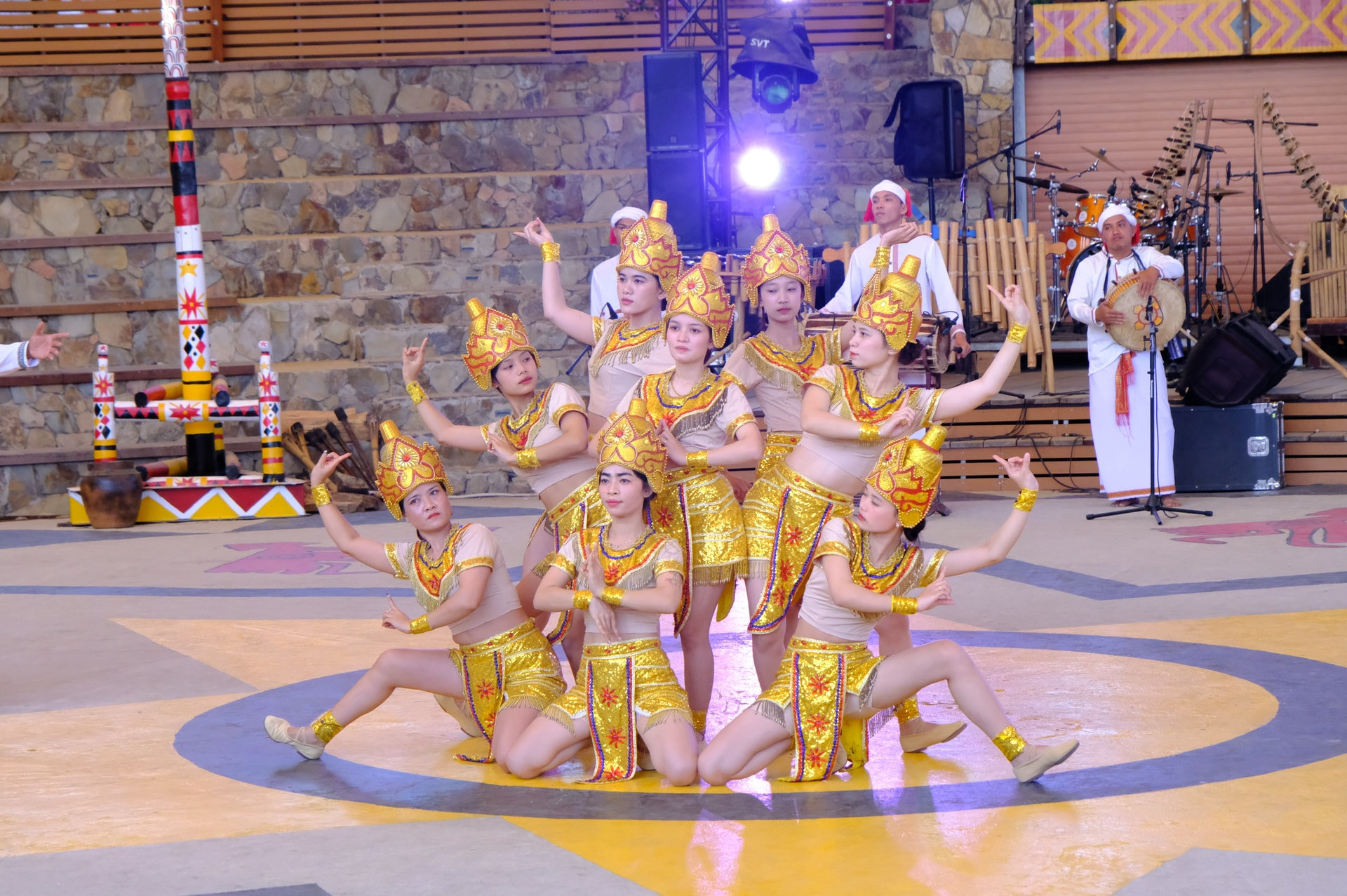
A rich store of local culture
Lam Dong is home to 49 ethnic groups, creating a diverse cultural landscape. Minority communities such as the Kho, Cham, Mnong and Churu have preserved many traditions linked to daily life and community activities.
Over generations, these cultural values have been maintained through traditional festivals, folk arts, musical instruments and distinctive folk songs. The sound of gongs at festivals, epic stories told around the fire and the vibrant colours of traditional brocade have become defining features of the Central Highlands. The Central Highlands Gong Culture has been recognised as part of humanity’s intangible cultural heritage, reflecting the rich spiritual life of local communities.
In addition to intangible heritage, Lam Dong also has a wide range of historical sites and scenic landmarks. Hundreds of sites across the province have been preserved, helping to retain historical and cultural traces from different periods. These locations have become popular destinations for visitors.
A number of cultural and tourism festivals are held regularly to promote the province. The Da Lat Flower Festival, in particular, has become a flagship event, showcasing both the city’s natural beauty and its cultural identity to domestic and international tourists.
As experiential tourism grows, local cultural values are increasingly seen as a valuable “soft resource”. Many visitors now seek not only scenic attractions but also opportunities to explore customs, cuisine and everyday cultural life.
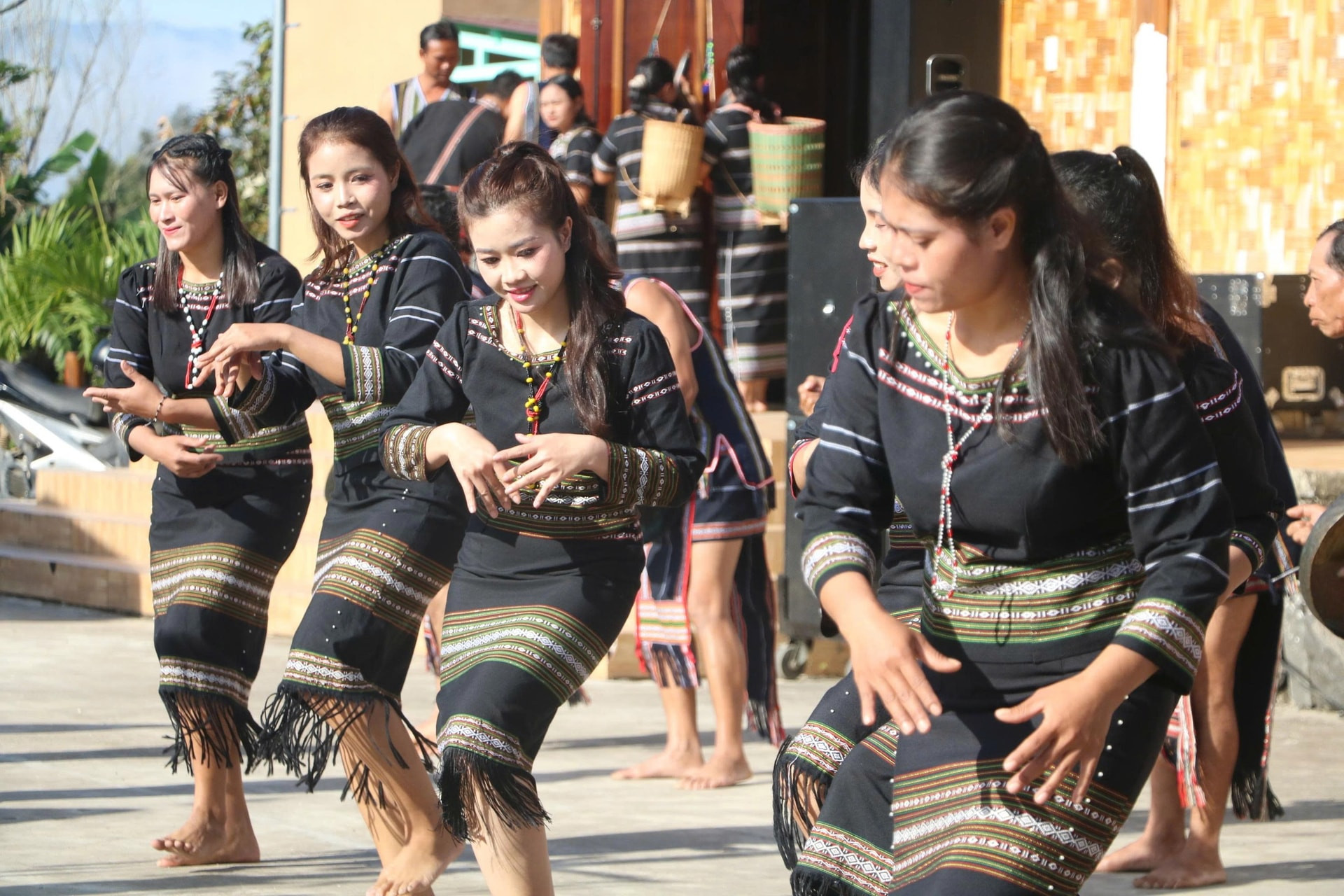
Turning culture values into tourism products
Recognising the importance of culture in tourism development, Lam Dong has introduced programmes to preserve and promote traditional cultural values. Local authorities have gradually incorporated these values into community-based tourism. Villages that retain traditional lifestyles, craft villages specialising in brocade weaving or basketry, and agricultural festivals are becoming attractive destinations.
At the foot of Lang Biang Mountain, visitors can experience gong performances and cultural shows reflecting regional identity. One visitor said watching Cham dance and music performances helped deepen her understanding of different cultures, all within a single destination.
Officials say preserving folk arts and traditional festivals also helps strengthen cultural pride, particularly among younger generations.
According to Nguyen Lan Ngoc, deputy director of the provincial Department of Culture, Sports and Tourism, further efforts are needed to improve management and policies on cultural preservation. Cultural planning should also be closely aligned with broader socio-economic development strategies.
In the context of integration and development, preserving culture alongside sustainable tourism is seen as a shared responsibility. When traditional values are properly maintained and promoted, they not only safeguard regional identity but also create long-term opportunities for tourism growth.