


Culture: An endogenous resource for Lam Dong's development
Lam Dong is a land where diverse and distinctive cultural spaces converge. Home to 49 of Vietnam's 54 ethnic groups, the province boasts a rich tapestry of customs, traditions, festivals, traditional crafts and folk arts. This cultural heritage is becoming an important resource for tourism development, the creative economy and improvements in people's quality of life.
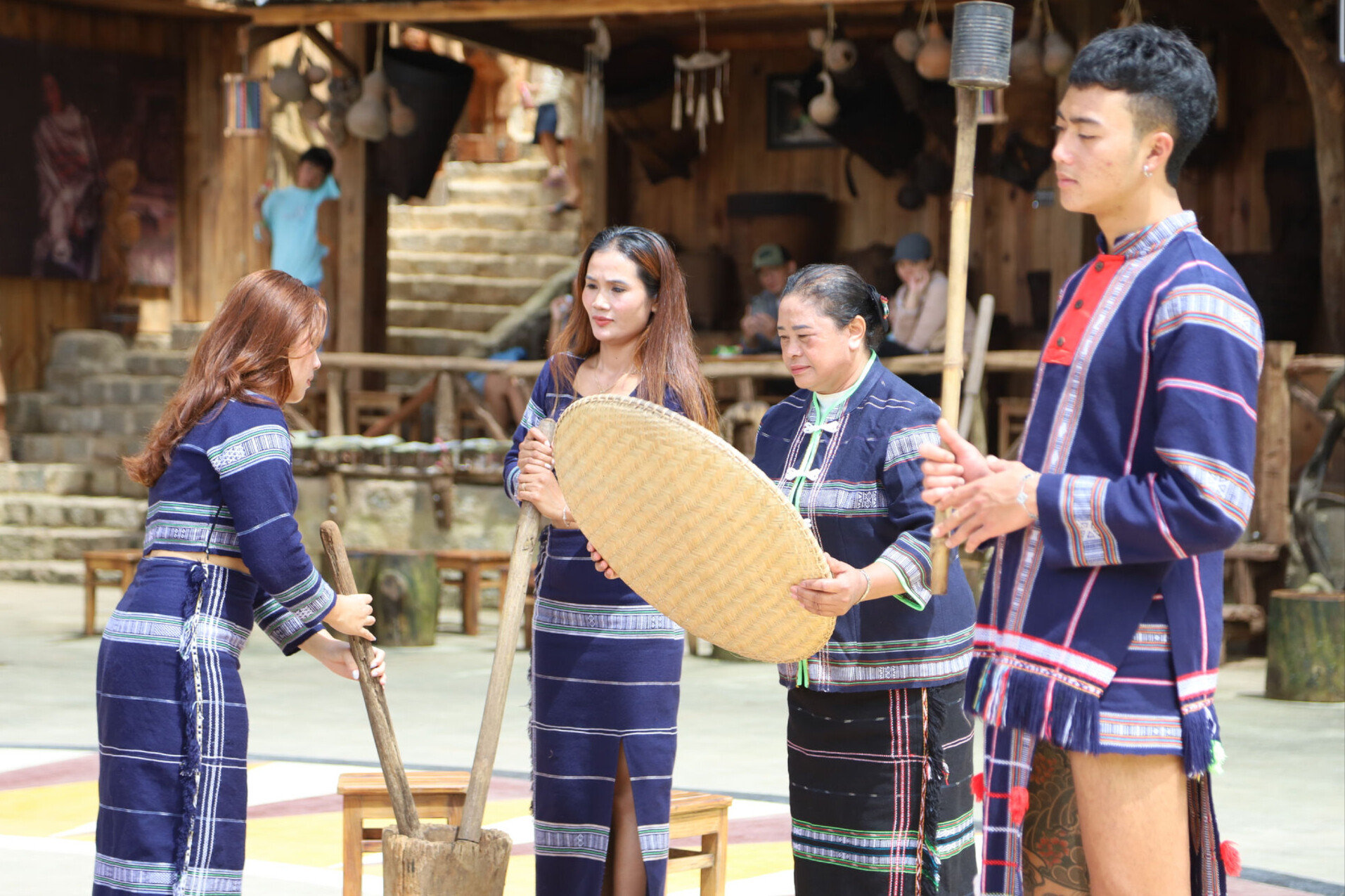
Preserving cultural identity through generations of knowledge bearers
In Quang Lap Commune, Ma Ly remains closely attached to her ethnic community's traditional pottery craft. Pots, jars and ceramic vessels are shaped through skilled hands and expertise passed down through generations. Without using a potter's wheel, artisans rely primarily on manual techniques to shape, dry and fire their products. For Ma Ly, preserving the craft is not simply about maintaining a livelihood; it is also about safeguarding knowledge, customs and the cultural identity of her community.
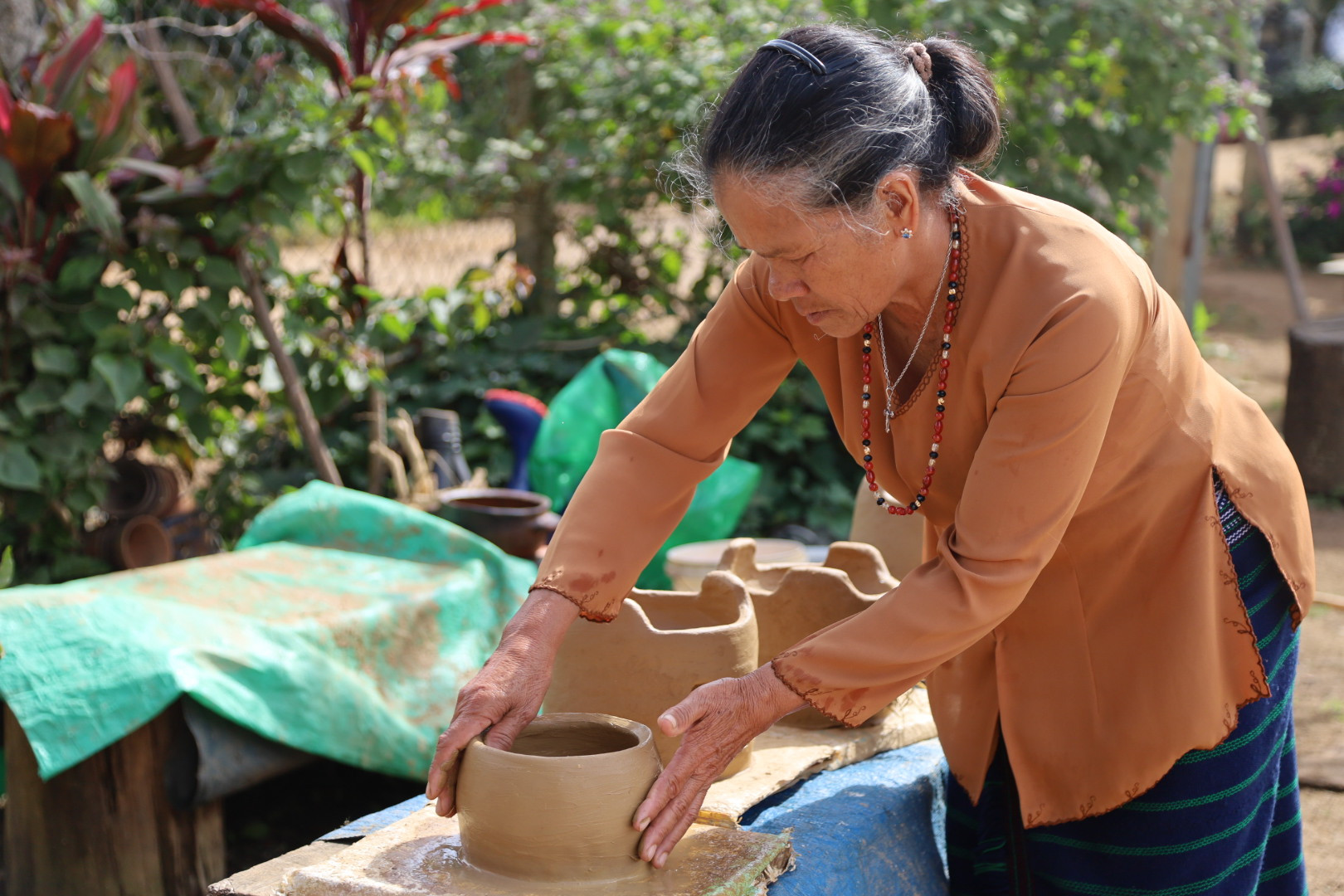
Ma Ly's story reflects a broader concern shared by many artisans as traditional crafts face the risk of fading away, with fewer young people willing to carry them forward. Creating opportunities for artisans to pass on their skills, showcase their products and bring traditional crafts closer to visitors is therefore essential. When traditional crafts gain access to markets, generate income for local residents and demonstrate the value of cultural heritage, preservation efforts can be placed on a more sustainable footing.
In other ethnic minority communities, gong performances, "xoang" dances, brocade weaving, bamboo and rattan weaving, traditional cuisine and festivals continue to be maintained through community activities. Many localities are gradually incorporating these cultural values into tourism, allowing visitors not only to admire the scenery but also to learn about local lifestyles and customs and experience indigenous culture firsthand.
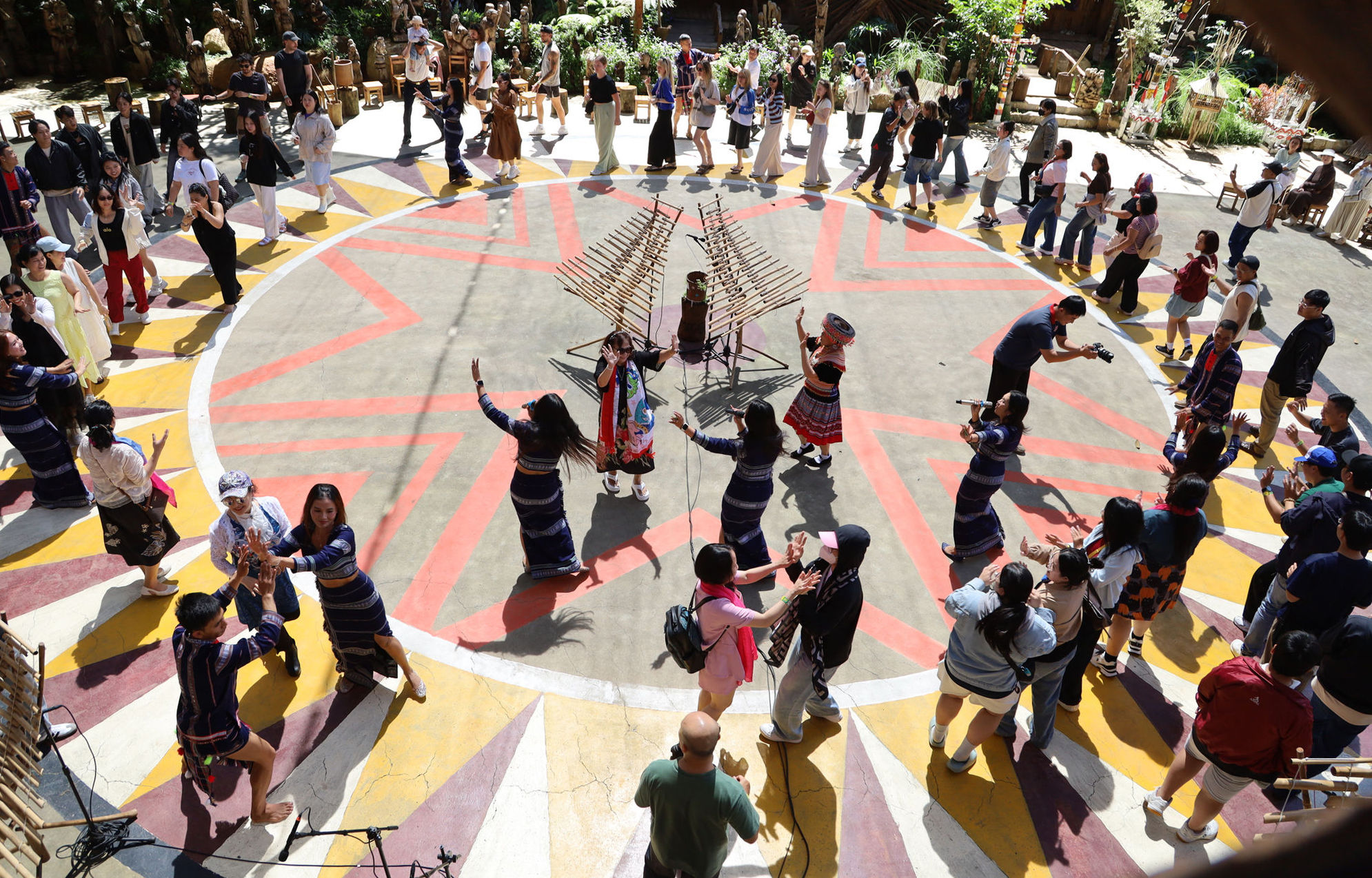
At the K'ho Ethnic Traditional Village in K'Long Trao Hamlet, Di Linh Commune, K'Hung and local residents are actively introducing K'ho culture to visitors. She believes that preserving and promoting ethnic identity must begin with each individual understanding, appreciating and taking pride in their own culture. With this conviction, she has taken the initiative to learn about local customs and traditions, seek knowledge from artisans and work with community members to organize cultural experiences for visitors.
She also makes use of social media to share stories about her homeland's culture through engaging images and videos, attracting visitors, particularly younger audiences. For her, community-based tourism not only creates livelihoods but also helps preserve and pass traditional values on to future generations.
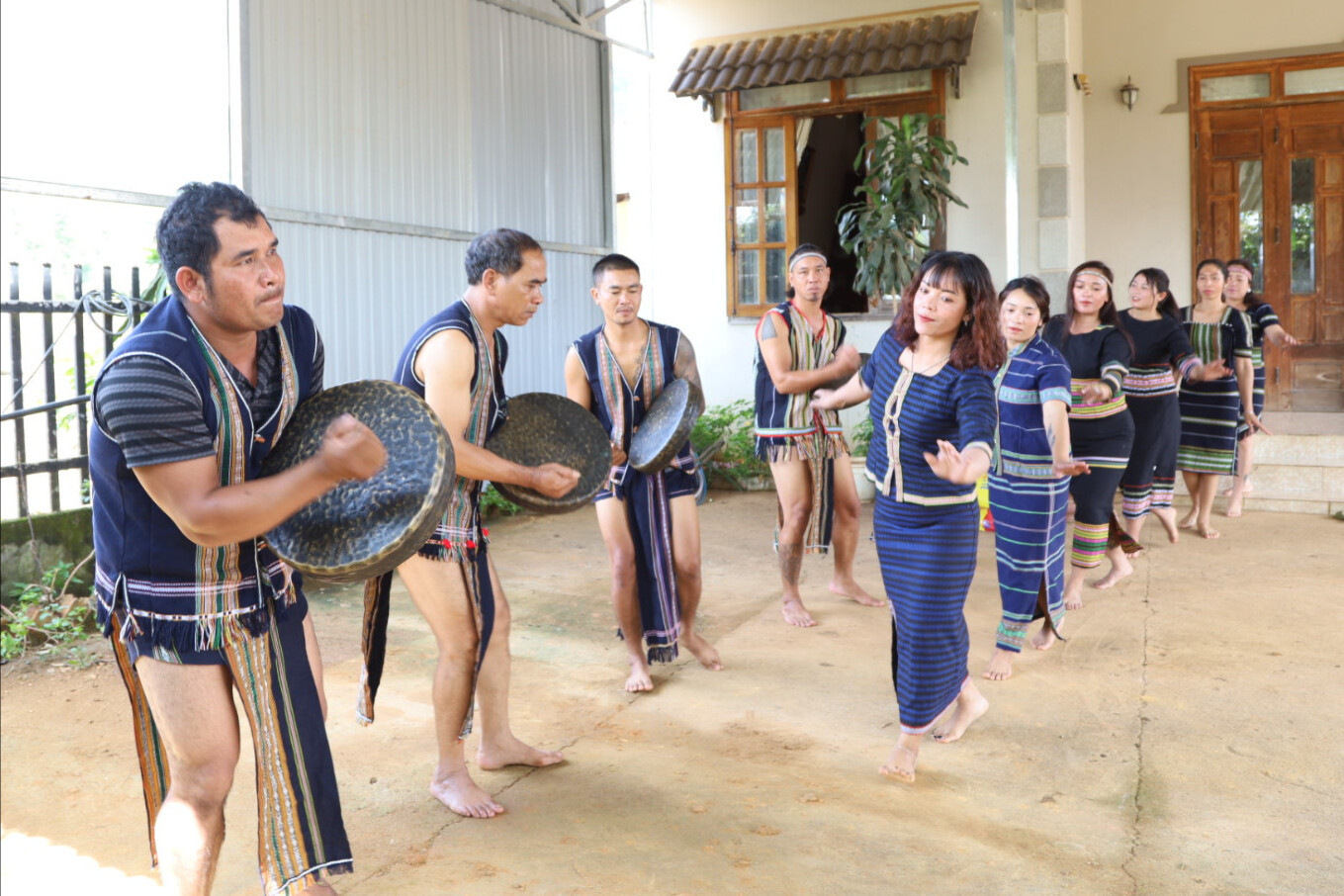
In fact, Lam Dong has considerable advantages in promoting these cultural resources. The province currently has three national treasures, seven heritage properties recognized by UNESCO, and 150 historical and cultural sites, including two special national relic sites, 61 national-level relic sites and 87 provincial-level relic sites, as well as 11 national-level intangible cultural heritage elements. These assets provide an important foundation for developing distinctive tourism products, promoting the province's image and showcasing the depth of its local culture.
Turning heritage into a driver of development
For Lam Dong, the challenge today is to move beyond preserving cultural heritage within communities and make effective use of its value to support economic development. The advantages of connecting three geographical spaces — the highlands, forests and coastline — create diverse development opportunities, with culture capable of serving as a defining feature of green tourism, community-based tourism, resort experiences and cultural exploration.
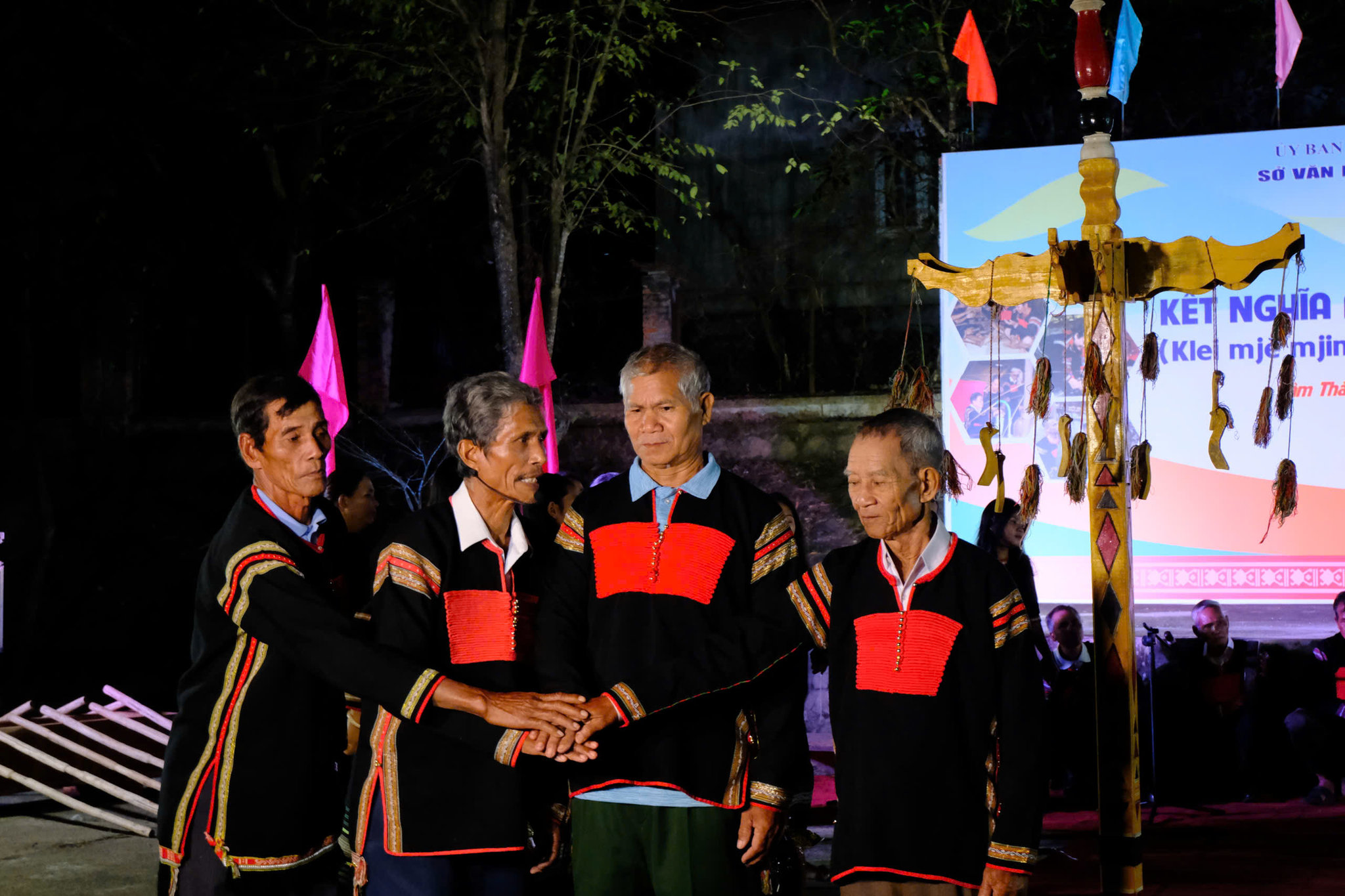
In 2026, the province is expected to welcome 25.08 million visitors, including 1.58 million international arrivals, with tourism revenue projected at VND 71.5 trillion. Alongside its natural landscapes, climate and distinctive agricultural products, indigenous cultural values are playing an increasingly important role in differentiating the destination. Experiences involving traditional crafts, cuisine, festivals, folk music and community life can help extend visitors' stays, increase spending and generate additional livelihoods for local residents.
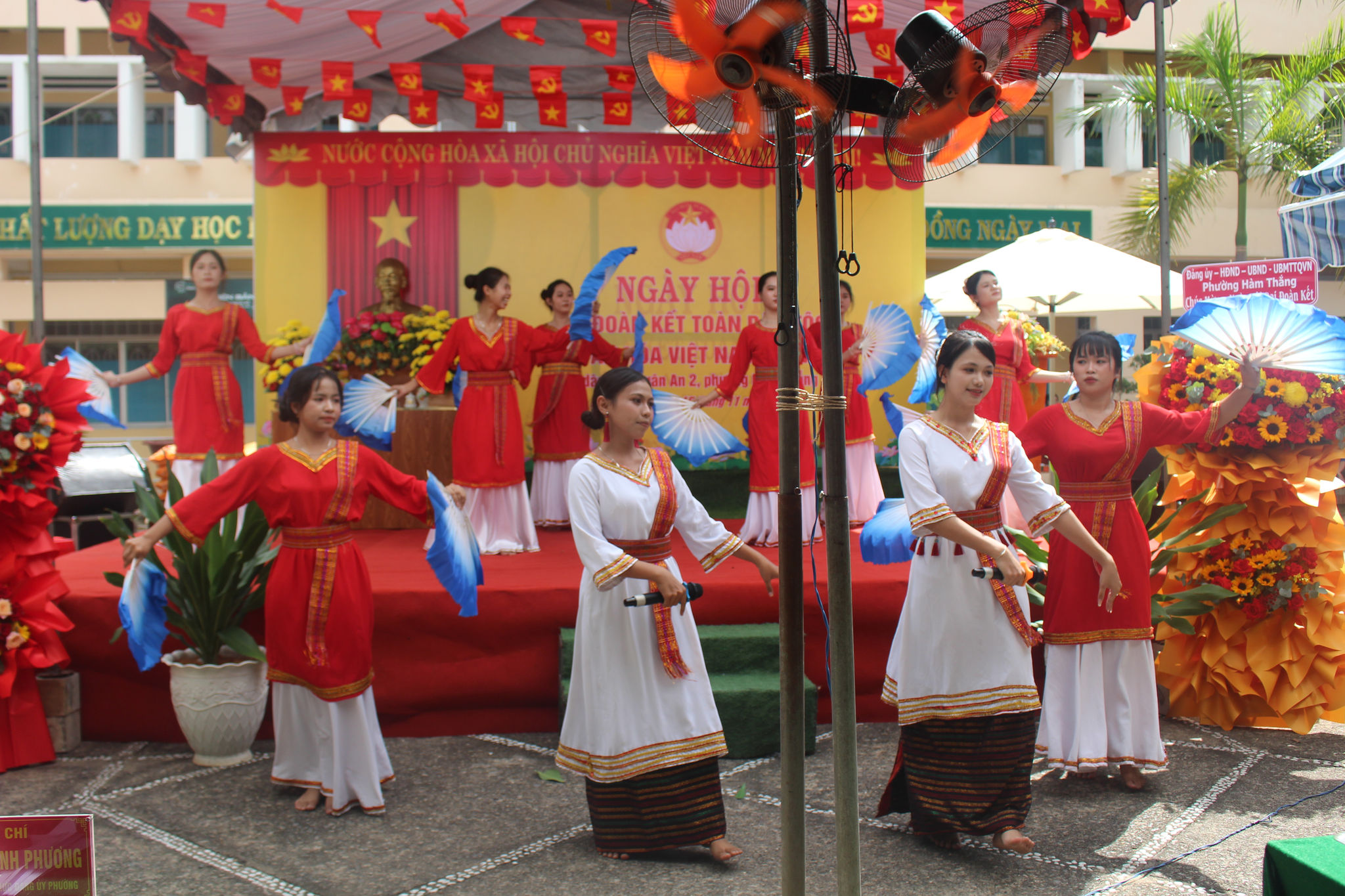
Numerous cultural events at provincial and regional levels have been organized, including the 11th Da Lat Flower Festival, the Lang Biang International Music Festival, the first Lam Dong Provincial Mass Arts Festival, the Vietnam Brocade Culture Festival and traditional festivals of ethnic communities.
Together with efforts to promote Da Lat's UNESCO Creative City designation in the field of music, these events contribute to showcasing the province's image, expanding cultural exchanges and reinforcing its appeal as a destination rich in cultural identity.
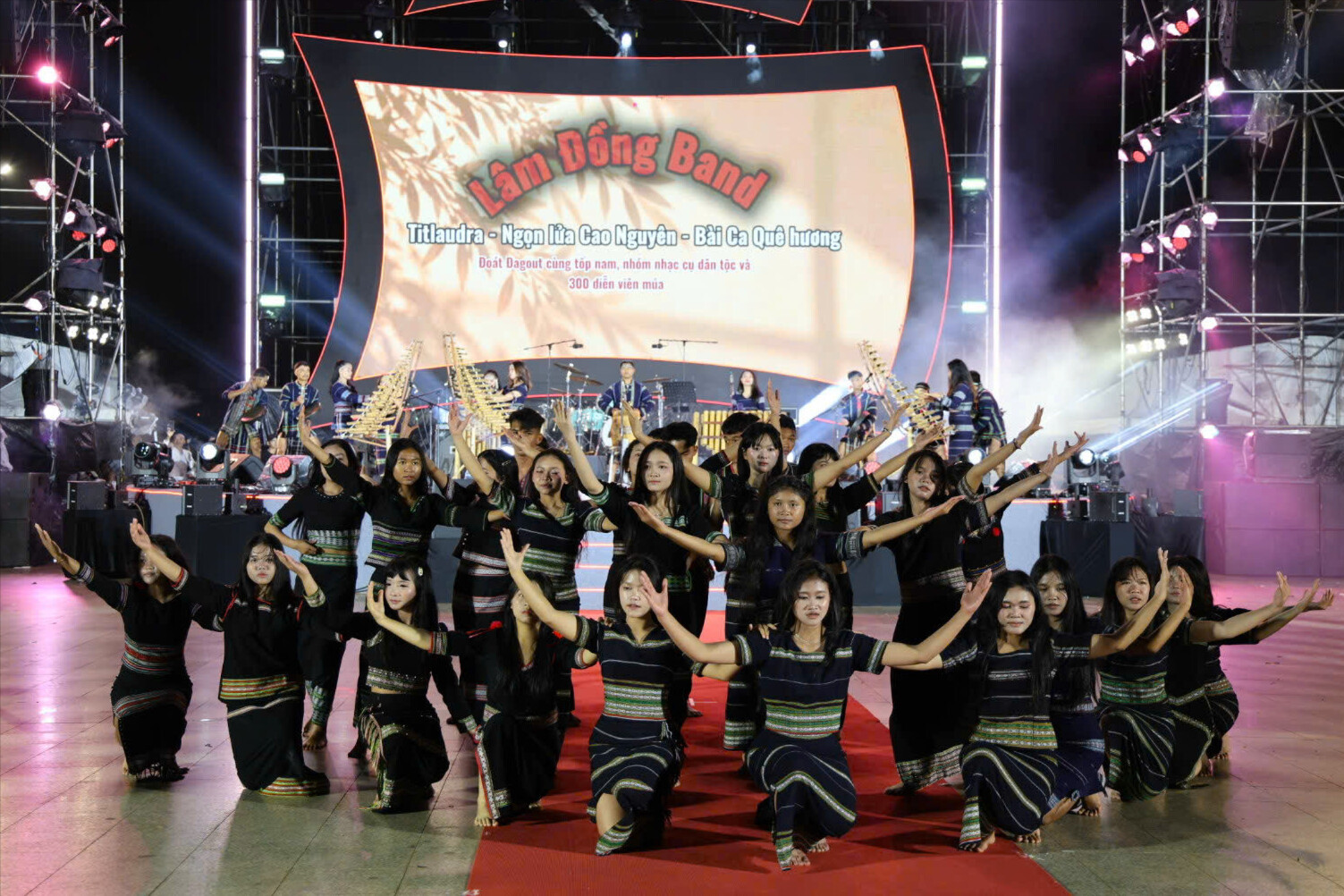
The movement entitled “All People Unite to Build a Cultural Life” continues to be implemented across the province. An estimated 93.8% of households meet cultural standards, while 96.5% of hamlets, ethnic villages and residential groups maintain their cultural status.
The province currently has 1,360 out of 1,376 cultural centers at the hamlet, village and residential-group levels. These facilities need to be utilized more effectively as spaces for community activities, cultural exchanges, cultural practice and social connections, particularly in remote areas and ethnic minority communities.
Lam Dong is implementing the National Target Program on Cultural Development for the 2025–2035 period. By 2030, the province aims to ensure that all communes, wards and special administrative zones have cultural facilities, with 90% of grassroots cultural facilities meeting residents' needs for political, cultural and spiritual activities. This provides a foundation for continued investment in culture at both provincial and grassroots levels, bringing cultural values closer to everyday life.
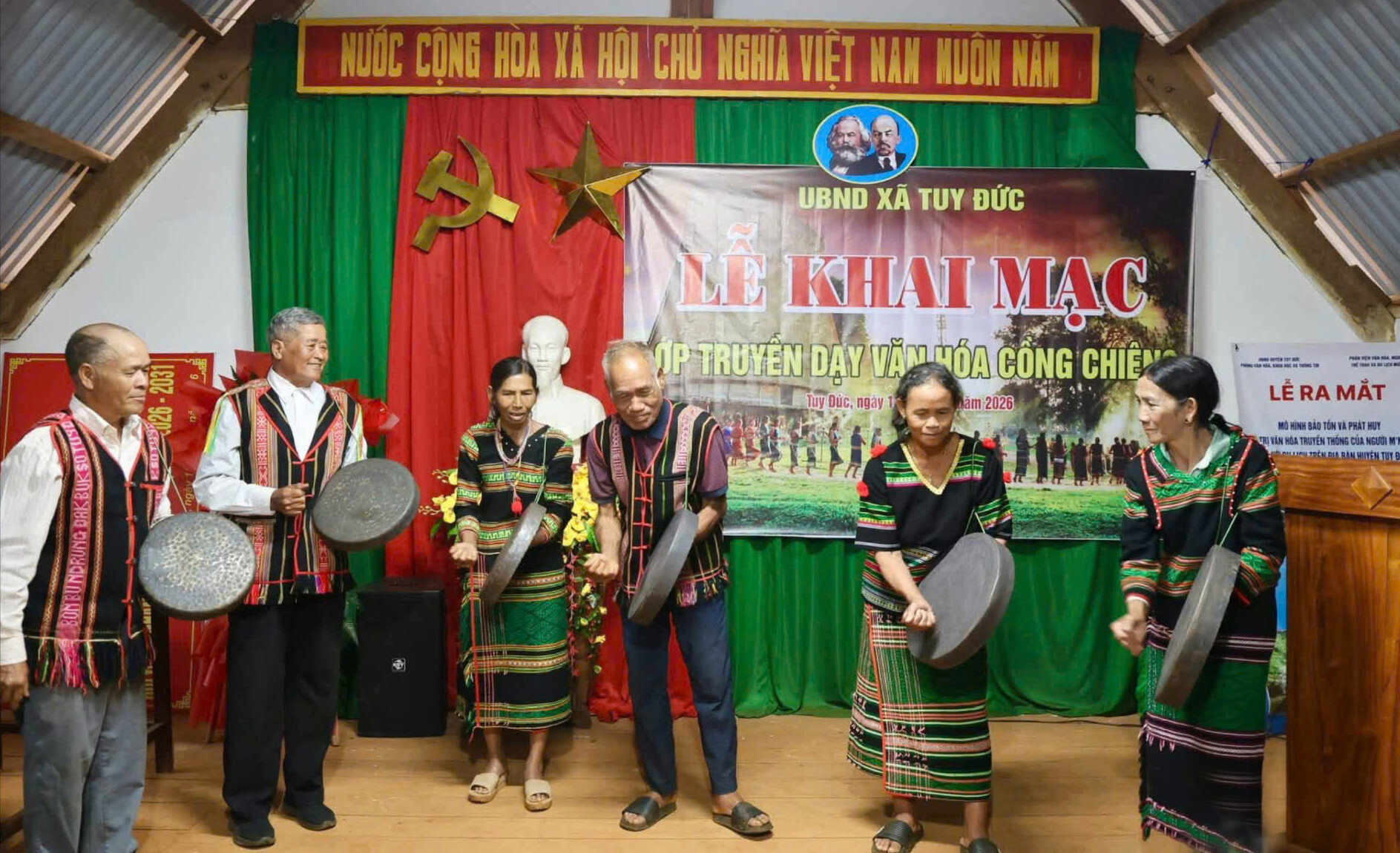
At a working session with the Department of Culture, Sports and Tourism on the progress of developing the sector's proposals, Dinh Van Tuan, Member of the Lam Dong Provincial Party Committee and Vice Chairman of the Provincial People's Committee, emphasized that the department should closely link the development of its proposals with the effective utilization of the province's cultural and tourism potential.
He stressed that cultural preservation must go hand in hand with livelihood development, tourism and cultural industries, thereby generating additional economic value from the locality's cultural resources.
This direction also reflects a consistent requirement in Lam Dong's development journey: culture is both the spiritual foundation of society and an endogenous resource that must be unlocked and fully promoted. When heritage is preserved within communities, passed down through generations and transformed into tangible benefits for everyday life, culture will continue to enrich local identity, strengthen the great national unity bloc and create momentum for Lam Dong's rapid and sustainable development.