


Da Lat attracts international tourists through its cultural depth
Da Lat is not only a familiar destination for domestic travelers but is also increasingly positioned as a promising hub for international tourists, particularly those from traditional and culturally rich markets such as Russia, France, and other European countries.
Tourism beyond sightseeing
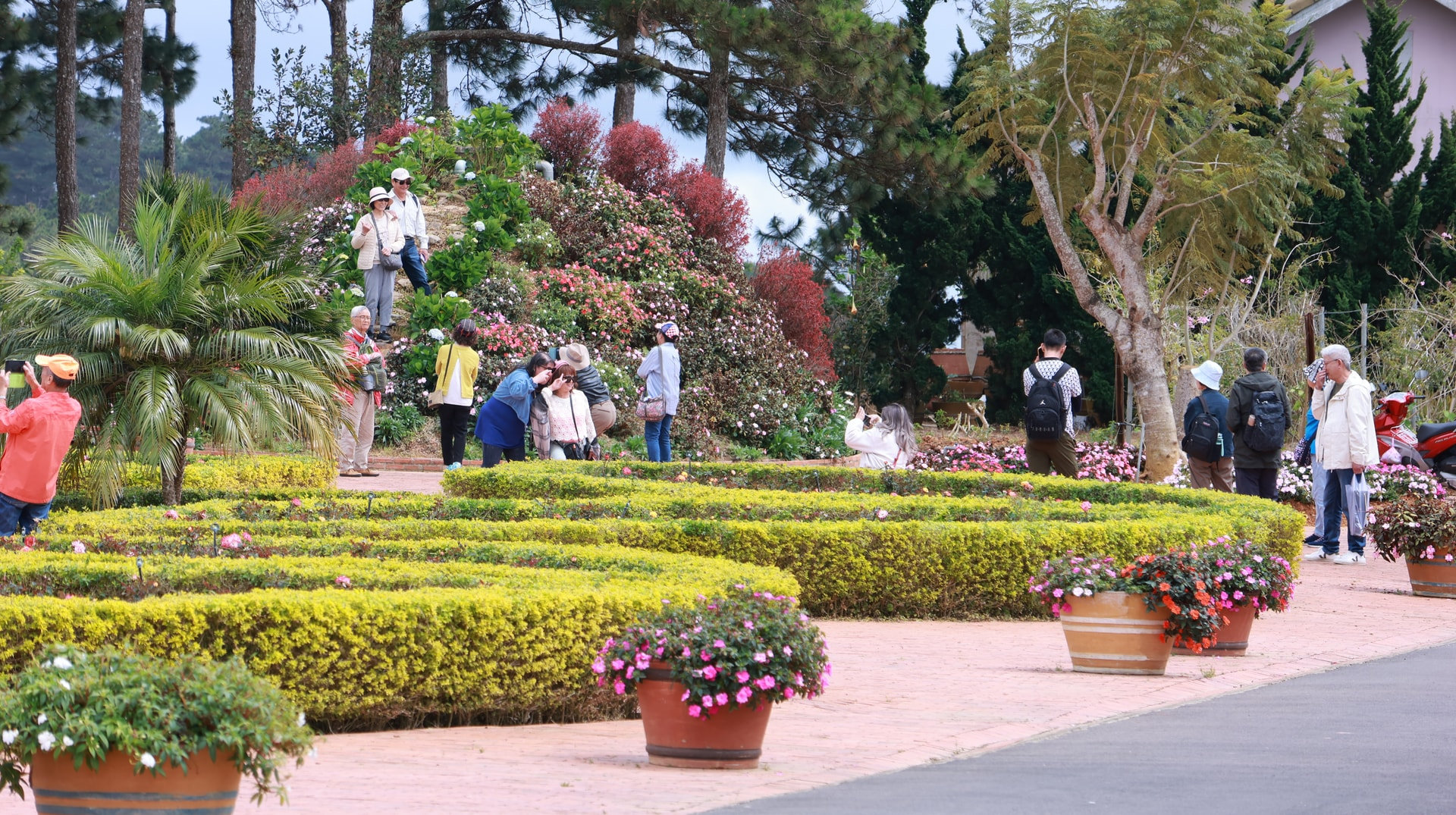
For international tourists, especially those from Europe, travel is no longer just about checking in at famous landmarks. Instead, they seek immersive experiences, local culture, a slower pace of life, and emotional depth. With its year-round cool climate, poetic landscapes, and a unique fusion of Eastern and Western cultures, Da Lat is perfectly positioned to meet these evolving expectations.
However, to retain international visitors, Da Lat needs more than flower gardens, pine hills, or lakes. The locality requires distinctive tourism products capable of weaving unique stories linked to lifestyle, culture, and refined taste—elements that international tourists highly appreciate.
One promising yet underdeveloped highlight is the Da Lat wine appreciation culture. Few people realize that in this cool highland region, wine is not merely an industrial product or a common beverage, but has gradually developed into a distinctive culture shaped by climate, people, and space.
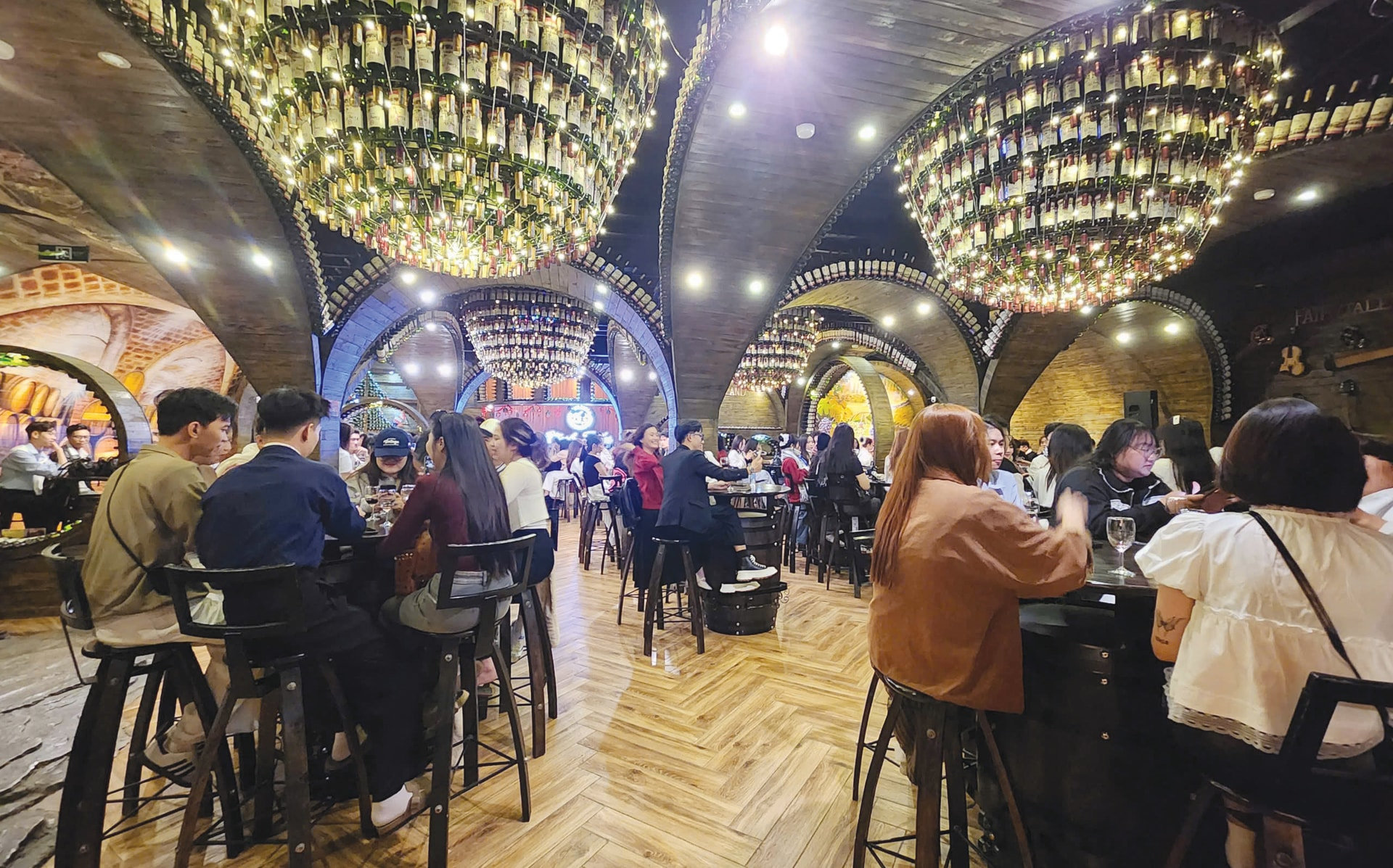
For tourists from Russia, France, and other European countries with long-standing wine traditions, enjoying a glass of Da Lat wine in a cool atmosphere among pine forests, by a warm fireplace, or inside vintage design wine cellars offers an experience that is both familiar and novel. It is familiar in its refined rituals and taste, yet unique in the highland flavors and the feeling of enjoying wine amid the clouds of Indochina.
This cultural blend creates a distinctive value that encourages international visitors to stay longer. Alexei Ivanov, a Russian tourist, shared that although he has visited many tourist cities across Asia, Da Lat offers a very different experience. He cited the cool climate, slow pace of life, and wine tasting experiences in pine forest settings as reasons for extending his stay.
Marie Dupont, a visitor from France, said that beyond its landscapes, Da Lat stands out for its ability to offer refined experiences. She recalled an evening of local wine, gentle music, and a peaceful setting as a memorable highlight, and noted the city’s strong potential as a long-stay destination for European travelers.
Refined Culinary Experiences
In fact, tourism models that combine wine experiences, gastronomy, and cultural spaces are becoming increasingly popular among international visitors. An afternoon walking through pine forests and admiring blooming cherry blossoms while learning about Da Lat's climate and soil conditions, followed by an evening of wine tasting in French colonial architecture beside a warm fireplace with gentle music, or a wine festival night in the heart of the city, all offer experiences that are difficult to replace.
This approach helps Da Lat shift from sightseeing tourism to experience-based tourism, transforming brief visits into meaningful, extended stays. When international tourists find harmony in taste preferences and are guided through local stories, they not only consume services but also become informal ambassadors promoting the image of Da Lat.
To maximize this potential, tourism businesses, accommodation providers, restaurants, and attractions play a crucial role. Investment in experiential spaces, improved service quality, and training staff with strong cultural knowledge and foreign language skills will help elevate Da Lat tourism products.
Nguyen Van Hoa, director of a Da Lat-based travel company, stated that international tourists, particularly from Russia and Europe, show strong interest in culturally rich experiential products. Tours combining sightseeing, cuisine, and Da Lat wine tasting are highly rated, helping extend the length of stay and increase visitor spending.
In addition, the development of specialized tours for international visitors is necessary, including wine and culinary tours, French heritage tours in Da Lat, and resort-style tourism linked with nature experiences and highland wine appreciation to enhance destination appeal and competitiveness. Le Thi Thanh Xuan, a representative of a local accommodation and tourism service provider, shared that international tourists seek privacy and refinement rather than noise. When resort experiences are combined with wine tasting spaces and stories about Da Lat, visitors are more willing to return and recommend the destination to others.
According to representatives of the Lam Dong tourism sector, attracting and retaining international tourists is a key orientation for Da Lat and Lam Dong tourism in the coming period. The province encourages the development of experience-focused tourism products, including culinary culture and wine appreciation, to create a distinctive identity and enhance the long-term value and sustainability of the destination.