


Da Lat Emerges as a Destination for Classical Music
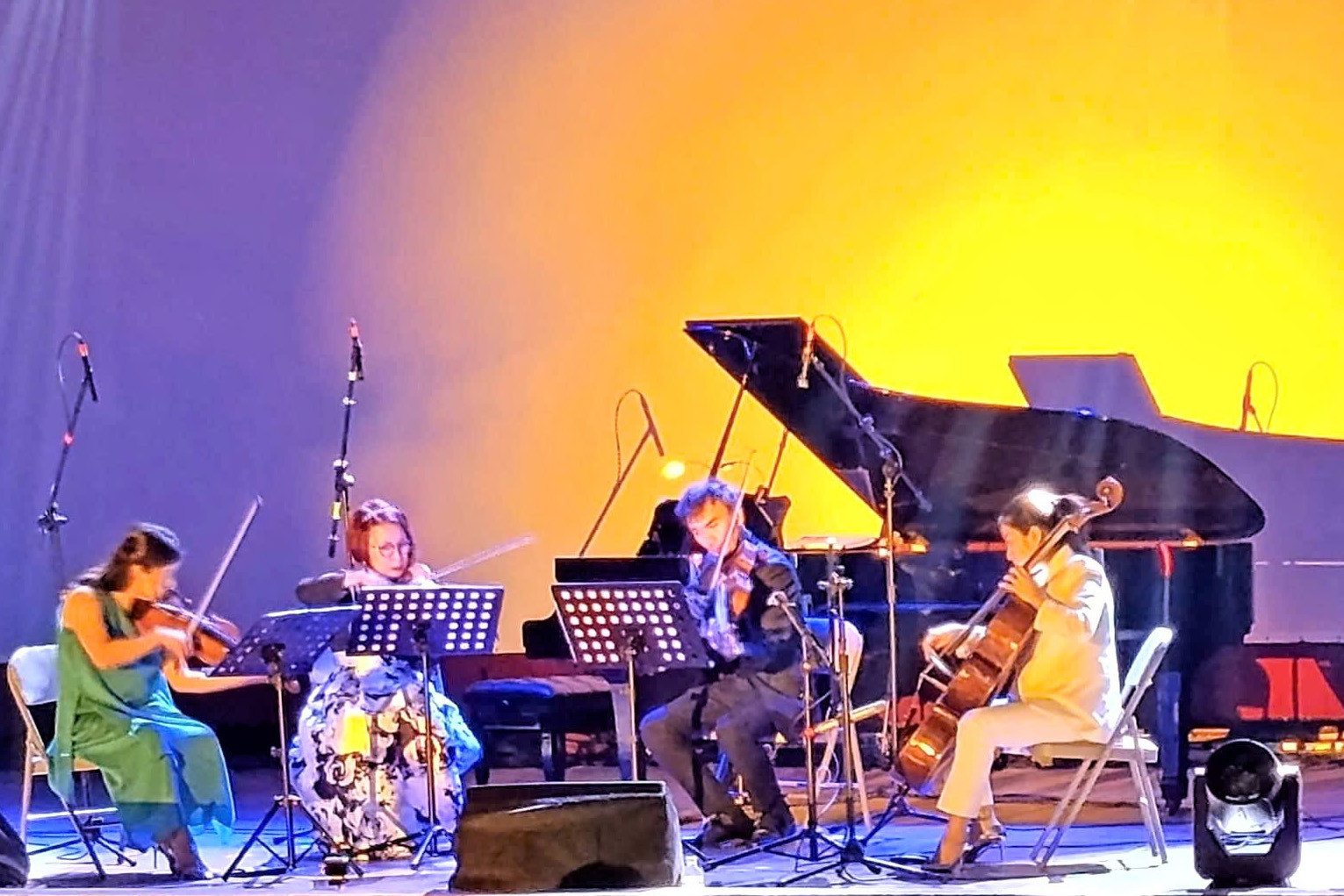
In mid-March 2026, members of the Daegu Symphony Orchestra from South Korea made their first visit to Da Lat, joining Vietnamese artists in a one-night-only classical music performance. In recent years, classical music programs have become increasingly familiar to audiences in the highlands.
A Memorable Classical Music Night
“It had been a long time since I last stepped into Hoa Binh Theater—a landmark familiar to every Da Lat resident—to attend such an emotional artistic program,” said Vu Thanh Tam, a 40-year-old teacher from Xuan Huong Ward, Da Lat.
The program was jointly organized by Pho Ben Doi Creative Studio, the Lam Dong Department of Culture, Sports, and Tourism, and UNESCO Vietnam, in collaboration with South Korea’s Art Avenue and the Korean Foundation for International Cultural Exchange (KOFICE), under the patronage of Daegu Metropolitan City.
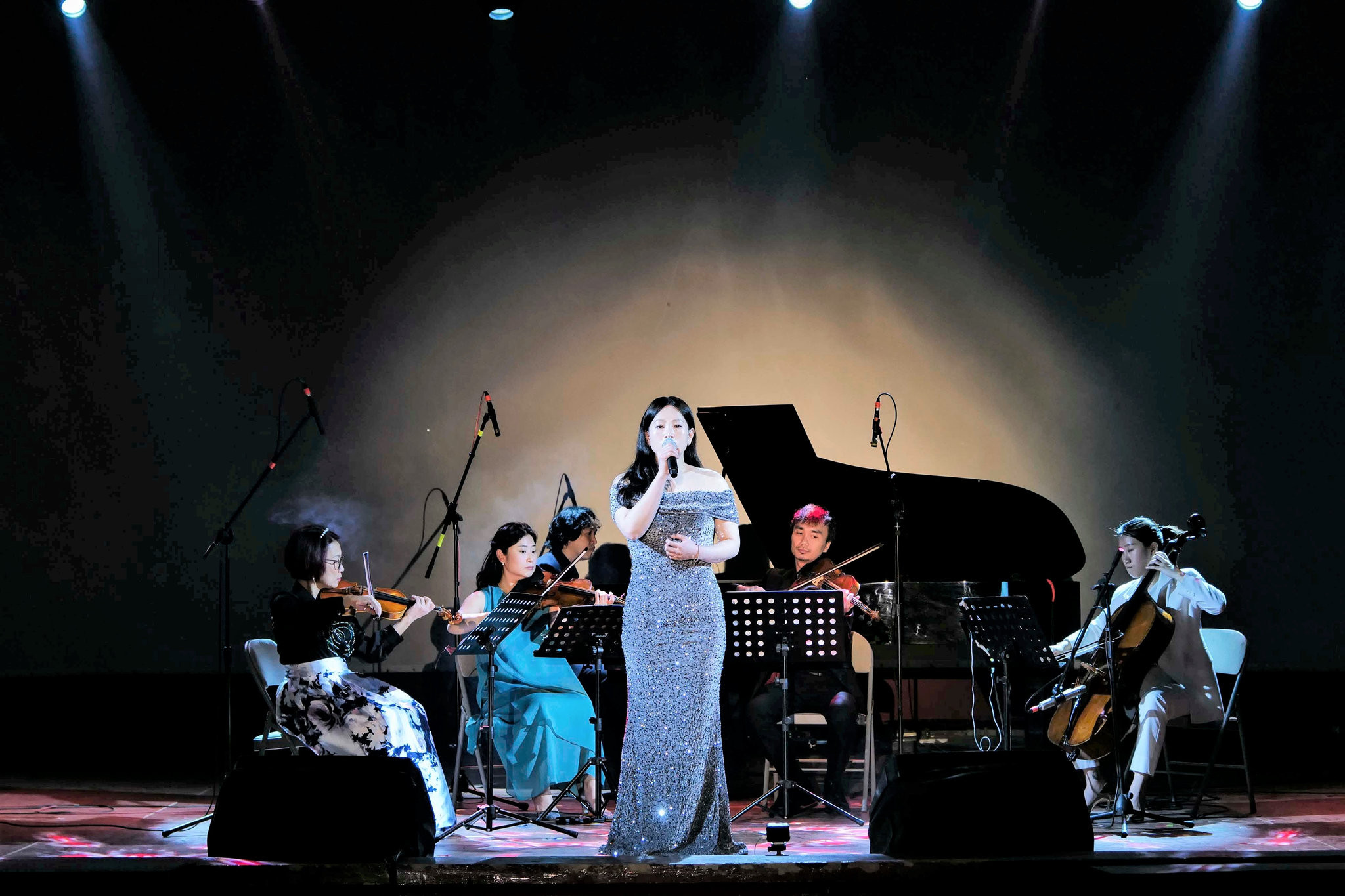
Aimed at fostering cultural exchange, the program brought together seven members of the Daegu International Symphony Orchestra (DISO) and five Vietnamese artists, most of them from the Ho Chi Minh City Conservatory of Music.
“The performance was incredibly intimate and
engaging. It felt as though the cultures of Vietnam and South Korea were in conversation, connected through beautiful melodies. Classical music here is not something distant or highbrow; it is approachable and truly charming.”Vu Thanh Tam, a resident of Xuan Huong - Da Lat Ward.
Joining Tam in the audience that night were more than 500 local residents, nearly filling Hoa Binh Theater to capacity. These art and classical music enthusiasts witnessed a night brimming with world-class masterpieces, including Johannes Brahms’ Hungarian Dances Nos. 1, 4 and 5—performed in a four-hand piano arrangement—and Astor Piazzolla’s The Four Seasons of Buenos Aires suite. The repertoire also featured a celebrated adaptation of Consuelo Velázquez’s global hit, “Bésame Mucho.”
As part of a cultural exchange program between the two countries, the evening naturally showcased notable works from South Korea and Vietnam. The selection included pieces originally composed for symphony orchestras as well as classical adaptations. Highlights included the smooth, evocative melodies of South Korea’s “Longing for Mount Geumgang” and the tranquil “Spring Serenade,” contrasted by the vibrant rhythms of “Highland Dance” (Vu Khuc Tay Nguyen) by Vietnamese composer Hoang Dam. A standout moment was the choral performance of “’O Sole Mio,” featuring a grand ensemble of over 50 performers, including South Korean and Vietnamese artists alongside children and elders from Da Lat.
Annual Arts Programs
Since its establishment in 2016, Pho Ben Doi Creative Studio has organized about 200 cultural and artistic events in Da Lat, including classical music performances. According to Nguyen Trung Hien, Director of Pho Ben Doi, the studio has hosted Classical Music Week every April since 2022, featuring concerts, workshops, and music education activities.
To support these programs, the studio has worked with conservatories, music academies, domestic private organizations, and international partners such as the Institut Français, the British Council Vietnam, the Goethe-Institut, and UNESCO Vietnam. These partnerships have helped bring many prominent European artists to Da Lat.
Pianist Nguyen Duc Anh, who helped connect the Daegu International Symphony Orchestra with Da Lat and performed with the ensemble, said the collaboration marked a meaningful start to musical exchanges between the two UNESCO Creative Cities of Music.
In October 2023, Da Lat was officially recognized as a member of the UNESCO Creative Cities Network in the field of music. Since then, a wide range of classical and contemporary music activities have been organized in this highlands, gradually strengthening Da Lat’s profile as an emerging music destination in Vietnam and the Asia-Pacific region.
Despite this progress, Hien noted that as a small and young urban center, Da Lat still faces gaps in infrastructure and a shortage of highly specialized musical human resources compared to the country’s major hubs. “However, hidden beneath that mist is an intense yearning among the people here—a desire to embrace high artistic values and international standards that define the identity of a UNESCO Creative City,” he said.
In early April 2026, the Steering Committee for UNESCO Creative City of Music activities in Lam Dong Province released a plan to further promote Da Lat’s title as a UNESCO Creative City of Music during the 2026–2027 period. The plan also aims to translate initiatives into concrete actions, gradually strengthening Da Lat and Lam Dong’s role as an important music gateway for Vietnam and the Asia-Pacific region.