

Da Lat Flower Festival 2026 to Expand Flower Export Opportunities
The 11th Da Lat Flower Festival 2026 is expected to help promote the local flower brand, strengthen trade connections and enhance the value of the flower industry in international markets.
High production volumes, significant export potential
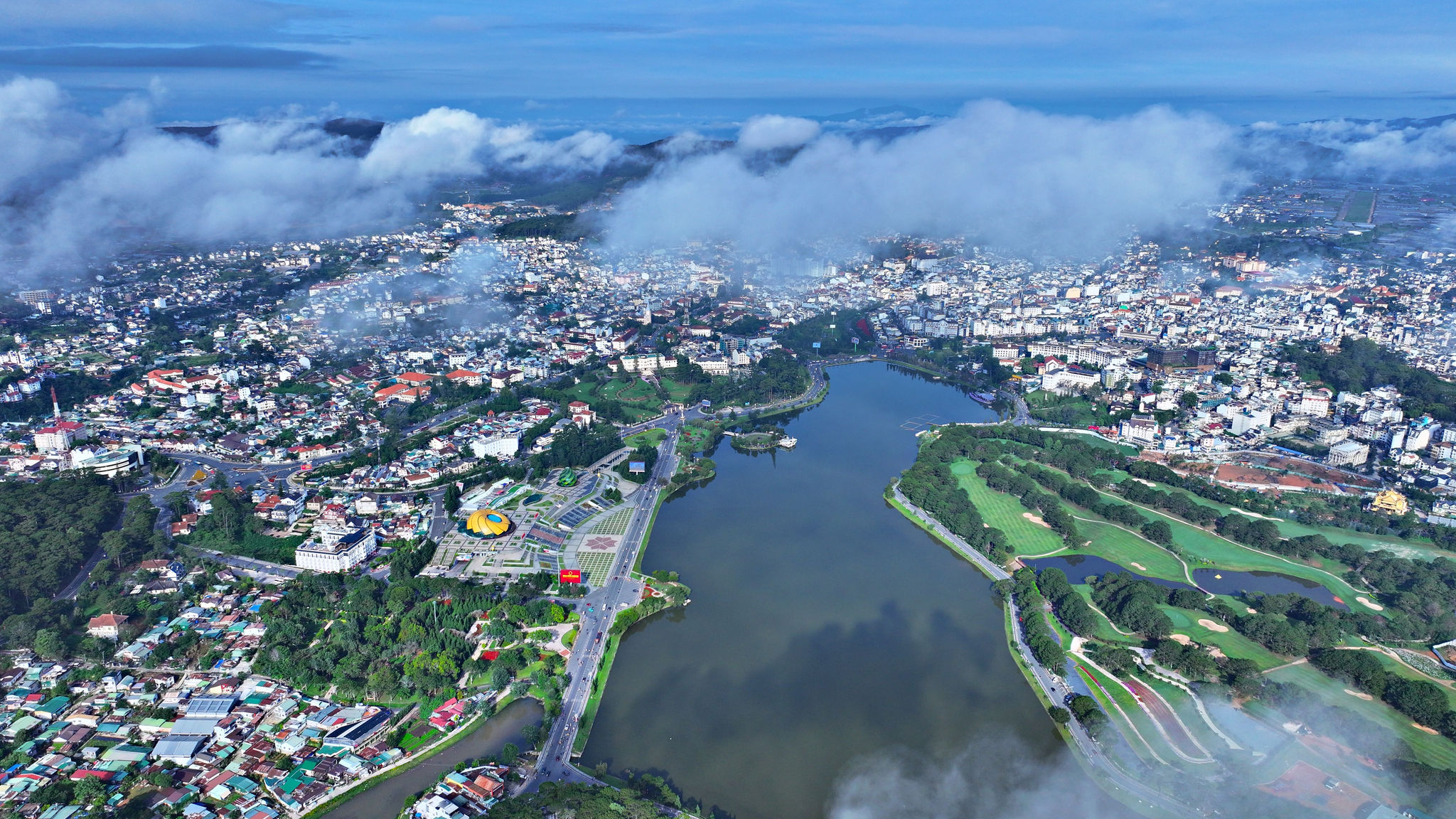
Lam Dong currently has approximately 12,610 hectares of flower cultivation, producing more than 5.1 billion stems annually. Of this total, Da Lat and its surrounding areas account for nearly 4 billion stems, making the region one of the country's key fresh-flower production hubs, with considerable potential to expand markets and increase export value.
Thanks to favorable climatic conditions, cultivation expertise and business investment, Da Lat flowers have reached numerous markets, including Japan, South Korea, Australia, China, Singapore and the Netherlands.
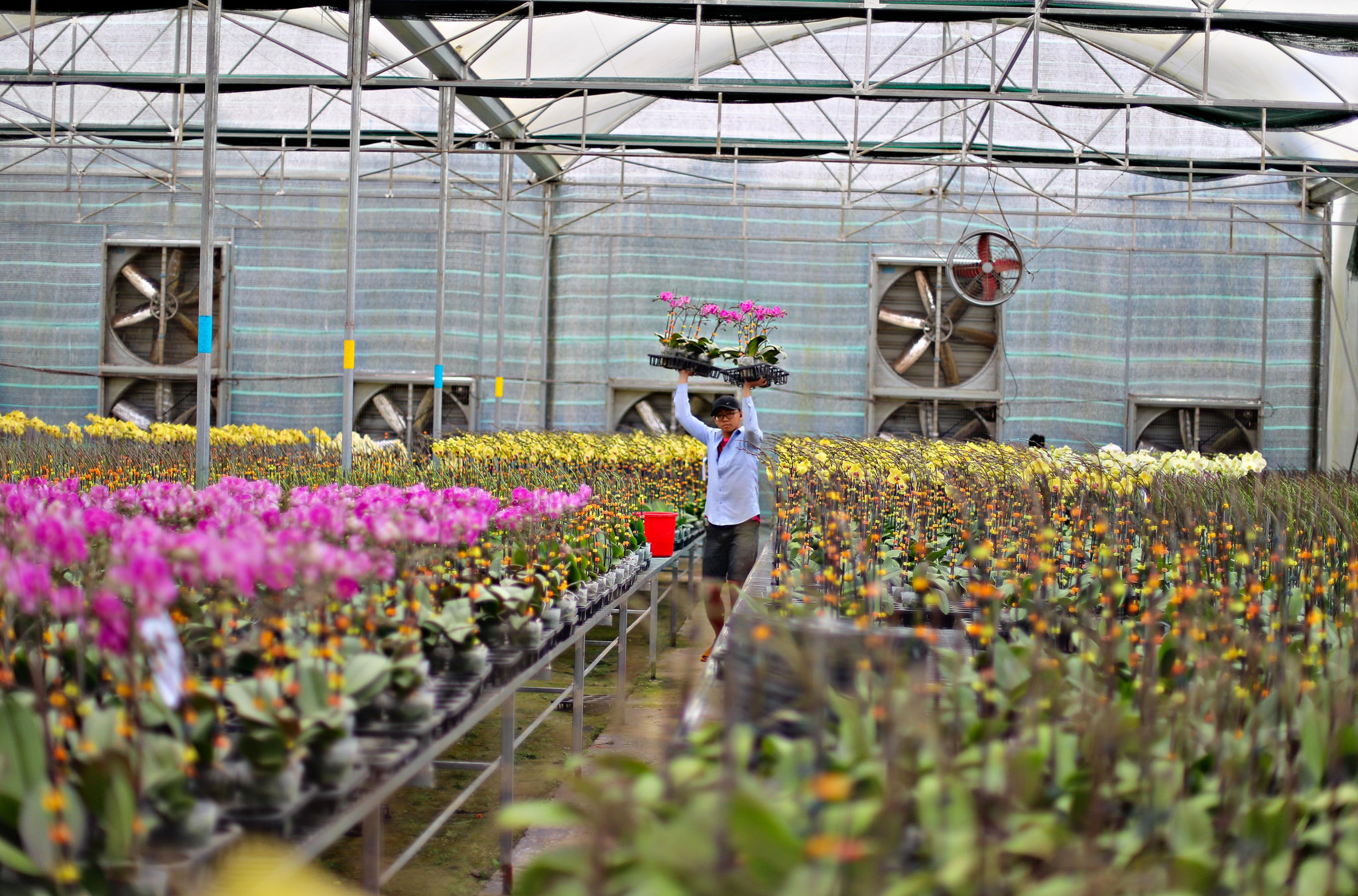
Dalat Hasfarm is one of the leading enterprises in the sector, with an integrated production and distribution process and an export network spanning numerous countries.
The operations of these businesses demonstrate that Da Lat flowers can meet international market requirements for quality, varieties and delivery schedules.
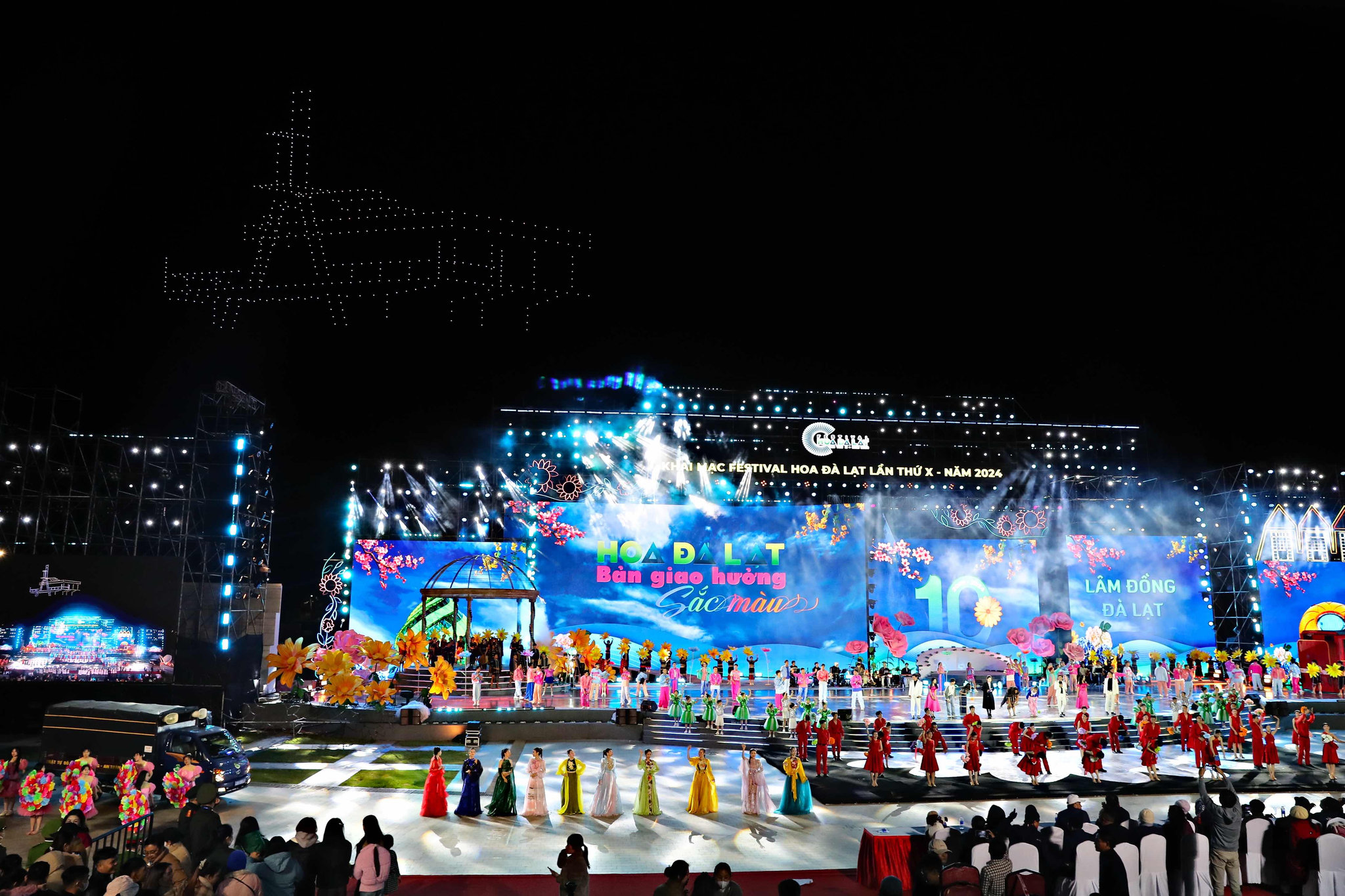
Held every 2 years, the Da Lat Flower Festival has become a cultural and tourism event closely associated with the locality's strengths in floriculture.
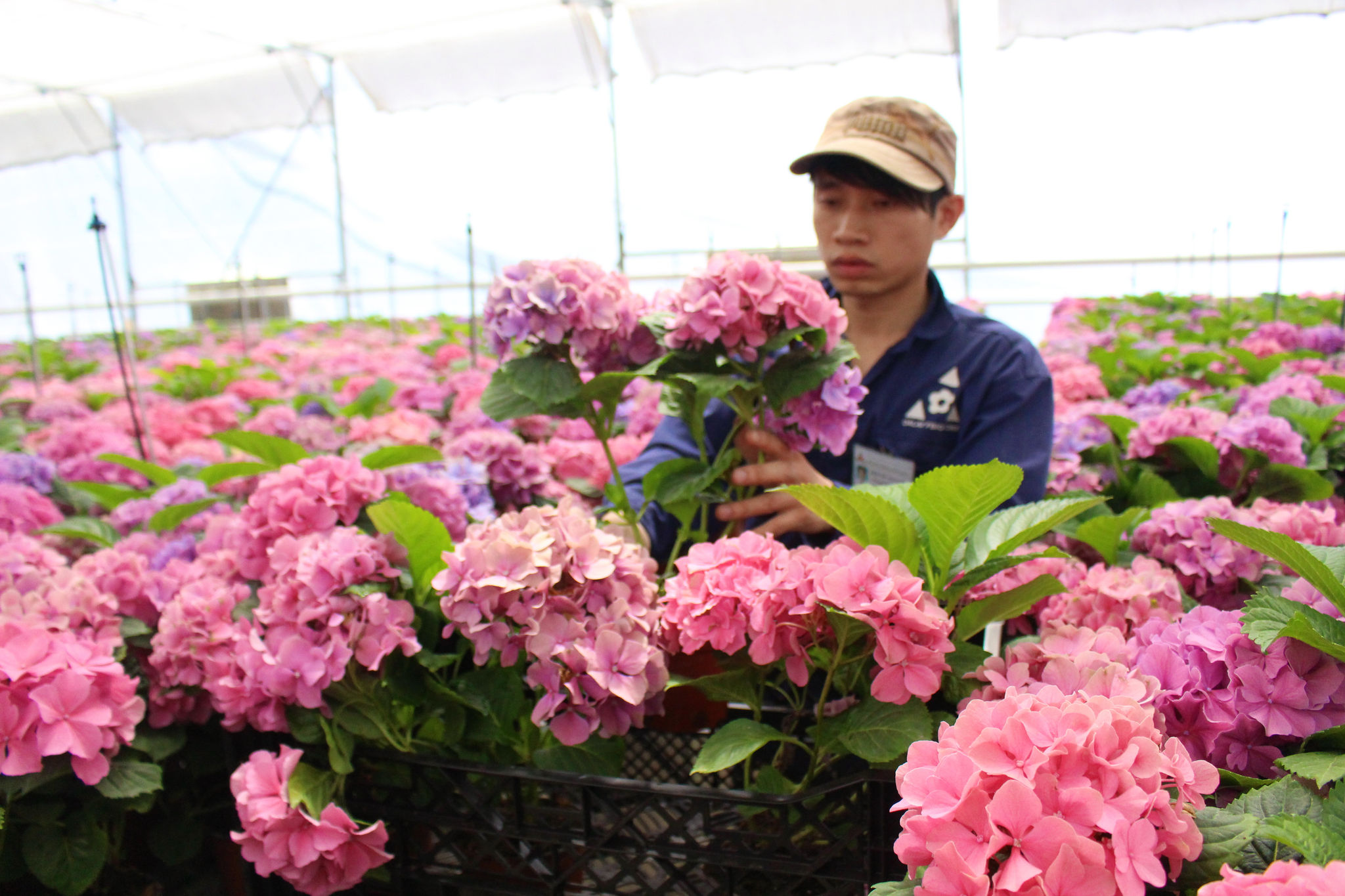
Combining flower promotion with tourism, agricultural tourism and the brand "Da Lat - The Crystallization of the Good Land" helps introduce local products, growing regions and the image of Da Lat flowers to visitors and business partners. This also provides a foundation for linking brand promotion with trade promotion and increasing the value of the flower industry.
According to the Lam Dong Department of Industry and Trade, flower export turnover rose from approximately USD 31 million in 2016 to USD 87 million in 2025. Japan, Australia, China, South Korea, Belgium and the Netherlands are among the key markets, accounting for approximately 59.3% of total flower export volume.
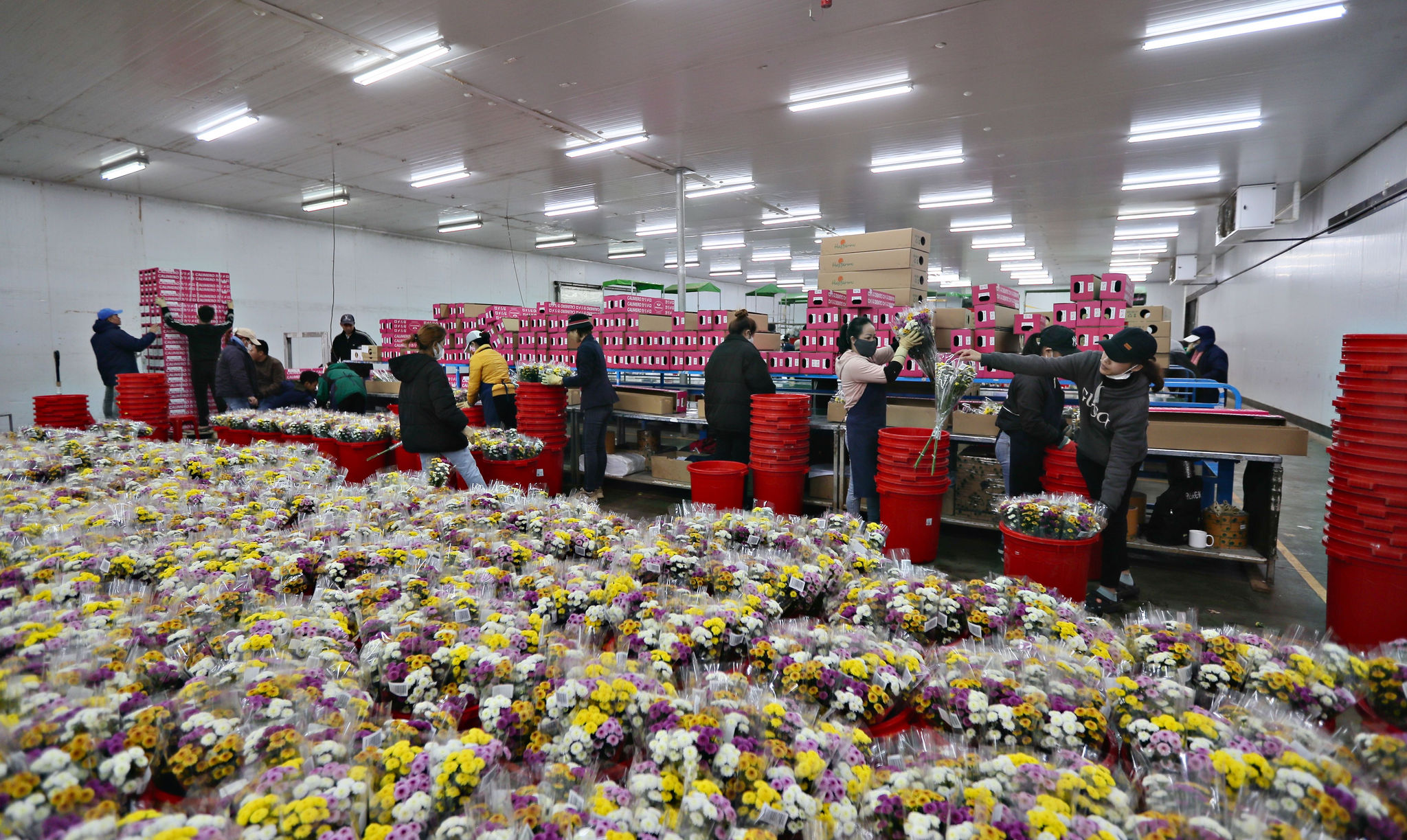
Approximately 89% of flower output is still consumed domestically, indicating substantial room for export market expansion. Free trade agreements, including the CPTPP, EVFTA, UKVFTA and RCEP, also create additional opportunities for Da Lat and Lam Dong flowers to reach international customers.
However, to capitalize on these opportunities, the flower industry needs to focus on improving quality, building its brand and securing stable sales channels. These are important factors in strengthening the competitiveness of Da Lat and Lam Dong flowers and gradually expanding export markets.
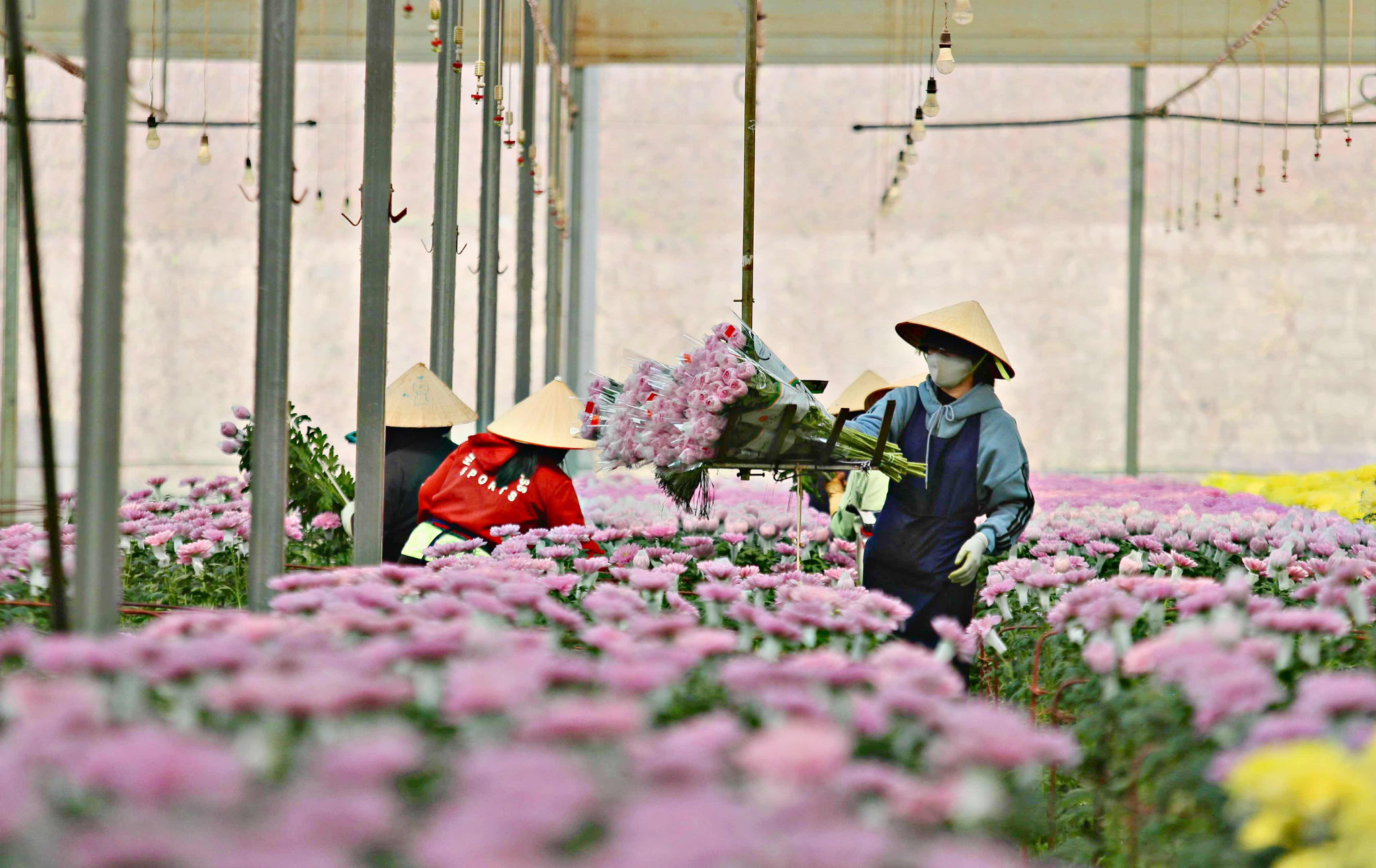
Against this backdrop, the 11th Da Lat Flower Festival is expected to serve as a bridge between brand promotion and trade development, enabling businesses to showcase their products, seek partners and access new markets.
Turning the festival into a market gateway
Nguyen Thi Bich Ngoc, Deputy Director of the provincial Department of Culture, Sports and Tourism, said the 11th Da Lat Flower Festival is scheduled to take place from December 19 to 31, 2026, featuring 11 main programs and 25 accompanying activities.
Beyond promoting landscapes, culture and tourism, the event will create opportunities for flower growers, businesses, artisans and domestic and international partners to meet and exchange experiences.
Through exhibition spaces, floral art displays, introductions to new varieties and tours of production areas, businesses can showcase their products, cultivation processes and supply capacity.
The festival will also allow partners to learn about product availability, quality standards and the ability to meet the needs of individual markets. To maximize its effectiveness, festival activities need to place greater emphasis on trade promotion rather than focusing solely on displays and appreciation of floral beauty.
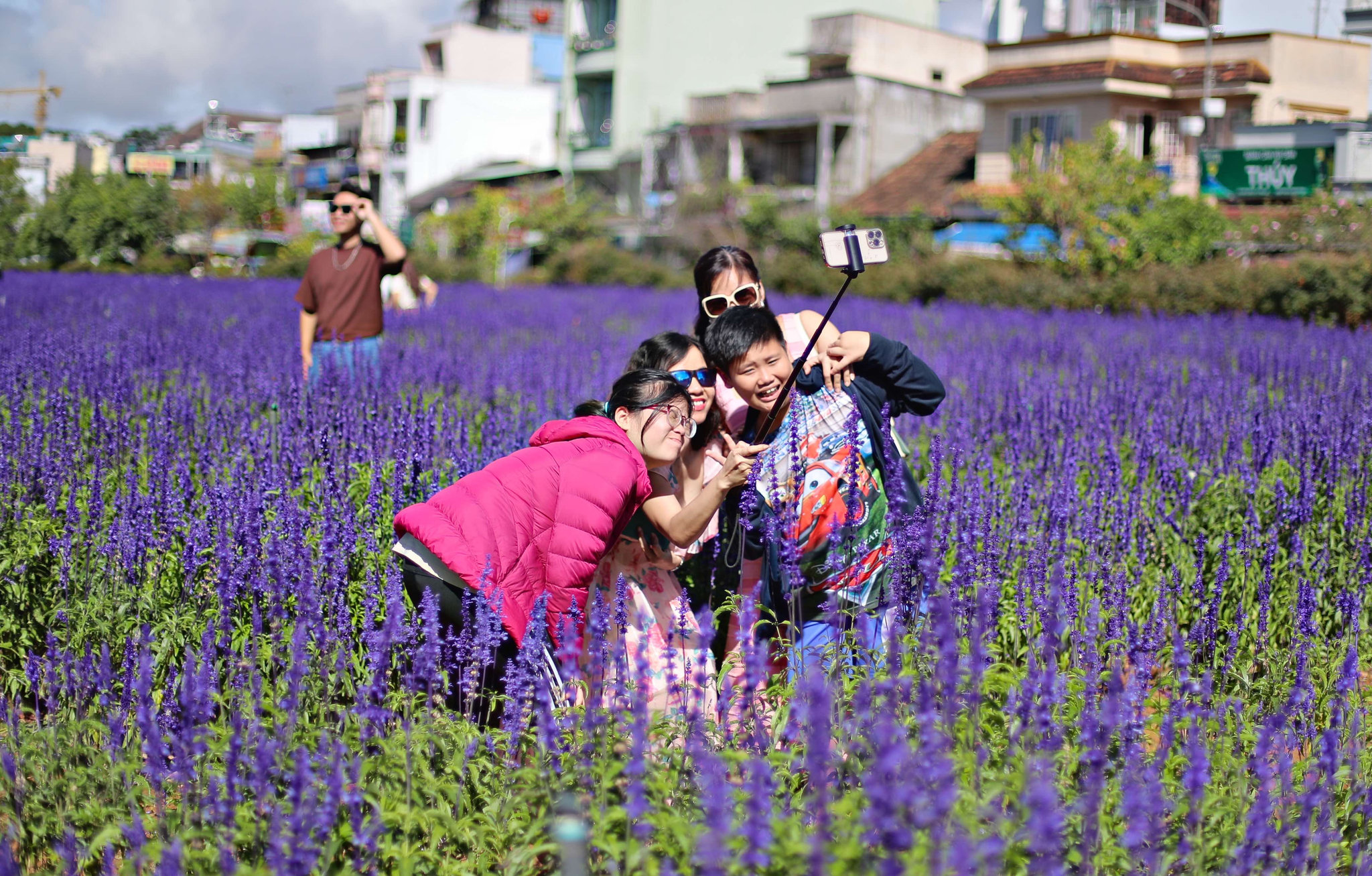
According to Ngoc, organizing meetings with importers, connecting buyers with producers and introducing export-oriented products would create more opportunities to find partners, expand distribution channels and establish long-term business relationships.
Phan Thanh Sang, Chairman of the Da Lat Flower Association, said activities should be diversified, more international growers and artisans attracted, and the festival's role in connecting stakeholders further strengthened.
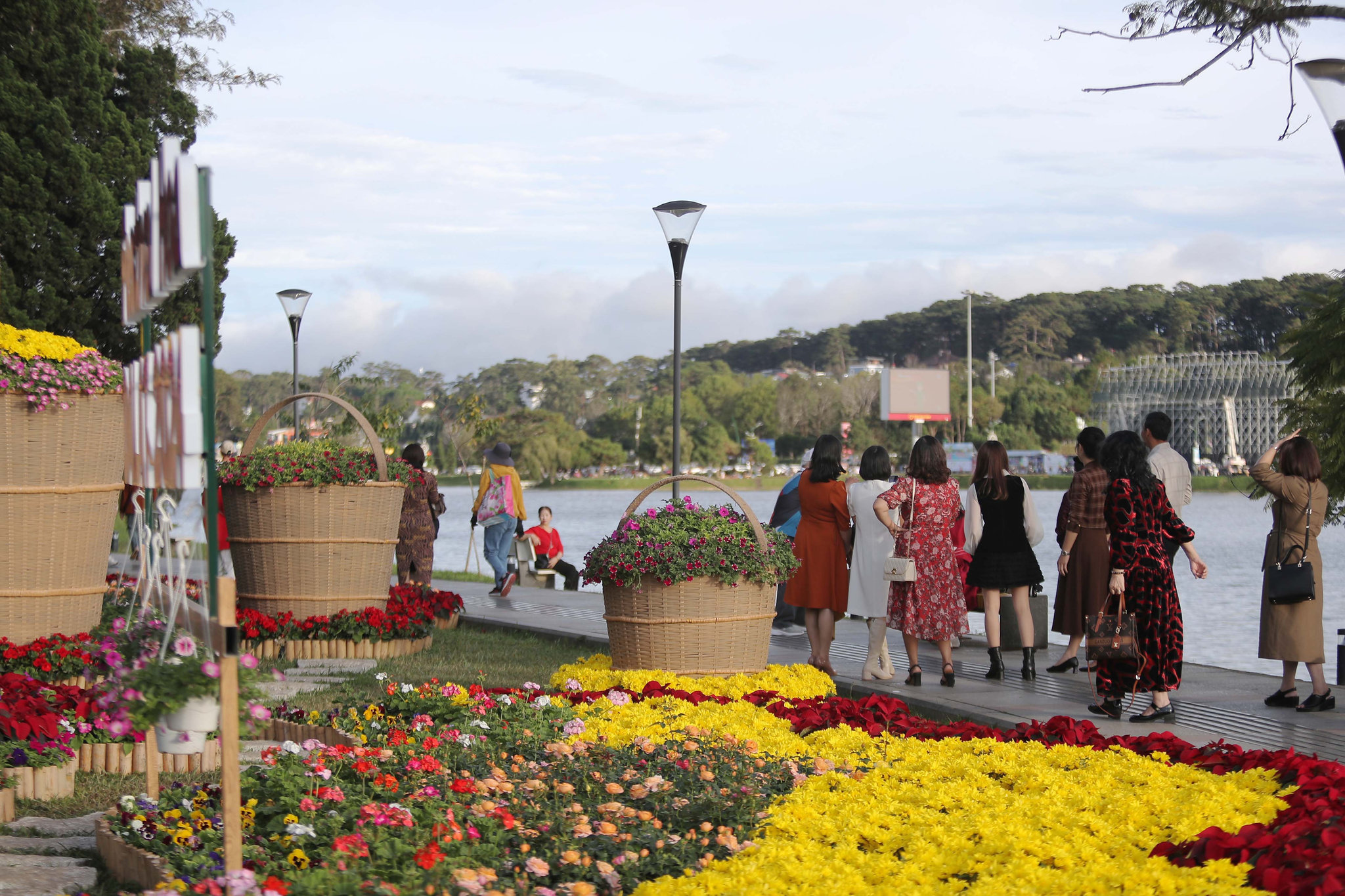
The participation of foreign experts, artisans and businesses would also enable the flower industry to keep abreast of emerging trends, consumer preferences and evolving market requirements.
According to the provincial Department of Culture, Sports and Tourism, the success of the 11th Da Lat Flower Festival should not be measured solely by visitor numbers or the scale of floral displays, but also by its ability to establish connections that can develop into business opportunities after the event. This is an initial step toward making promotional activities more practical in supporting product sales and export expansion.
Strengthening the value chain to boost competitiveness
According to the provincial agricultural sector, despite the flower industry's substantial growth potential, links between farming households, cooperatives and businesses remain limited.
Most flowers from Da Lat and surrounding areas are sold through wholesale markets or traders, making quality control, traceability and brand development more difficult.
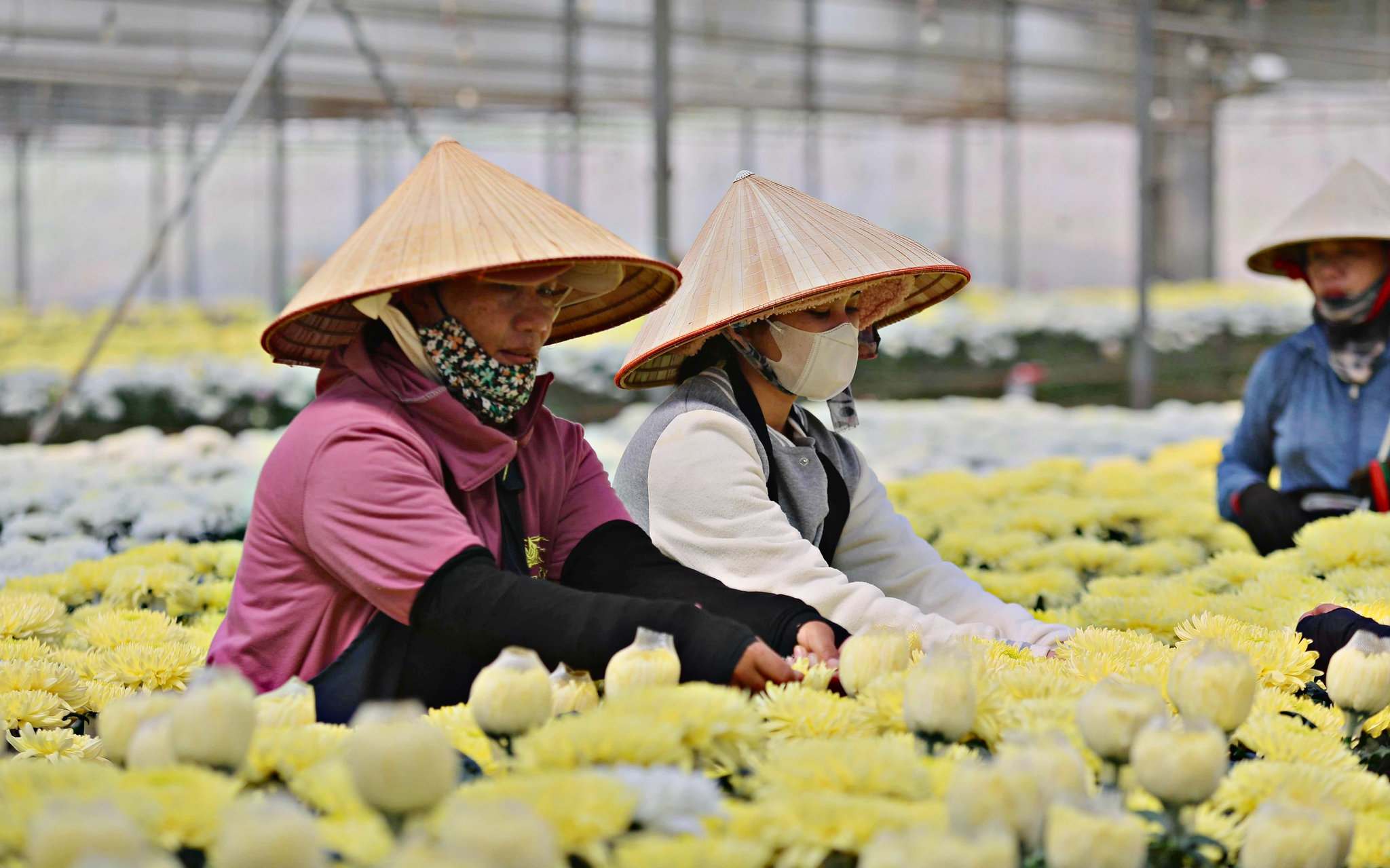
The province currently has 10 flower production linkage chains involving 422 households across nearly 297 hectares. The volume of flowers sold through these chains still represents a small proportion of the industry's total output.
Post-harvest handling is another significant challenge. Losses can reach 10 - 15%, or even higher in some cases, due to limitations in cold storage, packaging and transportation.
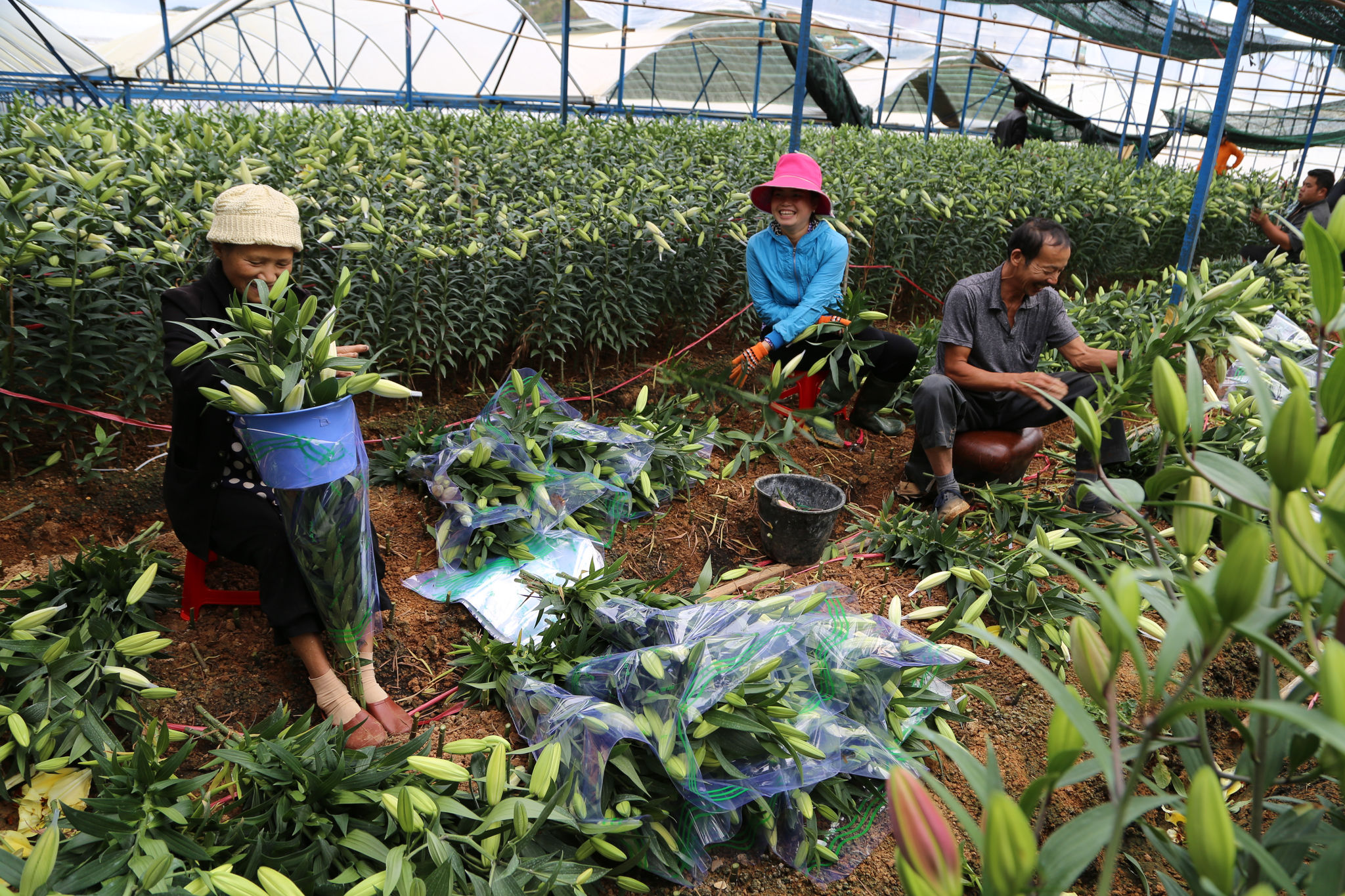
For highly perishable products such as fresh flowers, these limitations directly affect product quality upon arrival and price competitiveness.
To expand markets, the agricultural sector is promoting partnerships between flower growers and businesses, investment in cold storage and post-harvest preservation technologies, as well as stronger traceability and improved product quality.
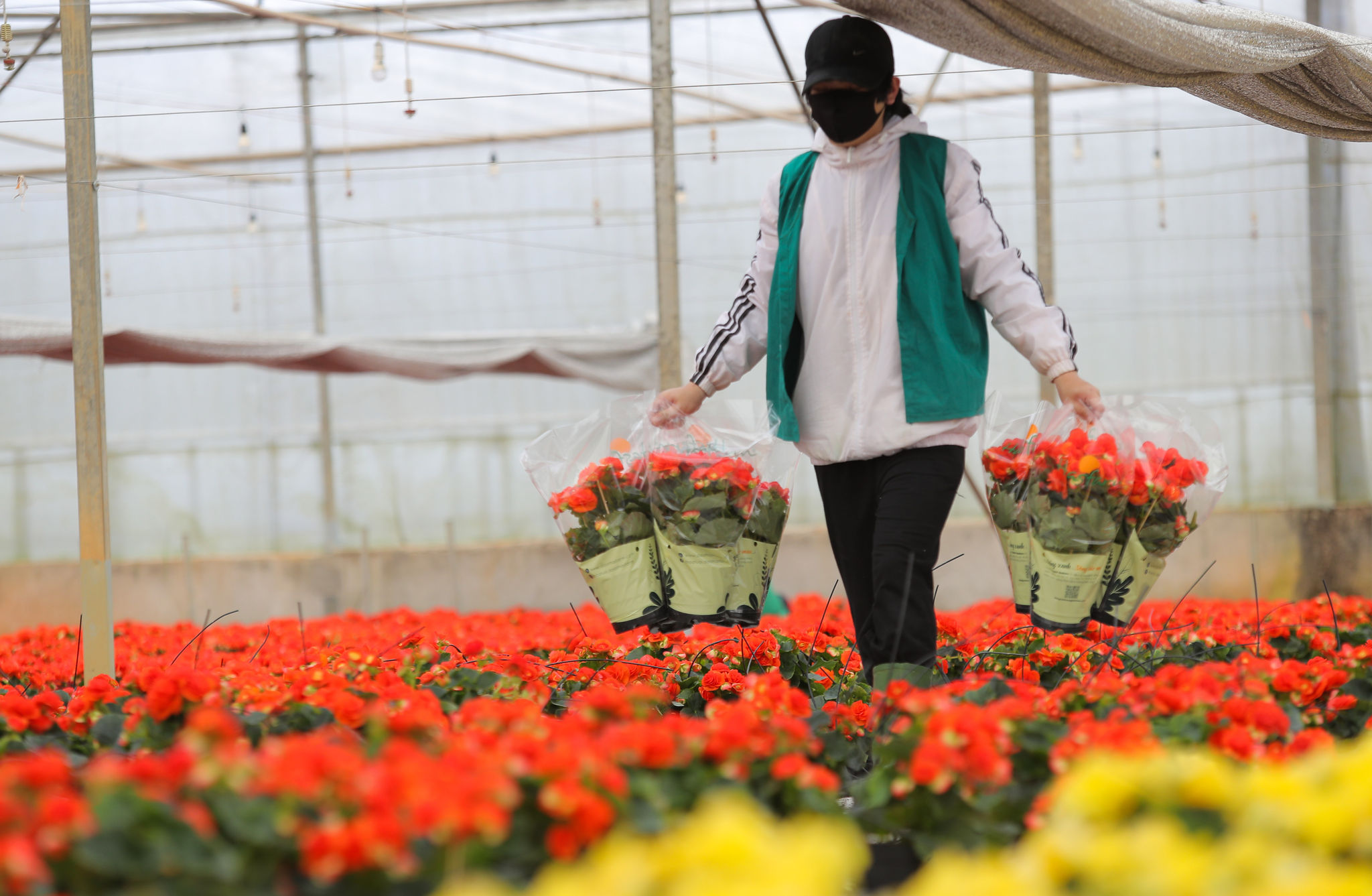
Developing suitable flower varieties, protecting plant variety rights and meeting the phytosanitary requirements of individual markets are also receiving greater attention from flower growers and businesses, helping ensure compliance with the regulations of importing countries.
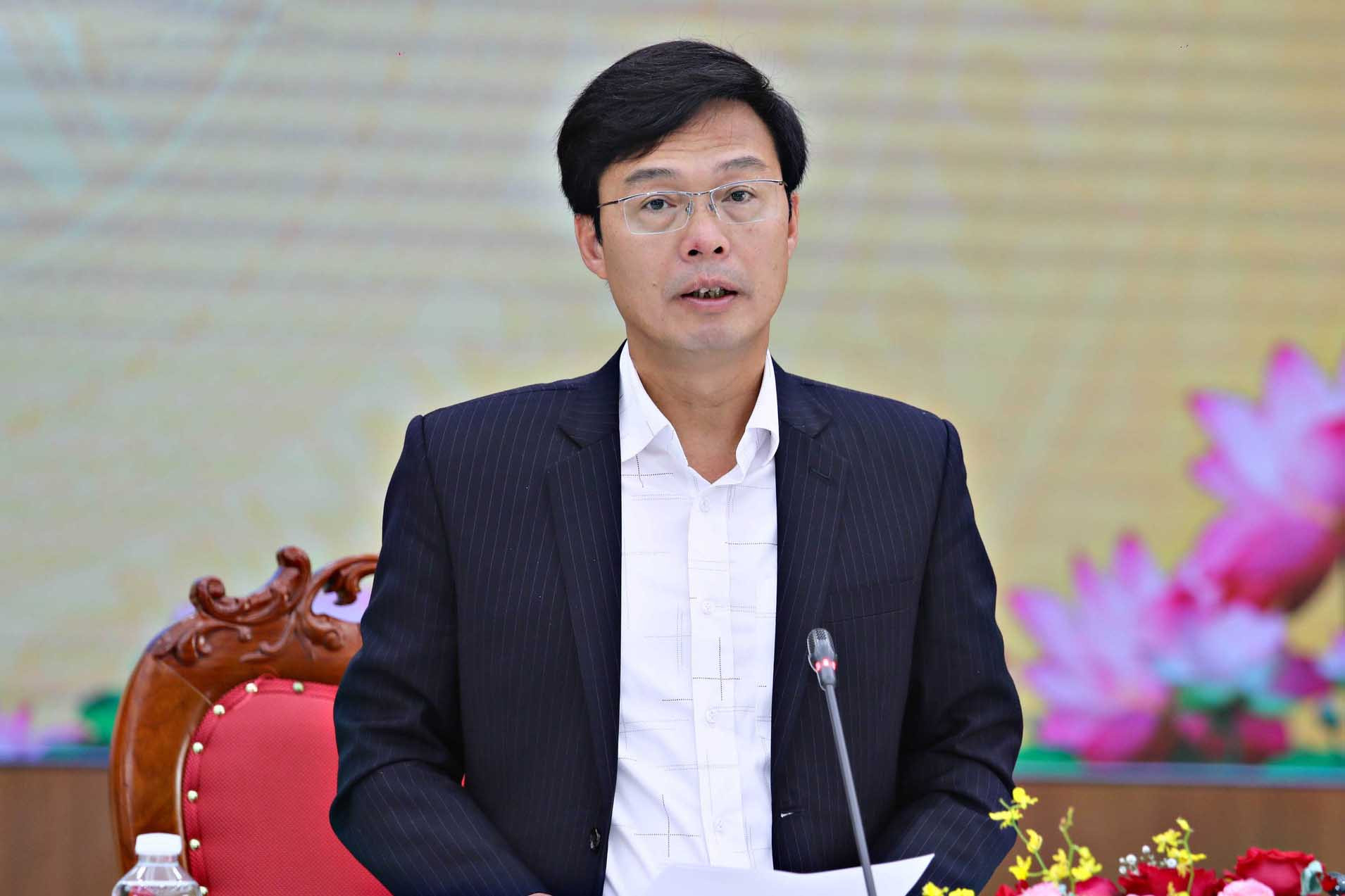
The Flower Festival is an opportunity to promote the Da Lat - Lam Dong flower brand and introduce products and production capabilities of businesses and growers to domestic and international partners.
Dinh Van Tuan, Member of the Provincial Party Committee and Vice Chairman of the Lam Dong Provincial People's Committee
By strengthening the integration of tourism promotion and trade development through the Da Lat Flower Festival, while improving quality and completing the supply chain, the Da Lat–Lam Dong flower industry will be better positioned to expand markets, increase value and reinforce its standing in international markets.