


Da Lat flowers face competition on their home turf
Ahead of the 11th Da Lat Flower Festival and the peak year-end season, locally grown flowers are facing growing competition from imports. To maintain their position in the domestic market, flower growers and businesses in Lam Dong are adapting through new varieties, production partnerships and licensed plant varieties.
Pressure from two sides
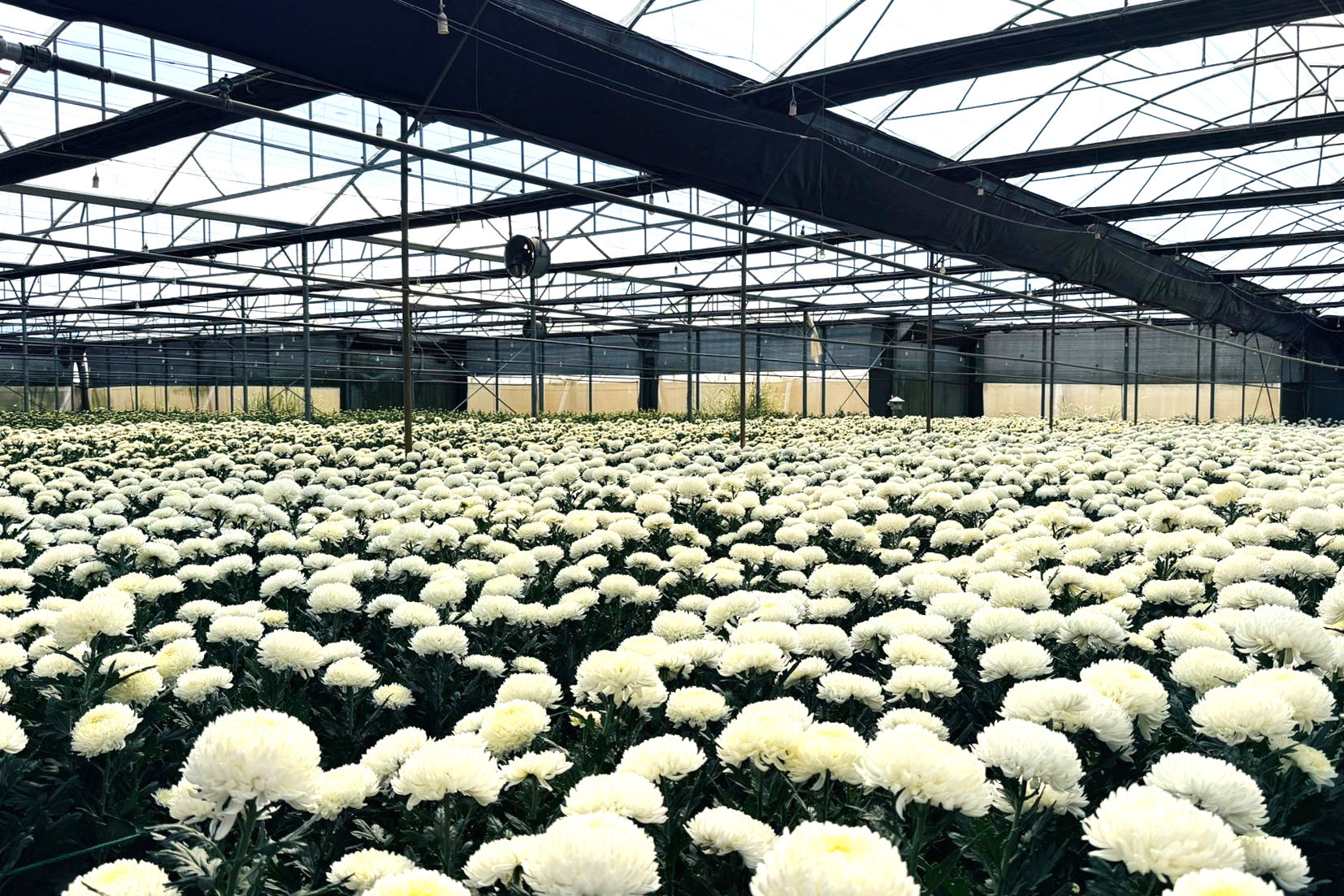
In the final days of November, flower-growing areas across Lam Dong are stepping up production to meet demand for the 11th Da Lat Flower Festival, which will open on December 20, 2026, and the Lunar New Year flower season for the Year of the Goat 2027. However, behind the colorful greenhouses lies an increasingly challenging market outlook.
According to the agriculture sector, although the province produces 4 - 5 billion flower stems annually, around 89% are sold domestically, while exports account for just over 10%. This heavy reliance on the domestic market leaves growers vulnerable whenever imported flowers flood the market during holidays and festive seasons.
Competition is particularly strong in 2 segments. The first consists of flowers imported from China, such as roses, Phalaenopsis orchids and snow willow branches, which benefit from competitive prices, distinctive designs and consistent supply. The second includes premium flowers from the Netherlands, Ecuador and Colombia, targeting high-spending customers.
Meanwhile, small-scale production remains a weakness of the local flower industry. By the end of 2026, the province has established only 10 flower production linkage chains, involving 422 households across nearly 297 hectares, a modest share compared with the industry's overall scale. Most growers continue to operate independently, rely on traders and are vulnerable to price fluctuations.
Building production chains to ensure consistent quality
Rather than engaging in a price war with mass-produced imported flowers, some pioneering farms in Lam Dong are shifting towards new varieties that are gaining popularity among consumers but have traditionally been supplied mainly by foreign suppliers.
In Lac Duong Commune, for example, growers are pursuing a new approach by cultivating flowers that were once considered exclusively imported products. Instead of expanding common varieties in an already saturated market, farms are importing and acclimatizing new ornamental flower and foliage varieties from Germany, the Netherlands, the United States and China. One notable achievement is the successful cultivation of snow willow, a temperate-climate flower highly sought after at the end of the year but previously sourced almost entirely from China by domestic flower shops.
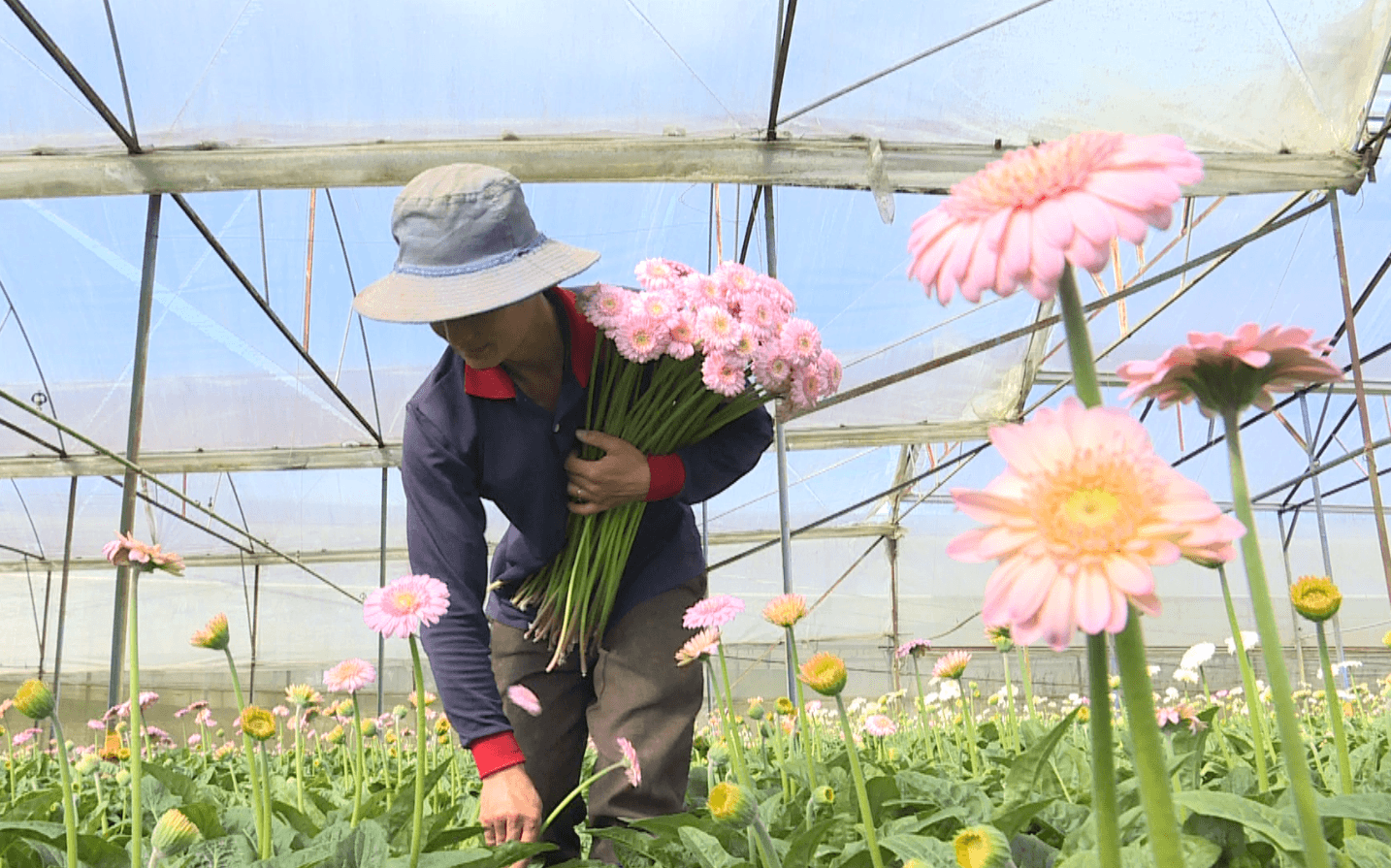
While farms are seeking an edge through new and distinctive varieties, competing with foreign suppliers in major flower lines such as roses, chrysanthemums and gerberas requires strict control over production scale and product consistency.
A business in Cam Ly - Da Lat Ward has therefore established a partnership model involving dozens of growers. The company provides certified planting materials, transfers cultivation techniques and applies digital software to production management and post-harvest processing. By maintaining consistent quality control from the farms through to packaging, its roses, chrysanthemums and gerberas have maintained their position in the domestic market while securing stable exports to Laos, Cambodia and Thailand.
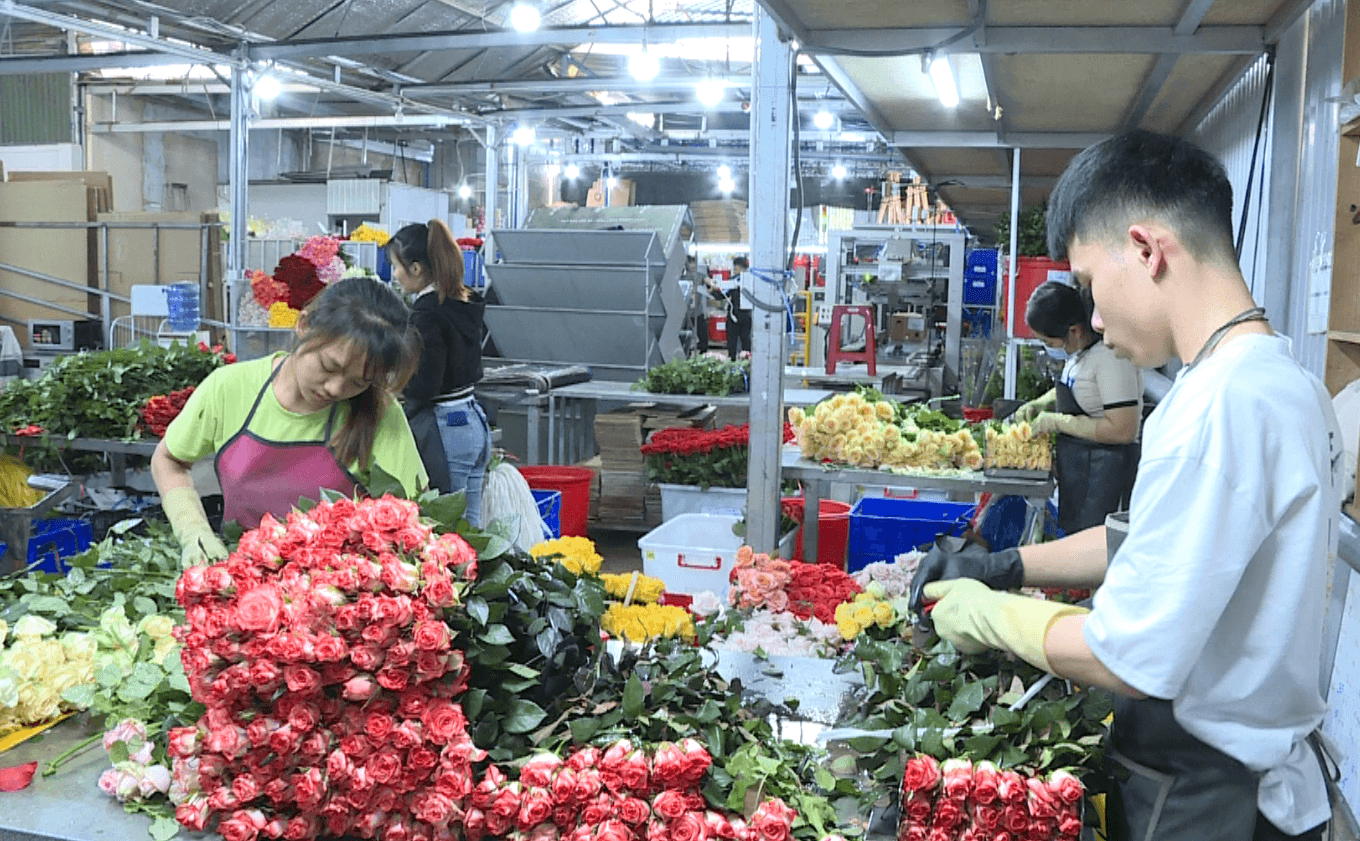
According to Pham Minh Khang, Director of Quynh Phuong Da Lat Co., Ltd., imported flowers have an advantage thanks to their high uniformity, precise grading and professional packaging. To compete fairly on the domestic market and expand exports, growers can no longer afford to operate independently. Bringing farms together under common variety standards, applying digital technology to production management and making substantial investments in cold storage are essential to extending flower shelf life and maintaining credibility with business partners during peak seasons.
Plant variety rights: A key to long-term competitiveness
Competition between locally grown and imported flowers is not merely a year-end seasonal issue. It reflects the need for long-term restructuring, with access to licensed flower varieties emerging as one of the biggest challenges.
For many years, the use of old, degraded or unlicensed varieties has led to declining yields, inconsistent quality and limited opportunities to enter demanding export markets. To gradually address this bottleneck, in mid-2026, Lam Dong completed the acceptance of a provincial-level science and technology project on large-scale pilot production using 4 imported, licensed flower varieties. The project was implemented from April 2024 to March 2026.
Building on the initial results, the Da Lat Flower Association will continue working with relevant agencies to implement the licensed flower variety import scheme on a more comprehensive scale in the coming period. The goal is not simply to import varieties or conduct trial cultivation at a few large businesses, but to widely transfer new varieties and cultivation techniques directly to farmers. When growers have access to certified varieties at reasonable costs and with consistent quality, the competitiveness of Lam Dong's entire flower industry can become truly sustainable.
Phan Thanh Sang, Chairman of the Da Lat Flower Association
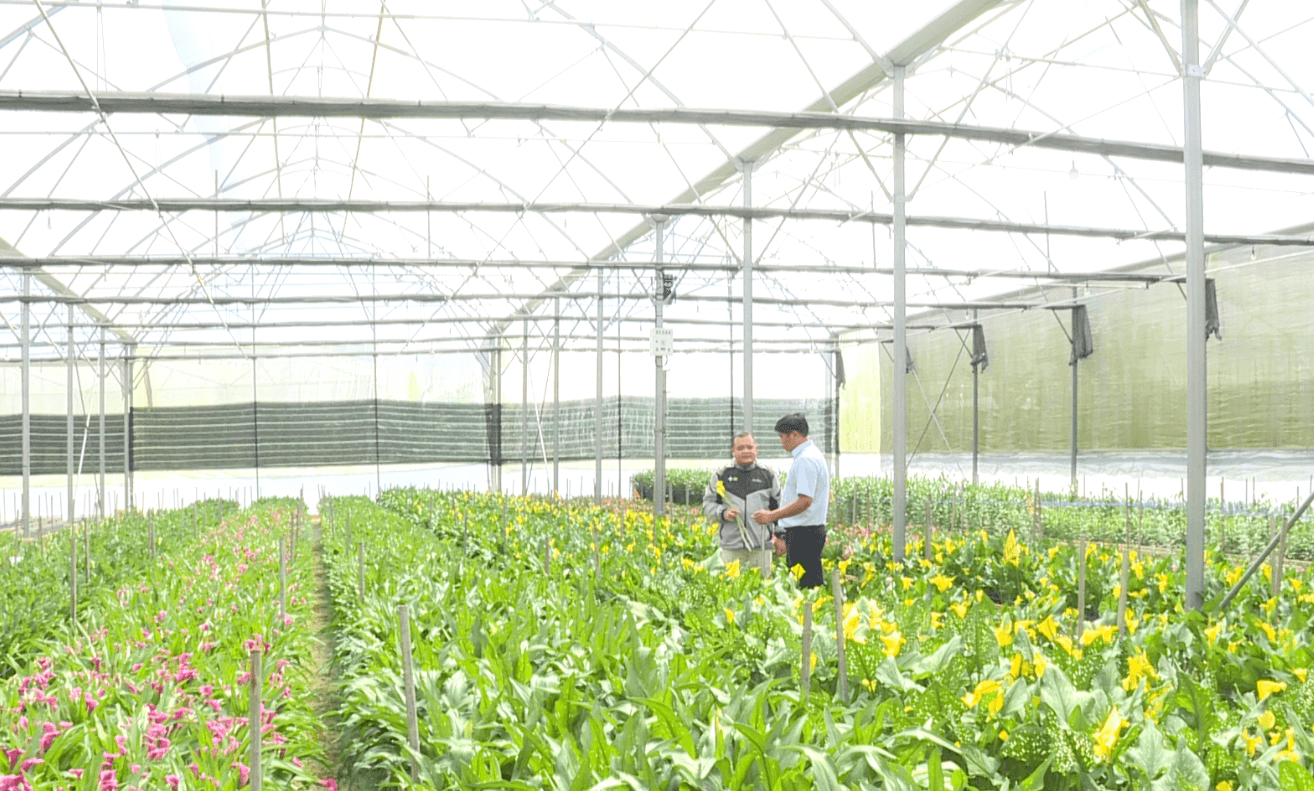
At the same time, trade promotion activities at the upcoming 11th Da Lat Flower Festival will also focus on introducing new varieties. Under the plan, the Da Lat Flower Association will set up an exhibition space of approximately 500 square meters, showcasing a wide range of new ornamental flowers and foliage alongside major flower varieties. The space will also provide opportunities for direct connections between growers and distribution partners.
The pressure from imported flowers is becoming a necessary test, pushing the Da Lat - Lam Dong flower industry beyond traditional farming practices and towards new competitive advantages based on licensed varieties, preservation technology and effective production linkages.