


Da Lat Welcomes the Pink Glow of Java Cassia Season
As the rainy season begins in June, vibrant pink blossoms of Java Cassia are transforming the outskirts of Da Lat into a dreamy landscape, attracting visitors seeking a different side of the mountain city during summer.
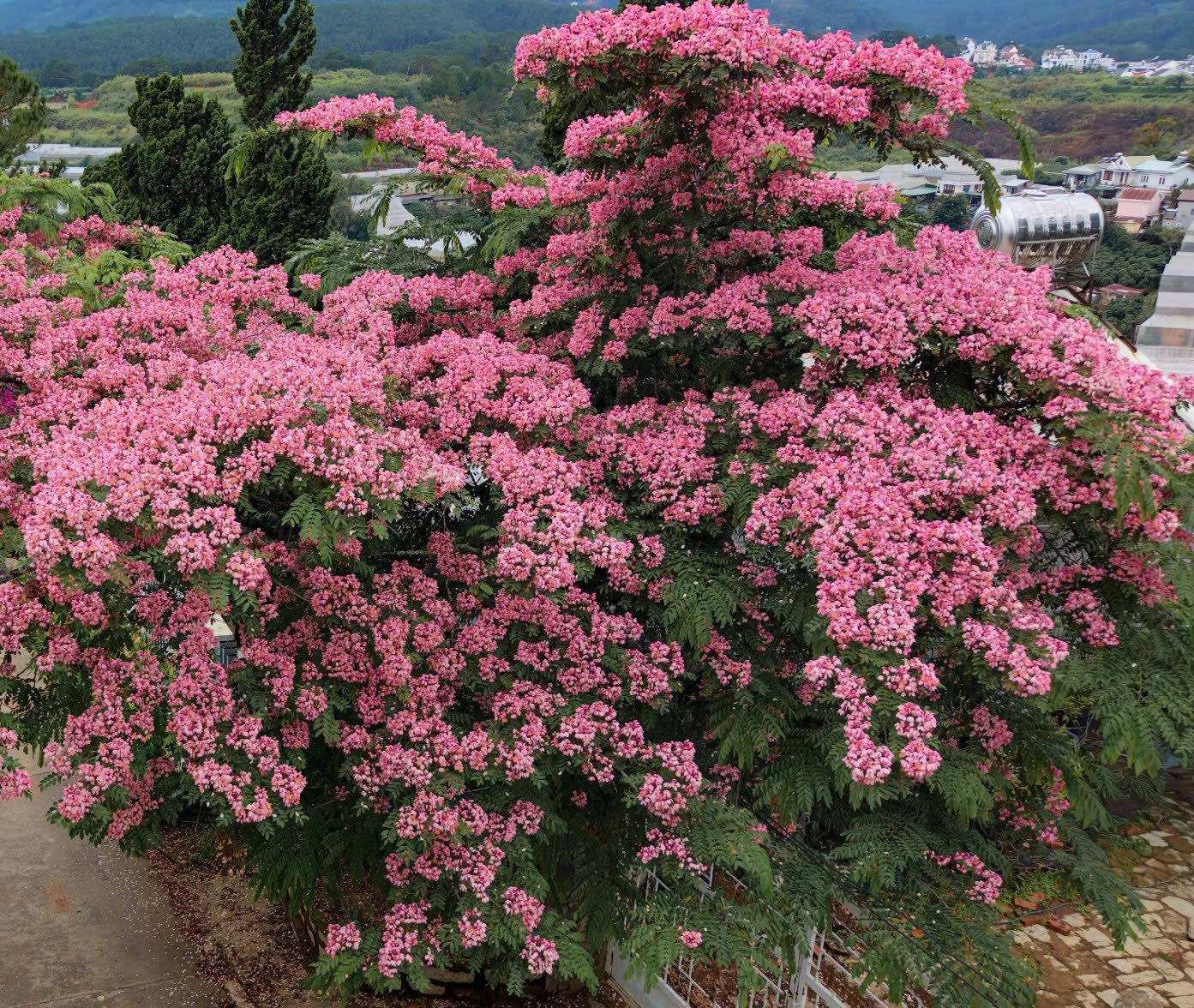
A Pink Canopy Across the Highlands
Following the first seasonal rains, many roads and residential areas around Da Lat have been painted in shades of pink as Java Cassia trees burst into bloom.
Rows of flowering trees now create picturesque landscapes that draw residents and tourists alike, adding another seasonal attraction to Da Lat’s growing tourism portfolio.
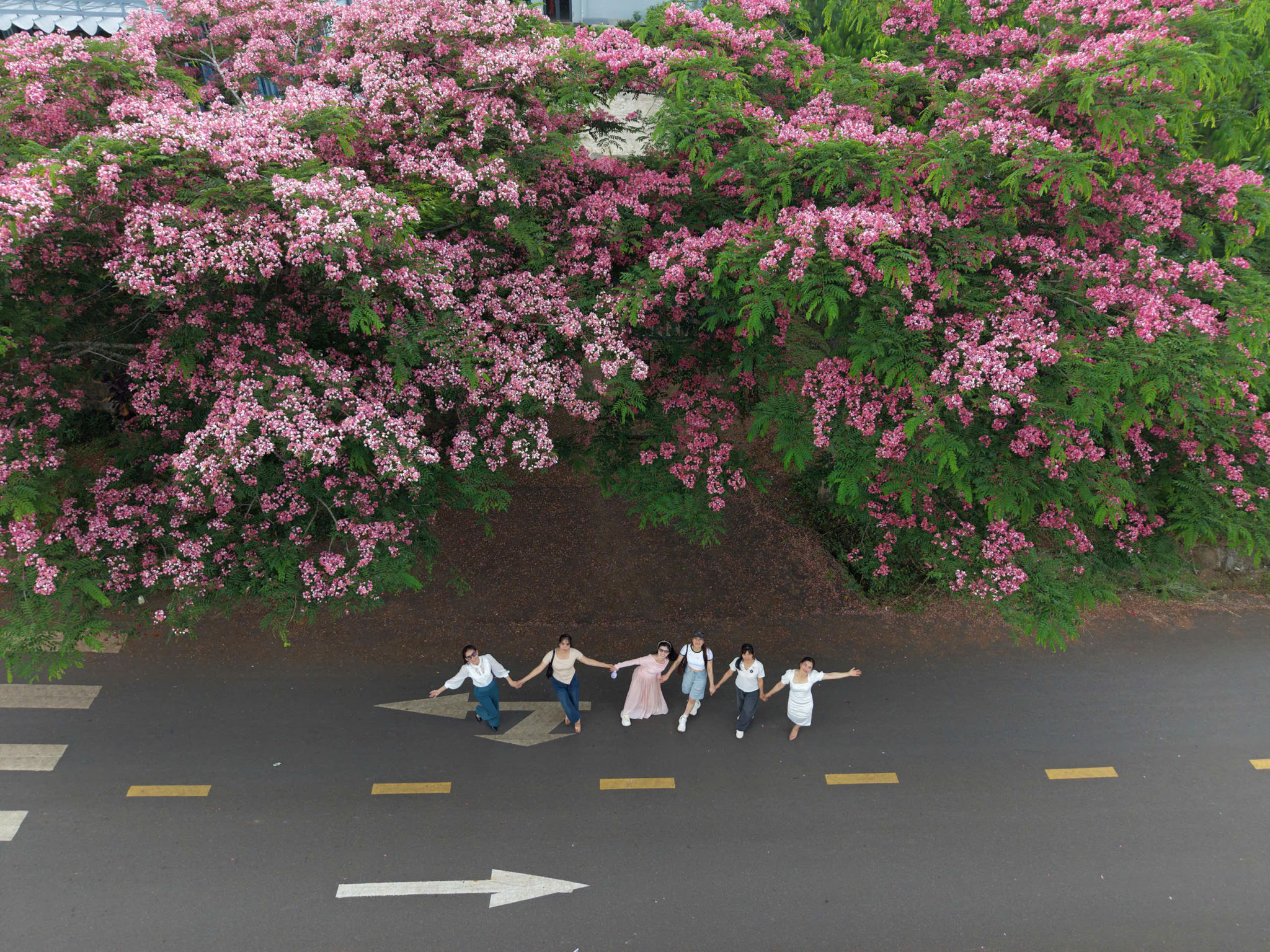
Unlike the famous cherry blossoms that bloom in spring, Java Cassia flowers appear at the start of the rainy season. During this time, hillsides, roadsides, and rural communities become covered in pink and lavender hues.
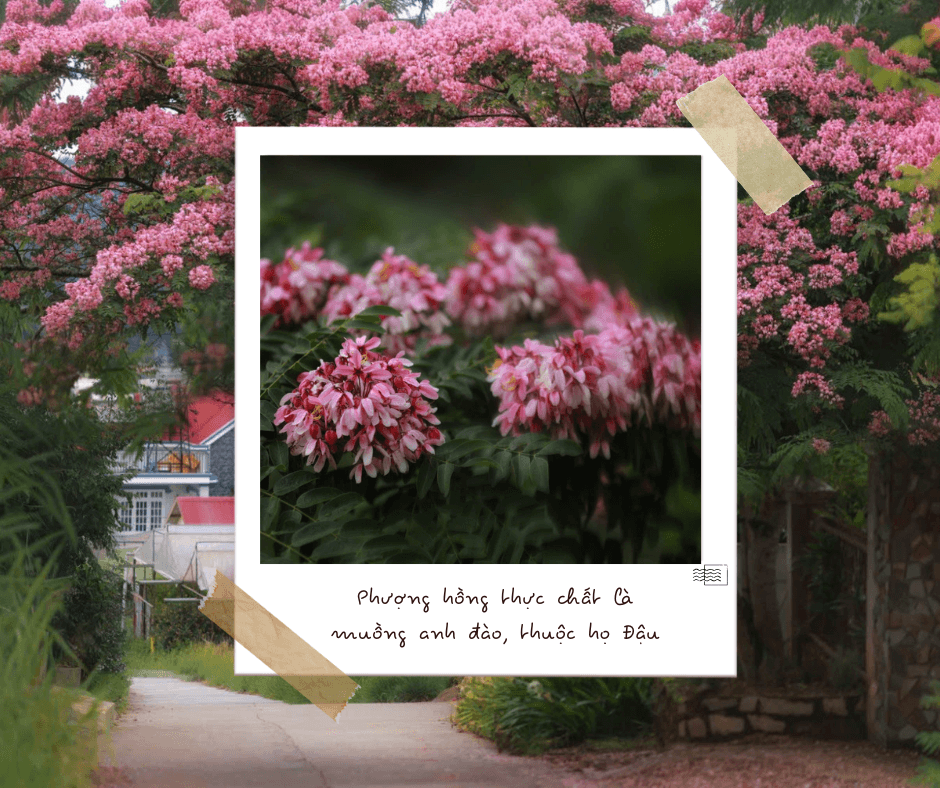
Known scientifically as Cassia javanica, the tree is native to Southeast Asia and can be found naturally in Thailand, Indonesia, Malaysia, and other tropical countries. The large shade tree can grow between 10 and 20 meters tall, producing cascading clusters of flowers that gradually change from deep pink to pale pink and eventually white.
From Everyday Tree to Seasonal Attraction
For decades, Java Cassia trees have been a familiar part of local life. Yet each flowering season transforms them into striking landscape features across the region.
.jpg)
Rather than dazzling with bright colors, the tree captivates visitors through its gentle and elegant appearance.
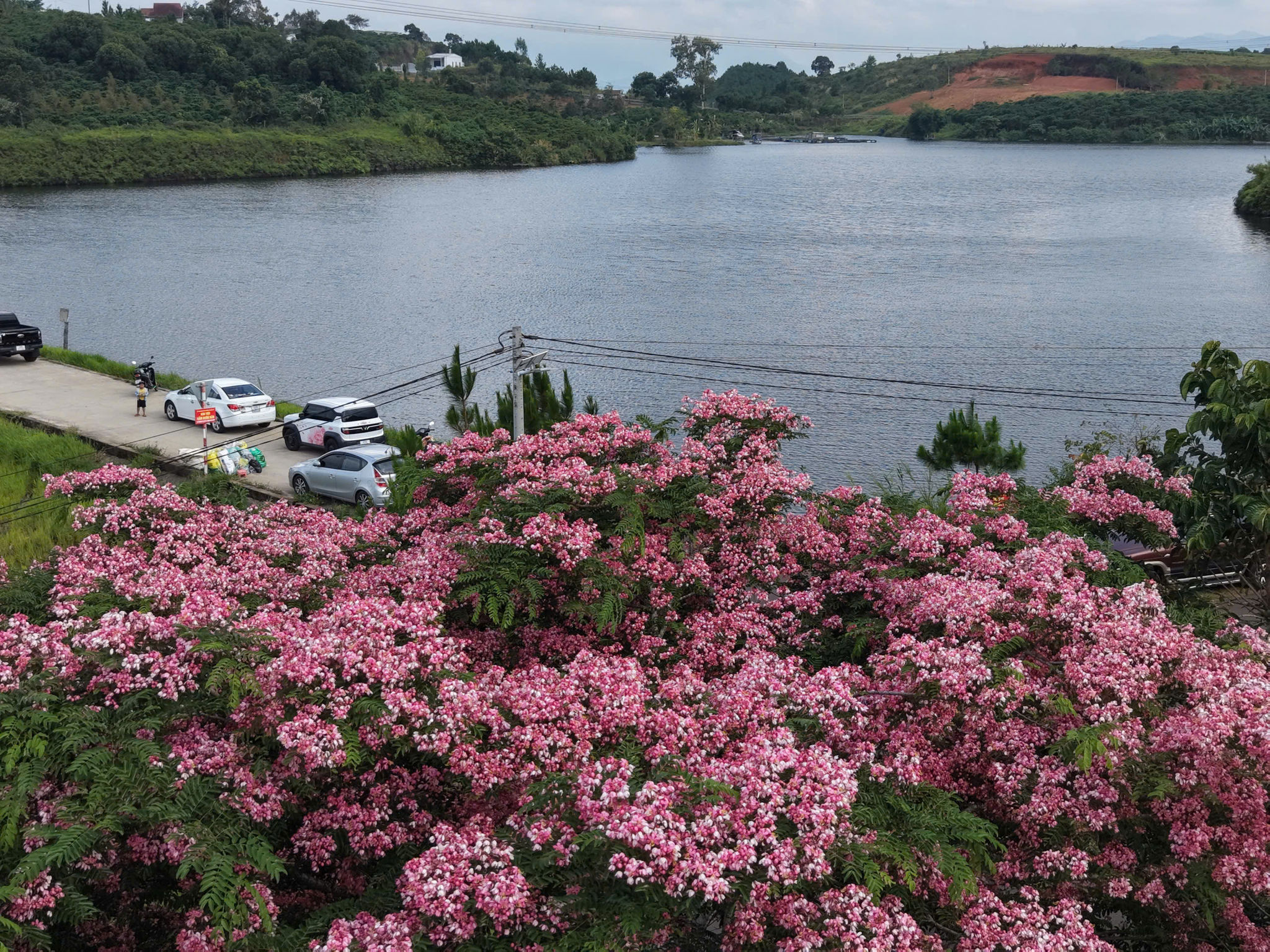
Beneath the blooming canopies, village roads, farming areas, and residential communities are framed by soft pink flowers, creating scenes that perfectly capture the character of the Central Highlands.
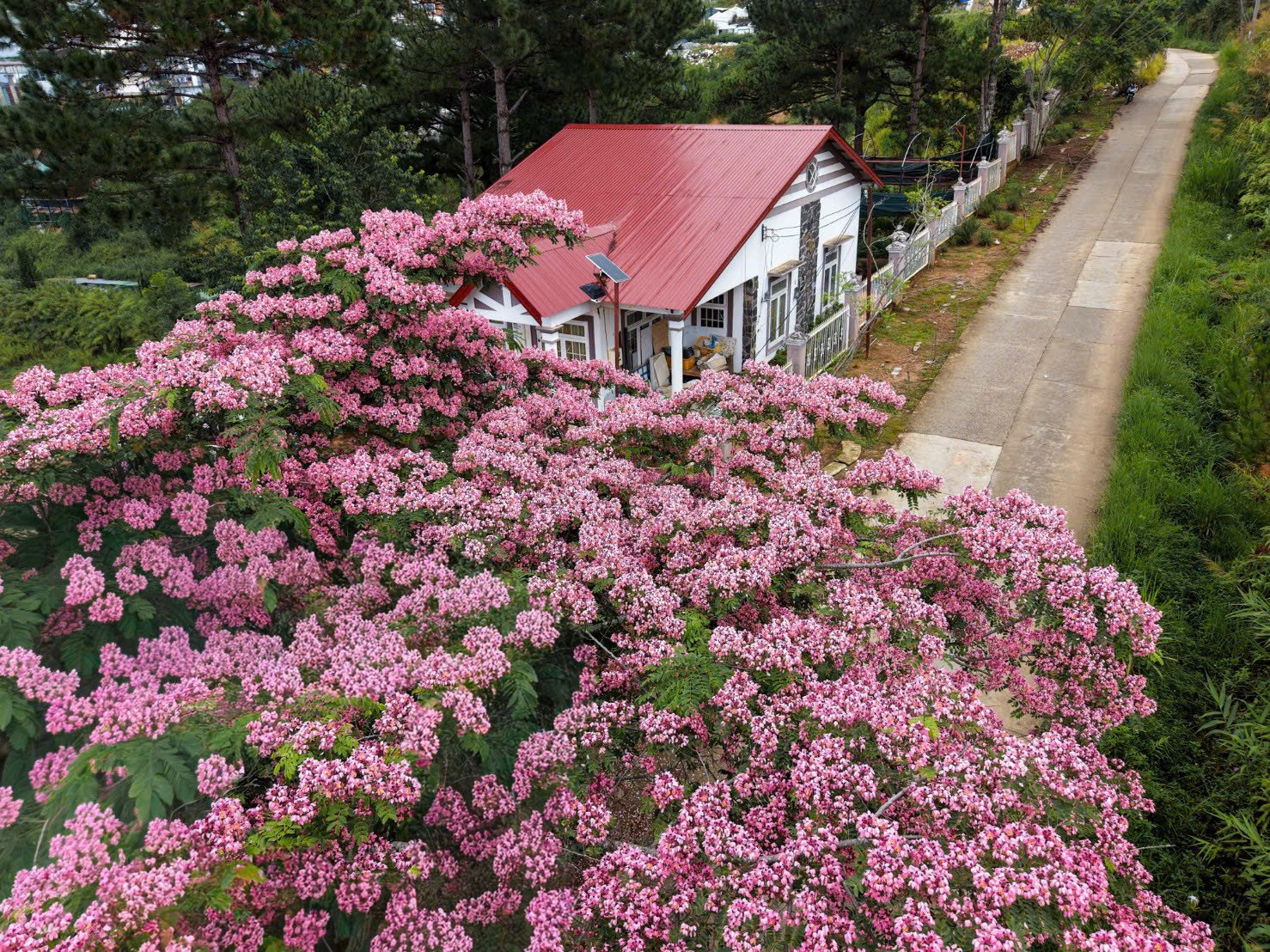
Although the trees have long been planted along roads, at schools, in neighborhoods, and farming areas for shade and landscaping purposes, they have only become widely recognized over the past decade through social media images showcasing their spectacular blooms.
A Flowering Season That Lasts for Weeks
The blooming period typically lasts one to two months, depending on weather conditions. The most spectacular display usually occurs from mid-June to early July, when the trees shed most of their leaves and become completely covered in flowers.
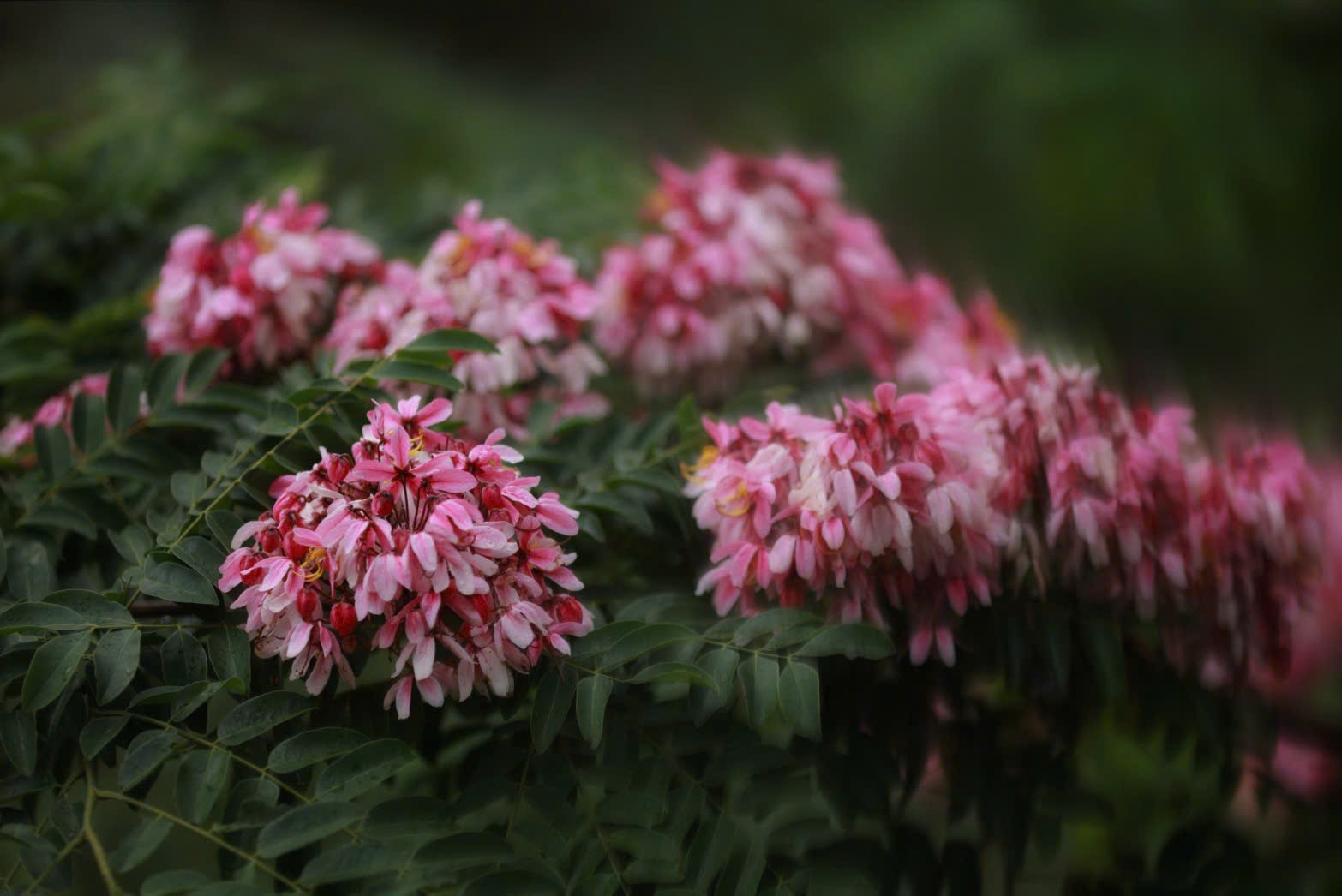
Unlike cherry blossoms, which signal the dry season at the beginning of the year, Java Cassia flowers have become a hallmark of the rainy season, adding another chapter to Da Lat’s year-round floral calendar.
The species can also be found in other parts of Lam Dong Province, including Duc Trong, Di Linh, Bao Loc, and Da Huoai, where its pink blossoms stand out against the region’s green landscapes.
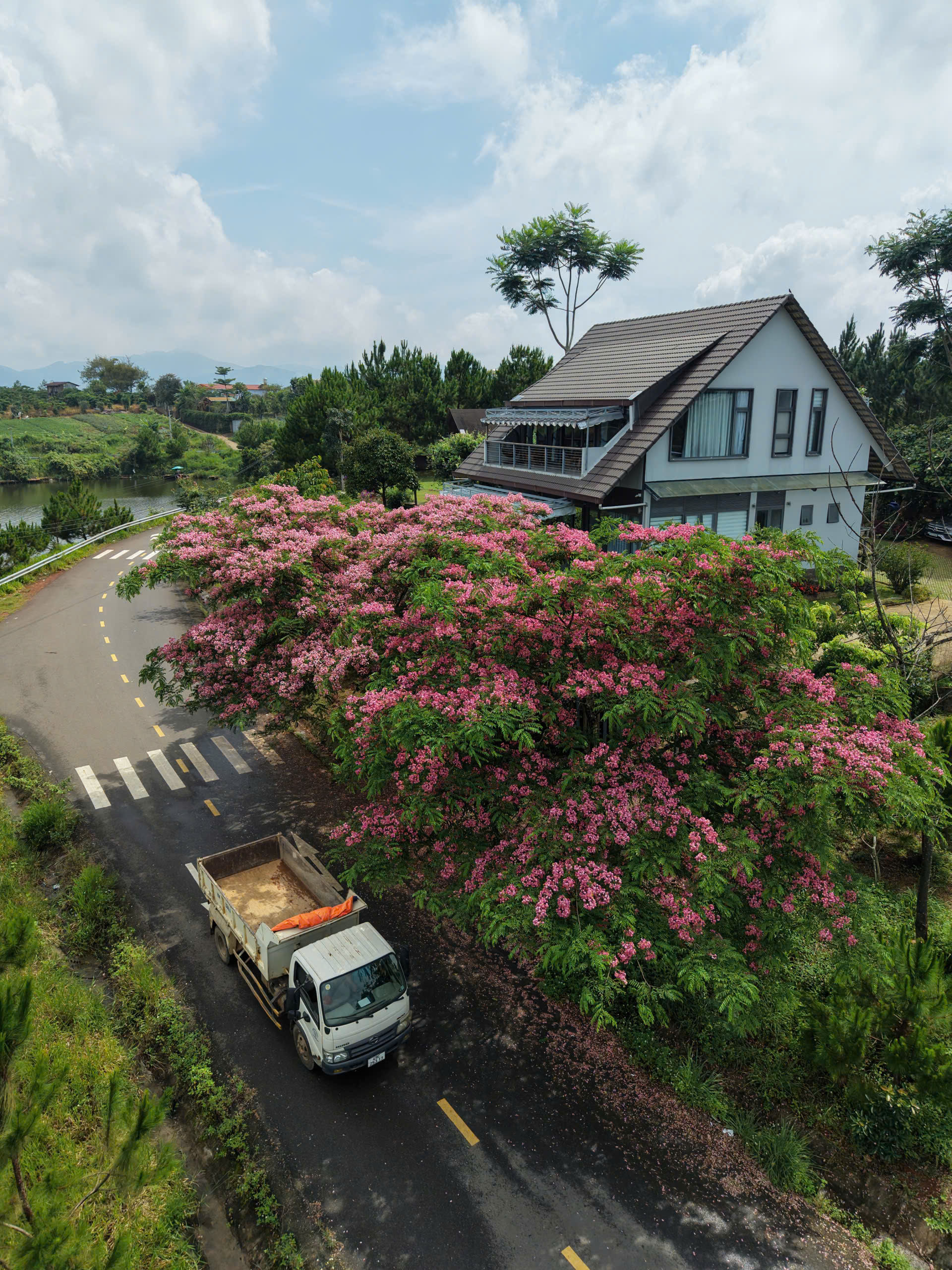
Every flowering season, the pink canopies become highlights along village roads and urban streets, contributing to the distinctive identity of the region.
Among all destinations, Da Lat remains the most popular place to admire the blossoms, thanks to the harmonious combination of climate, scenery, and floral landscapes.
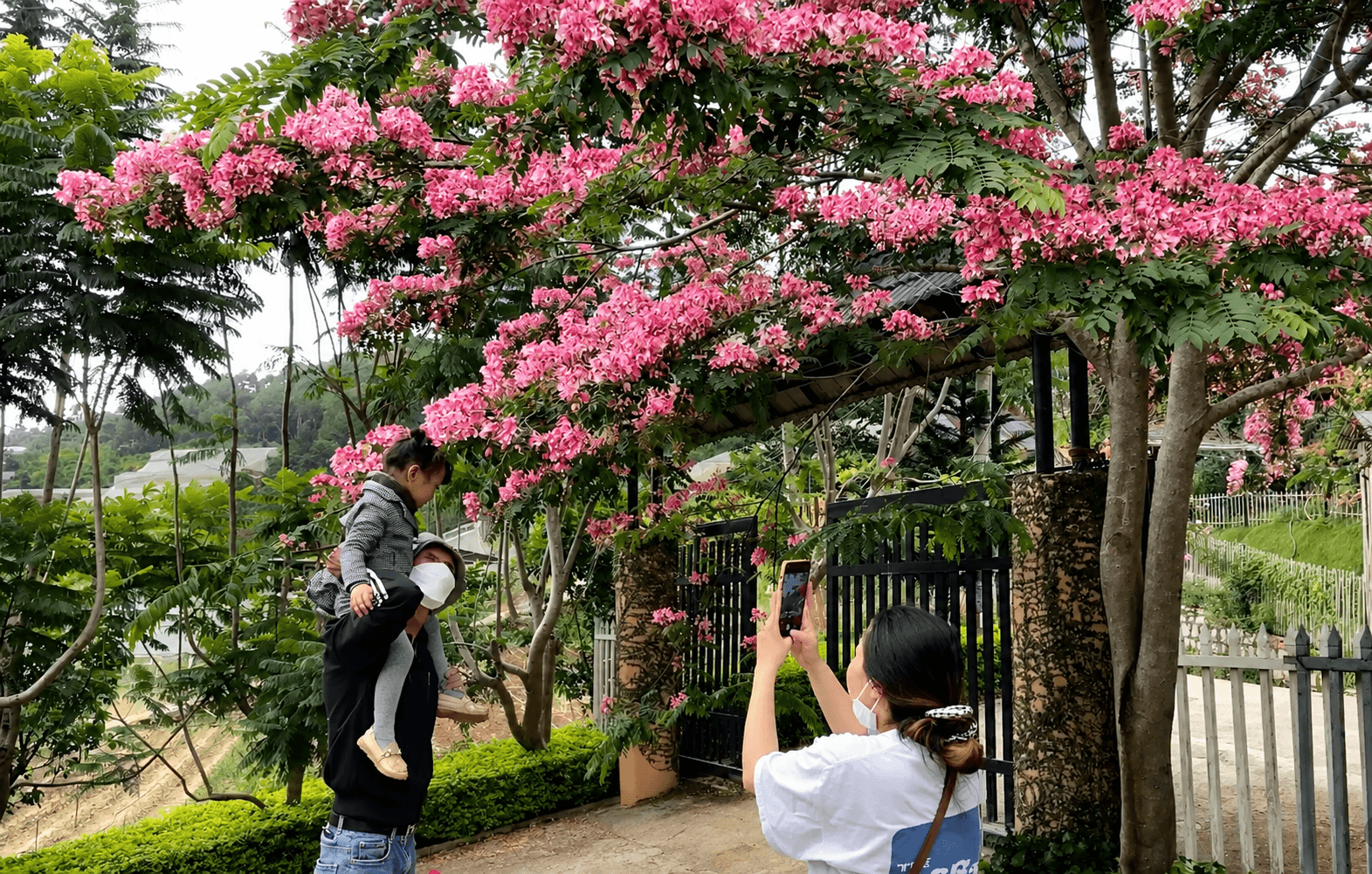
A New Seasonal Experience for Visitors
Nguyen Thi Hong, a resident of Xuan Huong - Da Lat Ward, said the trees have been part of local life for many years.
"When the flowers bloom, the scenery around our homes becomes much more beautiful. Many families take the opportunity to capture memorable photos together. We are happy to see more visitors coming to admire the flowers and discover our community," she said.
Visitors are equally impressed.
Tran Minh Quan, a tourist from Ho Chi Minh City, shared that what stood out most was the natural setting of the flowering trees among residential neighborhoods.
"The scenery feels authentic and peaceful. It’s not crowded like many popular tourist attractions, but it has a very distinctive charm. It offers a completely different experience from the places I usually visit," he said.
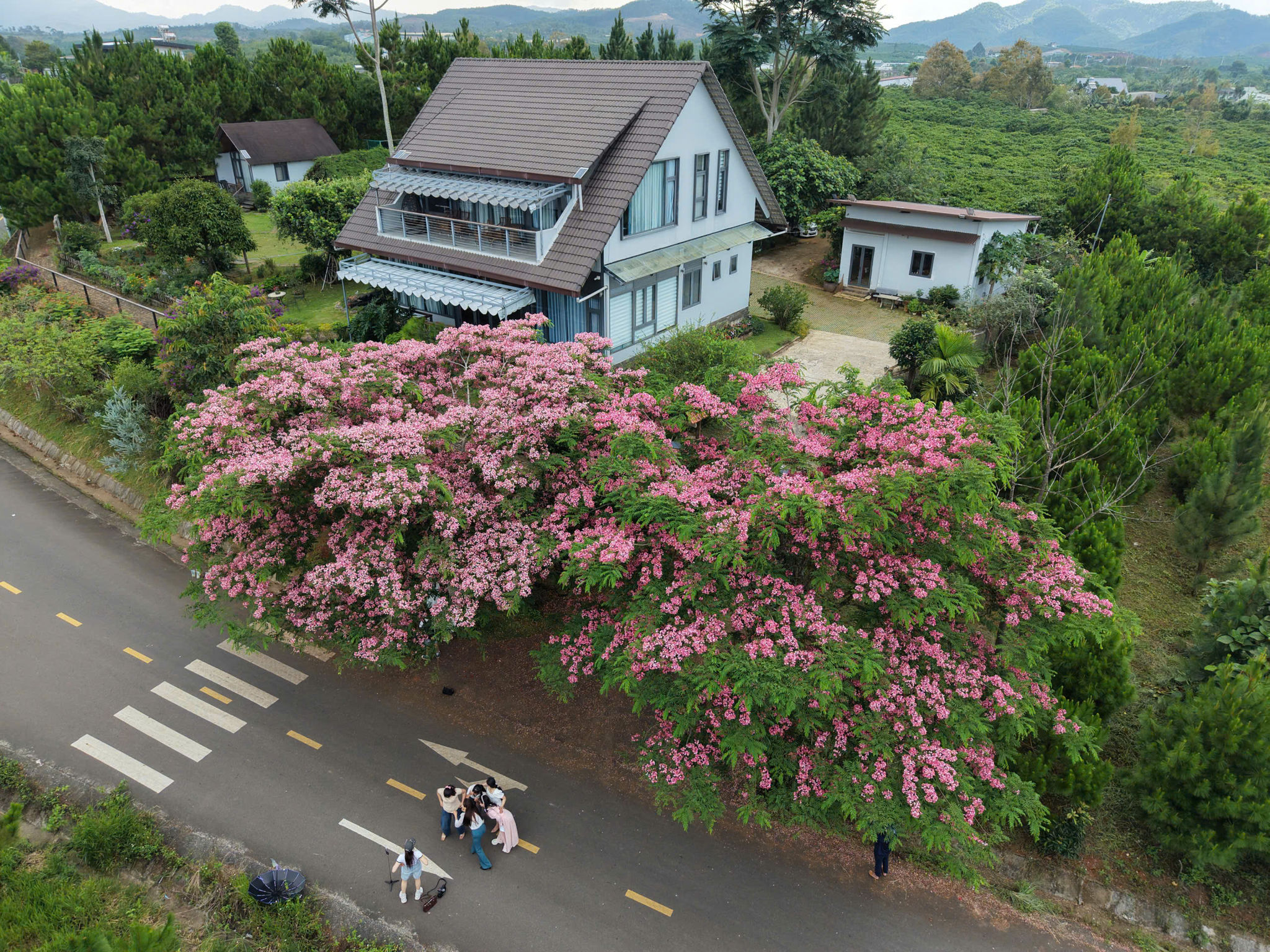
In recent years, alongside eco-tourism, agricultural tourism, and wellness travel, local authorities have increasingly focused on promoting landscape values connected with community life.
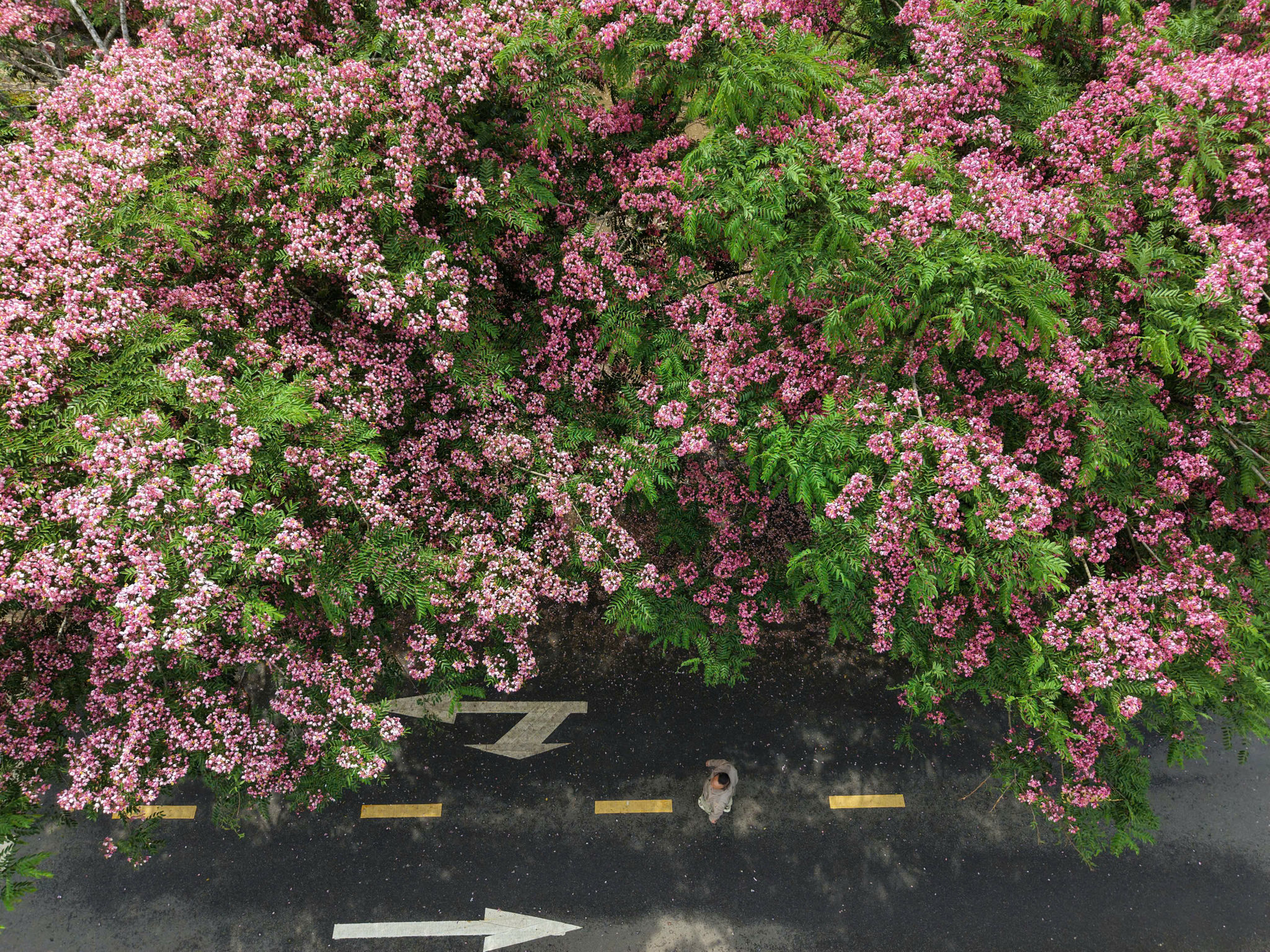
What was once an ordinary roadside tree has gradually become part of Da Lat’s tourism identity, offering visitors an opportunity to explore a quieter, more authentic side of the city.
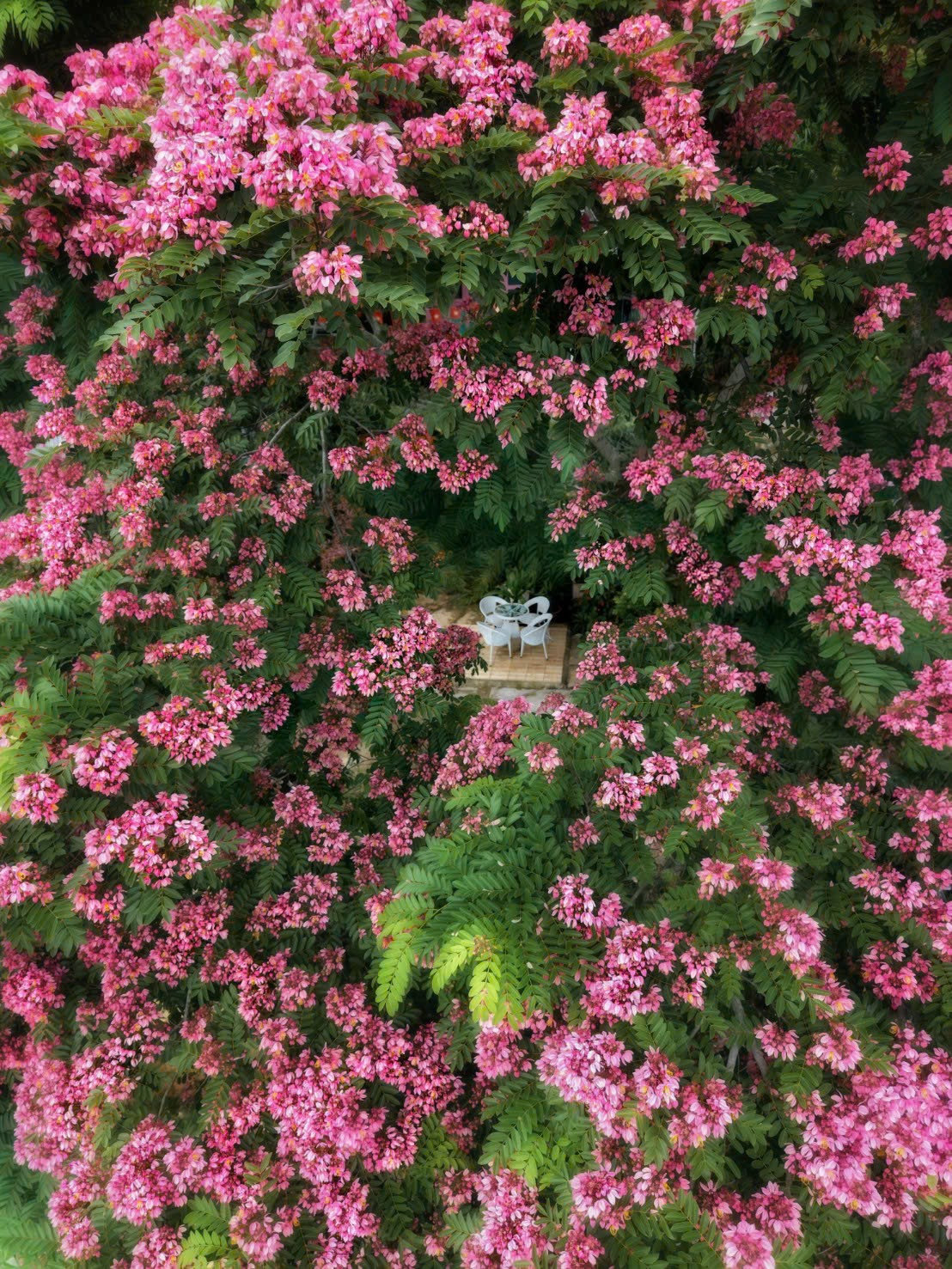
The blooming season not only attracts tourists but also helps strengthen Lam Dong’s image as a destination rich in natural beauty and cultural character throughout the year.