


Dak Nong UNESCO Global Geopark: A Heritage Treasure
Dak Nong UNESCO Global Geopark brings together geological, archaeological and cultural values, creating a foundation for sustainable tourism.
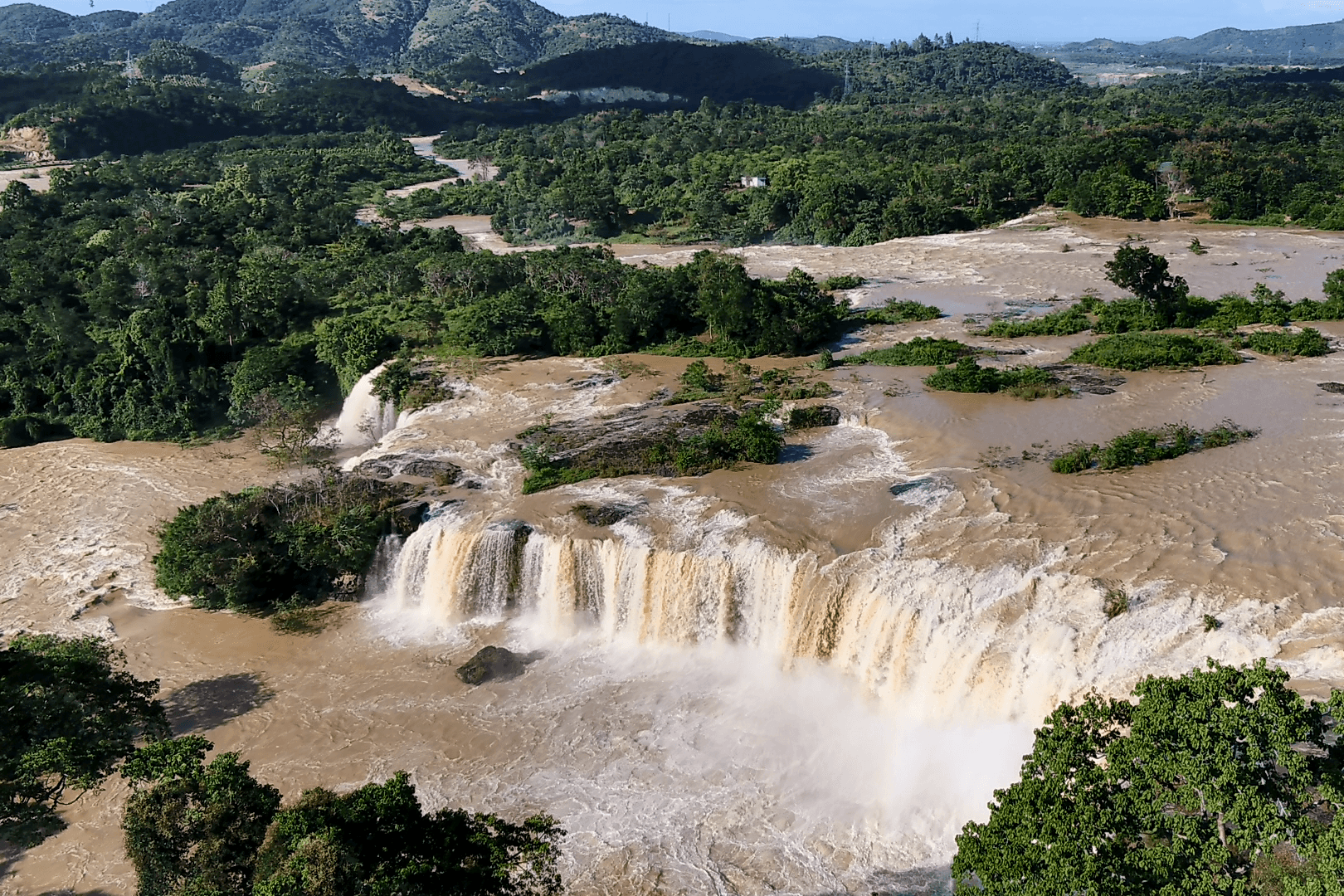
Dak Nong UNESCO Global Geopark reveals Earth's history
Recognized as a UNESCO Global Geopark in 2020, Dak Nong UNESCO Global Geopark covers an area of 4,760 square kilometers and preserves evidence of geological processes that have shaped the region over vast periods of Earth's history.
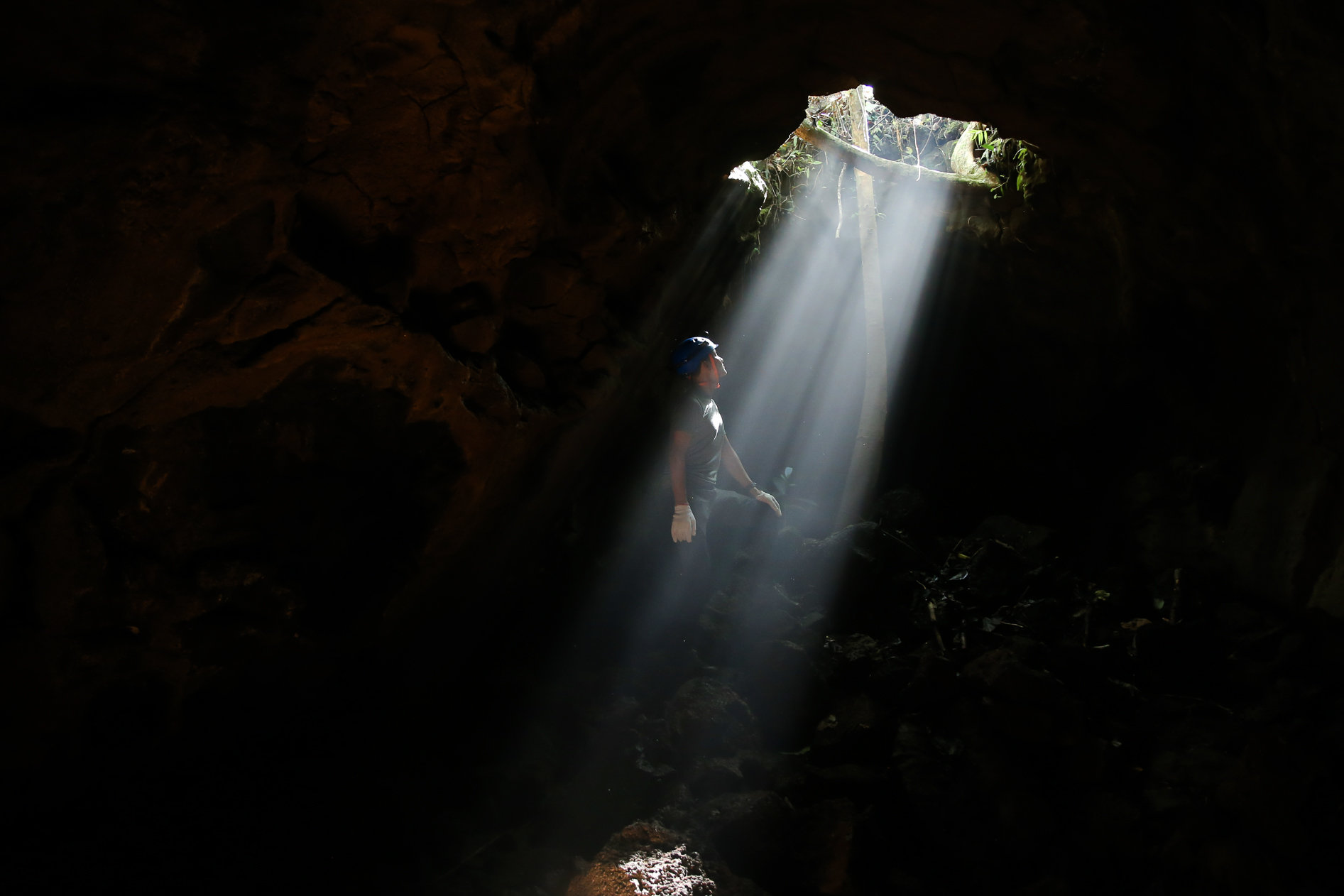
Among its most distinctive features is a volcanic cave system discovered in 2007. The caves were recognized by the Japan Volcanic Cave Association for their scale, length and distinctive characteristics, setting a Southeast Asian record.
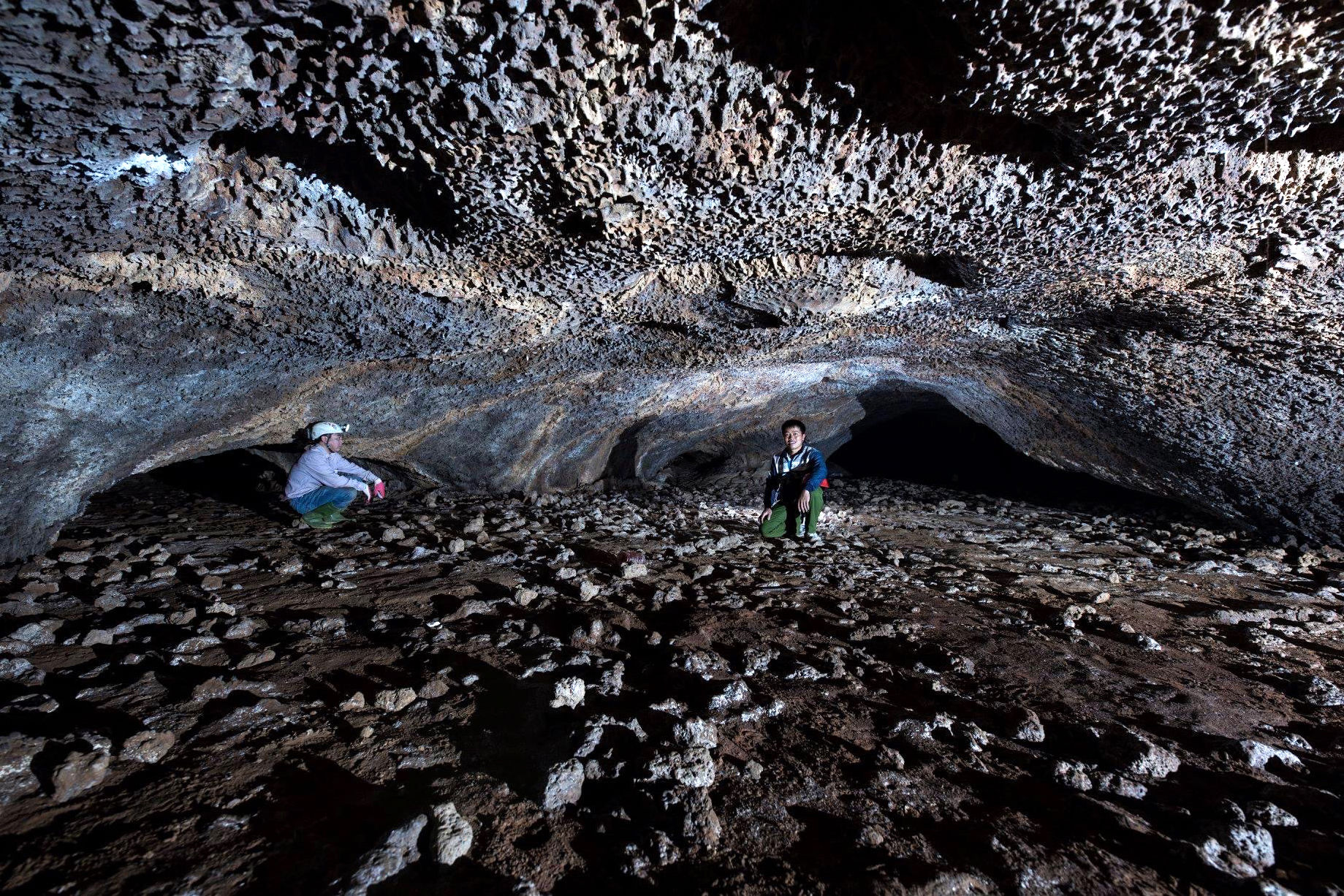
The Krong No lava cave system stretches from the Buon Choah volcanic crater along the Serepok River to the Dray Sap waterfall area, forming a remarkable underground network shaped by ancient volcanic activity.
Inside the caves, many values remain to be explored, from their formation processes and mineral assemblages to biological and archaeological traces.
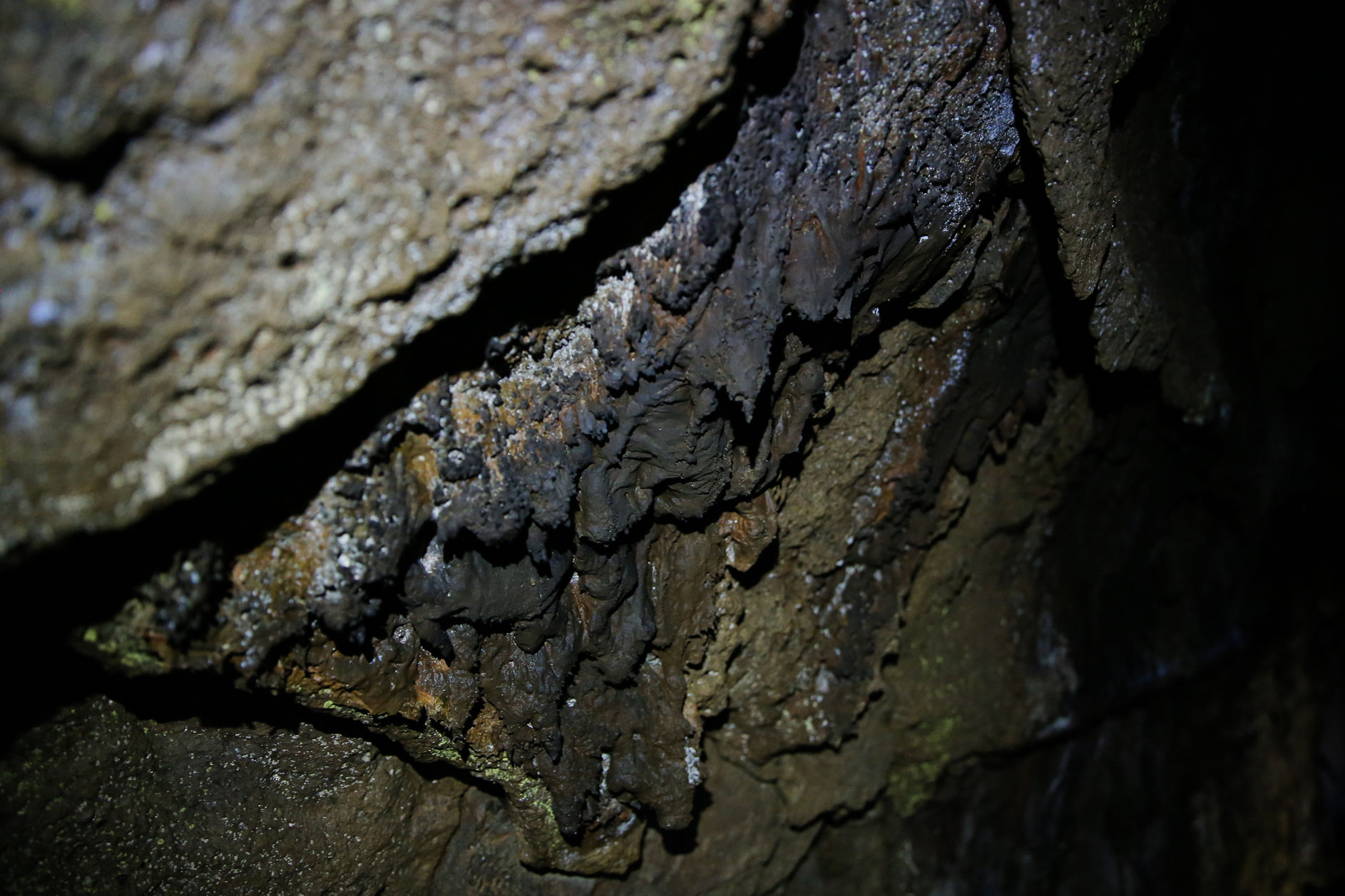
The geopark's geological landscape also includes volcanic craters, natural lakes, waterfalls, mountains, valleys and tectonic depressions.
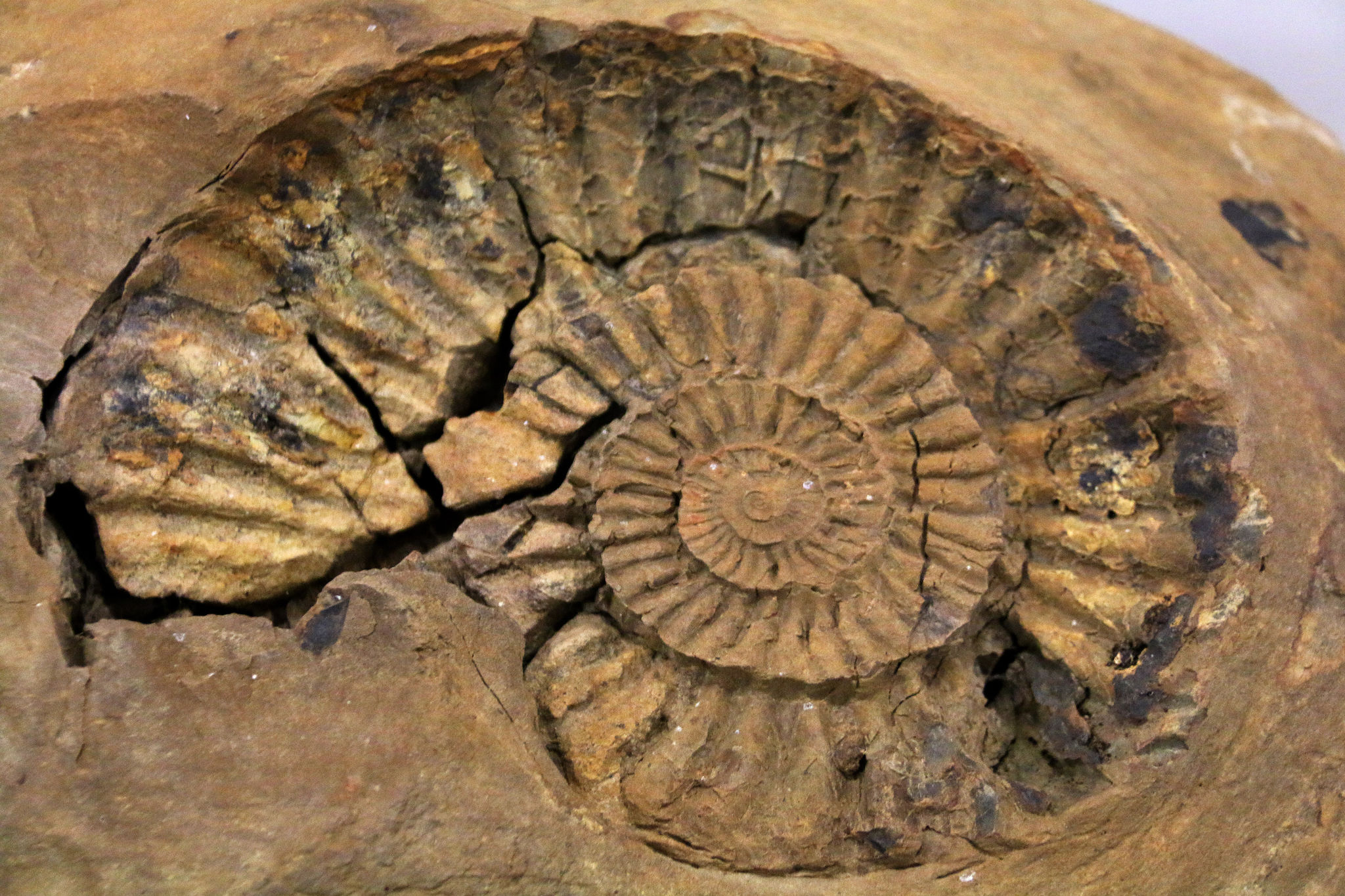
Fossils and other geological evidence—including ammonites, bivalves and plant impressions preserved in basalt—provide further clues about the region's distant past. Together, these findings show that the area has undergone major changes in geology and the natural environment over geological time.
The geological heritage is closely connected with archaeological discoveries. Several volcanic caves have yielded evidence of prehistoric human habitation.
Initial research indicates that these remains are associated with Late Neolithic and Early Metal Age communities, dating from approximately 6,000 to 3,000 years ago.
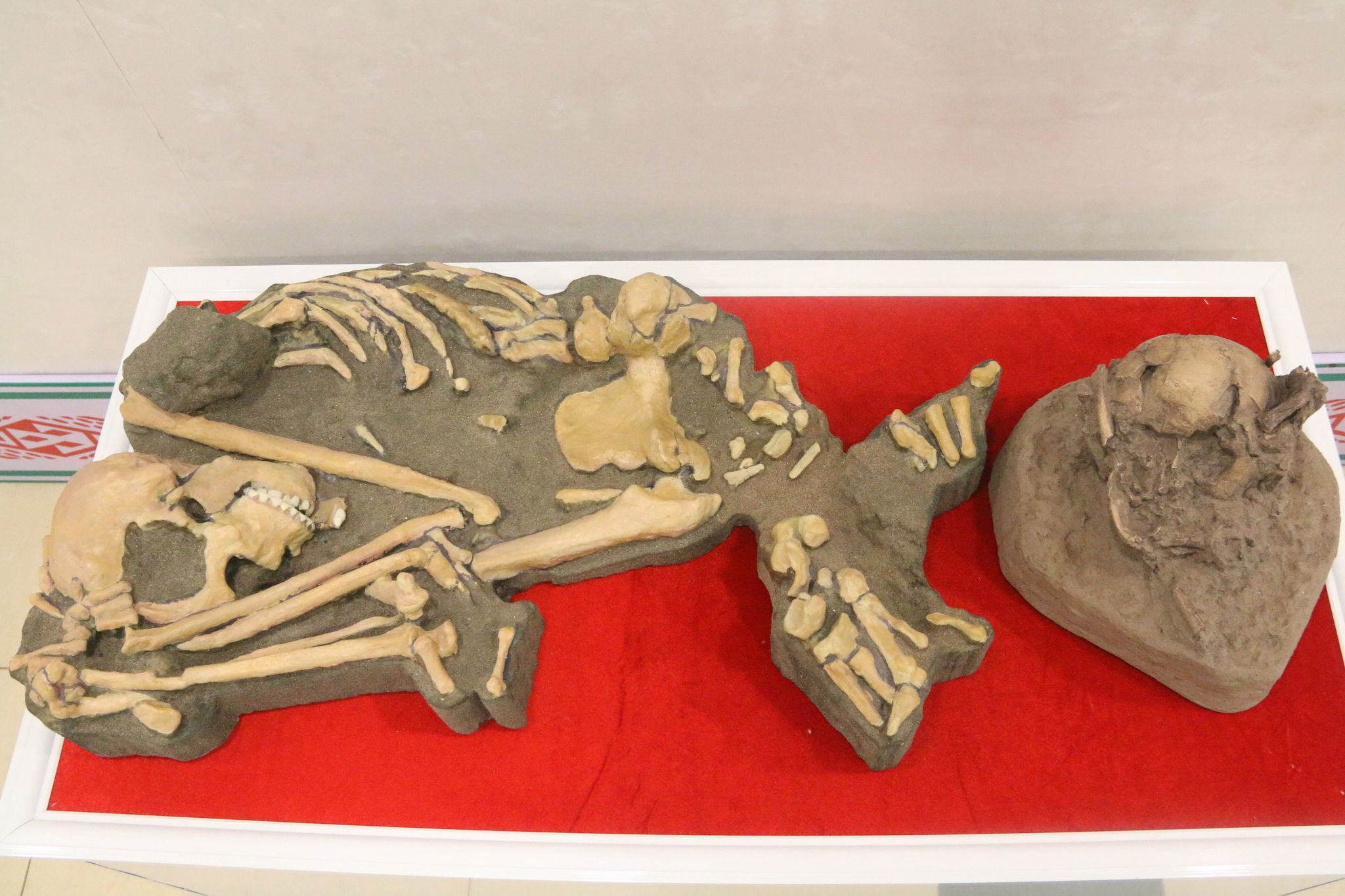
These discoveries open new avenues for studying how early communities adapted to, inhabited and used volcanic environments.
Dak Nong UNESCO Global Geopark is therefore more than a place to explore geological formations. It also serves as a valuable archive of human settlement history, supporting interdisciplinary research in geology, archaeology and paleoanthropology.
A diverse cultural landscape
The geopark lies within the traditional settlement area of numerous ethnic communities, creating a rich and diverse cultural landscape.
Many indigenous cultural practices are closely connected with traditional explanations of nature through myths, legends and oral narratives.
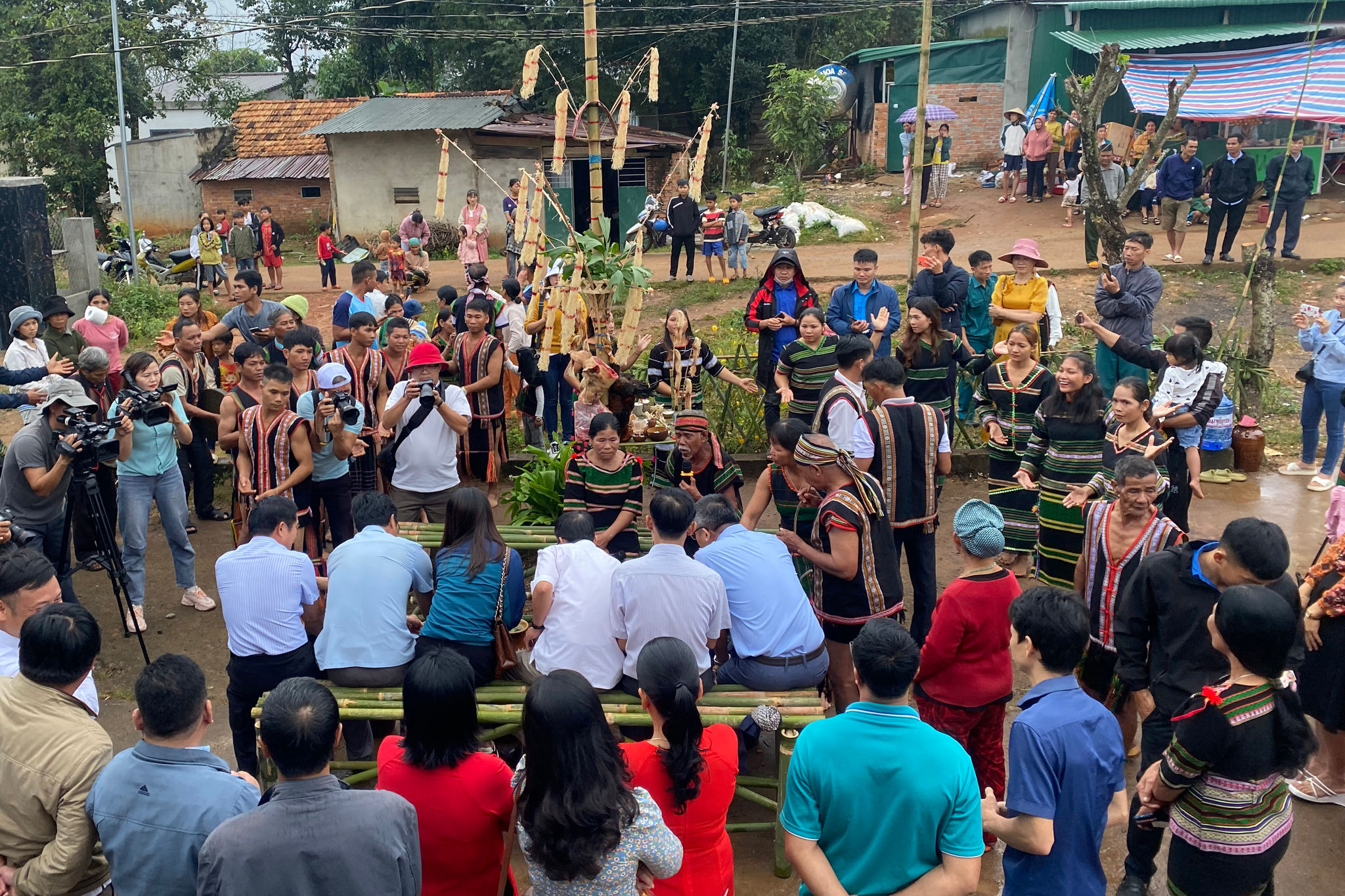
Mountains, forests, rivers, streams, waterfalls and caves are not viewed simply as natural landscapes. They are also connected with collective memories, beliefs and stories passed down through generations.
This interaction between geological landscapes and cultural life gives the region much of its distinctive character.
The cultural values of the geopark are also reflected in products and practices associated with everyday life. Brocade textiles, folk songs, epics, gong performances and traditional cuisine all carry stories about the people and the land.
From brocade and gong culture to epics, cuisine, festivals and traditional legends, the geopark has the potential to develop a diverse range of tourism experiences.
Local communities are both custodians of their cultural heritage and participants in creating experiences for visitors. This provides a foundation for community-based, experiential and cultural tourism that can generate value while supporting heritage preservation.
Turning heritage into sustainable development
One of the defining features of Dak Nong UNESCO Global Geopark is the way its different values are interconnected rather than existing in isolation.
Geological processes have shaped the landscape. The landscape has provided a setting for human settlement. Communities have developed cultural values around their environment, while forests, rivers, lakes and ecosystems sustain life across the region.
Together, these elements form a layered heritage landscape in which a cave, volcanic crater, lake, forest, village or traditional community settlement can become a destination connected to its own story.
The development approach for Dak Nong UNESCO Global Geopark therefore goes beyond using scenic landscapes simply to attract visitors. It seeks to increase the value of the entire heritage system.
Tourism routes with musical and narrative themes, including “Epic of Fire and Water,” “Symphony of the New Wind” and “Sounds from the Earth,” offer ways to connect heritage sites, create new visitor experiences and tell the story of the land in more accessible and engaging forms.
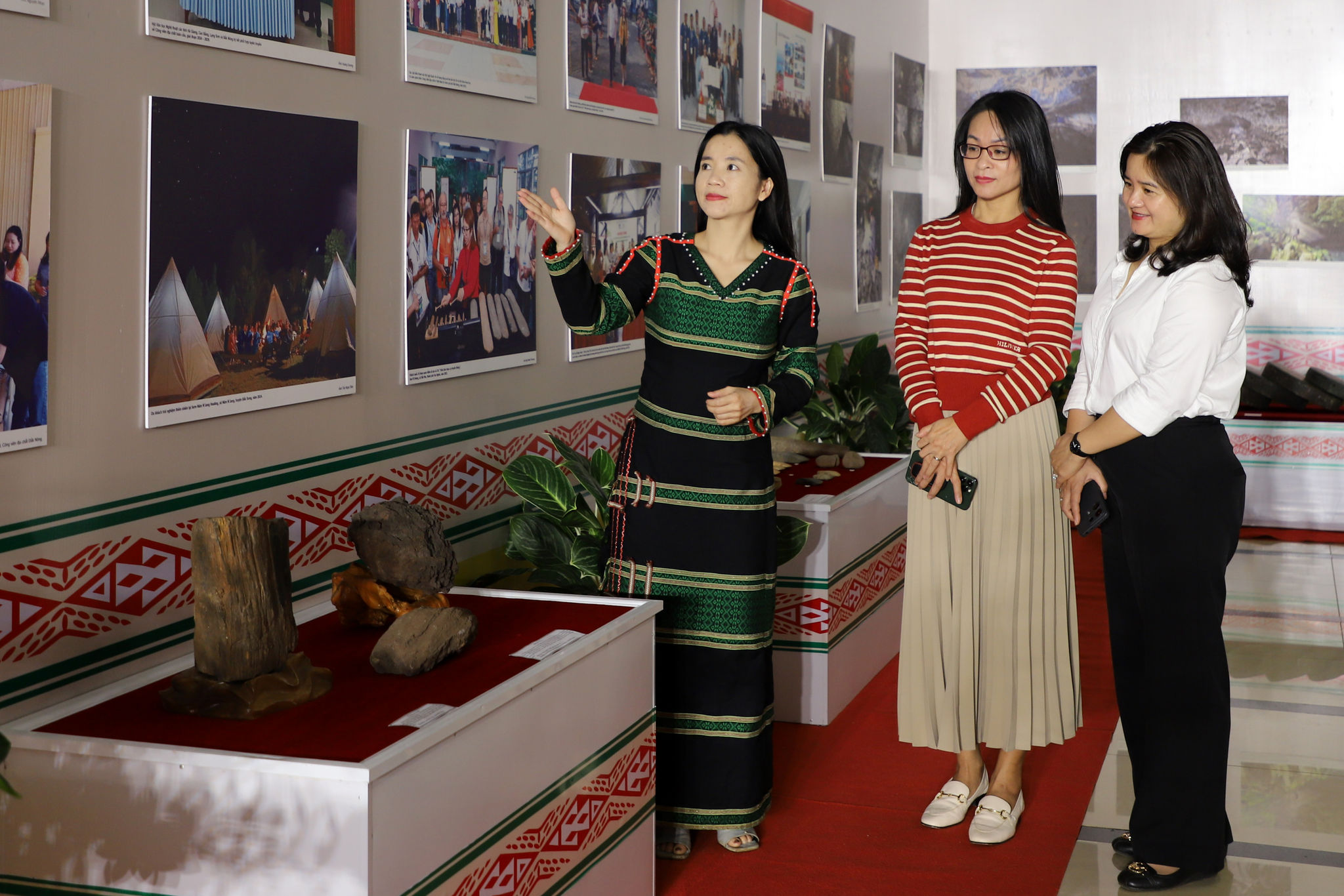
Preserving and promoting these geological, archaeological and cultural values can support scientific research, education and heritage conservation while creating opportunities for community-based tourism, ecotourism, experiential travel and services rooted in local culture.
More importantly, this approach can give local communities a stronger role in safeguarding their heritage and enable them to benefit from the distinctive values of their homeland.
For Western Lam Dong, the geopark thus represents not only a legacy of Earth's geological and human history, but also a potential platform for connecting conservation, community participation and sustainable tourism.