


Developing agricultural tourism requires depth
After the merger, Lam Dong became the largest province in Vietnam, with a diverse ecosystem ranging from highlands and forests to islands. Agricultural tourism has flourished, attracting visitors with flower fields and striking “check-in” scenes. However, keeping the model fresh and moving toward professional, sustainable development remains a long journey.
.jpg)
Meeting domestic tourist preferences
Compared to the central communes and wards of Lam Dong, which already operate many successful high-tech agricultural tourism models, the southeastern communes have also seen rapid growth in recent years. Two years ago, the “Sunflower Garden” in Phu Lac Commune drew hundreds of visitors, especially young people, coming to take photos and enjoy the scenery.
Under the region's harsh sun, thousands of blooming sunflowers stretch toward the horizon, with the Phu Lac wind farm spinning in the background, captivating countless visitors. According to local leaders, the garden was established as a pilot project, charging visitors 15,000-20,000 VND per ticket, depending on the flower season. The goal was to increase agricultural value and gradually build a rural tourism product for the area.
At the time, the sunflower fields caused a sensation on social media, drawing large numbers of visitors—mostly locals and residents from nearby communes. Besides flower gardens, many fruit farms also earn well by welcoming guests. For instance, Nguyen Van Son’s family in La Da Commune owns more than 2.5 hectares of crops such as durian, mangosteen, and avocado.
“At first, I only sold the fruit to traders,” Son said. “But in recent years, the farm has become crowded with visitors, especially during the summer fruit season. Guests enjoy visiting, eating right in the garden, and buying our products directly on-site, so we no longer have to worry about distribution.”
Similarly, Duong Minh Quang, owner of Vy Vy Farm in Hoa Thang Commune, shared: “We started by experimenting with grape varieties like Hong Nhat, Maudon, and Bailey, and sold them to traders. Since 2022, we’ve developed the farm into an agricultural tourism site with photo zones and on-site fruit tasting. Besides grapes, we grow 300 dragon fruit pillars, guava, and apples—so tourists can both experience farming and learn about modern techniques.”
At La Ngau Flower Garden in Tanh Linh Commune, the owners took advantage of a pristine riverside setting to plant colorful butterfly flowers for visitors to check in. The site also built a diverse ecosystem of supporting services-swimming in the stream, canoeing, kayaking, zip-lining, and camping-creating a rich local experience.
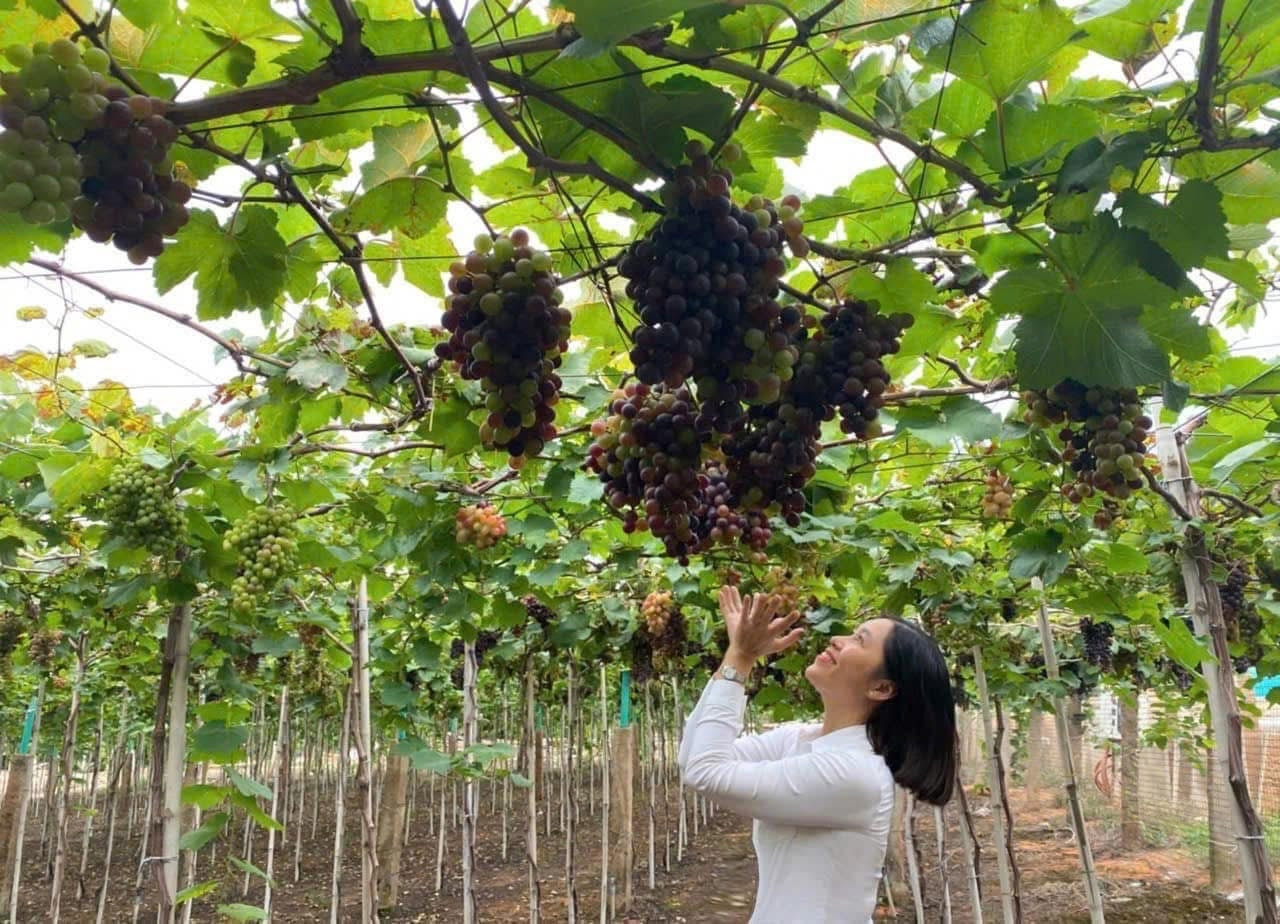
According to local travel agencies, domestic travelers increasingly prefer destinations with beautiful landscapes, fruit gardens, and tasty cuisine. While building attractions around flower fields and agricultural farms is not new in southeastern Lam Dong, most lose appeal over time due to a lack of novelty and limited supporting services.
The need for depth
Agricultural tourism has been encouraged by the province to utilize rural resources and improve farmers’ incomes. Creating popular rural attractions is positive progress, but that’s only the starting point. To ensure long-term sustainability, destinations must establish deeper, experience-based products tied to local culture and identity.
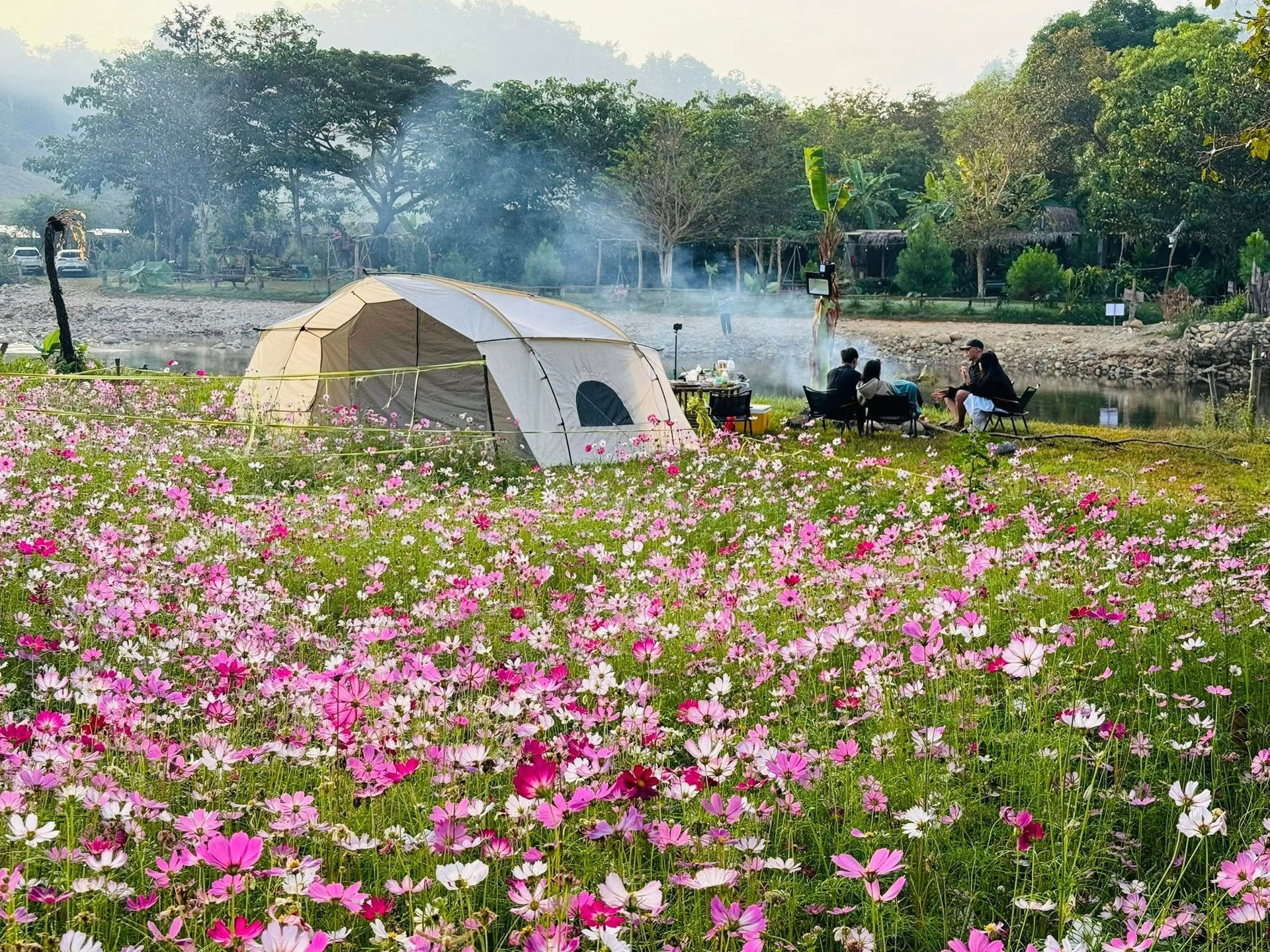
Nguyen Thi My Hanh from Phan Thiet Ward, who has visited many agricultural tourism sites, commented: “If a place only offers photo opportunities, people visit once and don’t return. Some sites miss opportunities by targeting low-budget markets and offering only simple food services.”
To remain successful, agricultural tourism requires collaboration with local authorities to build full “farm-to-table” experiences that tell authentic stories about local farming culture-motivating visitors to return.
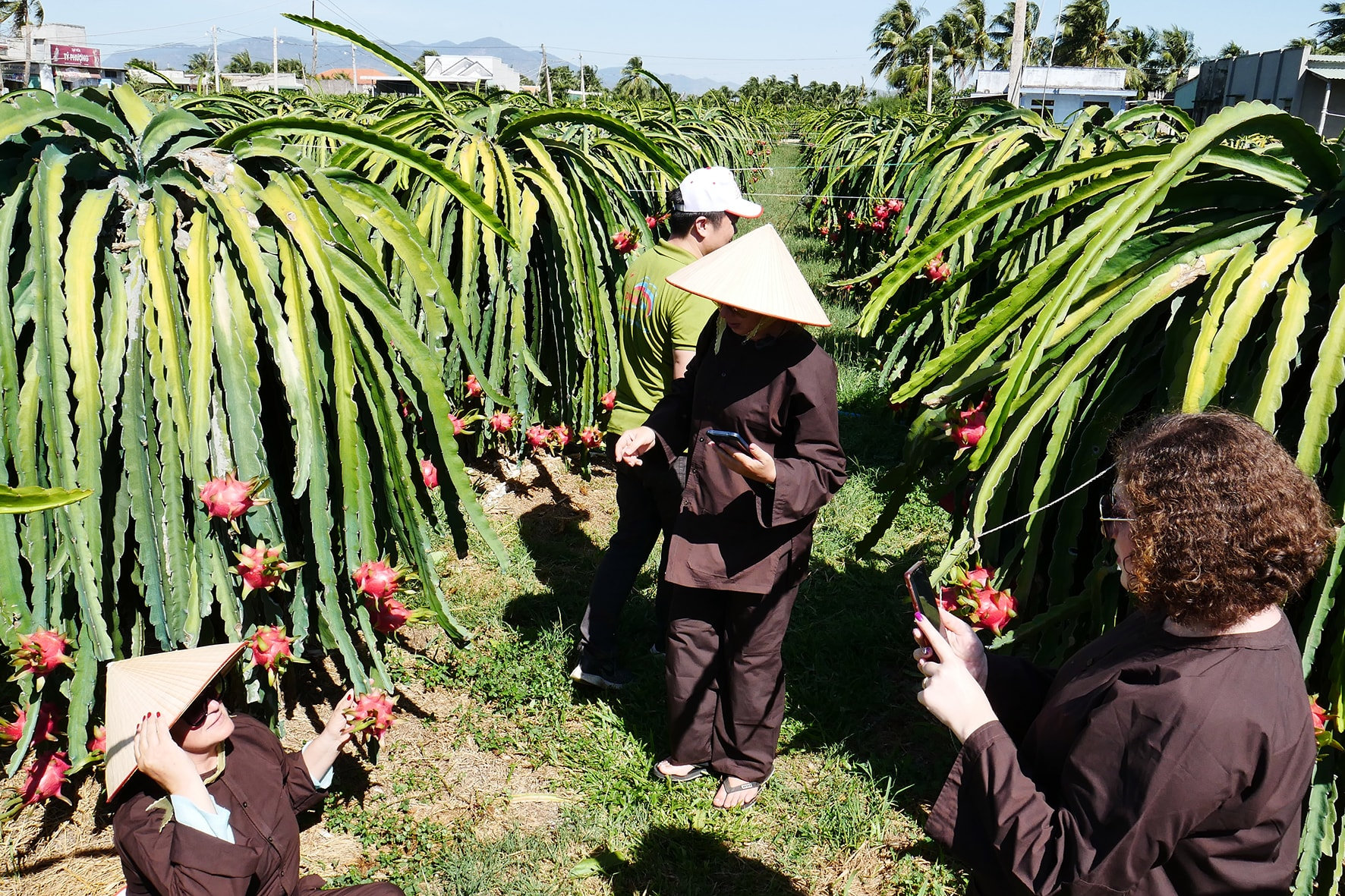
Local travel agencies note that many rural and orchard tourism models are still spontaneous and unprofessional. They remain small-scale and lack distinctive products tied to specific local advantages. With a well-planned approach that incorporates local cultural richness, the province’s agricultural tourism could reach a new level-bringing fresh energy and vitality to rural areas.
Currently, many southeastern localities are developing tourism linked to their unique local industries: Tanh Linh with cashews and snakehead fish; Lien Huong with grapes, La Gan chili, gum resin, and melons; and Duc Linh with activities around the production of green grapefruit and Romo durian production.