


Developing an industrial cluster from sorghum raw material zones
After just over two months of cultivation in Ham Liem, sweet sorghum has shown strong resilience to drought, opening up the prospect of a smart agro-industrial cluster that could produce everything from food to hydrogen fuel.
High-tech raw material zone and green energy potential
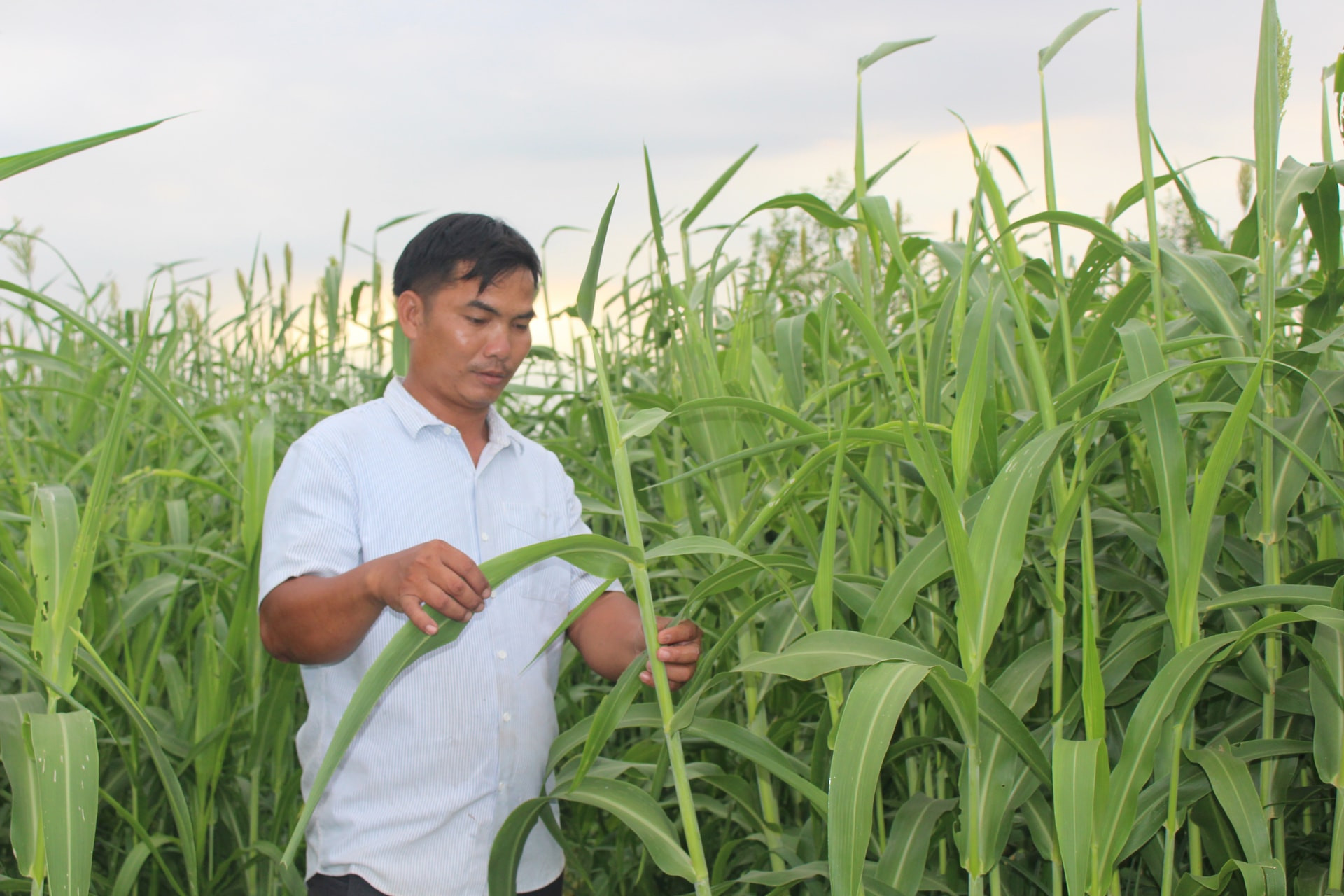
At the sorghum fields, rows of green crops stretch across the landscape, with plants at different growth stages thriving. Many plots are entering the flowering stage, with the first harvest expected in April. The project is being implemented by Ham Liem Commune authorities in partnership with QHC Global Group, aiming to develop a high-tech sorghum cultivation zone and a hydrogen value chain.
Mai Dung, an engineer overseeing the fields, said the crop grows quickly, tolerates drought and can regenerate after harvest.
“With a single planting, we can harvest up to four times a year. The entire process is fully mechanised, while drip irrigation systems allow precise control of fertiliser and moisture levels,” he noted.
The harvesting process is also designed to minimise waste. After cutting, specialised machinery prepares the soil for regrowth, while plant residues are recycled into organic fertiliser. Different parts of the plant are used for various purposes, including food products, animal feed and energy.
Plans for a smart agro-industrial cluster
Local authorities say the project is based on long-term cooperation with farmers, including land leasing agreements and job opportunities at processing facilities.
Pham Dinh Vuong, Vice Chairman of Ham Liem Commune, said the project is expected to create jobs, reduce unused farmland and increase local revenue. The development plan includes expanding the cultivation area from 50 hectares in the first phase to 500 hectares and eventually 2,000 hectares.
A first-phase processing plant has been completed and is set to begin operations. Authorities have proposed incorporating a smart high-tech agro-industrial cluster into provincial planning for 2026–2030.
The proposed cluster would attract investment in a wide range of products derived from sorghum, including beverages, sweeteners, processed foods, and bio-based materials such as hydrogen fuel, carbon products and advanced materials.
Officials say the project represents a strategic step towards linking agriculture with industry and energy production. They emphasise that cooperation between businesses and local farmers will be key to ensuring sustainable benefits for the community.
Sweet sorghum can be used to produce around 25 commercial products, including raw materials and high-tech products. These products and technologies serve multiple industries, creating a sustainable synergy across agriculture, industry and energy value chains.