


Developing Green Tourism from the Values of Sea and Forest
Blessed with stunning natural landscapes and rich cultural diversity, Lam Dong Province is accelerating efforts to tap into its sea and forest resources to build a green, creative, and interconnected tourism ecosystem — one that connects regions and reaches out internationally.
One Journey – Three Experiences
Home to 49 ethnic groups, Lam Dong boasts a wealth of cultural assets, including unique customs, architecture, and traditional festivals — forming a solid foundation for experiential tourism. The province currently possesses three national treasures, seven UNESCO-recognized heritages, 142 historical and cultural sites (including three special national relics, 57 national sites, and 82 provincial sites), along with ten national intangible cultural heritages.
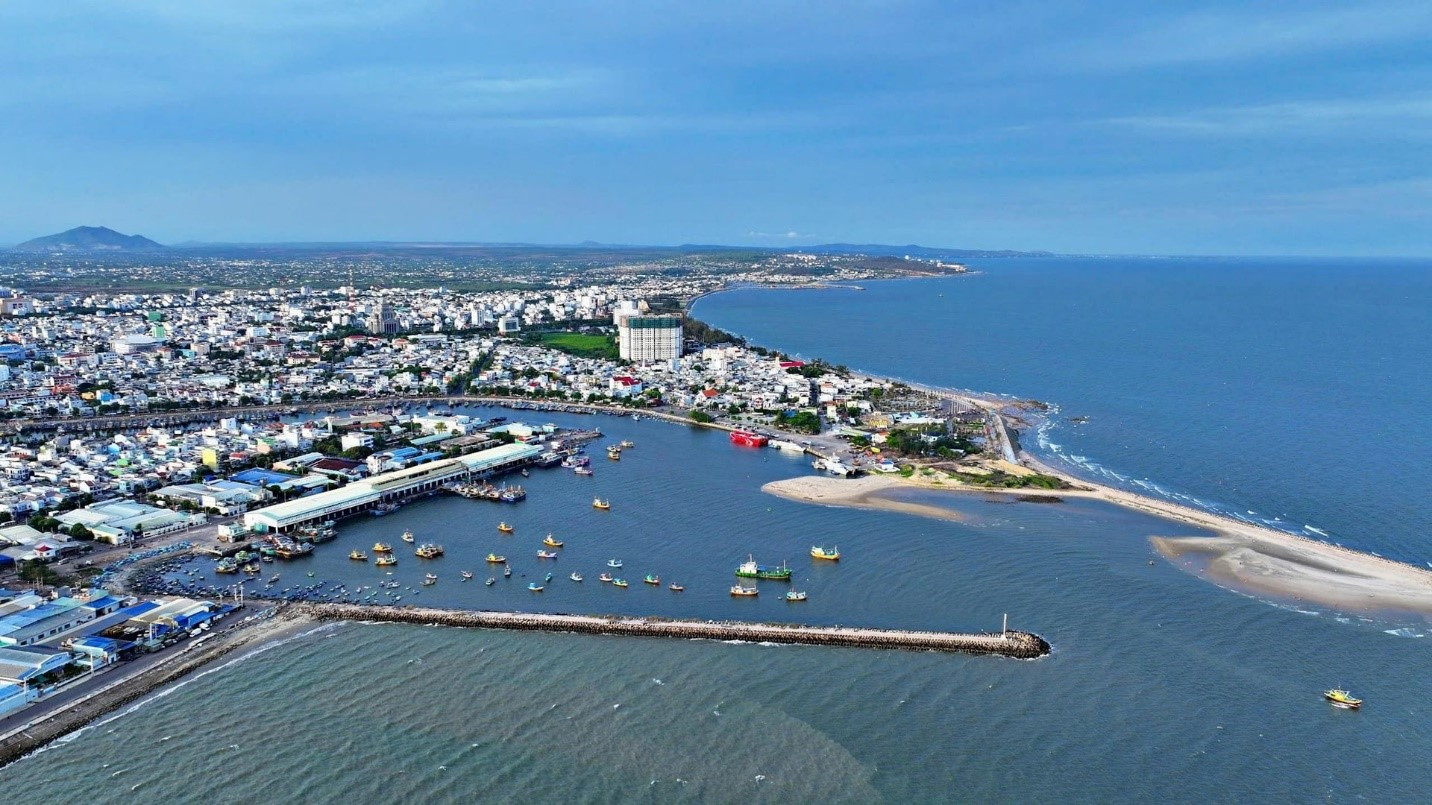
Photo : Le Thanh
According to Mr. Do Mot, Strategic Director of Ong Vang Marketing, Lam Dong’s tourism development is built on six core pillars: Repositioning the regional tourism brand, green tourism and ecological governance, multi-layered product and experience development, cultural and heritage preservation, digital transformation and smart management, nighttime economy and signature events
These pillars are the foundation for Lam Dong
to redefine its tourism strategy and create a sustainable value chain for the industryMr. Do Mot, Strategic Director of Ong Vang Marketing
The Lam Dong Tourism Association envisions an integrated model combining the province’s signature landscapes — blue seas, misty mountains, and lush forests — into a unified tourism route: “One journey – Three experiences” taking visitors from the sea to the mountains and through the forests with completely different emotions. Experts agree that to shape a “new Lam Dong” — a green, creative, distinctive and well-connected destination — the province must first address the challenges of each destination, while ensuring sustainable development that appeals to both domestic and international travelers.
Mr. Do Mot believes that for Lam Dong's tourism to develop sustainably, regional collaboration must be intensified, and repositioning should focus on developing green tourism and localized experiences.”
“In the face of increasing competition among destinations, if we do not quickly redefine our strategy, Lam Dong will gradually lose market share to provinces such as Khanh Hoa, Gia Lai, and Dak Lak, which are leading in trends of green tourism and localized experiences,” he remarked.
He proposed developing inter-regional routes linking the sea, mountains, and forests — creating a chain of complementary destinations that avoid duplication, enhance visitor experiences, and extend their stays. “A journey from the blue sea to the vast forest not only elevates tourist experiences but also contributes to nature conservation, spreads local culture, and reinforces Lam Dong’s position on both the national and international tourism map,” he emphasized.
Each Locality Plays a Role in Regional Connectivity
Within this inter-regional network, each locality holds a distinct role and development orientation:
Mui Ne is positioned as the “capital of the blue sea and dynamism,” serving as the coastal resort hub and starting point of the journey. Its key offerings include beach resorts and villas, complemented by marine sports (kitesurfing, surfing), seafood cuisine, fishing village experiences, green energy initiatives, and creative cultural products.
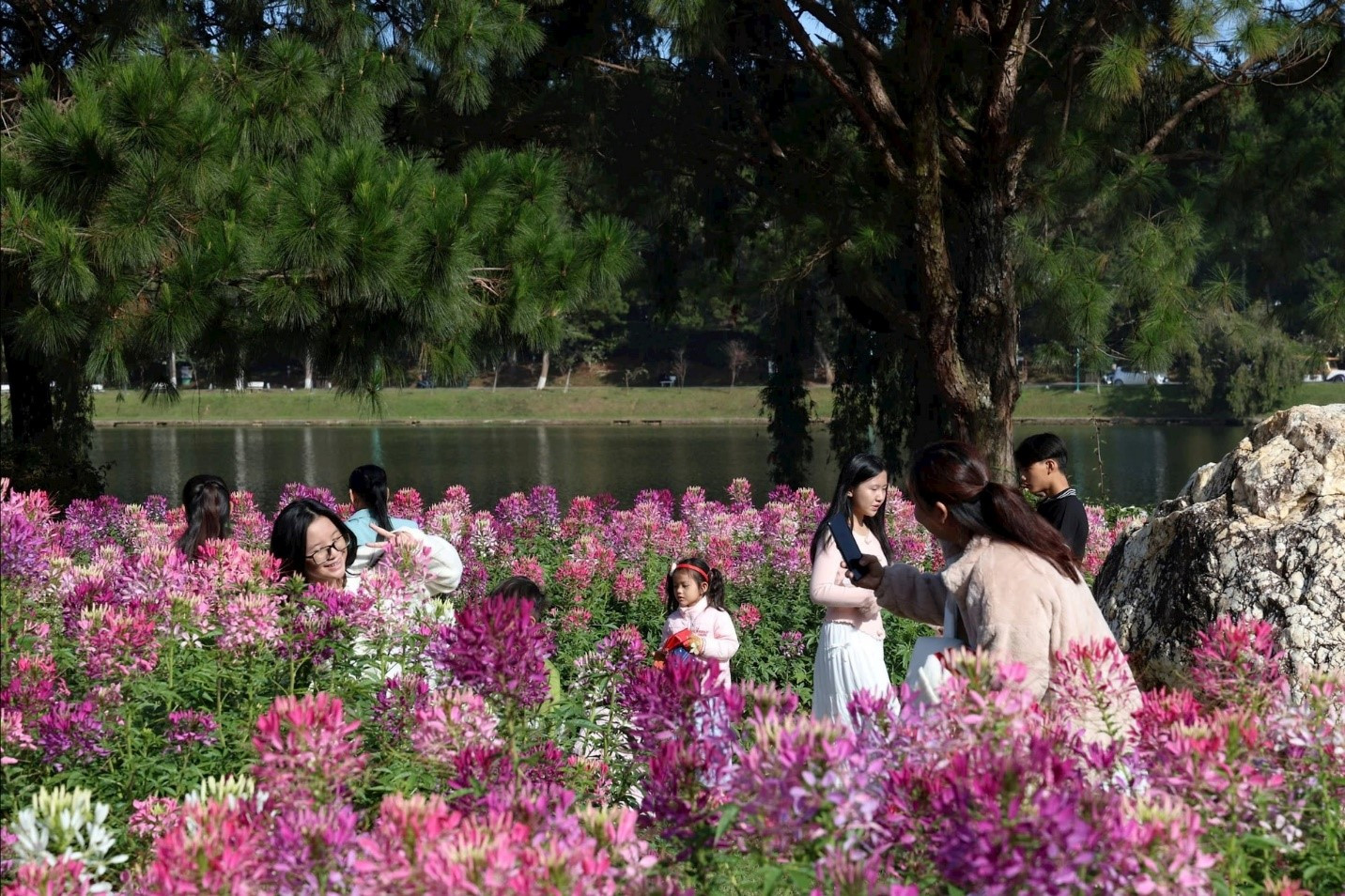
Da Lat, known as a green and creative highland retreat, offers a cool climate, stunning nature, and a slow-paced lifestyle. Its main products include resorts, wellness retreats, farmstays, and eco-tourism. Supporting experiences range from music and flower streets to street art and cultural programs inspired by K’ho and Lach ethnic heritage. As a transitional stop between sea and forest, Da Lat provides both natural tranquility and vibrant cultural contrast.
The western region of Lam Dong, representing the great forest experience, is characterized by global geological heritage and iconic landmarks such as Ta Dung Lake — often called “Ha Long Bay of the Central Highlands” — and the Dak Nong UNESCO Global Geopark. With its pristine landscapes and authentic ethnic culture, Dak Nong serves as the journey’s finale, leaving visitors with profound and lasting impressions.
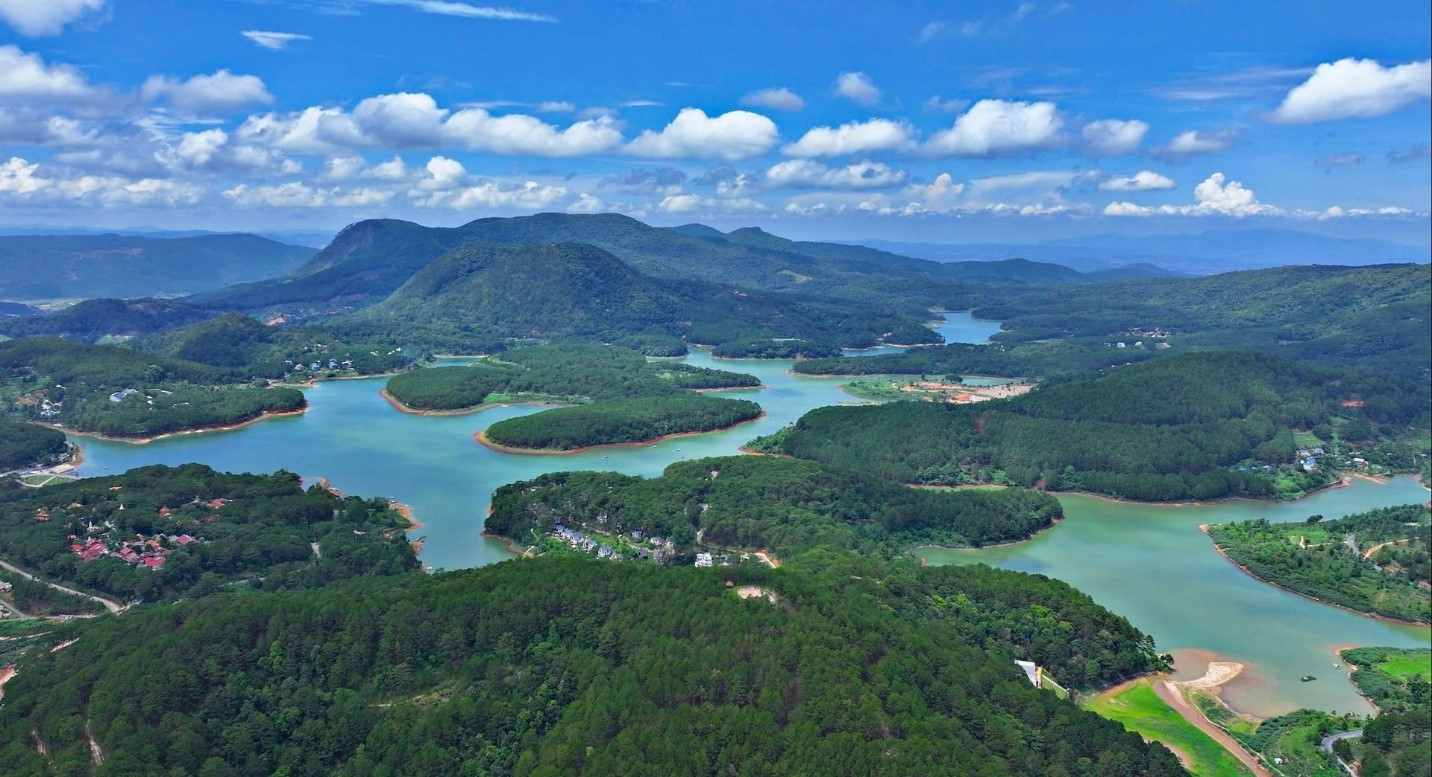
Photo : Le Thanh
Turning Tourism into a Key Economic Sector
According to the Lam Dong provincial plan for the period 2021-2030, with a vision towards 2050, tourism is identified as a key economic sector linked to the preservation of cultural heritage, natural resources, and promoting regional connectivity and international integration. By 2035, Lam Dong aims to become one of Southeast Asia’s premier destinations for luxury eco-tourism and wellness retreats — celebrated for its pristine nature, vibrant ethnic culture, and sustainable green experiences. According to Mr. Nguyen Van Loc, Director of the Lam Dong Department of Culture, Sports and Tourism: “Tourism is one of Lam Dong’s three key economic pillars alongside high-tech agriculture and modern industry-construction. The province will strengthen regional linkages, attract investment, promote public–private partnerships, and encourage businesses and communities to participate in developing tourism products and services.”
To realize its potential and strengths, Lam Dong aims to diversify its tourism offerings, including marine and island tourism, agricultural tourism, ecological tourism, cultural-heritage tourism, community tourism, adventure sports, and cave exploration. Additionally, it will enhance efforts to attract capable investors for large-scale, high-quality tourism complexes. The transportation and tourism infrastructure system will also receive prioritized investments to facilitate convenient connections to key tourist destinations within and outside the province.
“Lam Dong will focus on developing new tourism products, expanding tour routes, mobilizing investment resources, and fostering strong partnerships with enterprises and local communities — with the goal of establishing Lam Dong as a leading green, sustainable, and attractive tourism center in Vietnam and beyond,” Mr. Nguyen Van Loc emphasized.
From 2021 to 2025, Lam Dong has 4,217 accommodation facilities offering 66,185 rooms, including 1,382 hotels (1–5 stars) with 20,301 rooms. The province is home to 99 tourist sites and attractions, 30 of which are officially recognized by the provincial people's committee (including two national tourism zones, four provincial-level tourism zones, and 24 certified sites). Between 2021 and 2025, Lam Dong is expected to welcome nearly 78.7 million visitors, including 3.24 million international travelers, achieving an average annual growth rate of 24.44% in tourist arrivals.