


Developing logistics infrastructure to enhance agricultural product value
Lam Dong Province has a large and diverse raw material base, with key export commodities including coffee, durian, dragon fruit, and seafood. However, its logistics infrastructure remains underdeveloped and has yet to be closely integrated with the deep processing of export-oriented agricultural products.
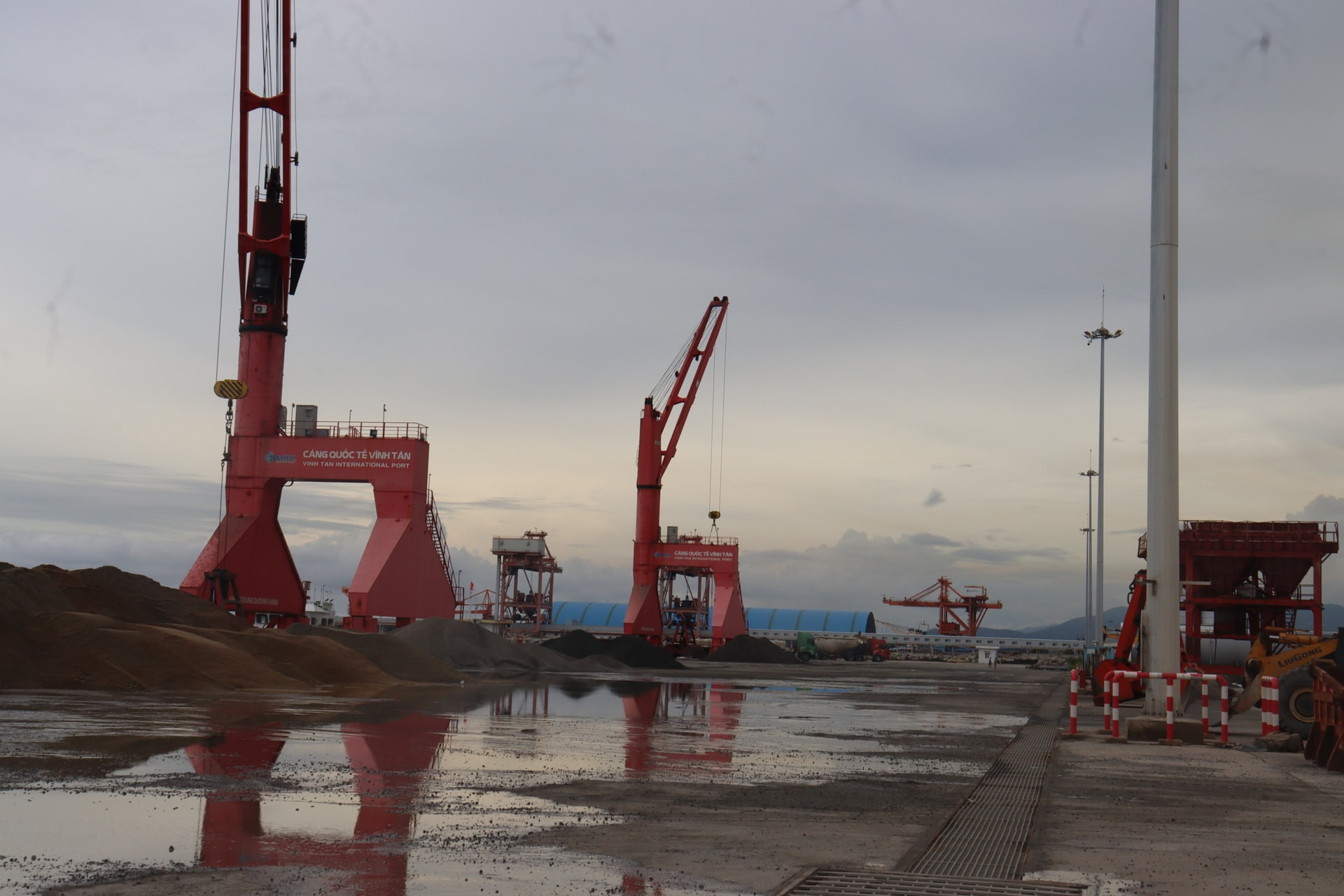
High costs due to an underdeveloped logistics infrastructure
“Lam Dong’s dragon fruit, durian, and vegetables are among the country’s leading export products, primarily shipped fresh to China by road—a process that requires high-standard cold chain logistics.
In addition, the province produces large volumes of industrial crops such as coffee, pepper, and cashews, most of which are still exported in raw form. Meanwhile, the local seafood sector is gradually gaining access to high-end markets such as the EU, the US, and Japan, where traceability and food safety standards are particularly stringent.
However, the province’s logistics infrastructure remains underdeveloped and insufficiently connected to the deep processing of export-oriented agricultural products. In addition, Lam Dong’s agricultural exports still rely on ports outside the province, while the lack of inland container depots (ICDs) and bonded warehouses has led to a high level of entrusted exports. In particular, the cold-chain logistics system remains weak, and no large-scale trade, logistics and service centre has yet been established to meet current development needs.
According to the Department of Agriculture and Rural Development, the absence of an ICD system makes the transport of export goods from Lam Dong to seaports more time-consuming and costly, while increasing the risk of post-harvest losses. At the same time, the cold-chain system has yet to meet the requirements for fresh produce, seafood, and fruit exported through official channels. Furthermore, most logistics services are currently provided by companies based outside the province, significantly driving up costs. During peak harvest seasons, shortages of vehicles and shipping containers are common.
Developing logistics as a key infrastructure service sector
For that reason, it is essential to guide the development of logistics infrastructure in Lam Dong to better support the production, processing, and distribution of the province’s key agricultural products. In particular, the logistics sector should be developed in a modern and synchronized manner, closely aligned with transport planning, trade infrastructure, and concentrated production zones.
At the same time, the province should prioritize the establishment and operation of key logistics hubs and regional inland container depots (ICDs) along national highways, economic corridors, and routes to major seaports in support of import and export activities.
Priority should also be given to investing in cold storage, preservation, packaging, and traceability systems to reduce post-harvest losses and improve the quality of exported agricultural products. Alongside encouraging private investment and attracting professional logistics enterprises, the province is also promoting green logistics, energy efficiency, and the application of digital technologies.
Recently, the provincial People’s Committee issued a development plan for agricultural and OCOP product markets in conjunction with brand promotion, high-tech application, and digital transformation for the 2026–2030 period.
One of the key solutions is to develop logistics in support of the sustainable and modern consumption and export of agricultural products, while stepping up efforts to expand key export markets. Accordingly, the province will strengthen linkages between agricultural logistics and the inter-regional transport network, seaports, airports, border gates, and major commodity production zones.
Under this orientation, Lam Dong aims to develop logistics as a key infrastructure service sector that directly supports high-tech agriculture, the processing industry, trade, exports, and tourism. In the agricultural sector, priority will be given to establishing a modern and synchronized logistics system that plays a crucial role in enhancing product value, boosting direct exports, and retaining more added value within the province.