


Developing the Processing Industry and Enhancing the Value of Vegetables and Fruits in Lam Dong
Targeting a 30% processing rate for its fruit and vegetable output by 2030, Lam Dong Province is focusing on developing a modern processing industry to enhance agricultural value and reduce post-harvest losses.
.jpg)
Developing Raw Material Areas Linked with Processing
As a region excelling in high-tech agriculture, Lam Dong is working to finalize its agricultural value chain from production to consumption, with vegetable and crop processing recognized as a vital step to boost added value and minimize market risks.
The province currently has approximately 508 facilities for preliminary processing and packaging of agricultural products, with an overall capacity of nearly 1.53 million tons annually. In the first quarter of 2026, processed fruit and vegetable products accounted for around 24.4% of the province’s total agricultural output.
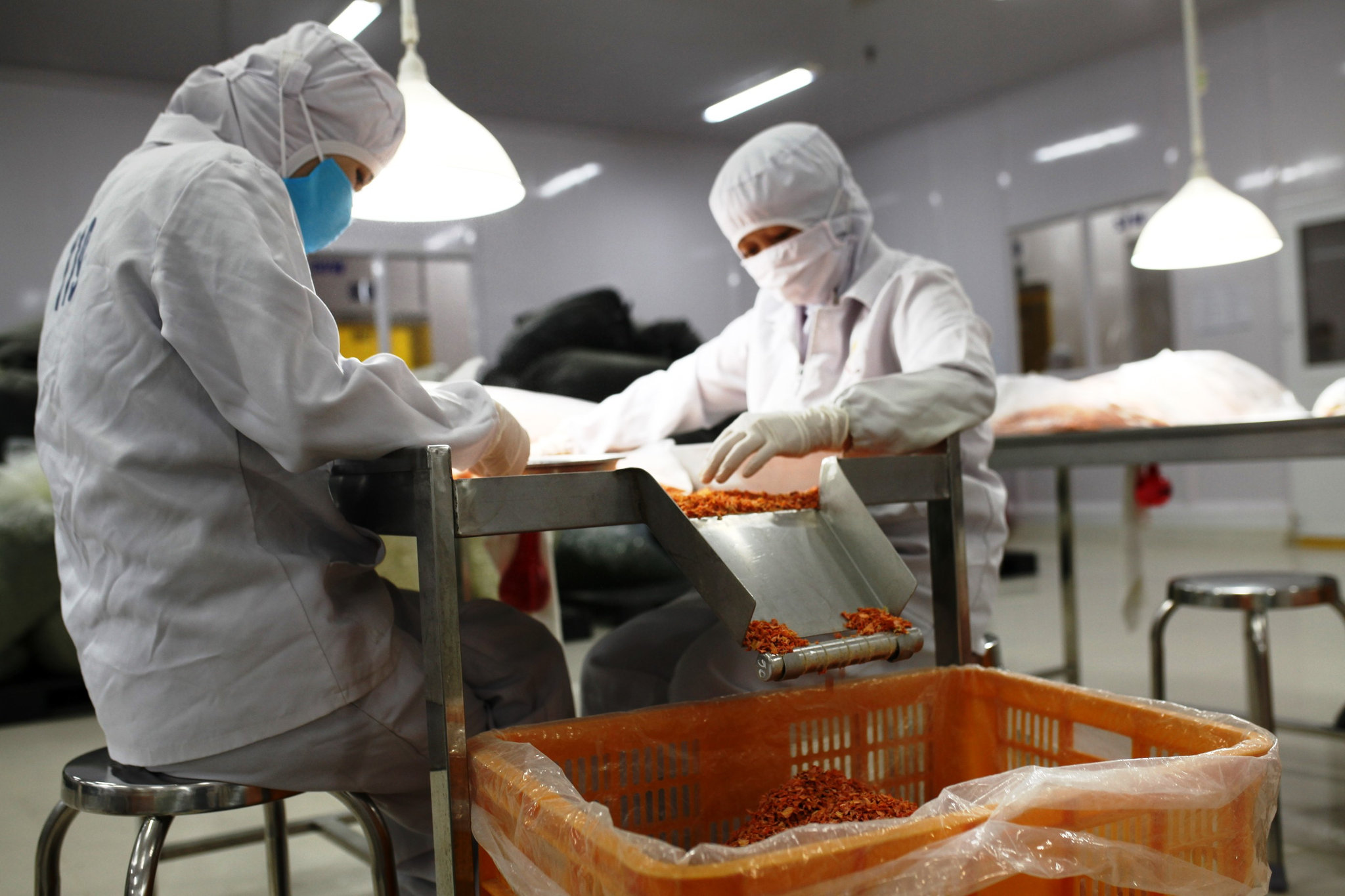
Many companies have invested in modern production lines and adopted advanced technologies in preliminary processing, packaging, preservation, and processing. These efforts have improved product quality, extended shelf life and helped local agricultural products meet increasingly stringent market requirements.
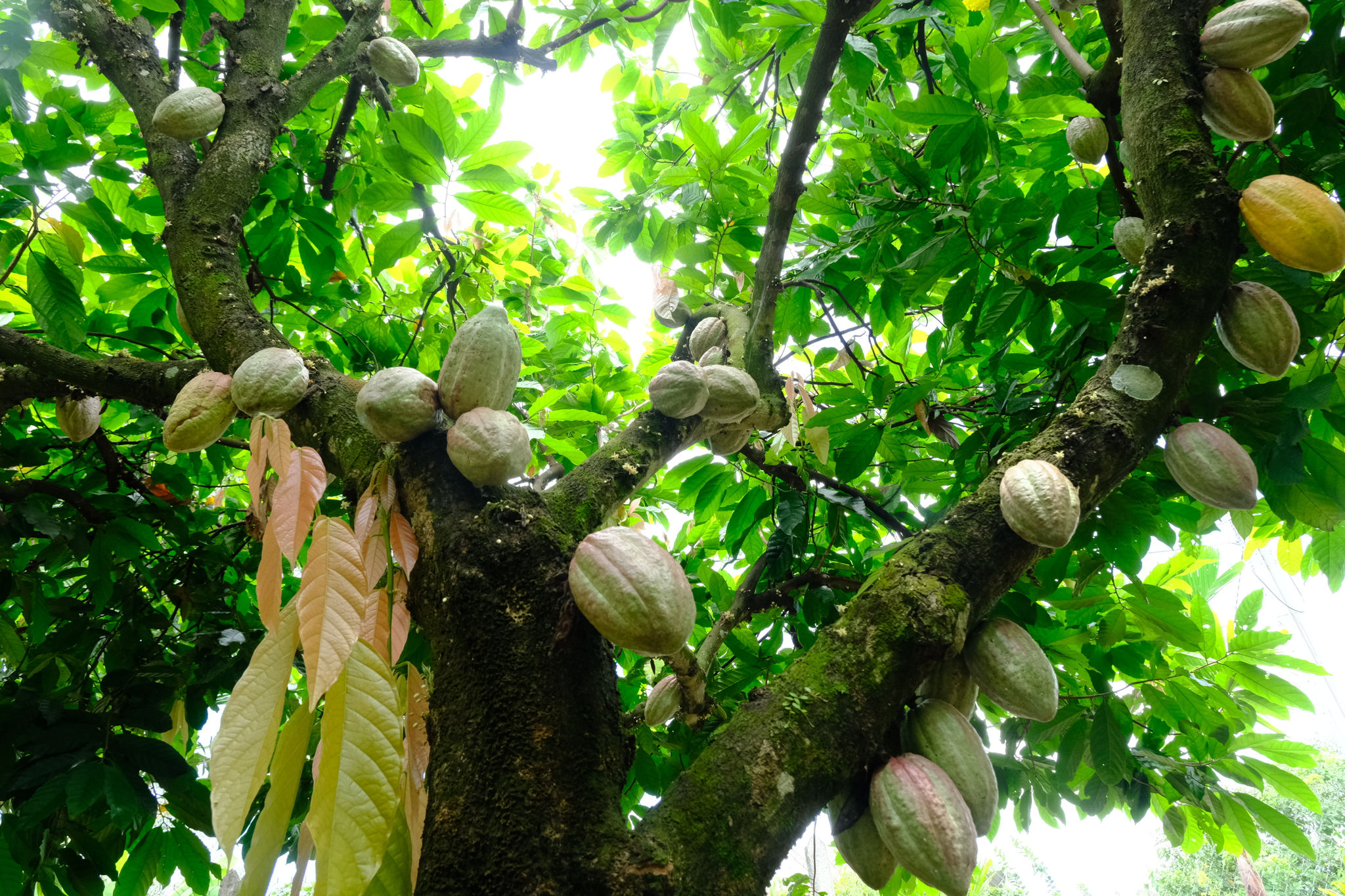
Vu Dinh Cuong, Deputy Director of the Department of Agriculture and Environment, stated that the province has recently formulated a development plan for vegetable and fruit processing for the period from 2026 to 2030, with the goal of positioning the processing industry as a vital component of the agricultural economy, effectively connecting raw material production areas, the processing sector, and consumer markets.
According to this plan, by 2030, the vegetable and fruit processing industry is anticipated to achieve an annual growth rate of added value between 8–10%; processed fruits and vegetables are expected to represent approximately 30% of total production; and post-harvest losses are projected to reduce by over 1% each year.
At the same time, over 70% of processing, preservation, and preliminary processing facilities are expected to reach advanced technological levels; more than 70% of facilities will apply quality and food safety management systems such as HACCP, ISO 22000 or equivalent.
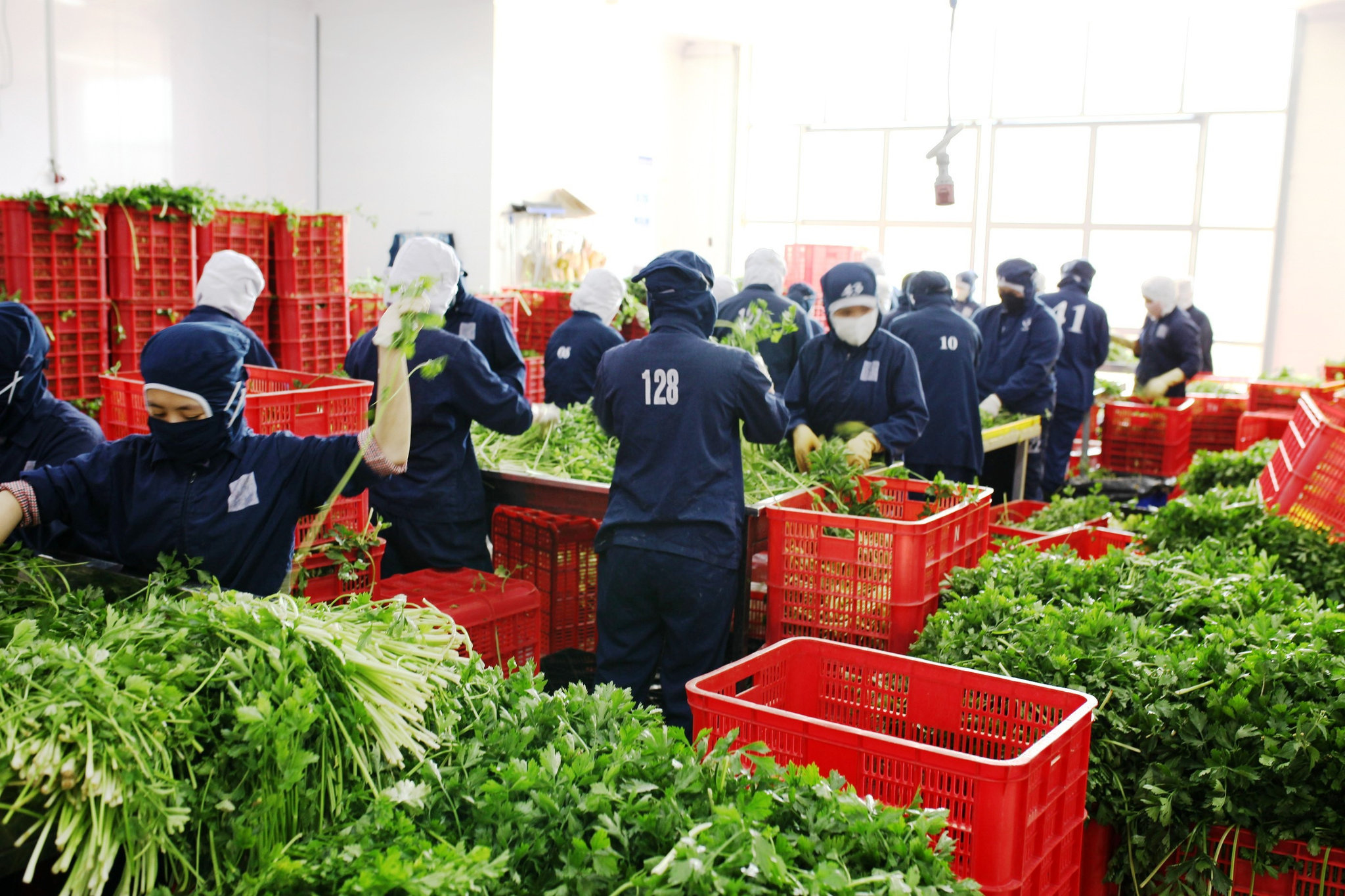
In order to meet these objectives, the province is prioritizing the establishment of stable raw material regions for processing. High-tech vegetable cultivation areas will continue to be upheld in Da Lat, Duc Trong, and Don Duong. Moreover, fruit-growing regions in Bao Loc, Di Linh, and western Lam Dong will be organized into concentrated, large-scale production areas to satisfy both the quantity and quality requirements of raw materials for processing.
The promotion of advanced production standards such as VietGAP, GlobalGAP, organic farming, traceability systems, planting area codes, and packaging facility codes is also underway to enhance access to export markets.
Prioritizing Deep Processing and Expanding Consumption Markets
Alongside raw material development, Lam Dong identifies attracting investment in deep processing as a key solution to increasing agricultural value.
.jpg)
Based on the direction of the province, products that will be prioritized for processing include frozen vegetables, dehydrated fruits and vegetables, fruit juices, processed foods made from agricultural products, and extract-based items for the food, pharmaceutical, and cosmetic sectors.
Modern technologies such as rapid freezing, freeze-drying, cold drying, puree creation, and concentrated juice production will be promoted extensively.
Additionally, the province plans to assess and allocate land resources in industrial parks, clusters, and designated production areas to draw in large-scale processing projects. Projects that utilize advanced technology, sustainable practices, and strong links to raw material areas will be prioritized for investment promotion.
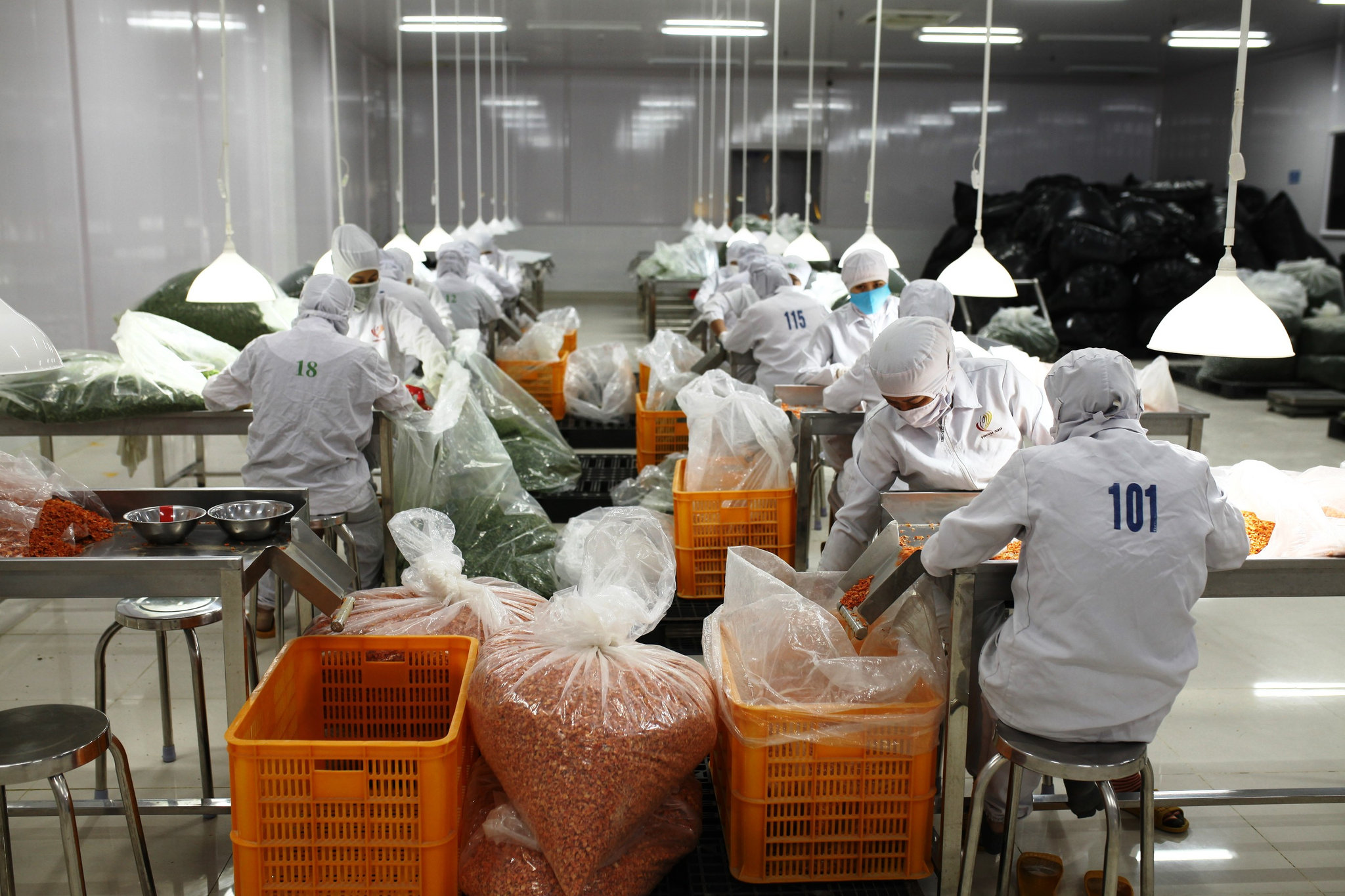
Furthermore, creating logistics and systems for post-harvest preservation is viewed as a vital component of the agricultural value chain.
During the 2026–2030 period, the province intends to set up 10–20 initial processing facilities, cold storage units, and packaging centers in key raw material regions. This initiative will help reduce post-harvest losses, maintain product quality, and enhance processing effectiveness.
Efforts for trade promotion and market development are also being intensified. Lam Dong has issued a plan to develop markets for agricultural and OCOP products, focusing on branding, high-tech utilization, and digital transformation for the 2026–2030 period.
E-commerce remains effective, as the province’s agricultural information portal has facilitated support for around 900 production and business entities, with over 2,000 products being introduced and linked to consumers.
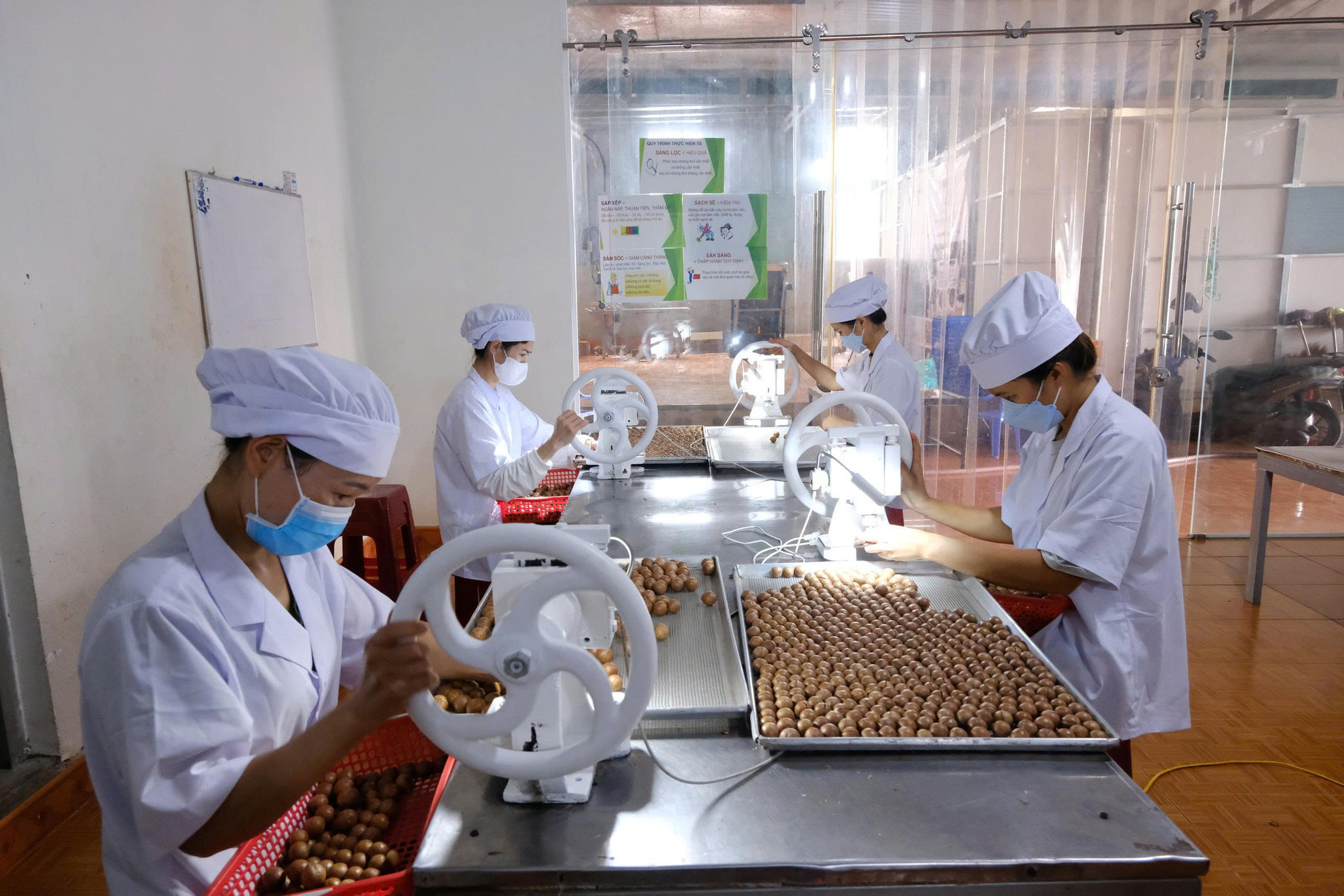
For international markets, Lam Dong concentrates on key targets like China, the European Union (EU), the United States, Japan, and South Korea. Processed fruit and vegetable goods are designed to fully comply with plant quarantine, food safety, traceability, and technical standards for each respective market.
Specifically, digital transformation is recognized as a crucial catalyst for the agricultural processing industry. The province will encourage the use of advanced technologies such as the Internet of Things (IoT) and blockchain in managing raw materials, ensuring traceability, controlling quality, and overseeing supply chain management.
With a synchronized development orientation from raw material areas to processing and consumption markets, Lam Dong expects to enhance agricultural value, improve competitiveness, and promote sustainable agricultural development.