


Developing the sports economy in association with tourism
Widely known as a resort destination blessed with a mild climate and stunning natural landscapes, Lam Dong is now pivoting toward the sports economy. By integrating sports with tourism, the province aims to fully leverage its potential and competitive advantages.
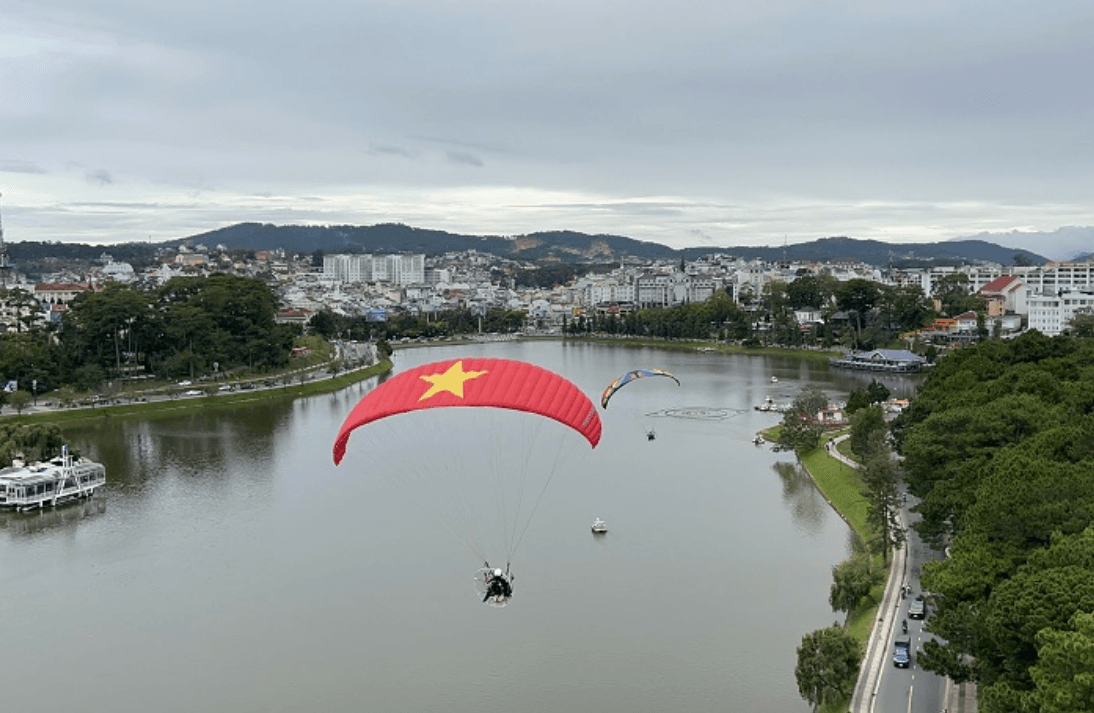
From mass-participation events and adventure sports to elite competitions and daily fitness activities enjoyed by tourists, sports are making a positive contribution to tourism development.
Turning sports into a tourism product
While sports tourism is a well-established concept, Lam Dong Province is taking a broader, more versatile approach. No longer confined to adrenaline-pumping pursuits like canyoning, paragliding, or horse racing, the province now embraces a wider spectrum of activities—from tranquil morning cycles around Xuan Huong Lake to high-stakes trail runs and golf tournaments integrated into extended holidays.
Each sporting event attracts a large number of athletes, supporters, family members, and friends who come to cheer, relax, and experience local services. This group of visitors typically stays longer, spends more, and has more diverse needs—from accommodation and dining to shopping and sightseeing.
From a state management perspective, investment in sports infrastructure, stadiums, arenas, training facilities, and event organization not only serves health improvement and performance goals but also creates jobs, stimulates tourism services, and enhances community well-being. When professionally organized and operated, sports generate clear economic value.
In 2025, Lam Dong’s tourism sector demonstrated strong growth, welcoming 20.768 million visitors (an increase of 18.1% year-on-year), including an estimated 1.287 million international arrivals. Total visitor days reached 38.18 million, with tourism revenue hitting VND 56.8 trillion.
The province currently has 4,234 accommodation establishments offering 66,846 rooms, including 110 three- to five-star hotels, along with an increasingly professional system of travel agencies, tour guides, and tourist attractions. This provides a solid foundation for professionalizing sports tourism, diversifying products, and extending visitor stays.
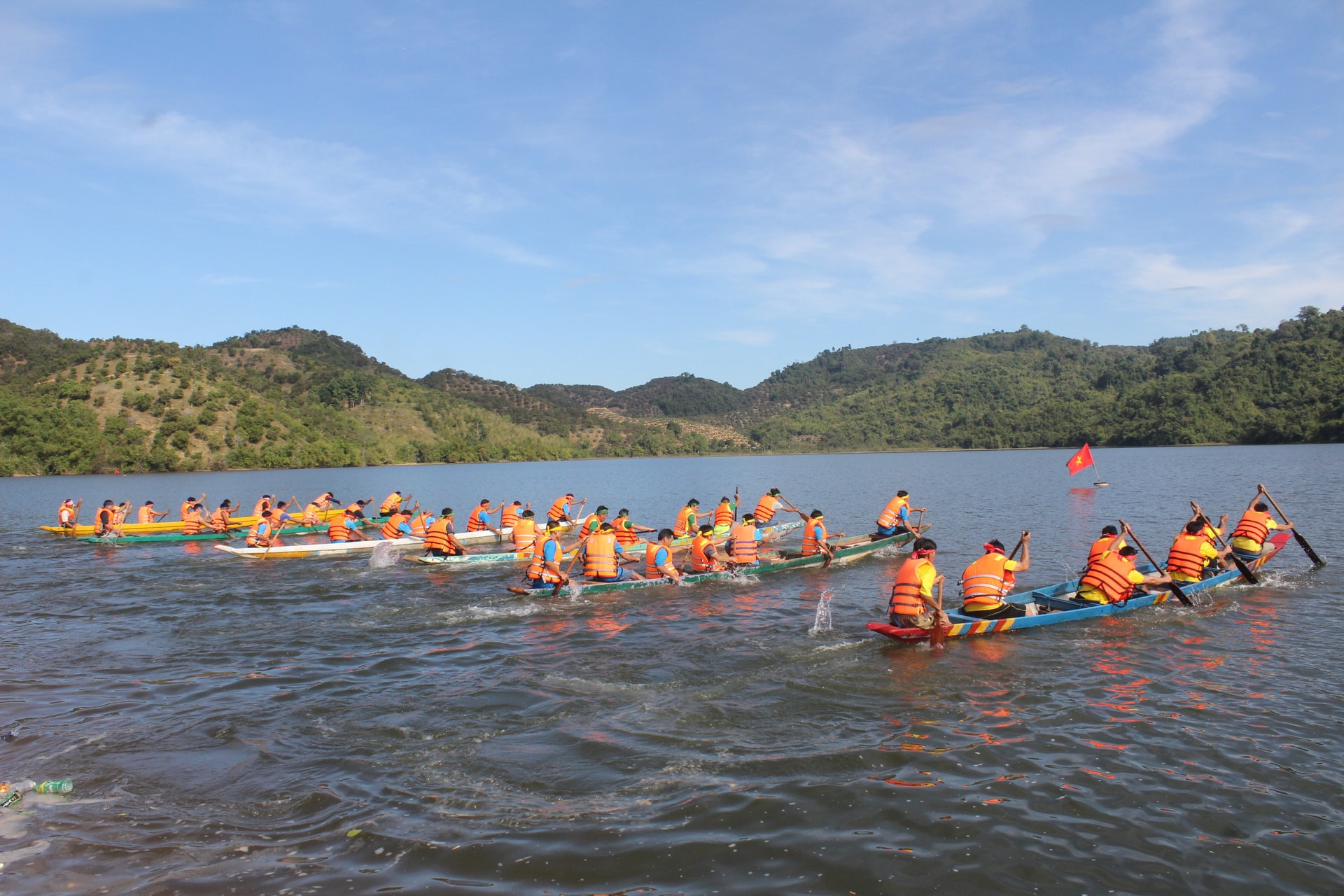
The province is also promoting digital transformation in culture, sports, and tourism; attracting investment; maximizing its advantages; and building the Lam Dong tourism brand associated with “thousands of flowers,” “blue seas,” and “vast highlands,” while addressing bottlenecks in agricultural tourism and water-based tourism on irrigation lakes.
Sports as a new economic driver
Mr. Nguyen Van Loc, Director of the Department of Culture, Sports and Tourism, emphasized “Developing the sports economy in association with tourism is a direction that enables Lam Dong to better capitalize on its unique advantages in climate, terrain, landscape, and human resources. If sporting activities, from grassroots movements to elite competitions, are well organized, the province will create distinctive and highly competitive tourism products.”
When every citizen engages in physical exercise and every sporting event is connected with tourism and culture, sports become not merely a movement or a record of achievements, but a truly important economic driver for Lam Dong.
Mr. Nguyen Van Loc, Director of the Department of Culture, Sports and Tourism
Sports are not only for athletes or locals but also for tourists. A professionally organized running race, cycling event, golf tournament, or trail competition can attract thousands of participants and companions, who are high-quality visitors with strong spending capacity and a strong connection to the destination.
Alongside sports tourism, the “Sport for All” movement in Lam Dong continues to grow. In 2025, 35% of the population engaged in regular physical exercise, 26% of families practiced sports regularly, and around 1,500 grassroots sports clubs remained active.
The campaign “All People Exercise Following the Great Example of President Ho Chi Minh” has been widely implemented and linked to major events such as the Olympic Run Day for Public Health, cross-country races, and sports festivals. These mass movements not only improve community health but also create strong demand for sports-tourism services, including facilities, coaching, equipment, and event organization.
At the same time, Lam Dong’s high-performance sports sector continues to make its mark. During the 2021-2025 period, the province won over 2,000 medals. In 2025 alone, provincial teams participated in 136 national, regional, and international competitions, securing 773 medals, including 52 international medals.
Following the merger of three provinces, the expanded scale and potential have allowed the locality to allocate resources more effectively, prioritize key sports, advance sports science, and increase socialization, thereby implementing measures to improve quality and strengthen Lâm Đồng’s brand through elite sports achievements.
.jpg)
Connecting tours for sports-tourism development
Along with the construction of a National Sports Training Center covering 85 hectares in the Lang Biang - Da Lat ward, featuring a stadium, sports complex, cultural park, and entertainment zone, tourism routes are being reorganized into integrated circuits within the province: from the sea to flower fields, to the vast highlands, and along the 141-kilometer border with forests, waterfalls, and streams. These connections form a strong foundation for sports-economic development.
At the same time, Lam Dong is expanding domestic and international tour linkages beyond the central area, laying the groundwork for sustainable development across the sports, culture, and tourism sectors.
In the coming years, the province will continue to promote socialization in sports investment, organize competitions, and develop recreational and adventure sports suited to each microclimate zone, aiming to further strengthen the sports economy. Developing the sports economy in association with tourism also represents a harmonious integration of cultural preservation, cultural industry development, distinctive destination branding, and improved quality of life for local residents.