


Developing Tourism and Services in the Digital Environment
Built on digital platforms and population data systems, the implementation of tourism and service models in the digital environment is helping promote tourism, OCOP products and local specialties. At the same time, it supports residents in applying population data and electronic identification tools to develop household economies and participate in the digital economy.
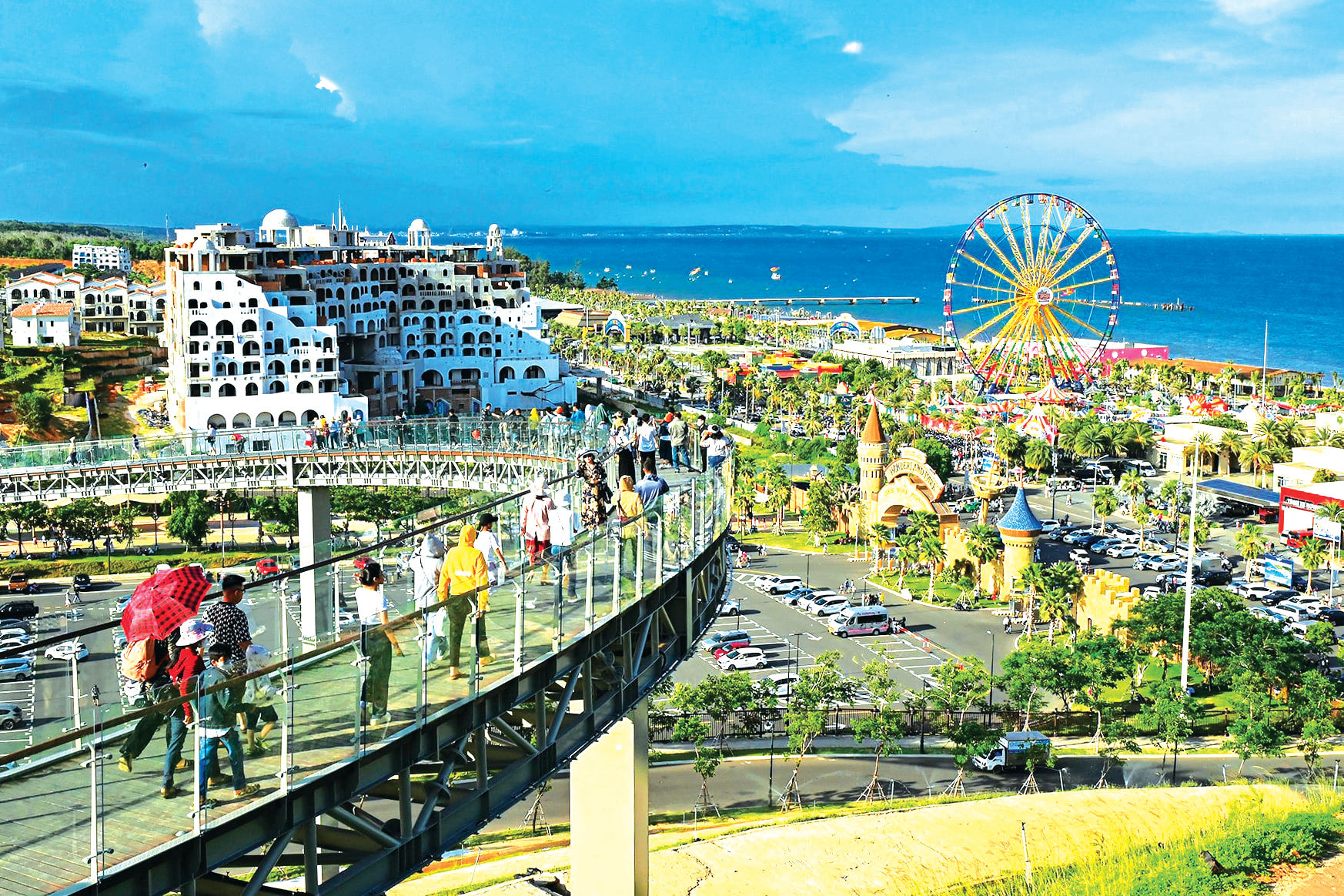
Promoting Tourism Through Digital Platforms
The implementation of Model No. 22 under Project 06 — Developing Tourism in Association with Regional Specialty Products while Supporting Citizens in Utilizing Population Data and Electronic Identification for Household Economic Development and the Digital Economy — has begun to deliver encouraging initial results.
According to the Department of Culture, Sports and Tourism, the sector has collaborated with relevant agencies to produce articles, photographs and video content introducing local specialties and distinctive tourism services from different localities.
These materials are being published in the Culture and Tourism section of the VNeID application. At the same time, a dedicated tourism promotion portal on the Lam Dong Digital Citizen application is gradually taking shape.
To date, the province’s smart tourism system has integrated data from 1,636 accommodation establishments, 866 food and beverage venues, 155 tourist attractions, 105 shopping destinations, 598 entertainment venues and 644 public utility locations. These figures demonstrate the steady progress of tourism data digitization, laying an important foundation for the development of smart tourism in the years ahead.
Tran Dinh Tung, Deputy Chief of Office of the Department of Culture, Sports and Tourism, said that Model No. 22 has been identified as a key initiative in advancing digital transformation within the tourism sector. Bringing tourism information and local specialty products onto digital platforms not only expands promotional opportunities but also helps residents and businesses gradually engage with the digital economy.
Unlike traditional promotional methods, which are constrained by time and geography, digital platforms enable information to spread more rapidly, reach broader audiences and reduce promotional costs. They also provide a foundation for building a comprehensive digital tourism ecosystem in the future.

Businesses Proactively Embrace Digital Transformation
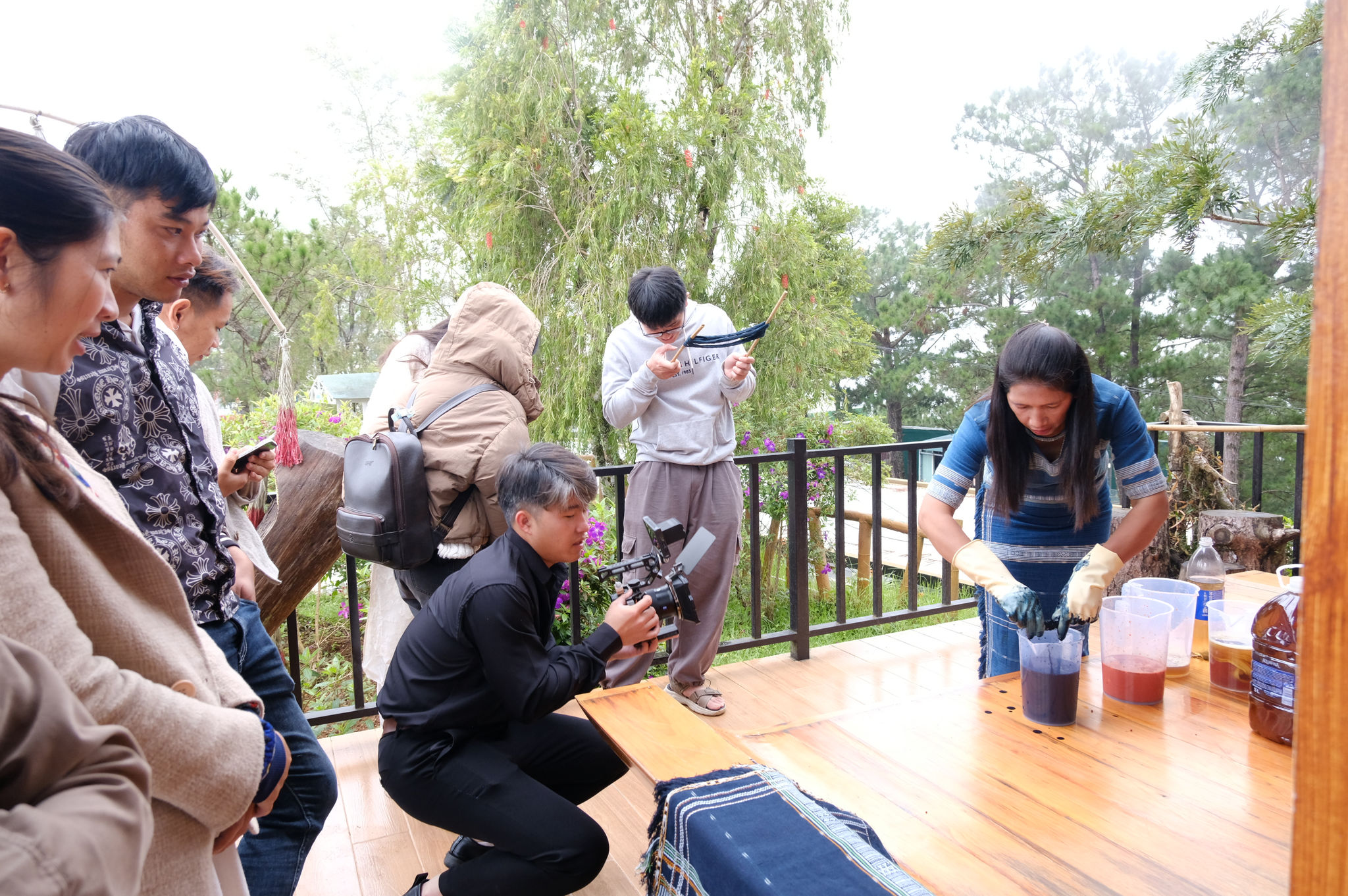
Since its establishment, Dalavi Co., Ltd. has viewed the digital environment as one of its most important channels for product promotion and market expansion.
Today’s travelers seek more than sightseeing experiences; they are increasingly interested in discovering local culture, regional specialties and authentic community experiences.
Nguyen Thi Men, Director of Dalavi Co., Ltd.
The gradual integration of tourism and specialty-product information into provincial digital platforms and the VNeID application therefore provides businesses with a trusted channel to strengthen customer confidence and enhance brand credibility. It also allows enterprises to tell their brand stories in a more vivid and engaging way while elevating the value of Da Lat specialties on the digital tourism map.
Beyond promotional benefits, digital transformation is also reshaping tourism operations. Many accommodation providers and tourism destinations across Lam Dong have begun adopting digital platforms for customer management, online booking, electronic payments and social media communication. The integration of tourism data also provides management agencies with additional tools to monitor, compile and analyze tourism activities more effectively.
However, the implementation of Model No. 22 still faces several challenges. Encouraging users to access tourism information through the VNeID application remains difficult due to multiple verification procedures.
In addition, some platforms have yet to be fully integrated, content updates are occasionally delayed, and digital skills related to technology adoption, online promotion and data utilization remain limited in many localities, particularly in rural areas and among small household businesses.
Despite these challenges, the model is considered well aligned with the broader trend of digital transformation in tourism. The Department of Culture, Sports and Tourism has proposed maintaining and expanding the model throughout the 2026–2030 period. The department also plans to broaden promotional content and integrate additional OCOP products and signature tourism offerings into digital platforms.
Strengthening cooperation among government agencies, local authorities and businesses is regarded as a key solution to improving data utilization and gradually building a comprehensive digital tourism ecosystem across the province.
Currently, the provincial smart tourism system contains data from 1,636 accommodation establishments, 866 food-service businesses, 155 tourist sites, 105 shopping locations, 598 entertainment venues and 644 public utility facilities, creating an increasingly robust digital foundation for tourism development.