

Development Orientations for Vietnamese Ginseng
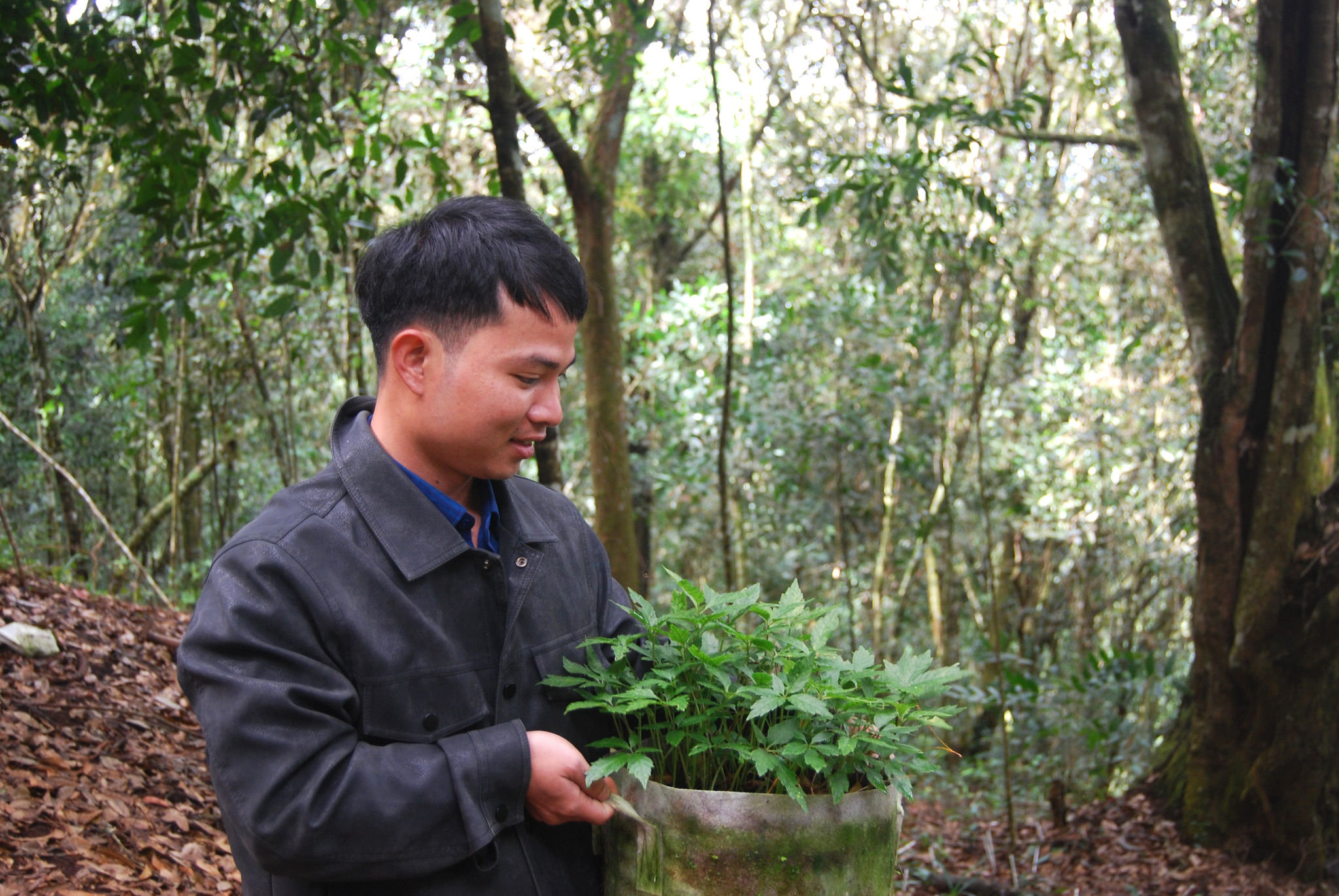
Lam Dong is gradually forming a Vietnamese ginseng cultivation region oriented toward genetic resource conservation, proactive seedling supply, and commercial production development. To achieve the target of 50 hectares by 2030, the province is focusing on implementing coordinated measures to expand cultivation areas while ensuring the quality and sustainability of the growing region.
Proactive Seedling Supply and Genetic Resource Conservation
According to statistics as of early November 2026, the total Vietnamese ginseng cultivation area of three enterprises across the province, linking genetic resource conservation with production development, reaches nearly 20 hectares.
Of this total, 15 hectares are cultivated inside net house and greenhouse systems in the Lac Duong Commune area, while the remaining 5 hectares are grown under broadleaf forest canopies in Cam Ly - Dalat Ward.
Tran Cao Nguyen, owner of one of the three enterprises, stated that he had successfully cultivated and tended 50,000 Vietnamese ginseng plants aged 1 to 5 years across this 5-hectare broadleaf forest canopy area. The seedlings were sourced from the Ngoc Linh mountain forest region in Tra Linh Commune, Da Nang City, measuring 10 to 15 centimeters in height with two pairs of leaves.
Initial assessments by scientific research units indicate that the 5-hectare garden amid the broadleaf forest achieved a survival and vigorous growth rate of over 80 percent, producing medicinal tea leaves, seeds for replanting and commercial seed tubers.
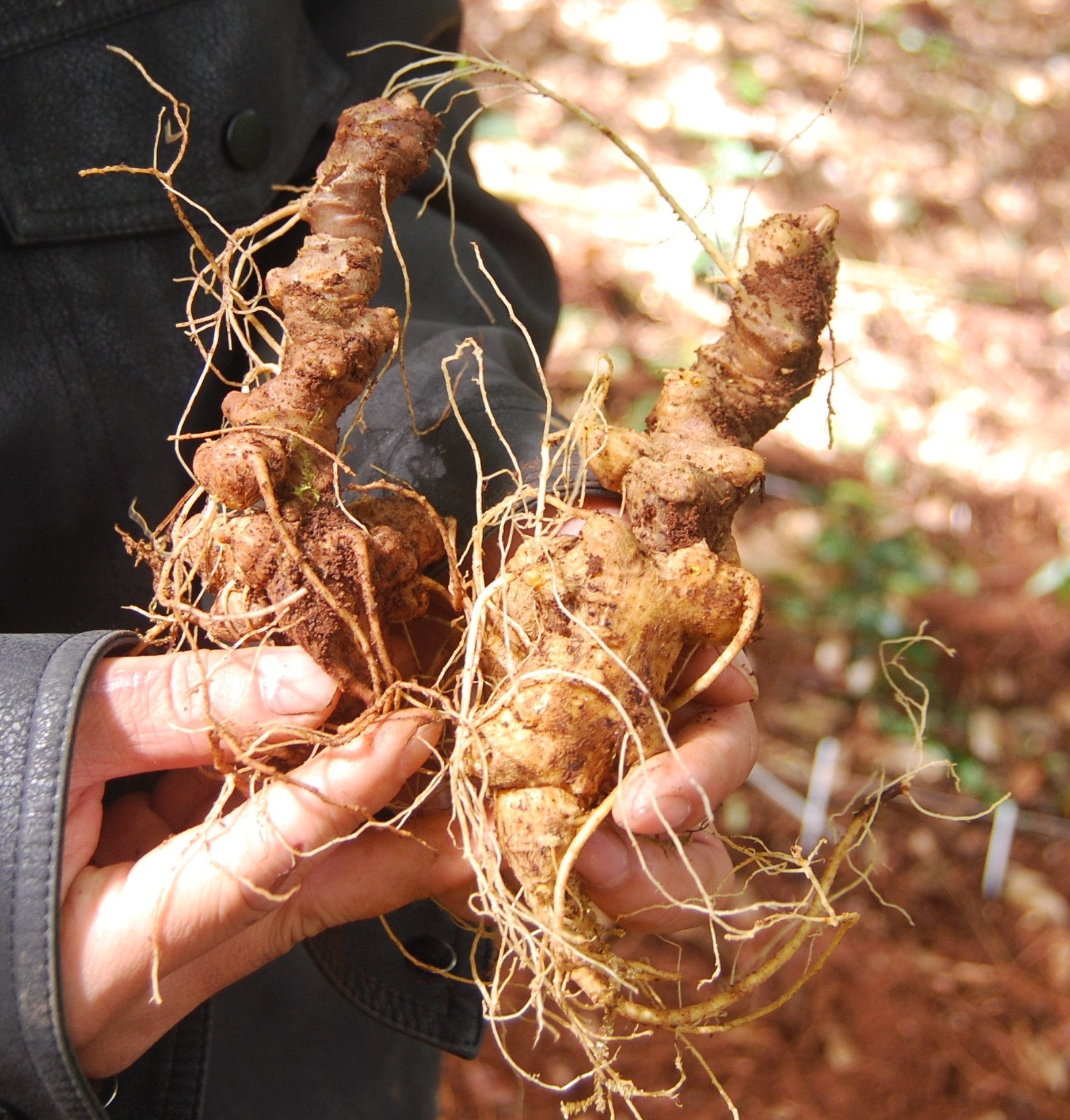
Furthermore, the enterprise transplanted 500 ginseng tubers, each weighing 100 grams or more, to be nurtured beneath the forest floor humus layer in Cam Ly - Dalat Ward, gaining roughly 10 grams per tuber after more than a year of care.
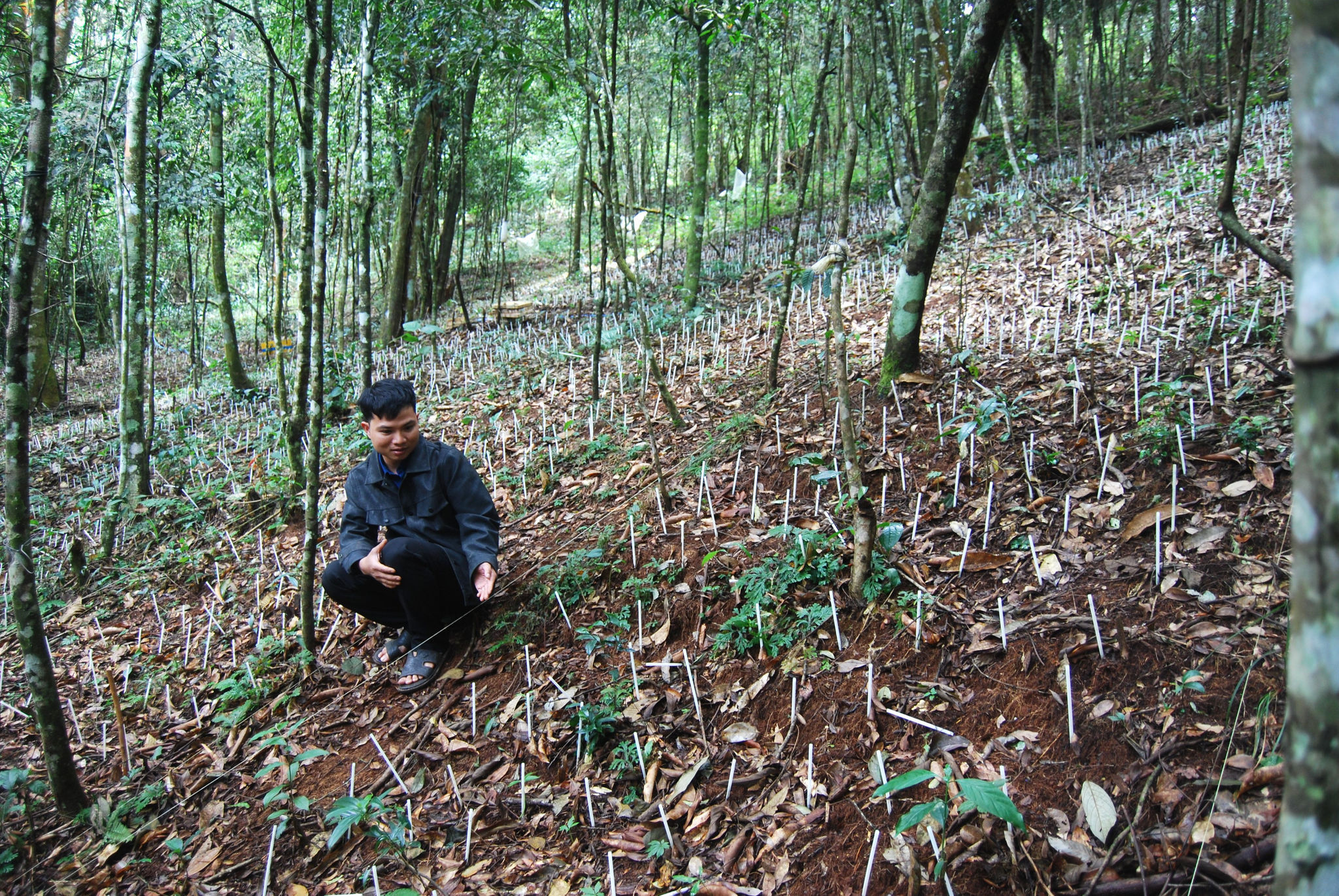
"Utilizing natural by-products such as dry, naturally fallen forest branches, leaves, and bark as fertilizer alongside clean water from natural streams to cultivate Vietnamese ginseng. Particularly, in a multi-layered symbiotic plant environment, the forest canopy effectively regulates light and mitigates the direct impact of rain, while decaying leaf litter reduces erosion and soil runoff, improves soil structure, and cycles organic matter," shared business owner Tran Cao Nguyen regarding insights synthesized from practical Vietnamese ginseng production.
To date, the business owner's 5-hectare Vietnamese ginseng area has secured an on-site seed supply accounting for 15 to 20 percent of the seedling population, while completing registration dossiers for the circulation of the Vietnamese ginseng variety coded SNL-DL1 on the national database system.
Attracting Investment and Protecting Forest Ecosystems
Alongside genetic resource conservation, the province also prioritizes propagation research using biotechnology. Across the province, two research projects have been deployed on the flowering, seed-setting, and basal cutting propagation capabilities of in-vitro Vietnamese ginseng under greenhouse conditions in the Dalat urban area.
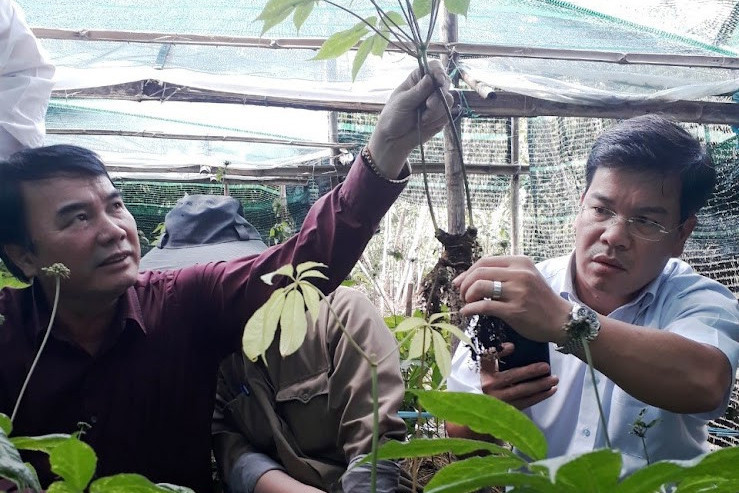
Notably, by applying polyhouses, net houses, and greenhouses equipped with automated drip irrigation and microclimate monitoring systems, enterprises proactively control growth conditions and limit adverse impacts from weather and pests.
In particular, the province has issued one domestic planting area code covering 5.2 hectares of Vietnamese ginseng grown in net houses, greenhouses, and polyhouses in Lac Duong Commune, ensuring origin transparency, strengthening quality management, securing stable market outlets, and enhancing product reputation in the marketplace.
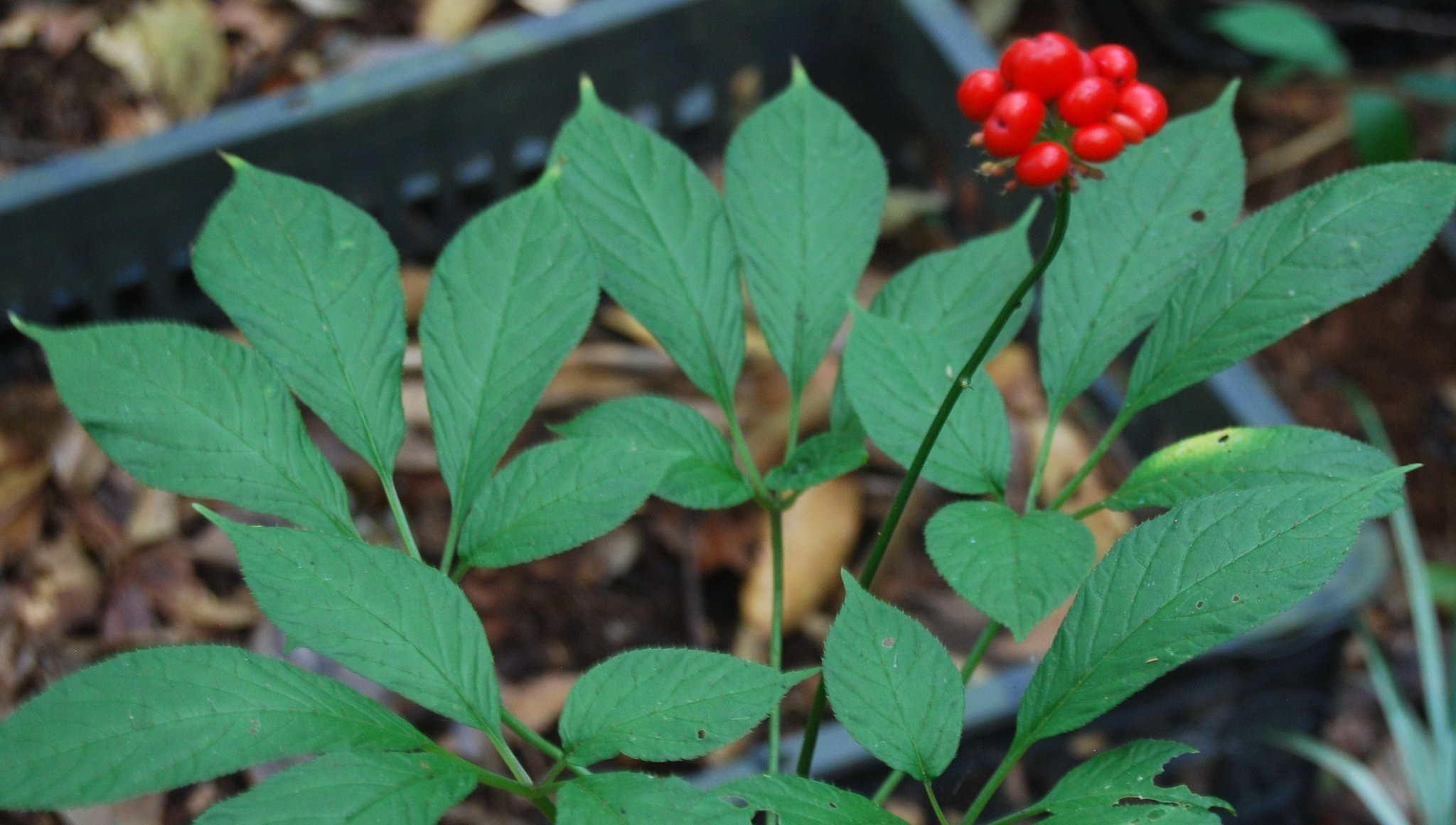
Under the orientation set out in the Prime Minister's Decision No. 611/QD-TTg/2023, by 2030, the entire province will develop 50 hectares of Vietnamese ginseng cultivated using good agricultural practices and organic farming methods, complete with planting area codes and traceability.
According to Tran Quang Duy, Deputy Head of the Provincial Sub-Department of Plant Protection, the provincial agricultural sector continues to encourage research centers and enterprises to coordinate in developing high-tech polyhouse nursery systems to control diseases, shorten propagation times, and reduce costs, while focusing on evaluating and recognizing elite mother trees and original seed gardens to conserve Vietnamese ginseng genetic resources.
"The Provincial Sub-Department of Crop Production and Plant Protection recommends that the Ministry of Agriculture and Environment soon research and issue technical procedures for cultivating and caring for Vietnamese ginseng using high-tech methods in greenhouses, polyhouses, and net houses. Simultaneously, regulations on forest environment leasing should be concretized to create favorable conditions for attracting corporate investment while ensuring compliance with the principles of forest ecosystem protection," Deputy Head Tran Quang Duy informed.