


Di Linh: From the Past to the Future
It was not until 1958 that Di Linh officially became the name of an administrative locality, following a decision by the Ngo Dinh Diem administration to rename Djiring—a French transliteration of N’Djrềng in the K’ho language—to Di Linh. During the French colonial period, Djiring served as the administrative center of Dong Nai Thuong Province.
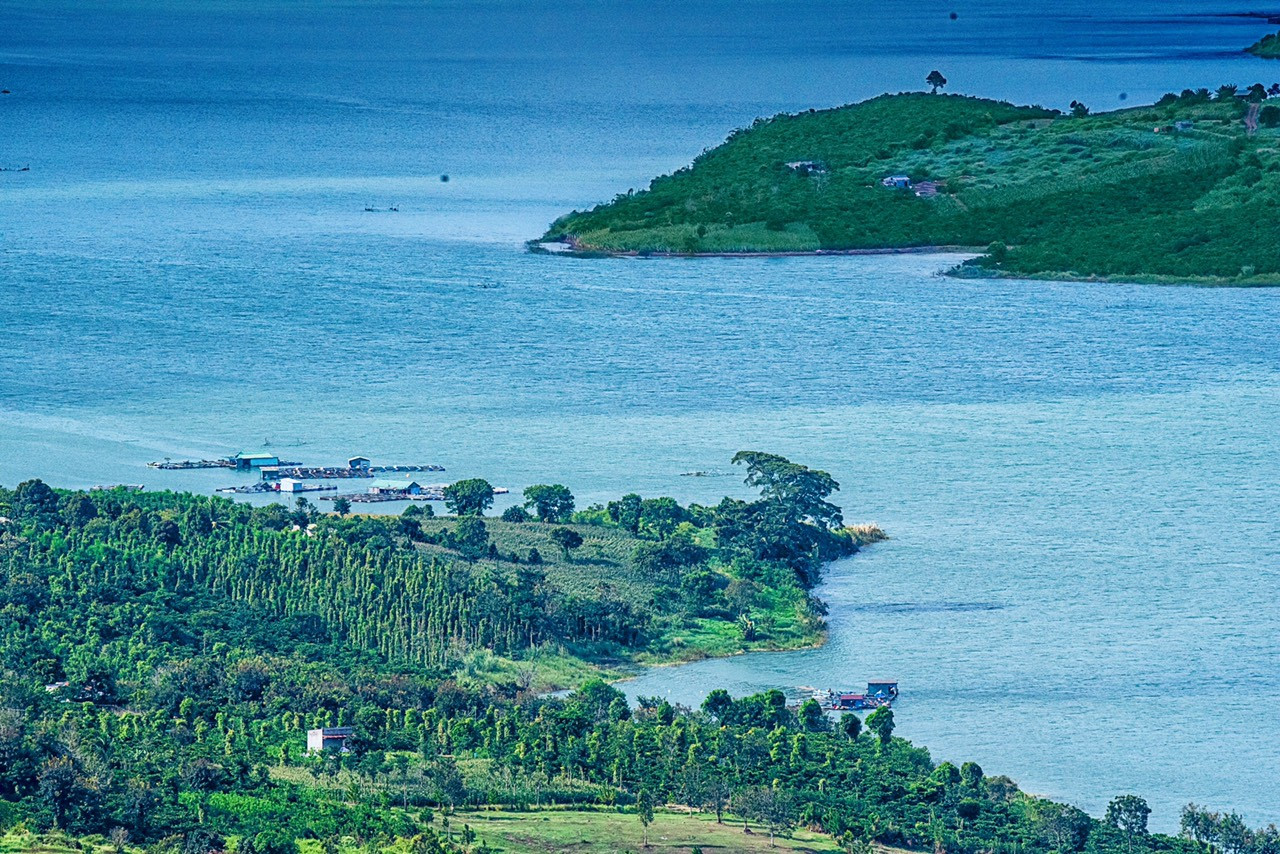
A brief historical overview of the N’Djrềng land
Long before French explorer Alexandre Yersin arrived on the Di Linh Plateau, this land had been home to the K’ho people, one of the indigenous ethnic groups of the Central Highlands. The K’ho called the area N’Djrềng, named after a forest tree known for its flexibility, durability and strength. The tree was commonly used by local people to make backpack frames for carrying agricultural products, water and firewood. The French later rendered N’Djrềng as Djiring.
On November 1, 1899, the French administration established Dong Nai Thuong Province, with its capital located in Djiring, and appointed Outrey as its first provincial resident. In 1903, the province was dissolved and replaced by the Djiring Administrative Agency, under the supervision of the resident of Binh Thuan Province. By 1905, Djiring was officially merged into Binh Thuan Province.
In 1913, the French authorities merged the Da Lat Administrative Agency into the Djiring Administrative Agency, retaining the name Djiring. On January 6, 1916, Lam Vien Province was established, comprising the new Da Lat Agency and the former Djiring Agency, with Da Lat as the provincial capital. However, by October 31, 1920, Lam Vien Province was abolished, with part of its territory forming the Da Lat municipality and the remainder reconstituting Dong Nai Thuong Province.
The province of Lam Vien was re-established again in 1928, and on January 8, 1941, it was split into two provinces: Lam Vien (capital: Da Lat) and Dong Nai Thuong (capital: Djiring).
In June 1957, the Republic of Viet Nam administration renamed Dong Nai Thuong Province as Lam Dong Province, consisting of Bao Loc (B’Lao) District and Djiring District, with Djiring serving as the provincial capital. Subsequently, revolutionary authorities merged Lam Vien and Dong Nai Thuong into Lam Dong Province. Later, Lam Dong was divided into Lam Dong Province (capital: Di Linh) and Tuyen Duc Province (capital: Da Lat). In February 1976, Tuyen Duc and Lam Dong were reunified into Lam Dong Province, comprising Da Lat City and four districts: Don Duong, Duc Trong, Bao Loc and Di Linh, with Da Lat as the provincial capital.
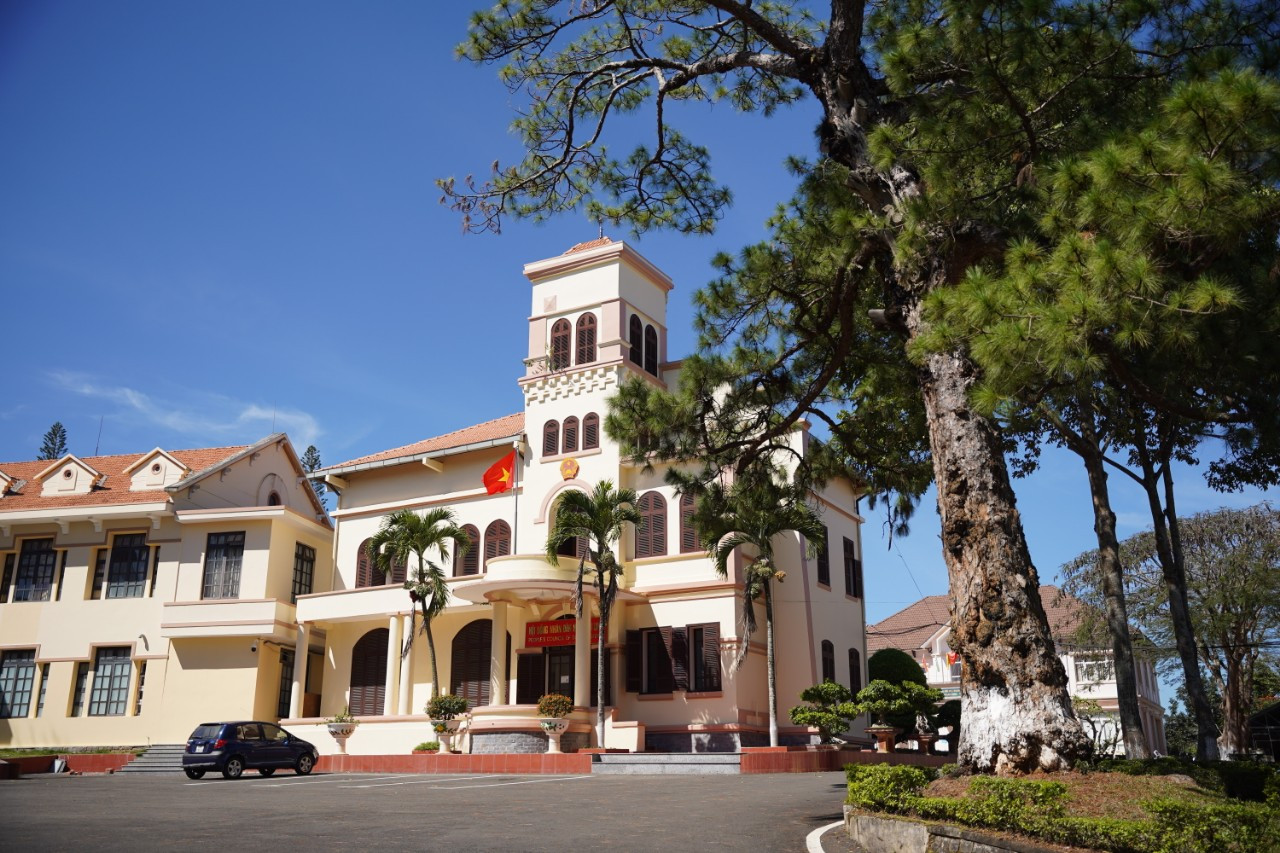
Di Linh – the central axis linking four urban centers
According to Mr Tran Duc Nam, a local resident of Di Linh Commune, Di Linh once played the role of provincial capital for Dong Nai Thuong. From 1899 to 1976, its administrative status shifted frequently as the provincial center was relocated due to historical changes. Following the proposed merger of Lam Dong, Dak Nong and Binh Thuan into a new Lam Dong province, Di Linh’s role as a geographical and economic hub has once again drawn attention, positioning it as a key connector among four urban centers: Da Lat, Bao Loc, Gia Nghia and Phan Thiet.
Geographically, Di Linh is located 112 km from Gia Nghia, 72 km from Da Lat, 97 km from Phan Thiet and 35 km from Bao Loc, offering significant advantages for regional connectivity and trade. Beyond its strategic location, Di Linh also holds strong potential in agriculture, tourism, education and technology.
According to Mr Bui Dao Thai Truong, CEO of Roland Berger Vietnam and an expert with over 20 years of experience in urban planning and development strategy, Di Linh possesses outstanding potential in agriculture and tourism. He emphasized that Di Linh should be repositioned from a secondary resort area into a “highland of energy and knowledge regeneration.”

Sharing the same view, Mr Nguyen Bao Quoc, a resident of Bao Thuan Commune, acknowledged Di Linh’s strengths in agriculture and tourism, but expressed concerns over infrastructure limitations, which have so far constrained the attraction of large-scale investment.
Addressing this issue, Dr Mai Liem Truc, former Deputy Minister of Posts and Telecommunications, suggested that Lam Dong Province establish appropriate policies and incentive mechanisms to attract major domestic and foreign enterprises to invest in Di Linh. Meanwhile, Mr Bui Dao Thai Truong stressed the importance of clearly defining Di Linh’s unique value proposition over the next 10, 20 or even 30 years, in order to guide long-term development from the present.
According to Mr Truong, Di Linh can leverage both domestic and international scientific and technological achievements and apply them to local development. Alongside investment in physical infrastructure, he emphasized that digital infrastructure must be considered a core priority. As Mr Nguyen Huu Dung, Standing Member of the Central Steering Committee on Science, Technology Development, Innovation and Digital Transformation, affirmed: “Development is impossible without a foundation built on science, technology and innovation.”