


Dialogue Offers Insights into Special Development Policies for Lam Dong
Valuable lessons in developing marine economy, coastal urban energy systems, logistics, tourism and high-quality services were shared by leaders from several localities, offering important policy insights and development directions for Lam Dong Province.
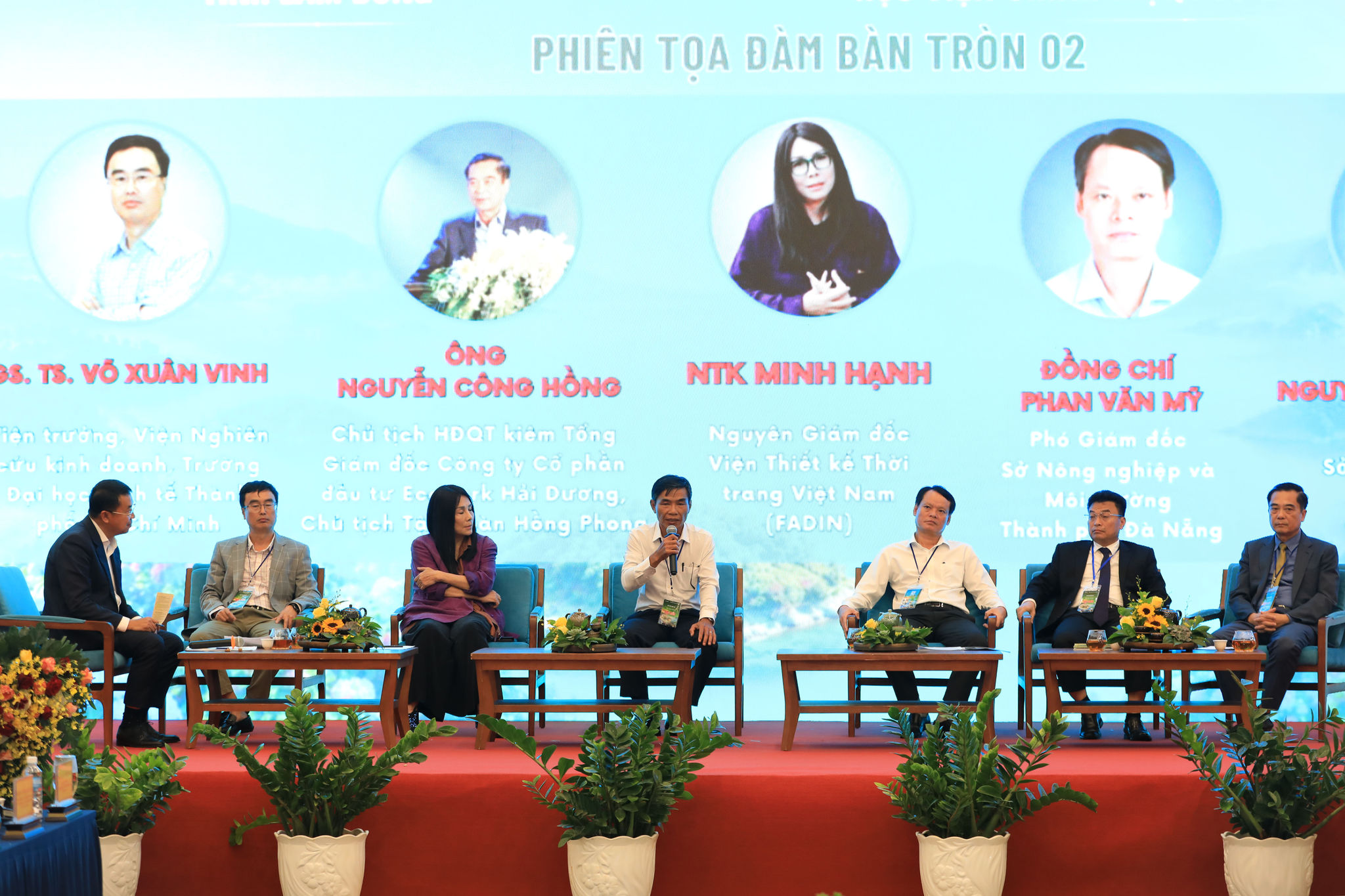
Lessons from Coastal Economies and Strategic Growth Models
On the afternoon of May 30, the scientific conference titled “Lam Dong Province Development Model: Potential and Breakthroughs” continued with a dialogue session focused on sharing local development experiences and exploring special policy mechanisms for Lam Dong.
The session brought together leaders from Da Nang, Khanh Hoa and Thanh Hoa provinces, along with experts, scientists, investors and representatives of provincial departments and agencies in Lam Dong.
.jpg)
Representing the Ho Chi Minh National Academy of Politics were Doan Minh Huan, Politburo Member and Director of the Ho Chi Minh National Academy of Politics; Nguyen Minh Hung, Deputy Director of the Ho Chi Minh National Academy of Politics and Vice Chairman of the Central Theoretical Council; along with representatives from the Academy’s affiliated institutes, departments and agencies.
Lam Dong Province was represented by Y Thanh Ha Nie Kdam, Member of the Party Central Committee, Secretary of the Provincial Party Committee and Head of the Provincial National Assembly Delegation; Ho Van Muoi, Member of the Party Central Committee, Deputy Secretary of the Provincial Party Committee and Chairman of the Provincial People’s Committee; Dang Hong Sy, Permanent Deputy Secretary of the Provincial Party Committee; Luu Van Trung, Deputy Secretary of the Provincial Party Committee and Chairman of the Provincial People’s Council; and Pham Thi Phuc, Deputy Secretary of the Provincial Party Committee and Chairwoman of the Provincial Vietnam Fatherland Front Committee, along with members of the Provincial Party Standing Committee and representatives of provincial departments and local authorities.
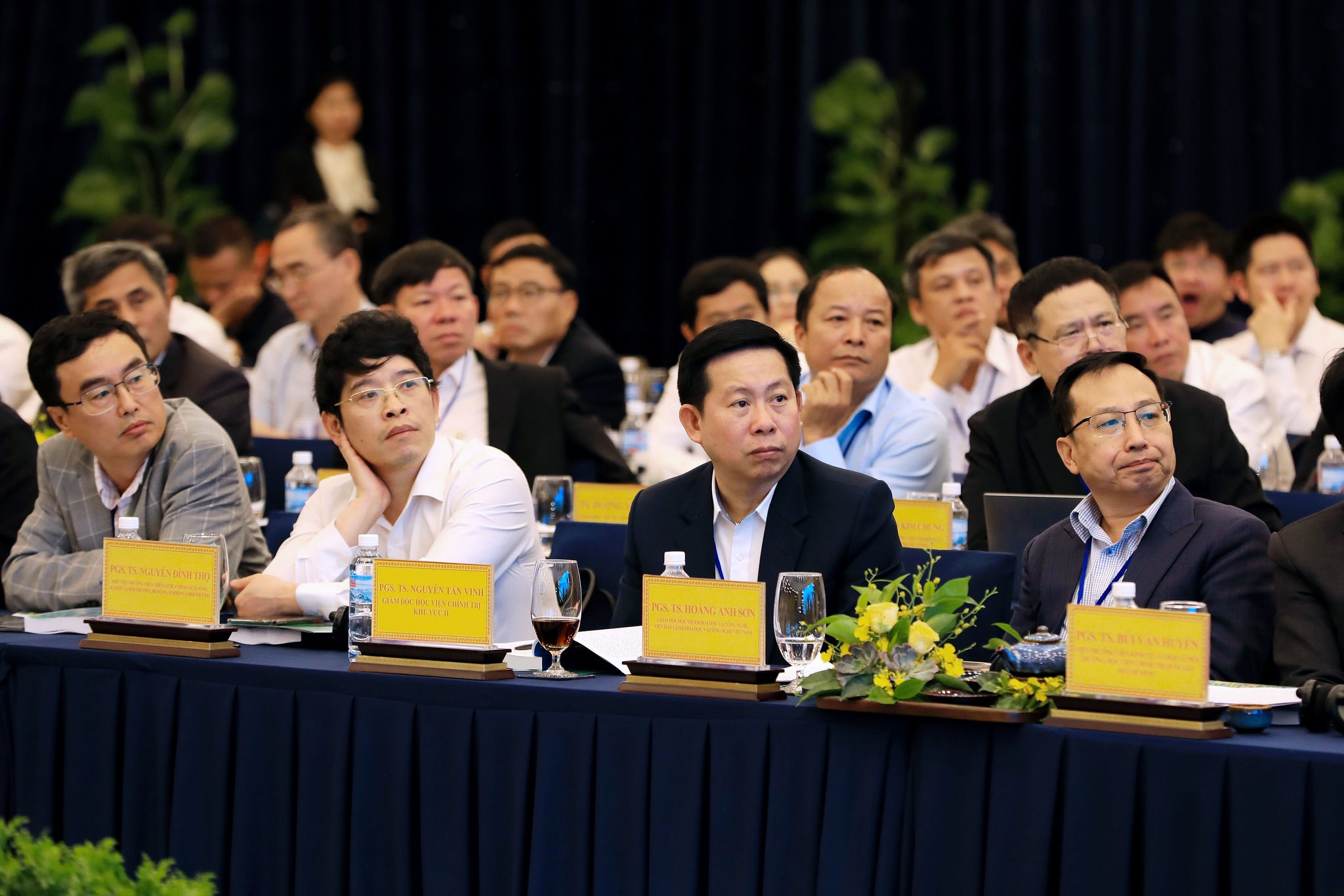
During the dialogue, Lam Dong leaders raised a number of development scenarios and sought practical experiences from other localities to support the province’s economic development strategy.
Regarding the implementation of special policy mechanisms, Lam Dong invited Da Nang to share its experience in decentralization, resource mobilization and coordination between central and local authorities.
Responding to the discussion, Phan Van My, Deputy Director of the Da Nang Department of Agriculture and Environment, noted that following the implementation of a two-tier local government model, Da Nang had been granted a range of special mechanisms by the central government, creating strong momentum for development. However, the implementation process also faced challenges and obstacles.
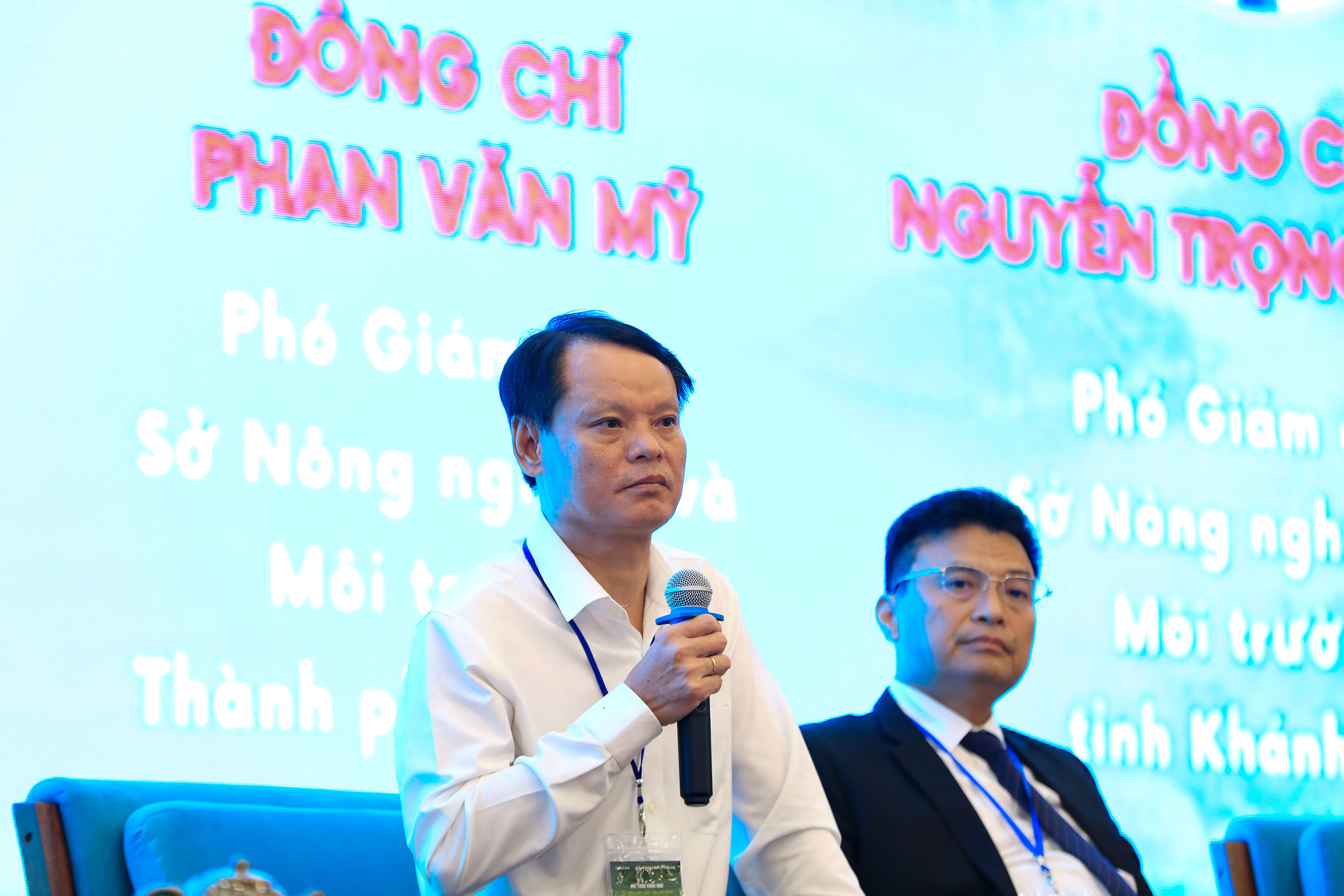
To address these issues, the Da Nang Party Committee issued several revised resolutions. Policies related to the establishment of a free trade zone, the development of an international financial center and the attraction of strategic investors were introduced and implemented promptly. After more than one year, Da Nang has recorded encouraging initial results.
According to My, close coordination with central ministries and agencies, together with clear decentralization and the assignment of responsibilities to local departments and authorities, played a crucial role in achieving these outcomes.
Da Nang has issued and implemented numerous practical development policies. Our priority has been to address resource bottlenecks while ensuring a harmonious balance among the interests of the State, businesses and citizens.
Phan Van My, Deputy Director of the Da Nang Department of Agriculture and Environment
Regarding marine economic development, Lam Dong sought insights from Thanh Hoa on the key factors behind the attraction of large-scale industrial and energy projects.
Trinh Huy Trieu, Member of the Provincial Party Standing Committee and Head of the Nghi Son Economic Zone and Industrial Parks Authority of Thanh Hoa Province, stated that following administrative restructuring, Lam Dong and Thanh Hoa share many similarities in terms of geography and terrain. He noted that Lam Dong may even enjoy greater advantages due to its proximity to Southern Vietnam’s major economic growth centers.
According to Trieu, Nghi Son Economic Zone is recognized as one of Vietnam’s eight key coastal economic zones. It currently hosts 738 investment projects, including 663 domestic projects with registered capital of VND 205.3 trillion and 75 foreign-invested projects with total registered capital exceeding USD 14 million.
Annual budget revenue generated by the zone reaches approximately VND 35–40 trillion, accounting for around 60% of Thanh Hoa’s total provincial budget revenue.
For a coastal economic zone to operate effectively, projects must first be feasible and closely aligned with practical development needs. Equally important is the long-term commitment and support of local authorities for investors.
Trinh Huy Trieu, Head of the Nghi Son Economic Zone and Industrial Parks Authority
.jpg)
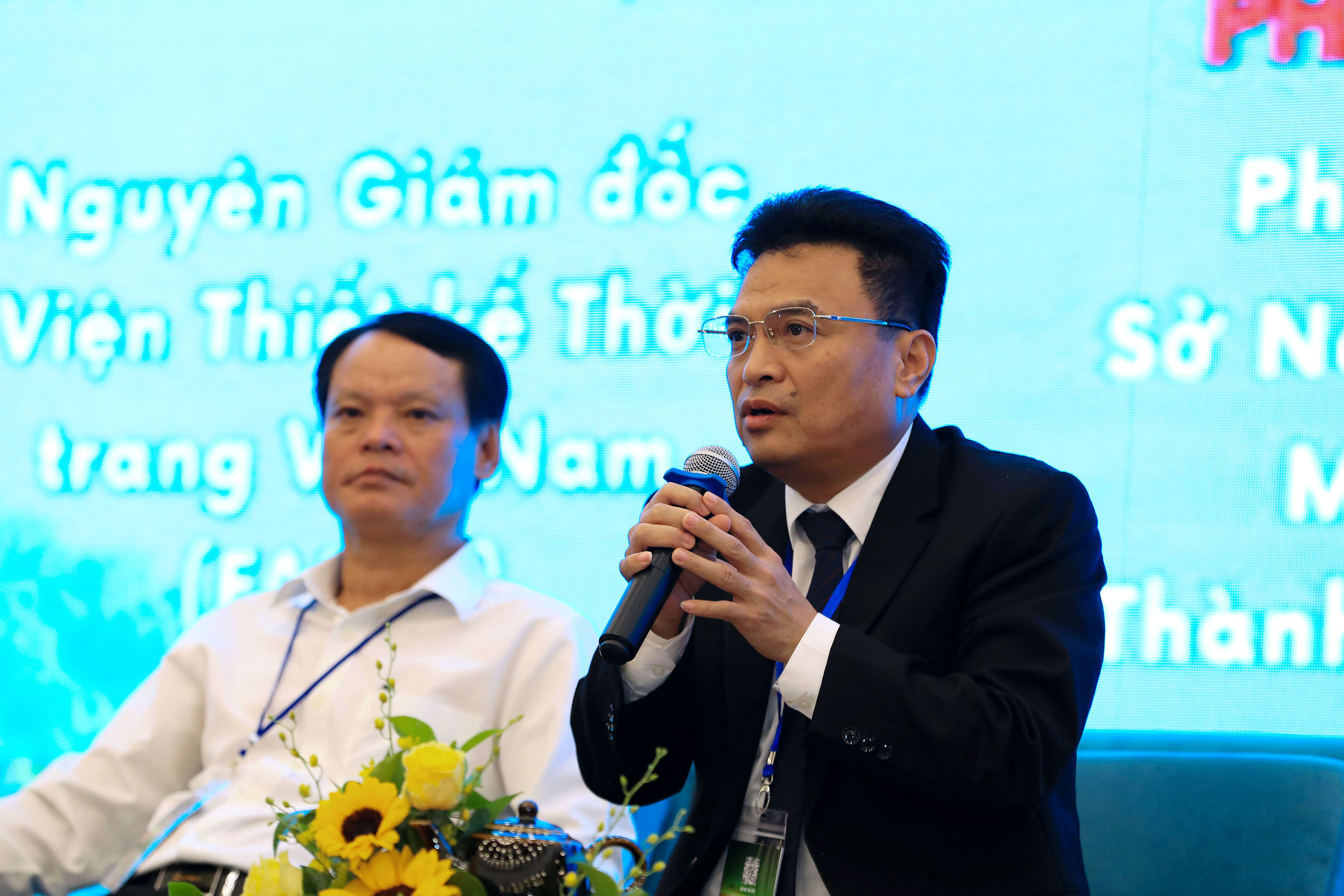
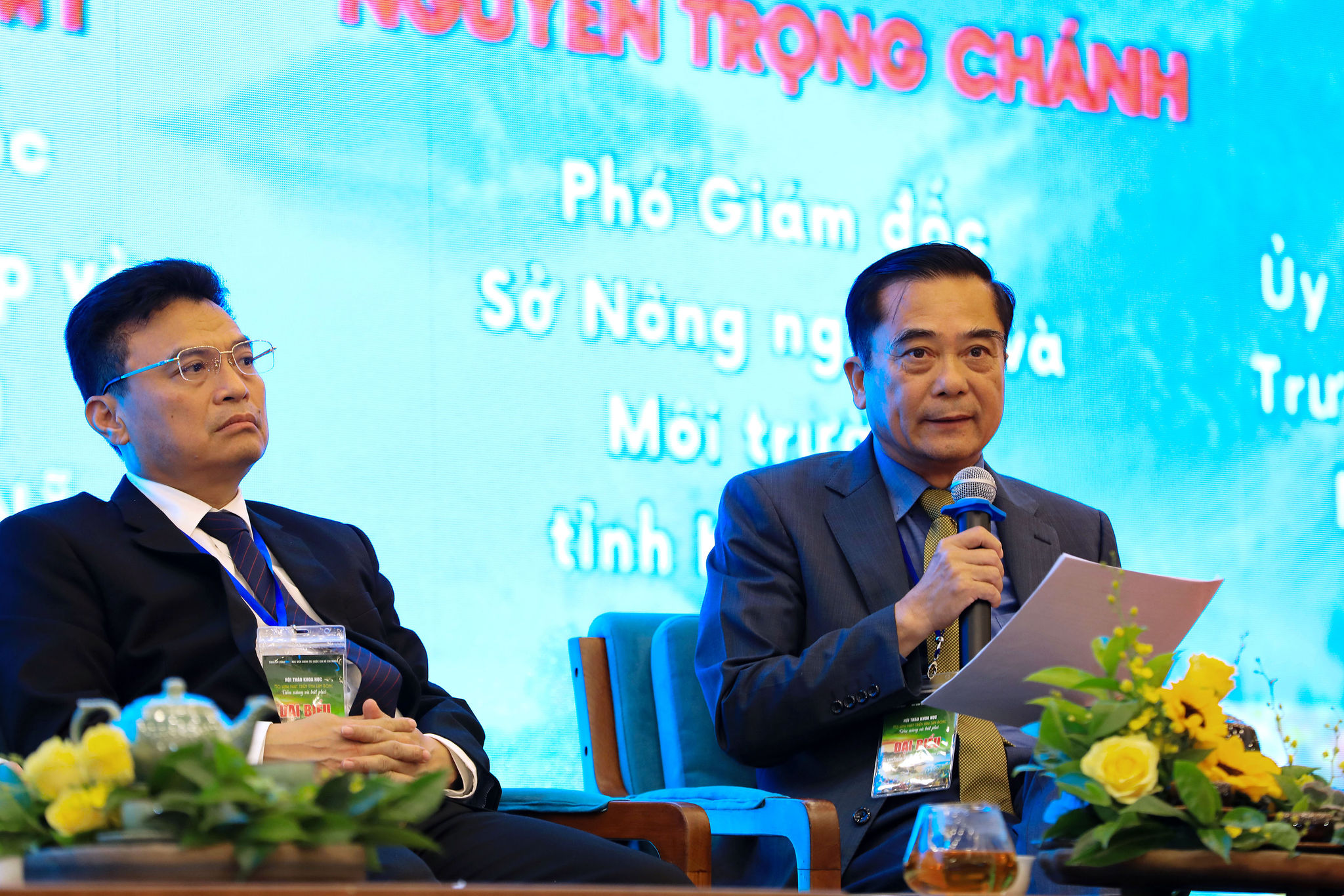
Sharing Khanh Hoa’s experience, Nguyen Trong Chanh, Deputy Director of the Khanh Hoa Department of Agriculture and Environment, emphasized the importance of long-term vision and regional connectivity when designing special development mechanisms.
Rather than focusing solely on short-term challenges, Khanh Hoa has prioritized creating sustainable development space and long-term resource capacity. The province has implemented specific mechanisms to remove bottlenecks related to planning, land management, site clearance and investment attraction.
Flexibility in adjusting local planning frameworks and land-use policies enabled the rapid development of the Van Phong Economic Zone, which has since become a major growth engine for the province.
Marine economic development must be aligned with marine spatial planning, urban planning and energy planning. Pursuing isolated projects risks creating conflicts and overlapping development plans. In the context of sustainable socio-economic development, Lam Dong should pay special attention to marine ecosystems.
Nguyen Trong Chanh, Deputy Director of the Khanh Hoa Department of Agriculture and Environment
Attracting Major Investment and Building Coastal Growth Poles
The dialogue also featured presentations from experts, consultants and investors on integrated planning, modern development models and strategic infrastructure investment.
Business representatives expressed hope that Lam Dong would maintain regular communication and dialogue with enterprises and investors to promptly identify and resolve obstacles. They emphasized the need for stronger site-clearance resources, synchronized infrastructure investment and better coordination among planning frameworks to avoid project delays and regulatory overlaps.
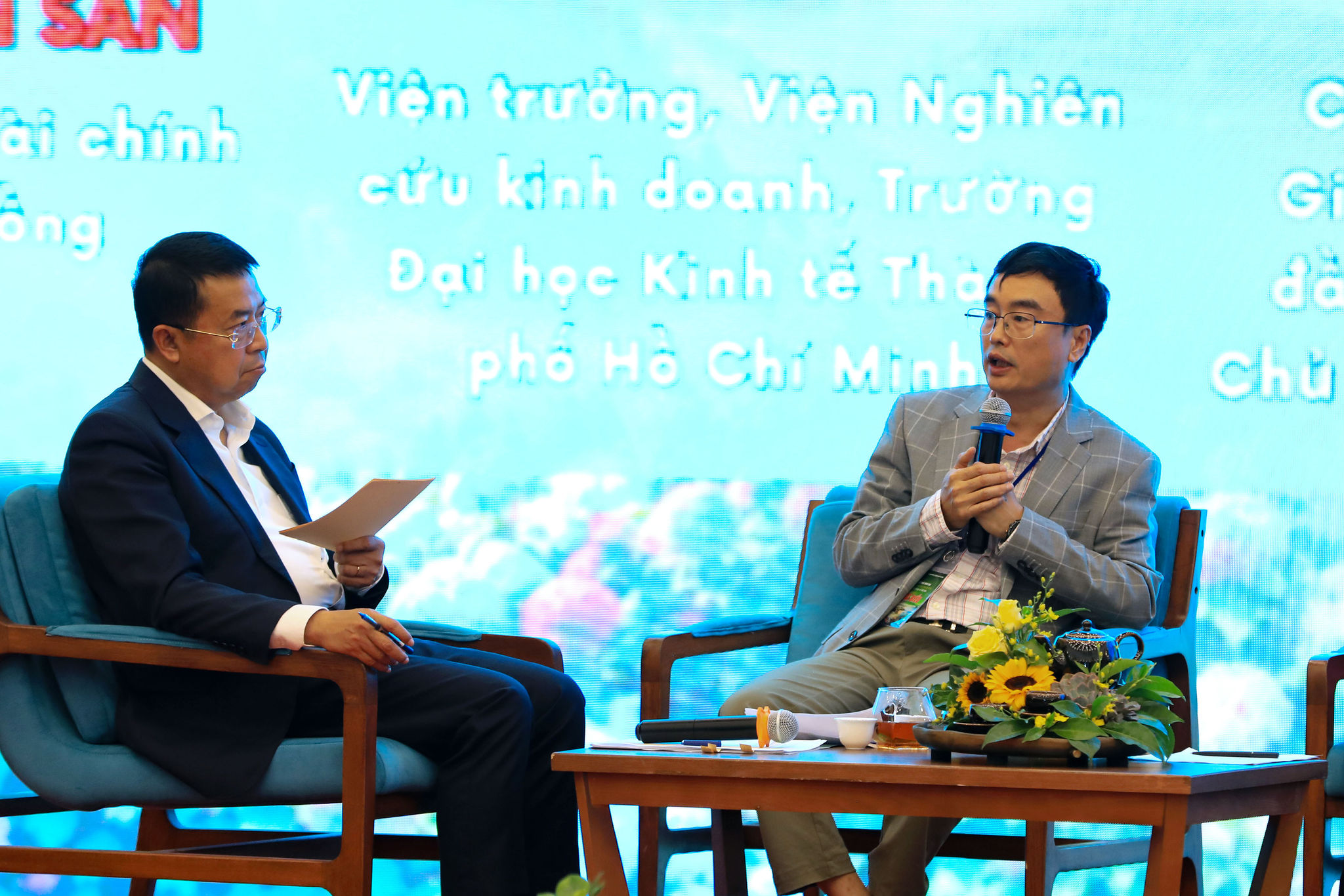
The ideas and recommendations shared during the session are expected to provide important foundations for Lam Dong as it develops a suitable growth model for its expanded development space. The province will continue studying and proposing robust policy mechanisms to realize its goals of rapid, sustainable and breakthrough development.
.jpg)