


Dialysis Comes to the Borderlands, Bringing Relief to Kidney Patients
Many patients with chronic kidney disease in remote communes in western Lam Dong Province can now access dialysis services locally. This decentralization of care not only ensures timely medical intervention but also significantly alleviates the financial burden and eases the psychological strain on both patients and their families.
When Dialysis Services Arrive in Border Areas
Vu Van Vien, a resident of Yok Ju hamlet in Nam Nung Commune, once endured years of long-distance treatment for chronic kidney failure. Before a local dialysis unit was established, he had to travel regularly to Ho Chi Minh City for treatment. Each trip meant additional worries over transportation, meals and accommodation.
A turning point came in late March 2025, when the Dak Mil Regional Medical Center was equipped with 10 hemodialysis machines to launch its artificial kidney unit. Since then, Vien has been able to receive treatment locally instead of traveling to Ho Chi Minh City.
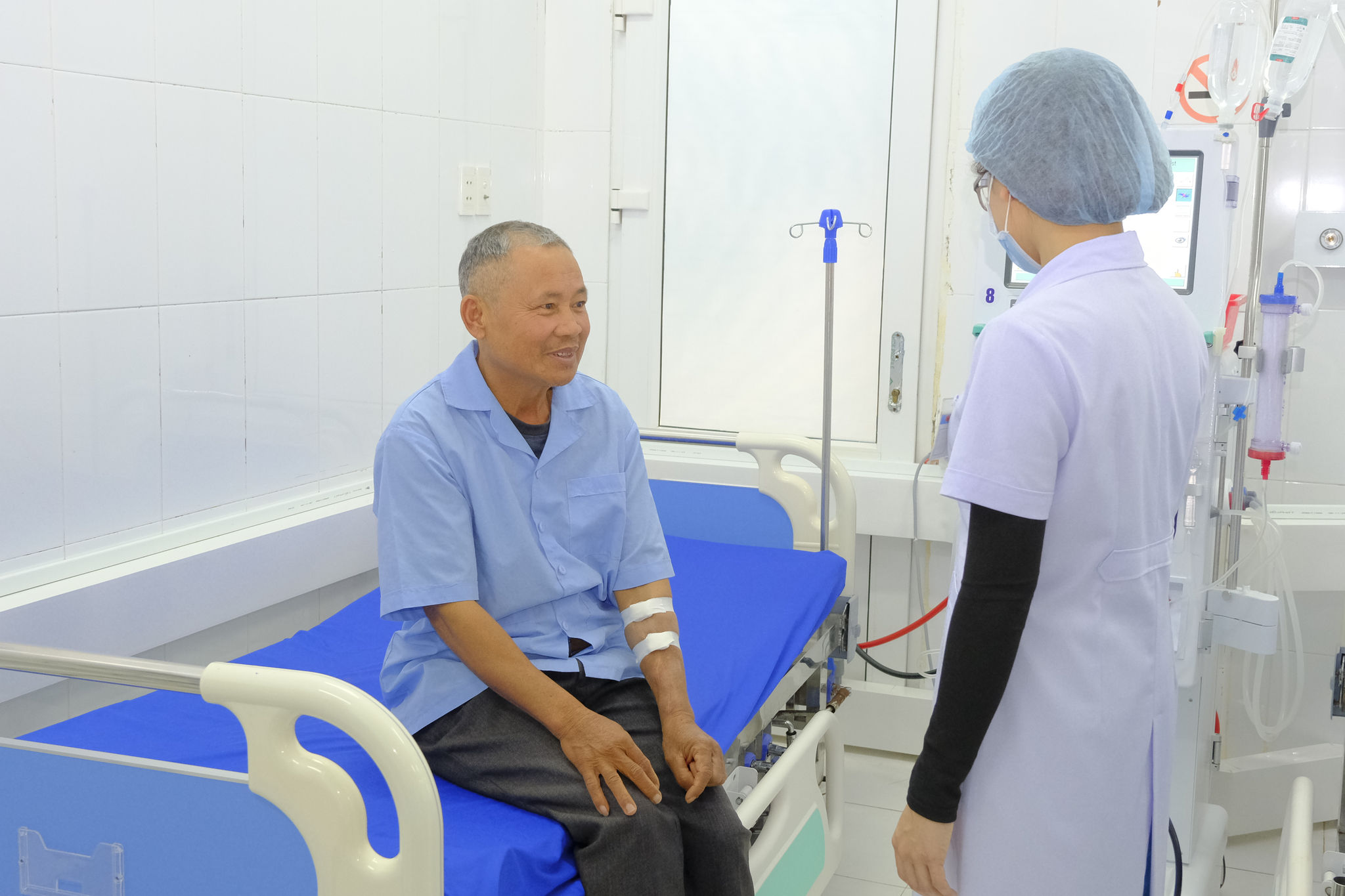
“Each dialysis trip used to be a long and exhausting journey. Now that I can receive treatment near home, both travel time and expenses have been reduced considerably,” Vien shared.
According to Dr. Doan Thi Thanh Tuyen, Head of the Hemodialysis Unit under the Department of Emergency and Intensive Care at the Dak Mil Regional Medical Center, most chronic kidney patients require long-term dialysis, with some relying on the machines for decades.
“Receiving treatment close to home greatly reduces pressure on patients. They no longer have to endure long-distance travel and can find peace of mind knowing they are monitored consistently and continuously within their localities.” Dr. Tuyen said.
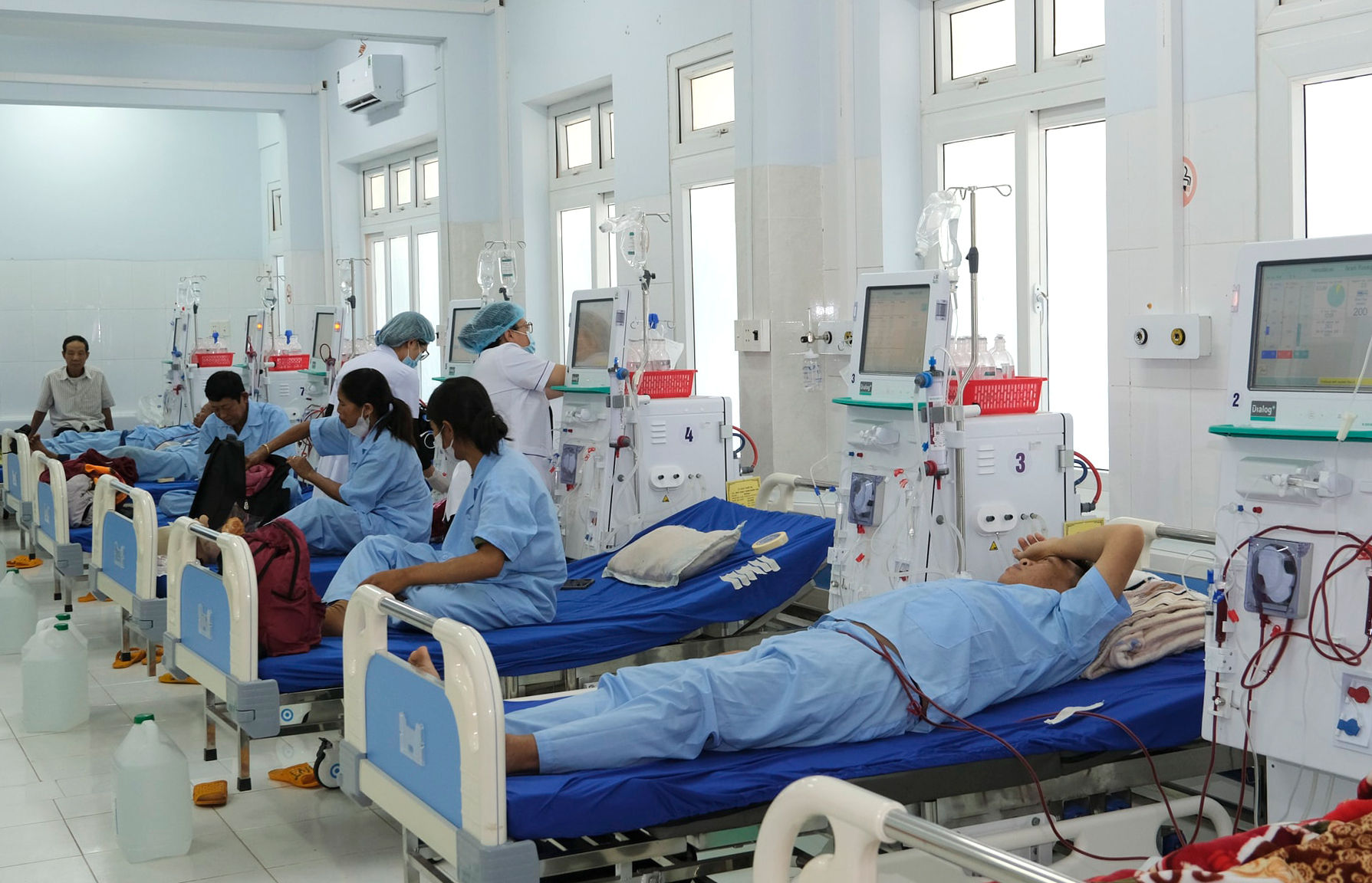
Nguyen Dang Trung, Director of the Dak Mil Regional Medical Center, noted that the 10 dialysis machines are currently operating three shifts per day, providing regular treatment for around 60 patients.
For patients with chronic kidney disease, dialysis is a lifelong treatment. When services are available near home, patients face less economic and emotional strain and are better able to adhere to treatment regimens, especially those living in remote and border areas.
Nguyen Dang Trung, Director of the Dak Mil Regional Medical Center
Grassroots Healthcare as a Lifeline for Kidney Patients
Having lived with kidney disease for more than a decade, Thi Dong from Nam Gia Nghia Ward is accustomed to undergoing dialysis three times a week. In the past, before dialysis services were available locally, she had to travel to Ho Chi Minh City for regular treatment.
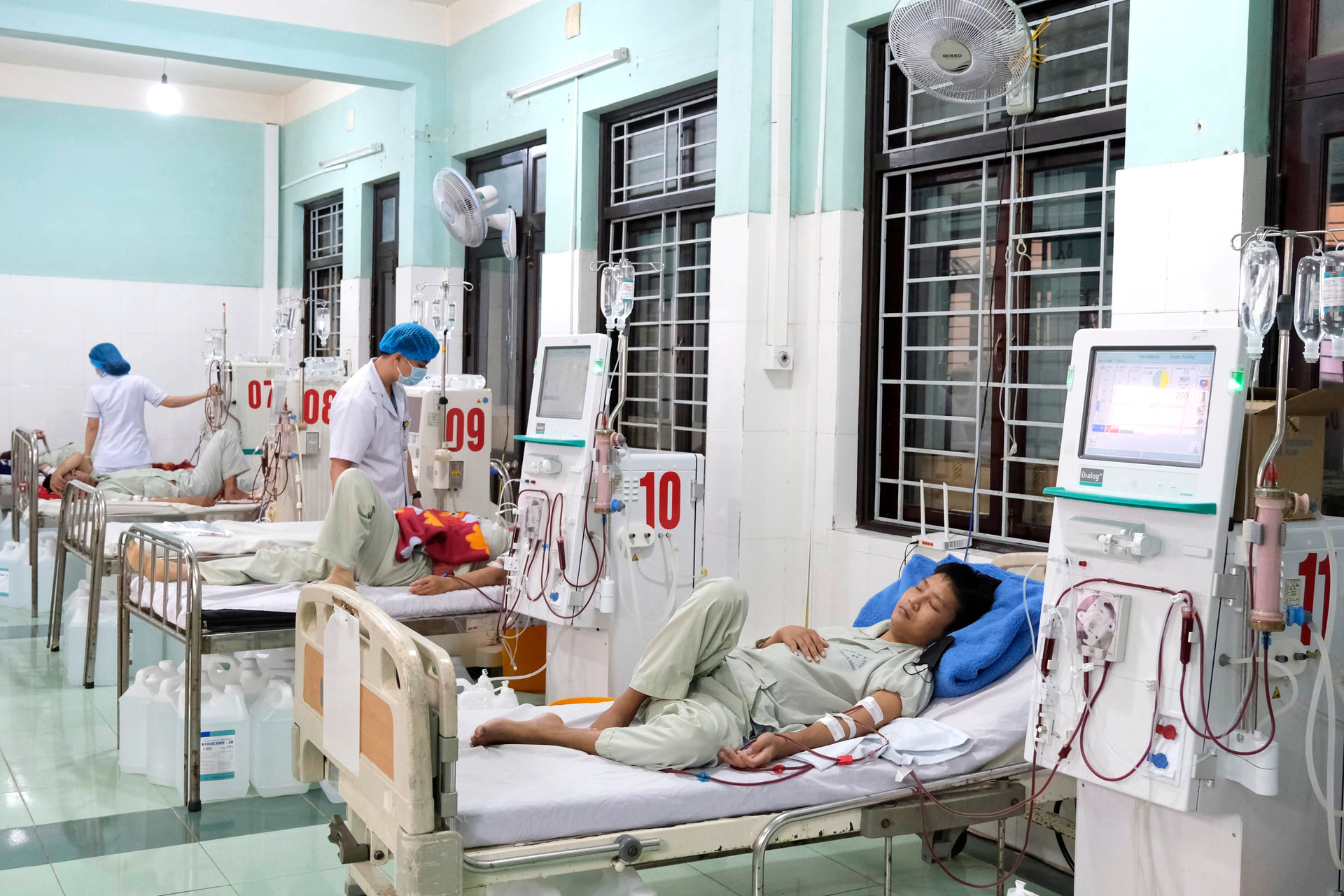
In recent years, after hemodialysis services were introduced at Dak Nong General Hospital, Dong has been able to receive care in her home province. No longer having to travel far has helped her reduce fatigue, stabilize her health and maintain long-term treatment with greater peace of mind.
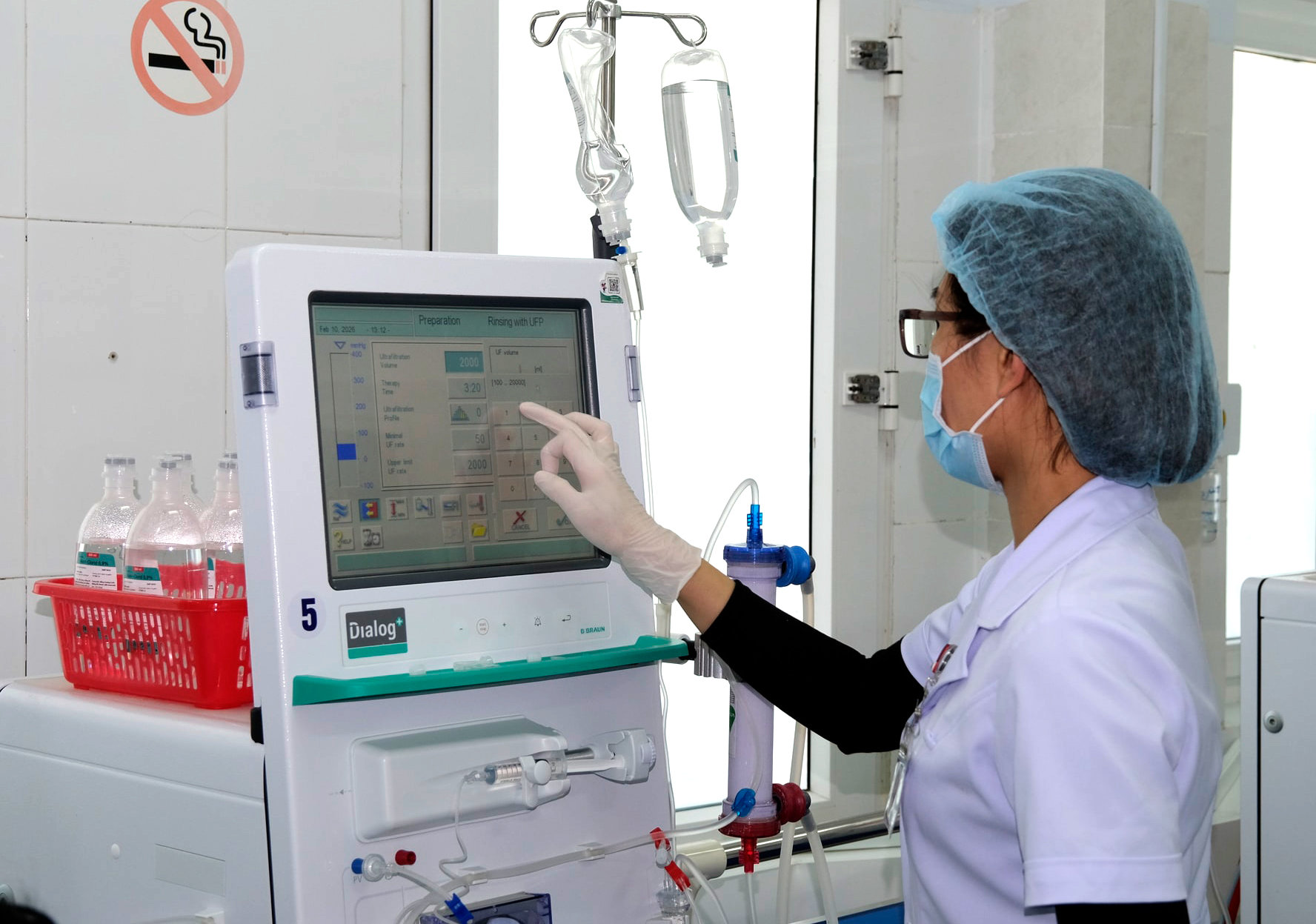
Dak Nong General Hospital is currently equipped with 23 dialysis machines, meeting the regular treatment needs of 30–40 inpatients and nearly 60 outpatients. During each session, medical staff directly operate and closely monitor the machines and patients’ health conditions to ensure safety and effectiveness.
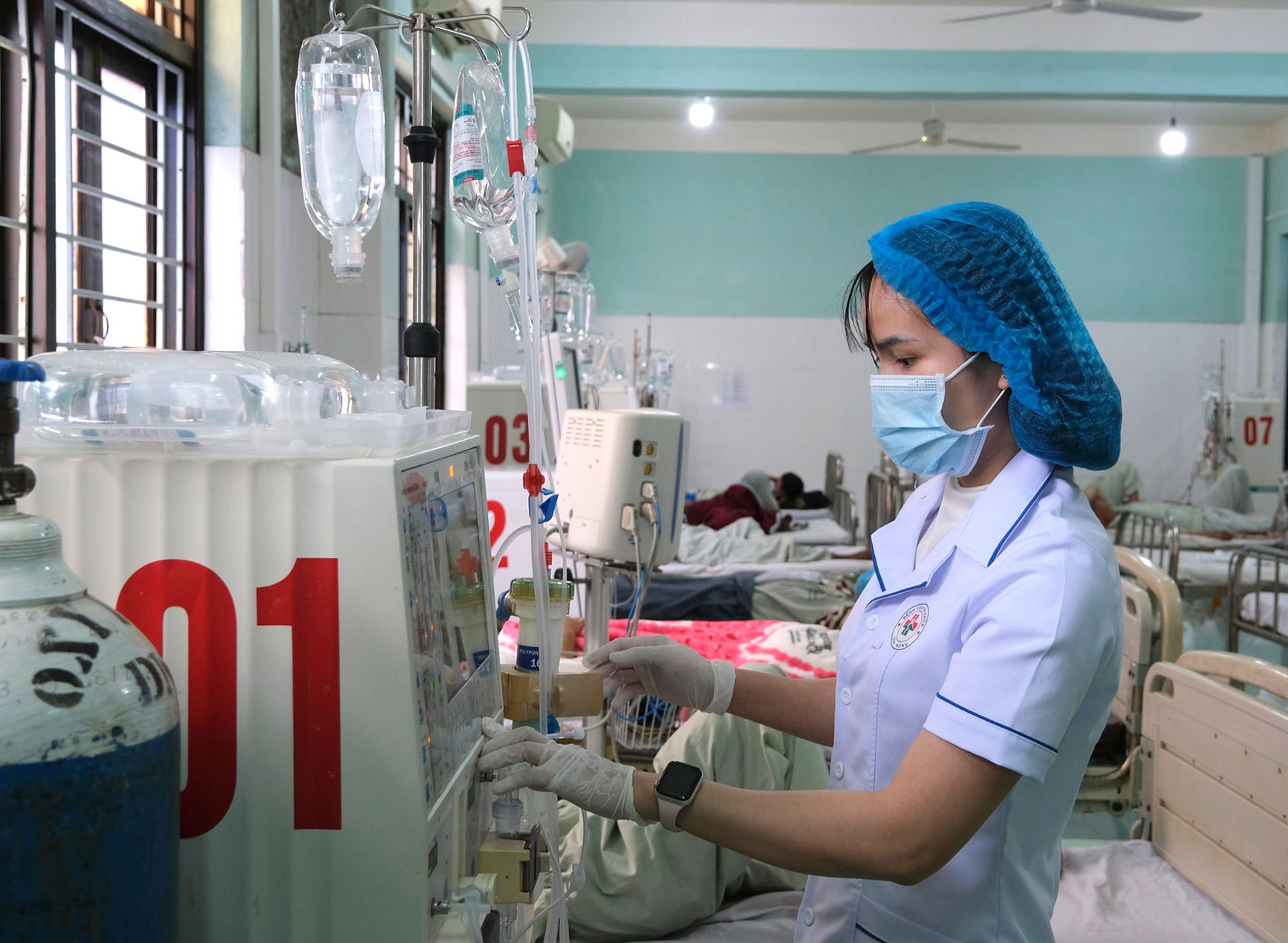
According to Dr. Nguyen Dinh Nguyen from the Department of Intensive Care and Toxicology at Dak Nong General Hospital, gradually mastering advanced treatment techniques at the grassroots level not only reduces the burden on higher-level hospitals but also guarantees local residents’ right to healthcare services close to home.
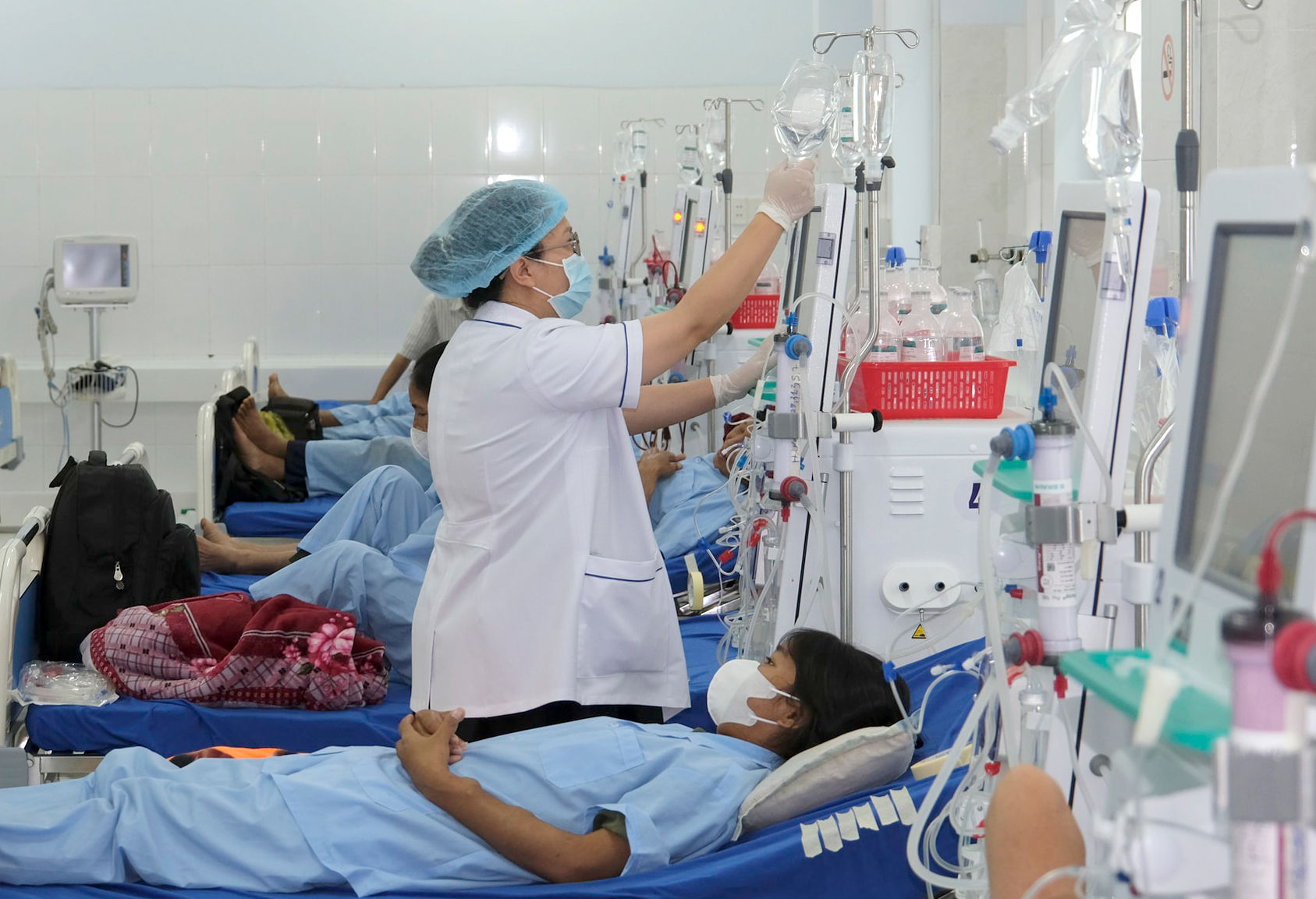
“Developing high-tech medical services at the grassroots level brings practical benefits to patients while contributing to social welfare and strengthening public trust in the local healthcare system,” Dr. Nguyen stressed.