With nearly 85,000 household businesses, Lam Dong is embracing the digital economy to expand markets, improve transparency and support their transition into formal enterprises.
Many household businesses in western Lam Dong are taking the step to become formal enterprises
Household businesses gain confidence
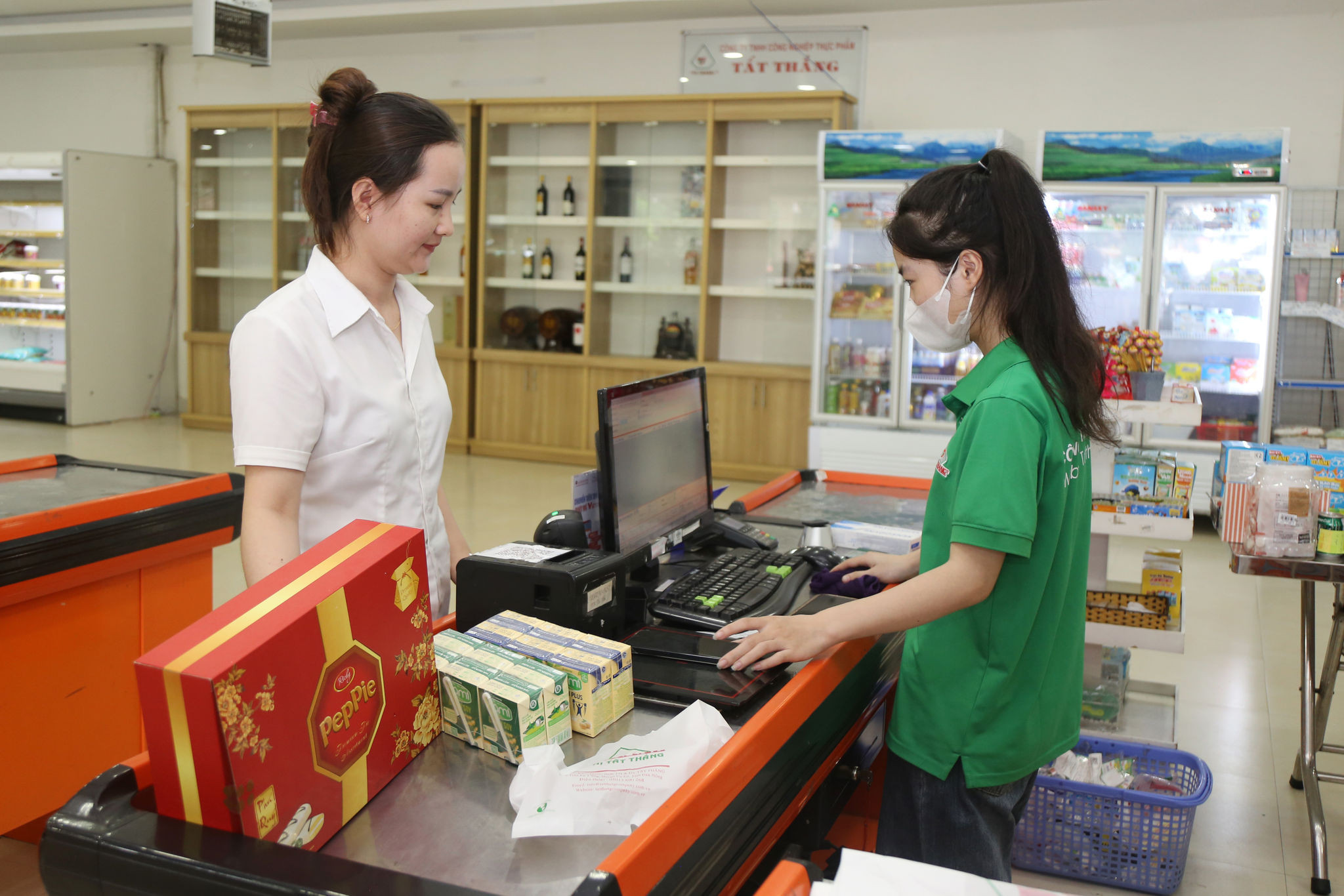
After running a grocery business for more than a decade, Le Tien Thanh in Duc Lap Commune, Lam Dong, had long been accustomed to recording revenue and expenses by hand and paying taxes under the presumptive tax method.
In June 2025, his business voluntarily switched to the tax declaration method, requiring him to change how he handled his tax obligations. More importantly, he had to learn to use e-invoice applications, sales software and digital revenue management tools.
Many household businesses still rely on handwritten records and remain hesitant to adopt digital management software
According to Thanh, the new requirements prompted him to move from handwritten bookkeeping to digital tools. For a small household business, even these relatively simple technologies can help establish more systematic management practices and better control over revenue and expenses.
“
Revenue is fully recorded, goods can be tracked and transactions are backed by data. More importantly, business owners can monitor their operations instead of relying entirely on experience as they did before.
Le Tien Thanh, Duc Lap Commune, Lam Dong
At the same time, e-commerce is creating new opportunities for household businesses to expand. At Helly fashion store on Dao Duy Tu Street in Duc Trong Commune, Lam Dong, increased use of livestreaming and digital sales platforms has helped online orders account for around 50% of revenue.
According to store manager Nguyen Phuong Ly, digital commerce not only helps the business reach customers beyond the local area but also provides insights into customer feedback and preferences, allowing it to adjust its business strategy accordingly.
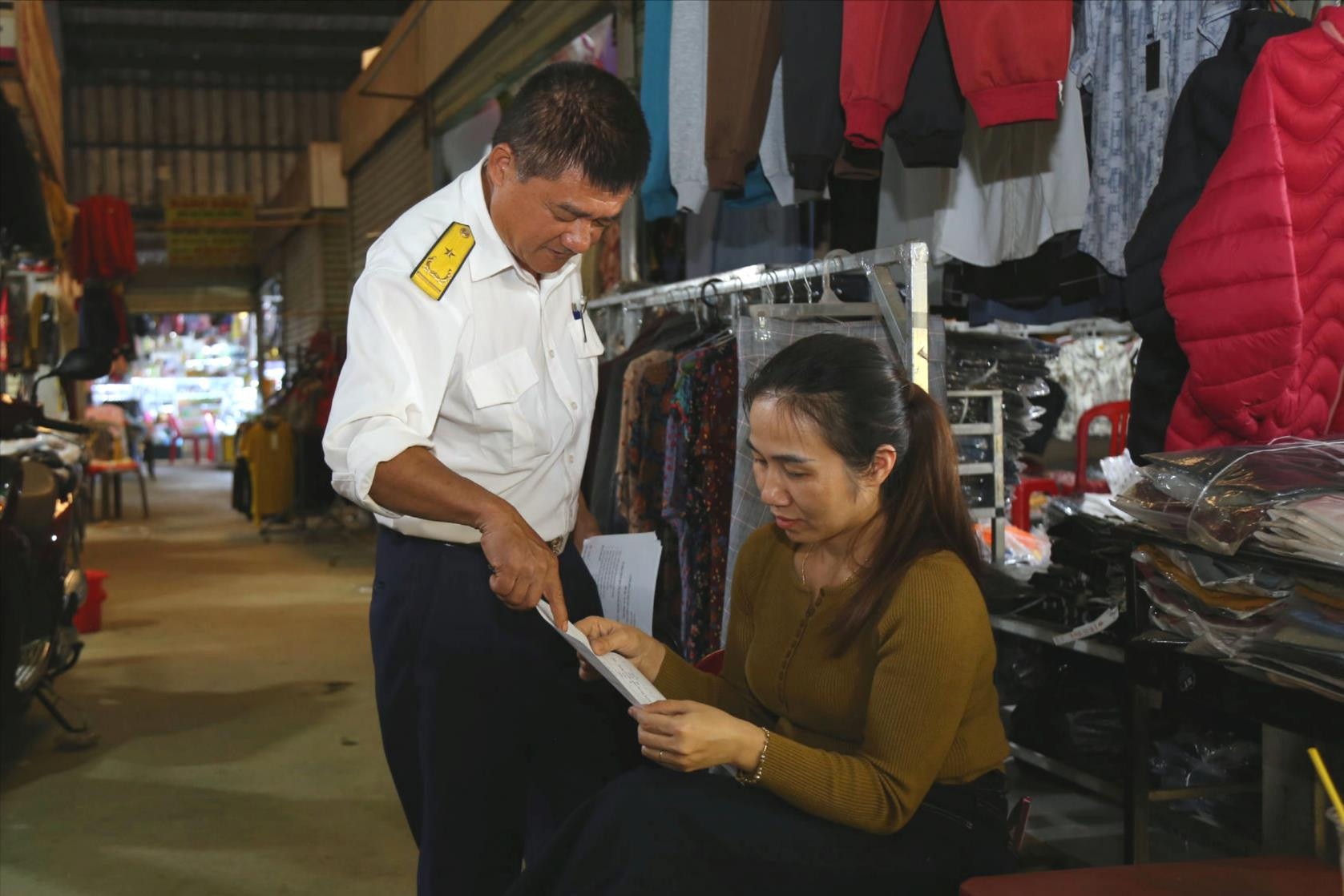
Lam Dong tax authorities support household businesses in adopting cashless payment methods
In practice, the digital economy can help household businesses expand their markets and better manage inventory, revenue and cash flow. As they grow, more systematic management becomes necessary, laying the groundwork for a transition to the enterprise model.
In recent years, a number of household businesses in Lam Dong have taken this step. Hoang Phuong Anh, Director of Thao Nguyen Co., Ltd. in Lam Vien Ward - Da Lat, said her business officially became an enterprise in early October 2025.
“After the transition, we became eligible for tax incentives for newly established enterprises. Transactions with partners and customers have also become easier thanks to a more professional invoicing and documentation system,” she said.
Supporting the transition to enterprises
According to Le Binh Minh, Deputy Director of the Lam Dong Department of Finance, becoming an enterprise should not be viewed simply as a change in name or legal status.
Once household businesses begin keeping digital records of revenue, expenses and inventory, issuing e-invoices, accepting digital payments and using management software, they are already developing the foundations of formal business management.
This provides a stronger platform for businesses to expand production, hire more workers, build their brands, secure larger contracts and gain access to credit.
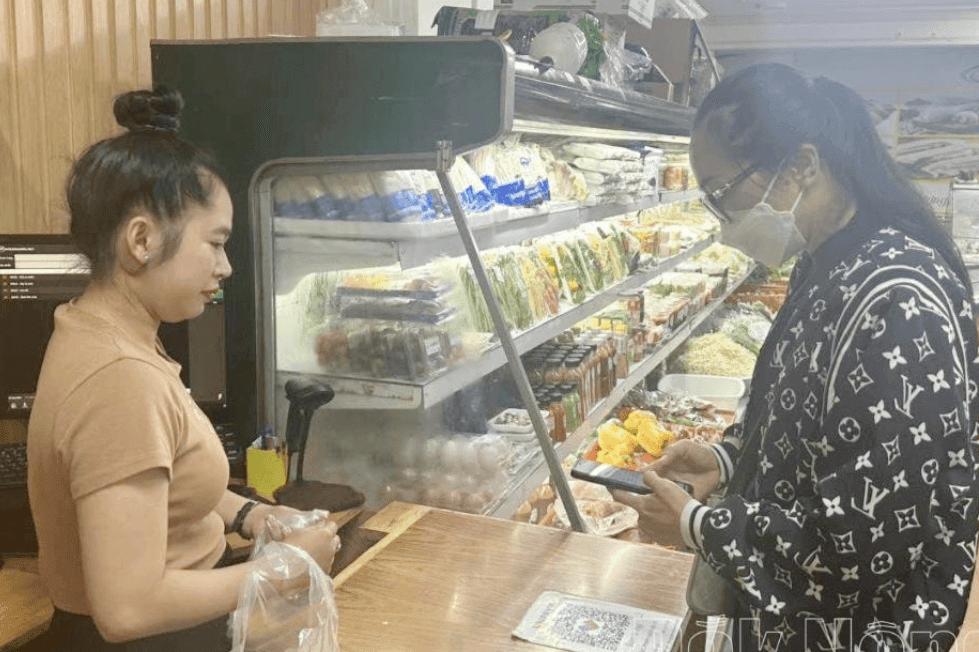
Many household businesses and consumers in Lam Dong have adopted digital payments
From the tax sector’s perspective, Tran Van Long, head of the Lam Dong provincial tax authority, said household businesses are increasingly building a foundation for greater transparency and more standardised operations. This is reflected in the shift from presumptive taxation to tax declaration, along with the adoption of e-invoices and other digital solutions.
By the end of July 2026, more than 75% of household businesses in Lam Dong had installed eTax Mobile. Digital records of revenue, transactions and cash flow also provide businesses with stronger financial documentation when working with banks, helping them access credit and expand their operations.
“
The provincial tax authority will continue linking data with e-commerce platforms and relevant agencies, helping household businesses achieve stable growth and transition into formal enterprises
Tran Van Long, Head of the Lam Dong Provincial Tax Authority
To help household businesses gain the confidence and capacity to become formal enterprises, authorities across Lam Dong are encouraging greater use of digital tools. Initiatives range from developing cashless markets and streets to providing guidance and encouraging businesses to adopt digital solutions.
However, moving from a “digital household business” to a digital enterprise requires a broader shift in mindset. Simply using QR codes, selling online or issuing e-invoices does not automatically turn a household business into an enterprise.
Many businesses in Lam Dong have grown successfully from household business models
More importantly, business owners need to learn how to use data for management, build brands and standardise products. As operations expand, they must also improve cost control, reach new markets and adapt their organisational structures accordingly.
With the presumptive tax system being phased out, e-commerce expanding and transparency requirements increasing, the digital economy is becoming a springboard for household businesses to professionalise their operations. Once they have sufficient capacity, transitioning into an enterprise becomes more than an administrative procedure; it represents a step towards deeper integration into the broader market.
Lam Dong currently has 84,960 active household businesses, of which 94.4% have annual revenue of VND 1 billion or less. Since the beginning of the year, tax revenue from household businesses and individuals has reached nearly VND 700 billion, equivalent to more than 72% of the annual target and up 12% year on year.