


Digital Payments Transform Healthcare Access in Border Areas
Cashless healthcare payments in Lam Dong’s border areas reduce wait times, simplify procedures, accelerate digital transformation, and improve service quality.
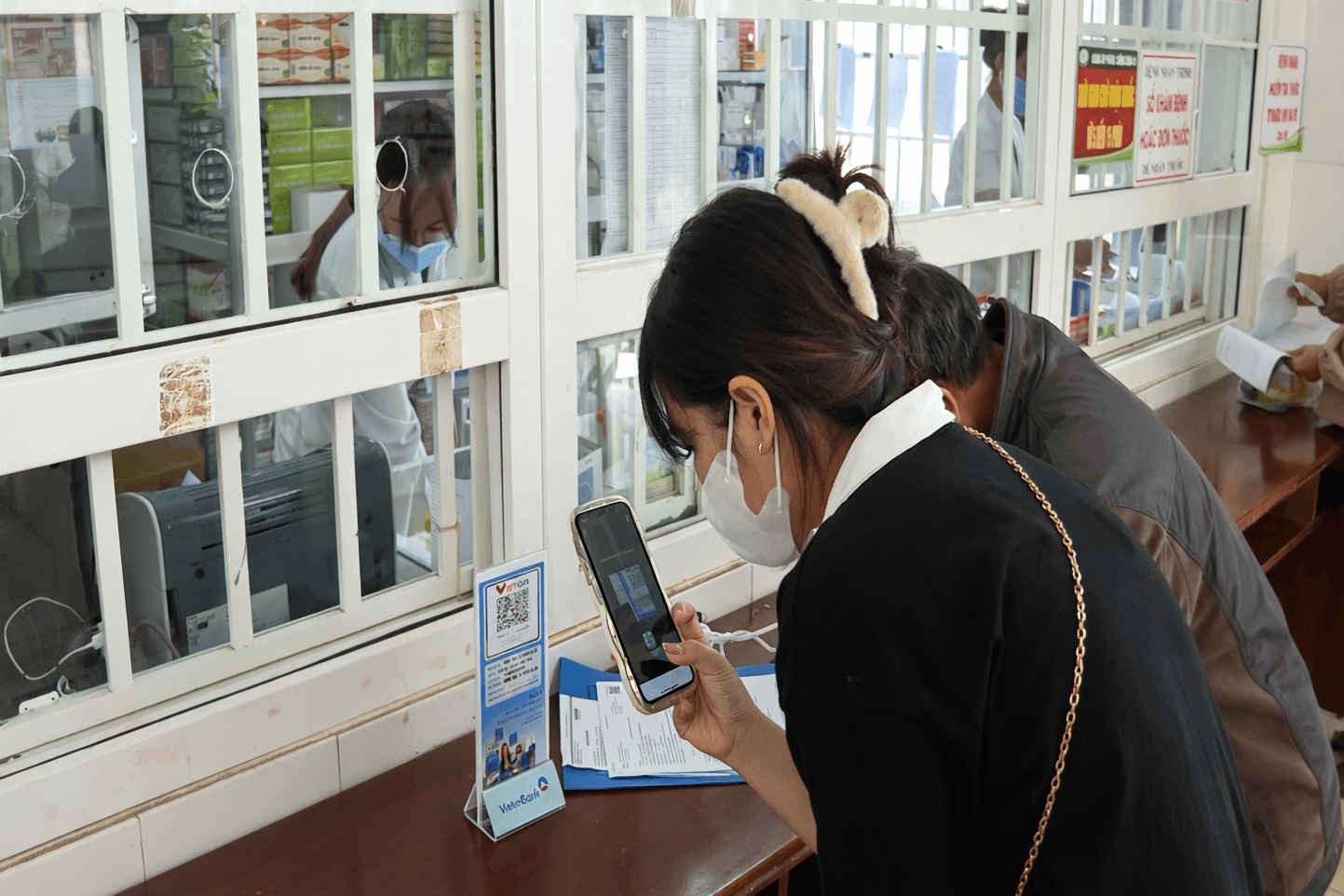
Driving efficiency through digital transformation
In recent years, alongside the broader national digital transformation agenda, public healthcare facilities across Lam Dong have actively implemented cashless payment systems.
This transition is particularly impactful in remote, mountainous, and border areas, where socio-economic conditions remain challenging. The adoption of modern payment methods is gradually reshaping long-standing habits, delivering tangible convenience to local communities.
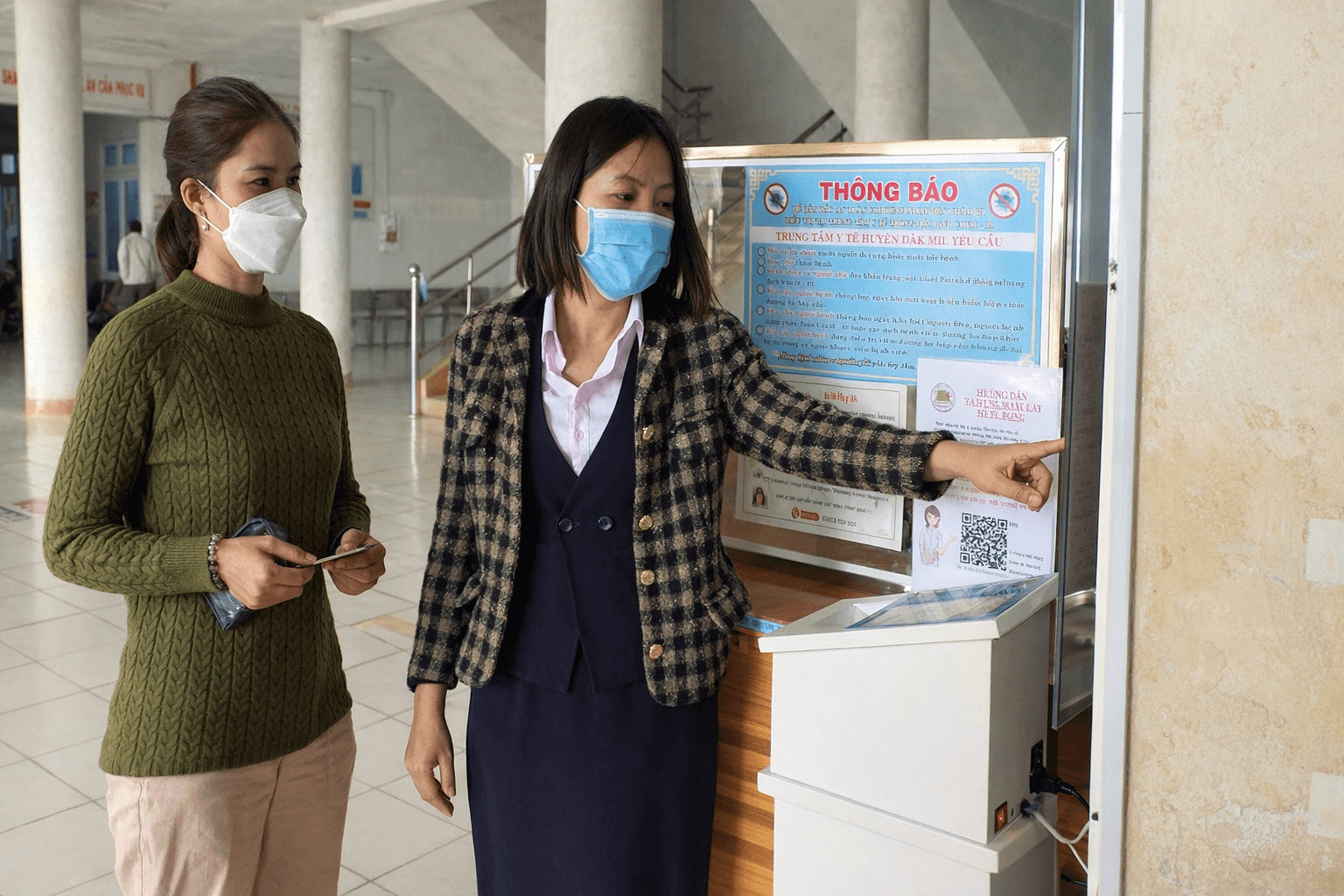
At Dak Mil Regional Medical Center, cashless payments have been rolled out across multiple channels, including QR code scanning, banking apps, e-wallets, and POS devices. As a result, patients no longer have to wait in long lines to pay hospital fees.
Tran Thi Thuy Linh, a resident of Dak Wil Commune, shared that this was her second time using QR-based payment during a medical visit. She noted that the method is highly convenient, allowing her to manage payments proactively without delays—especially for people with busy schedules.
Similarly, many residents in border communes are gradually adapting to digital payments. Le Thi Lien from Thuan An Commune said: “Paying via smartphone is fast and simple. I no longer worry about carrying large amounts of cash or the risk of losing it.”
Beyond convenience for patients, cashless payment systems also enhance operational efficiency for healthcare providers. Digital platforms enable accurate tracking of revenue, transparent financial management, and better patient record administration.
Moreover, these systems reduce pressure on billing staff, minimize errors associated with cash handling, and streamline the overall treatment process—ultimately improving service quality.

Nguyen Dang Trung, Director of the Dak Mil Regional Medical Center, said the facility has established advisory teams to support residents in accessing and using digital payment methods. As a result, adoption rates continue to rise, gradually fostering a culture of digital transactions within the community.
Toward a fully cashless hospital model
Despite encouraging progress, challenges remain in expanding cashless payments in remote and border healthcare facilities. One of the primary barriers is the persistent reliance on cash—particularly among ethnic minority communities.
Many residents still lack bank accounts or are unfamiliar with smartphones and digital payment applications. In addition, limited telecommunications infrastructure in certain areas continues to hinder implementation.
According to Huynh Thanh Huynh, Deputy Director of the Lam Dong Department of Health, the sector will intensify communication efforts and provide hands-on guidance to help residents adopt digital payment services. At the same time, coordination with relevant stakeholders will be strengthened to improve infrastructure and ensure smoother access.
As of March 2026, all 40 healthcare facilities under the provincial Department of Health have implemented cashless payment systems. QR codes are widely displayed, supporting transactions across multiple platforms including banking applications and e-wallets.
Notably, cashless transactions now account for nearly 60% of total revenue at healthcare facilities—an indicator of significant progress in both awareness and behavioral change among residents.
Looking ahead, Lam Dong’s healthcare sector aims to further expand digital payment adoption, moving toward a fully cashless hospital model. This is not only an inevitable trend but also a strategic solution to enhance service quality and build a modern, transparent, and efficient healthcare system.
Ultimately, the digitalization of healthcare payments in border areas goes beyond administrative reform. It represents a critical step in comprehensive digital transformation and brings long-term benefits to both citizens and the healthcare system.